







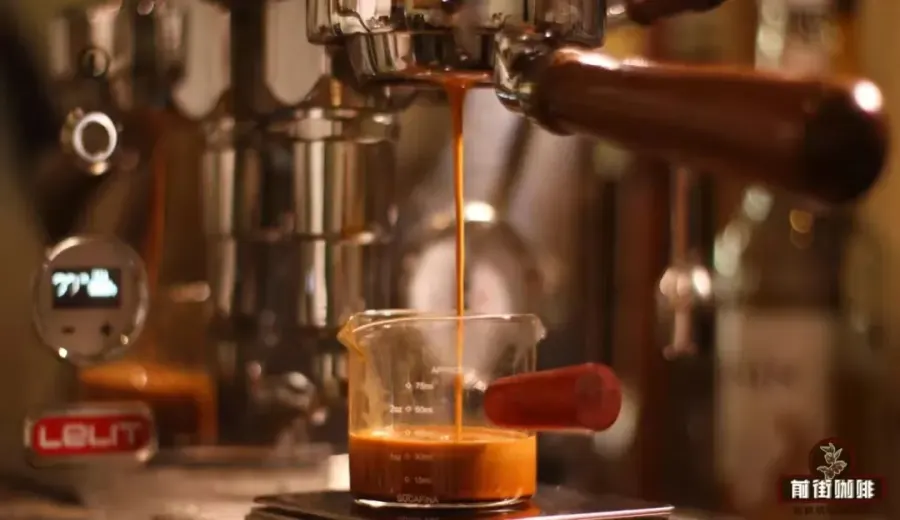
Introduction:Pre-infusion is one of the key features many professional and advanced coffee enthusiasts use to adjust espresso extraction, but its practicality often sparks debate. Exactly how does pre-infusion affect extraction quality? Is it suitable for every type of coffee bean? This article delves into the science behind pre-infusion, exploring how it improves flow rate and reduces channeling, and shows you under what circumstances enabling pre-infusion can significantly enhance extraction performance.
Pre-infusion is a buffer step that an espresso machine performs before the official high-pressure extraction begins. In simple terms, it’s when low pressure or warm water is used to allow the coffee grounds to fully absorb water, release gases, and expand before high-pressure extraction starts. While many users believe they can pull a decent shot of espresso without pre-infusion, in certain situations, this feature can indeed effectively improve extraction stability and flavor balance.
The core principle of pre-infusion isn’t complicated—it’s similar to the blooming stage in pour over coffee, which is meant to "wake up" the coffee grounds, release carbon dioxide, and allow water to penetrate the puck more evenly. When the machine hasn’t yet applied high pressure, using low pressure or static water to moisten the coffee bed first helps the puck maintain a tighter overall structure, reducing flow inconsistency issues during subsequent extraction.
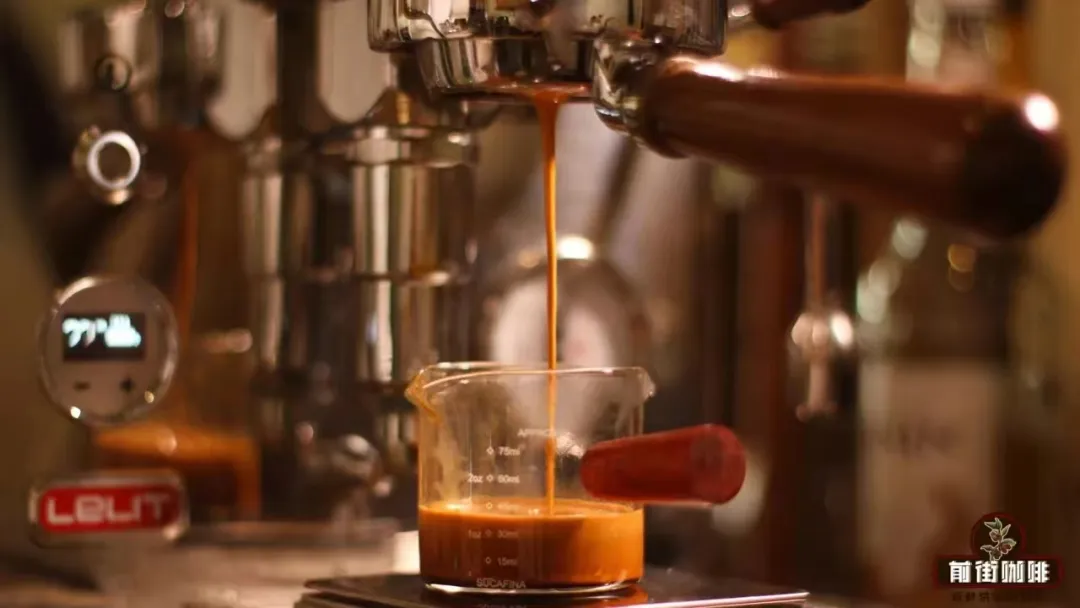
Under high pressure (usually 9 bar), espresso machines do have the ability to overcome the resistance of carbon dioxide and extract rich flavors. However, if the puck itself is unevenly tamped or the beans are in varying conditions, it can still lead to over-extraction in some areas and under-extraction in others. This phenomenon is known as "channeling."
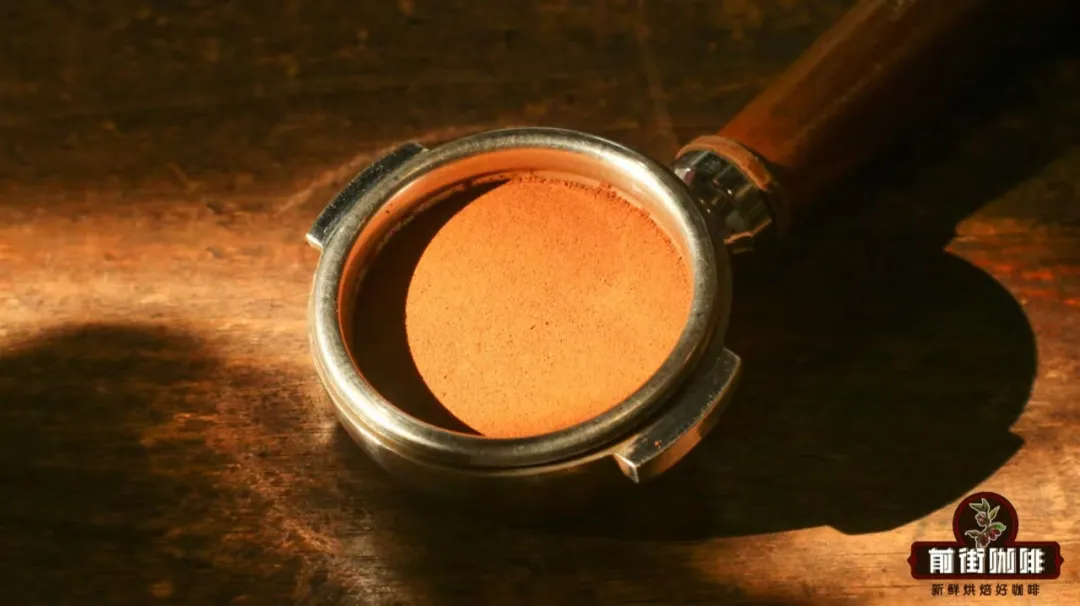
Channeling mainly occurs because certain areas of the coffee puck have lower density, causing water to naturally choose the path of least resistance. As a result, these "shortcut" zones get over-extracted while surrounding areas are under-extracted. The advantage of pre-infusion is that it allows the entire puck to uniformly absorb water and release gases first, so that the subsequent high-pressure water flow penetrates the puck more evenly, effectively reducing the chance of channel formation.
In addition, pre-infusion has another benefit: it makes extraction smoother and can sometimes even allow you to grind finer, further enhancing extraction yield and flavor expression. When the coffee bed is pre-moistened and expanded, the hydrophobic nature of the coffee is reduced, allowing better contact between water and grounds, thereby improving overall extraction efficiency.

So, for which types of coffee beans is pre-infusion suitable? Generally speaking, light-roasted fresh coffee beans are the type that benefit most from pre-infusion. Light-roasted beans are denser and contain more cellular structures and gases. They require a finer grind to increase surface contact, but this can also easily lead to slow flow and difficult extraction. Pre-infusion helps water enter the coffee bed more smoothly, accelerating the extraction flow rate while improving overall extraction uniformity.
In addition, freshly roasted coffee beans contain a large amount of carbon dioxide. Without proper pre-treatment, this can cause unstable flow at the beginning of extraction. Pre-infusion provides a window of time for these gases to be released, avoiding abrupt flow fluctuations during subsequent high-pressure extraction. However, it’s recommended that freshly roasted beans be allowed to degas for a few days first, and only then used with pre-infusion once gas release has reached a certain level, for more stable results.
It’s worth noting that there is no universal standard for pre-infusion parameters, including duration and pressure—these need to be fine-tuned according to your specific espresso machine model, grind size, and bean condition. Generally, a pre-infusion time setting between 5–10 seconds is common, with pressure mostly in the low range of 1–3 bar, though adjustments should still be made based on actual extraction performance.
In summary, although pre-infusion isn’t a feature that must be used in every extraction, when dealing with light-roasted, high-density, or freshly roasted coffee beans, using it properly can lead to more stable flow rates, better extraction balance, and reduced occurrence of channeling. If you want to further refine the quality of your espresso extraction, start by understanding and experimenting with pre-infusion, and gradually find the optimal parameter combination that works best for you.
The above content is compiled by CoffeeHunters, a coffee news website.


