







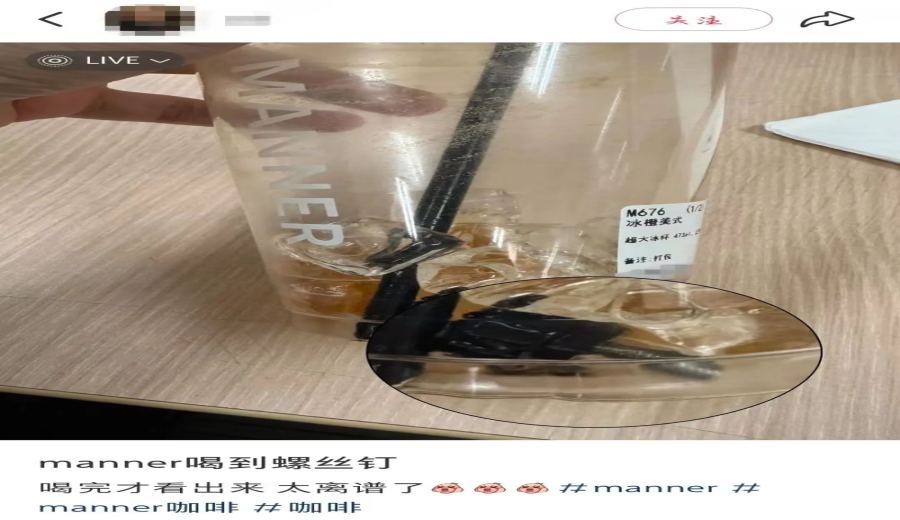
Introduction:A screw was discovered at the bottom of an iced orange Americano, and this food safety incident involving a well-known chain coffee brand has not only sparked discussions about consumer rights but also revealed potential risks stemming from improper maintenance of ice machines. How did the screw end up in the drink? What responsibilities should the brand and its staff bear? This article delves into the equipment management oversights behind the incident and offers practical strategies for consumers who encounter foreign objects in their beverages.
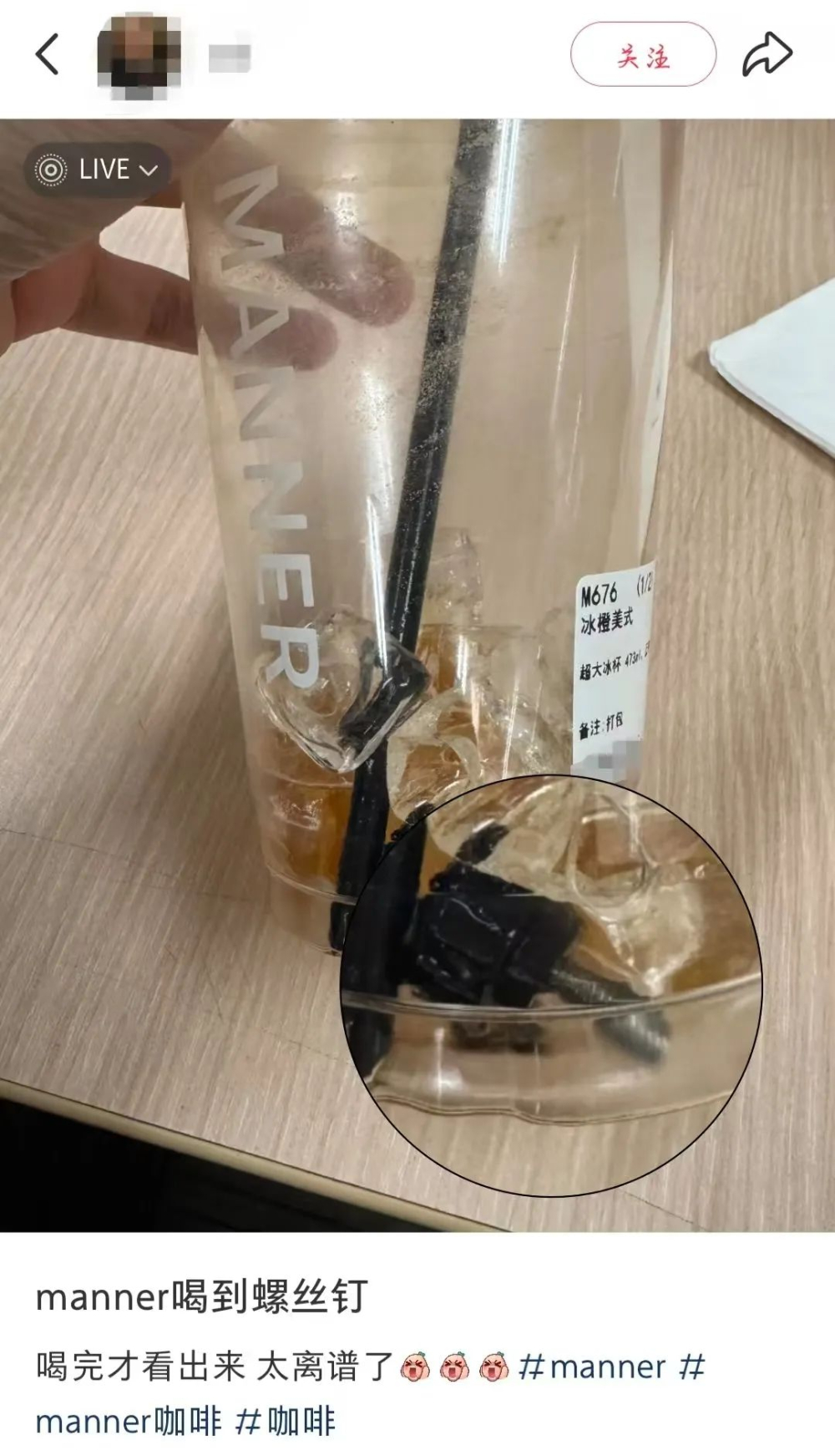
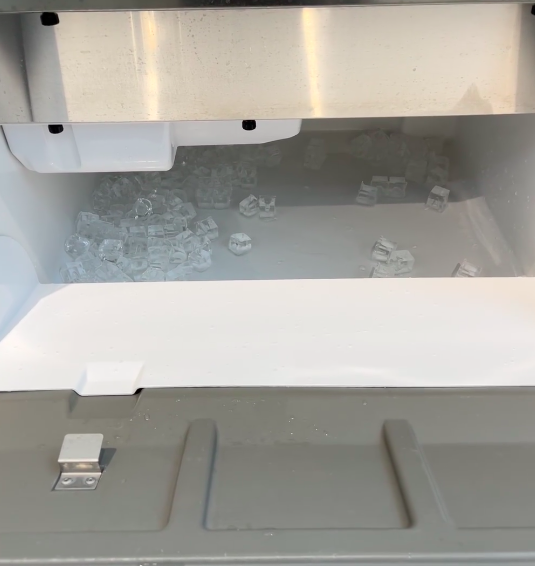
Recently, a customer found a screw at the bottom of an iced orange Americano purchased at a Manner store, and the incident quickly went viral on social media. After an internal investigation by the brand, it was confirmed that the screw likely came from the ice deflector component of the store’s ice machine. It is suspected that the screw was not properly secured during assembly, fell into the ice storage bin, mixed with the ice cubes, and eventually ended up in the customer’s drink.
After the incident came to light, Manner immediately required all stores across Taiwan to inspect the screws on their ice machines and submit photo documentation. According to insiders, the employee involved may face dismissal and a substantial fine, highlighting the brand’s strict approach to quality control. However, this has also sparked online debate over whether the “punishment of the employee was excessive.”
From a technical perspective, the ice deflector in an ice machine is responsible for regulating the flow of ice. If its fixing screws become loose, parts can indeed detach. Industry standard operating procedures require daily pre-shift checks of the ice machine’s operational status and verification of the tightness of all components during weekly deep cleanings. This incident has exposed the possibility that some stores may not be strictly following these maintenance steps.
Public reaction has been polarized: some customers believe this was an unintentional mistake and suggest resolving it through private negotiation to avoid negatively impacting the livelihoods of frontline employees; others stress that the brand is responsible for ensuring beverage safety and that it is entirely reasonable for consumers to seek compensation under the law. Notably, a Manner employee revealed that serious errors like this could indeed lead to immediate dismissal according to company policy, and the fines often exceed a thousand dollars.
For consumer rights protection, experts recommend the following steps: first, preserve the beverage and the foreign object as evidence, then report the issue to the store manager and document the handling process. If no resolution is reached, a complaint can be filed with consumer protection authorities. In practice, most brands will offer solutions such as beverage refunds, discount vouchers, or cash compensation, though the specific amount depends on the severity of the incident and is subject to negotiation.
This incident also serves as a reminder to coffee professionals that regular maintenance of ice machines is crucial. In addition to checking the ice delivery system before daily operations, weekly cleaning should involve using specialized tools to inspect easily loosened parts such as the ice deflector and filter screens, and retightening screws to the manufacturer’s specified torque values (typically 1.5–2.0 N·m) using a torque wrench to prevent loosening due to vibrations.
As of press time, the final resolution between the brand and the consumer has not been made public. Reports indicate that Manner initially proposed compensating the customer with beverage discount vouchers, but the offer was rejected in favor of cash compensation. This case highlights the challenge of balancing consumer rights protection with employee management in food safety incidents and has prompted the industry to re-examine the execution details of equipment maintenance standards.
The above content is compiled by CoffeeHunters, a coffee news website.


