








Introduction:Flat White is a common offering in specialty coffee shops, yet iced versions are rarely available. This is closely related to the thickness of the milk foam and how the coffee's flavor is presented. This article delves into the origin disputes of Flat White, its differences from Latte and Cappuccino, explains why professional coffee shops generally do not offer iced Flat White, and supplements the differences in taste and technique between hot and cold drinks to help you better understand the essence of this classic Italian-style milk coffee.
Can Flat White be made into an iced drink? What exactly does Flat White mean? And what are the core differences between it and Latte or Cappuccino? Starting with the origin and naming controversy of Flat White, this article helps you understand the characteristics of this globally popular Italian-style milk coffee in terms of cup size, milk foam thickness, and overall flavor profile. It further analyzes why most specialty coffee shops do not offer iced Flat White and provides practical information to help you appreciate the charm of this classic coffee more deeply.
 Many coffee enthusiasts may notice that although there are numerous popular coffee options on the market, only a few consistently appear on the daily menus of professional coffee shops. Drinks like espresso, Dirty, or Flat White, though highly discussed on social media or online, are not necessarily regular menu items. If you're interested in these drinks, it’s recommended to try making them via pour over or experiment at home with suitable beans—often yielding a flavor closer to your ideal expectation.
When selecting beans to make Dirty, it’s advisable to prioritize medium-to-dark roasted blends or single-origin beans (SOE). These types of beans typically have rich caramel aromas and a full-bodied mouthfeel, which contrast well with sweet milk and maintain a lingering aftertaste. For those seeking stable performance and high cost-performance, consider classic blends with thick crema, offering notes of roasted nuts and butter. If you prefer to explore the unique character of a single origin, Queen Estate SOE or Indonesia Sumatra Golden Mandheling SOE are also great choices—these beans exhibit distinct chocolate and caramel tones when paired with milk, providing a strong flavor contrast.
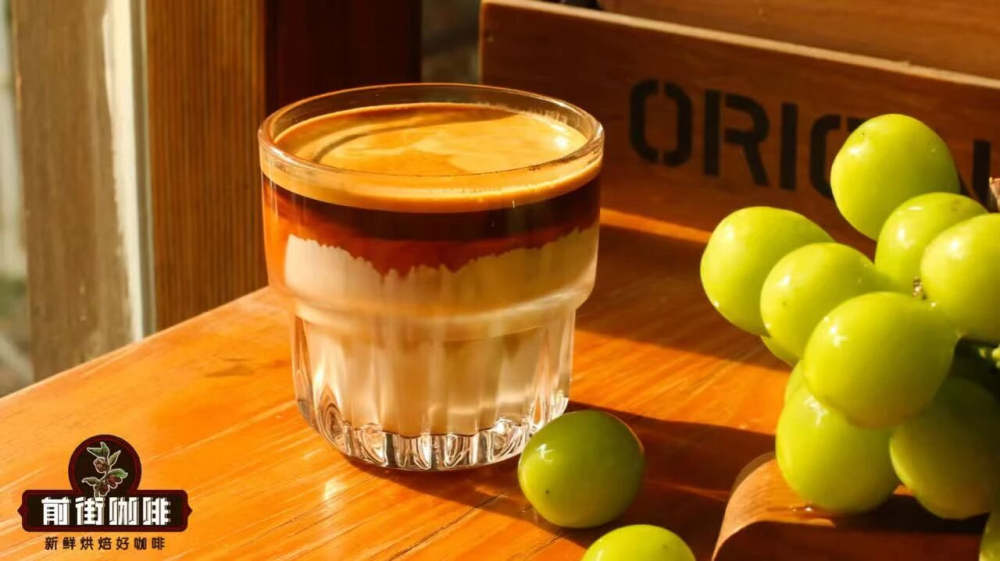 However, for the average consumer, these professional terms and details may add difficulty to the selection process and can sometimes lead to special requests—such as "iced Flat White" or "hot Dirty." Yet, such orders are often turned down by baristas. Many customers then wonder: “I get that Dirty isn’t suitable as a hot drink, but why is there no iced Flat White?”
In fact, the answer is closely tied to the inherent characteristics of Flat White. To understand why Flat White is generally only offered hot, one must first grasp its origin background and basic traits. Flat White is a coffee beverage shrouded in regional controversy—it is said to have originated in either Australia or New Zealand, with both places laying claim to its invention. Some say it was Australians’ preference for thinner milk foam that gave rise to this milk coffee, setting it apart from Latte and Cappuccino. Others believe it resulted from historically lower milk fat content, which made it impossible to produce thick foam, thus inadvertently creating the flat foam style. There are even anecdotes of a barista’s mistake leading to the creation of a classic. Regardless, the name and preparation method of Flat White still vary around the world, adding to its intrigue as a topic of discussion.
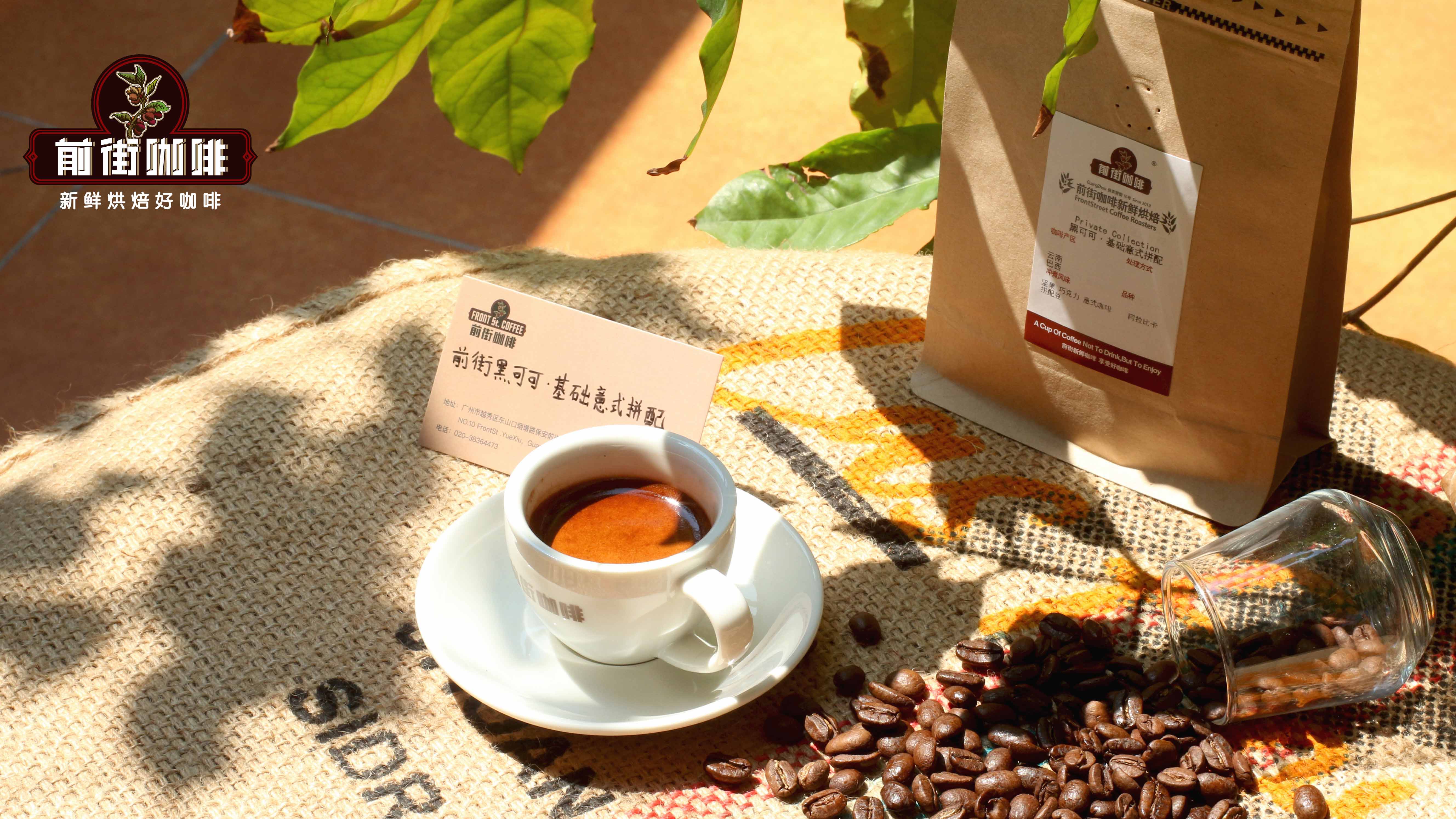 Focusing back on the drink itself, the commonly seen Flat White today usually comes in a cup size of 180–200 milliliters—slightly smaller than a Latte—with milk foam thickness controlled at below 0.5 centimeters, and some specialty shops even go thinner. With less foam, the flavor of the coffee itself becomes more pronounced, resulting in a smoother and more uniform mouthfeel. Compared to Cappuccino, Flat White has a lighter milk foam. With the same cup size, it doesn’t overpower the coffee flavor like a Cappuccino’s thick foam nor mask bitterness like a Latte with higher milk content. That’s precisely why the core spirit of Flat White is “emphasizing coffee flavor while maintaining a smooth texture without being overly bitter.”
As for why iced versions of Flat White are seldom introduced, besides its historical existence only as a hot drink, the key reasons lie in the “characteristics of the milk foam” and “temperature performance.” The name Flat White, if translated literally, means “flat white”—“Flat” refers to the flat, thin milk foam, and “White” denotes the white color from added milk. In other words, its most distinctive feature is this ultra-thin layer of foam, which is unique among what is commonly referred to as white coffee (milk coffee) in other regions.
 In its hot form, the thickness of the milk foam directly affects the overall mouthfeel and richness of the coffee. Thin foam blends seamlessly with the coffee liquid, delivering a smoother, richer drinking experience while also enhancing the expression of the coffee itself. However, when served iced, the foam is usually frothed separately and added afterward, failing to integrate naturally with the coffee liquid, thereby losing the tactile sensation and layered feel provided by the foam in hot drinks. That’s why, aside from Cappuccino—which is known for its thick foam—there are very few iced versions of Latte or Flat White in specialty coffee shops.
Additionally, if Flat White were made into an iced drink, it would be nearly indistinguishable from a small-sized, foamless iced Latte. Among the many iced drink options, iced Latte, Dirty Coffee, and others already offer a wide array of similar products. Lacking distinctive features, an iced Flat White naturally struggles to stand out in the market. Therefore, whether viewed from the perspective of drink characteristics, technical limitations, or consumer experience, it becomes understandable why specialty coffee shops generally do not offer iced Flat White.

The above content is compiled by CoffeeHunters, a coffee news website.


