







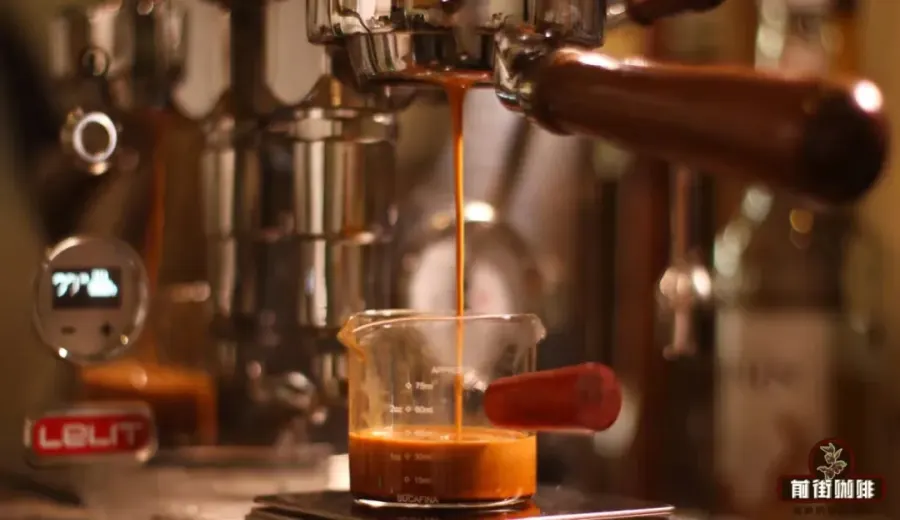
Introduction:Water temperature is not just a fundamental variable that affects coffee extraction—it’s also the key to controlling the flavor of espresso, the texture and flow rate of the crema. Mastering the subtle relationship between water temperature and extraction efficiency allows you to brew espresso that is smoother and richer in crema. This article delves into how water temperature influences crema thickness, flow rate, and overall extraction performance, helping you fine-tune your coffee parameters more precisely.
During the coffee extraction process, water temperature is a core variable that cannot be overlooked. It not only determines the release rate of flavor compounds but also plays multiple roles in pressurized espresso extraction. The right water temperature can make the extraction process more efficient, affecting not only the extraction yield but also altering the release rhythm of carbon dioxide, which in turn influences the texture and thickness of the crema, and even impacts the overall flow rate.
Many baristas or coffee enthusiasts tend to overlook the profound impact of water temperature on extraction efficiency when adjusting espresso parameters. Generally speaking, as water temperature increases, the dissolution rate of flavor substances speeds up, meaning more and richer compounds are extracted; conversely, when water temperature decreases, the dissolution capacity declines, which may lead to under-extraction, resulting in a lighter or overly sour coffee flavor.
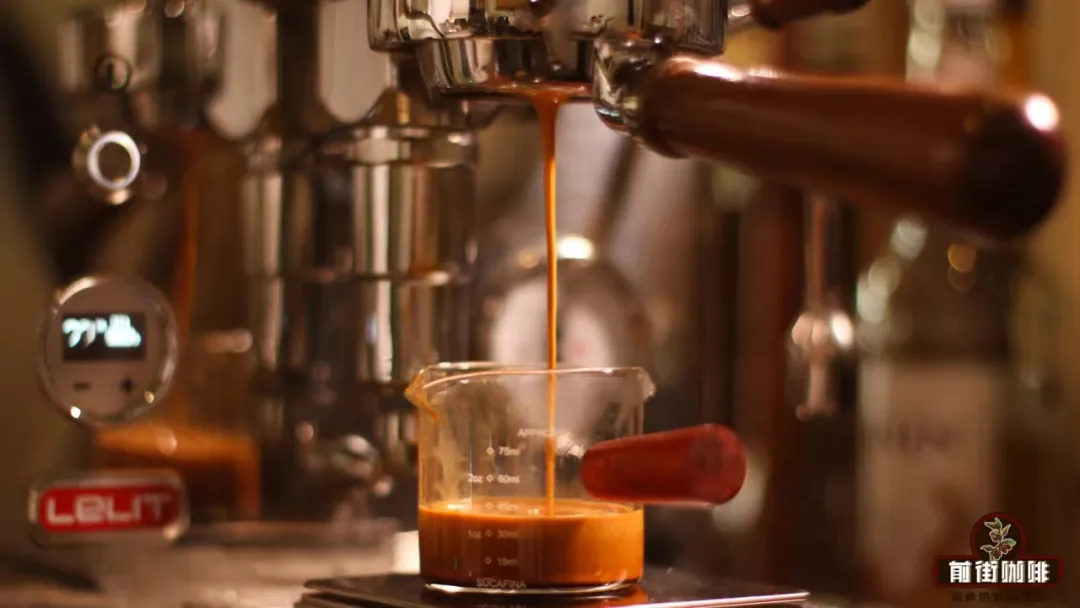
However, in pressurized extraction—a relatively “intense” brewing method—the influence of water temperature goes beyond just flavor extraction. In addition to altering extraction efficiency, water temperature also indirectly affects the flow rate of the coffee liquid and the formation state of the crema layer, especially under high pressure, where the behavior of carbon dioxide release can vary with water temperature.
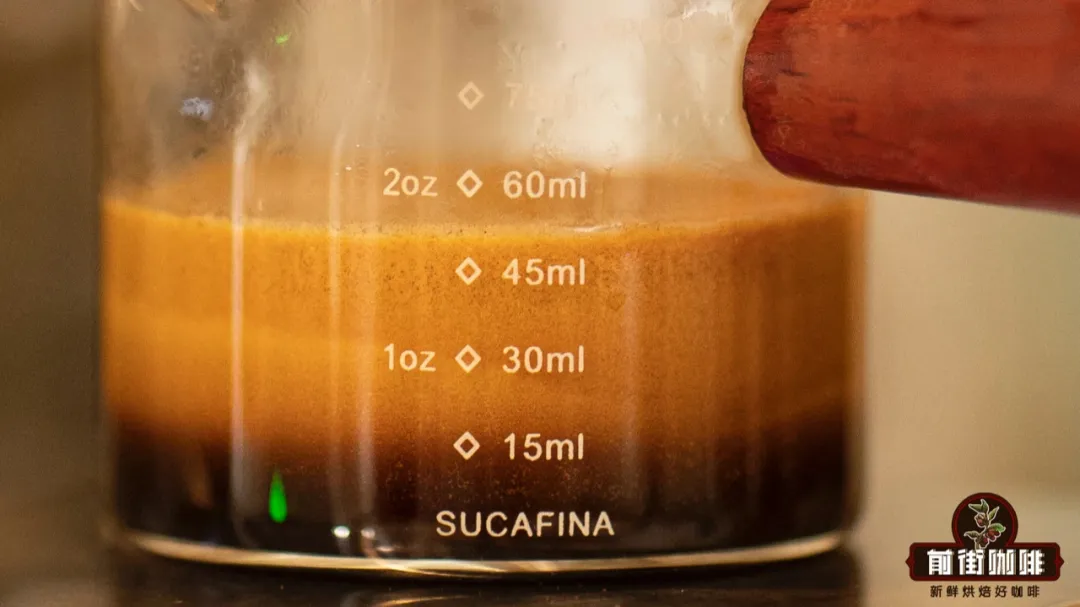
For example, when analyzing the hardening of espresso crema, one phenomenon has been observed: when extraction parameters are too efficient—meaning the conditions cause carbon dioxide to be released in large quantities within a very short time—the crema layer becomes thicker and more voluminous. One of the driving factors behind this phenomenon is the setting of water temperature.
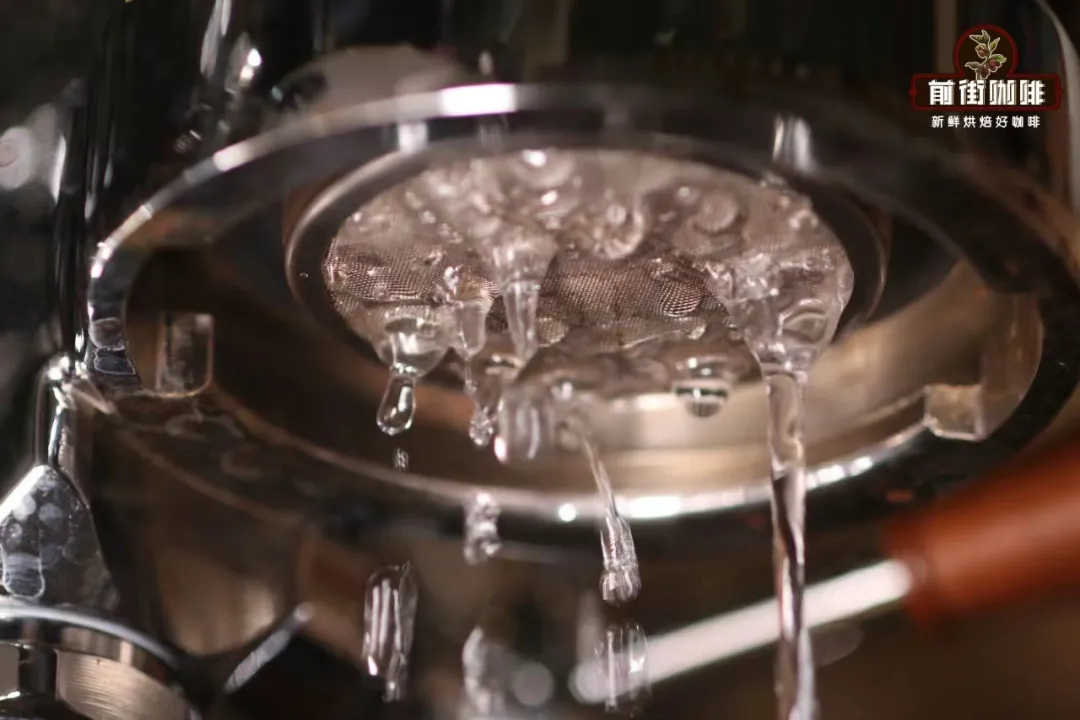
When the water temperature is on the higher side, the carbon dioxide released during extraction may push the liquid through the coffee puck more quickly, causing a faster flow rate. At the same time, it may also carry out some flavors before they have fully dissolved, affecting the overall balance. On the other hand, when the water temperature is lower, the release of carbon dioxide slows down, potentially making the extraction process sluggish, reducing the flow rate, and thereby affecting the formation and stability of the crema.
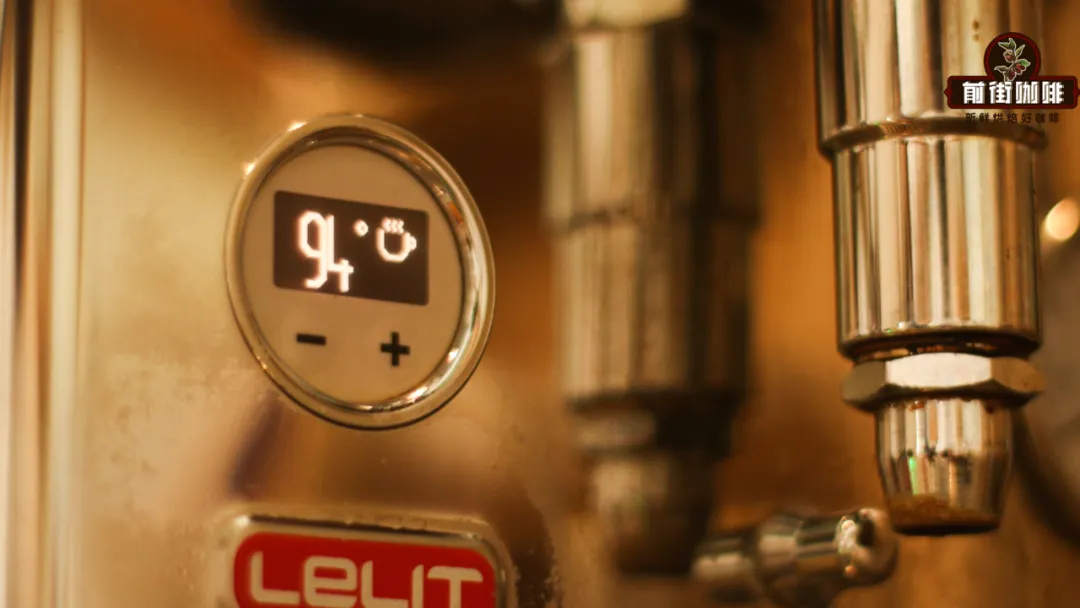
Therefore, adjusting water temperature is not just about achieving a certain specific flavor, but also about controlling the rhythm of the entire extraction process. In practice, it is recommended to fine-tune the water temperature based on the roast level, grind size, and dosage of the coffee beans used. Generally, lighter roasts, which contain more acidic and aromatic compounds, benefit from slightly higher water temperatures to fully extract their delicate aromas; whereas darker roasts are better suited to slightly lower water temperatures to avoid over-extracting bitter, burnt notes.
In addition, changes in flow speed also serve as one of the indicators for judging whether the water temperature is appropriate. If you notice that the coffee liquid flows out too quickly during extraction, it may be due to a high water temperature or too coarse a grind, causing carbon dioxide to be released rapidly; if the flow is too slow or even clogged, it may be because the water temperature is too low or the grind is too fine, creating excessive resistance.
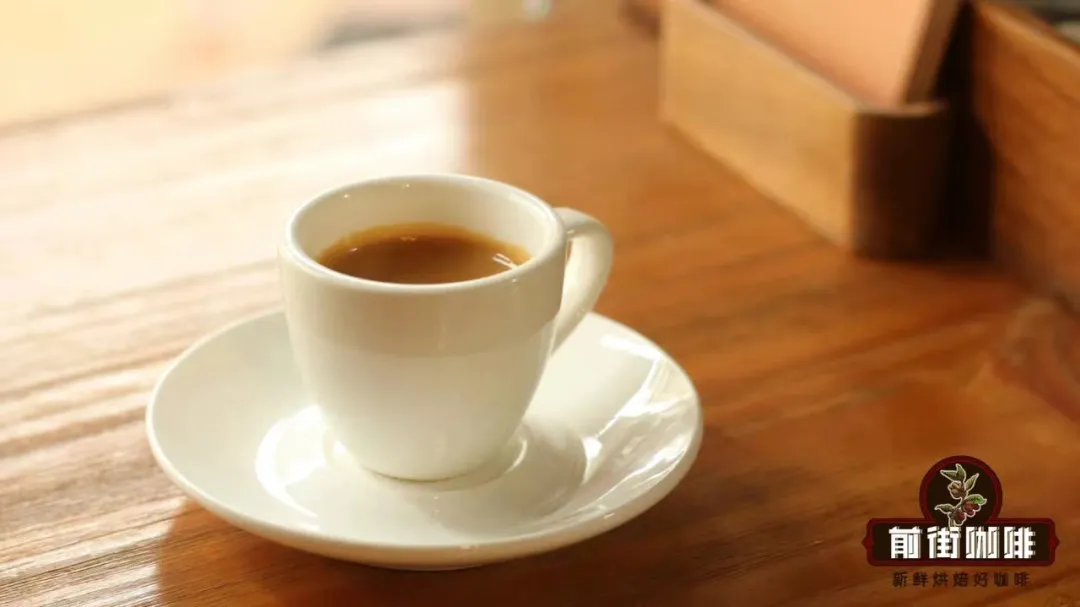
In summary, water temperature is a crucial element in espresso preparation that links extraction efficiency, crema generation, and flow rate performance. Understanding the interplay between these variables can help you adjust water temperature more accurately in your daily brewing, thereby improving the quality and consistency of each shot of espresso. Whether you’re a professional barista or a coffee enthusiast who loves pour over and espresso, mastering the techniques of using water temperature can bring you closer to the ideal coffee extraction.
The above content is compiled by CoffeeHunters, a coffee news website.


