







Introduction:Since the start of this summer, many parts of the world have experienced persistent high temperatures, with abnormal rises in sea temperature posing severe challenges to crops. From Vietnam to Brazil, multiple major coffee-producing regions have reported consecutive production declines, leading to a tightening of global supply and a surge in coffee prices. However, amid the gloom, Colombia has delivered an impressive production performance. This article provides an in-depth analysis of the impact on major producing regions and future price trends, helping you stay updated on the latest market developments.
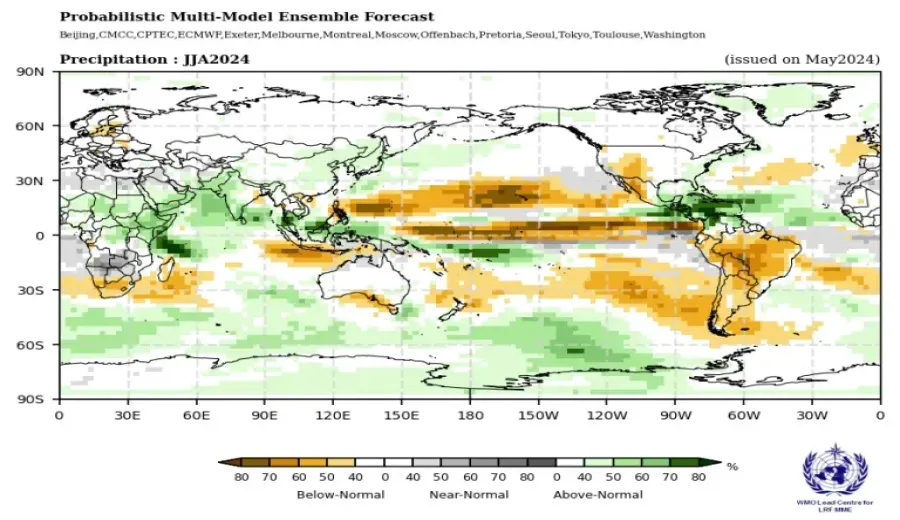
As summer arrived, abnormal global climate conditions have persisted, with many countries near or within tropical zones continuing to suffer from extreme heat. Some areas have even seen dry weather rarely witnessed in the past decade, significantly affecting agriculture—especially coffee cultivation, which demands stringent climatic conditions. Apart from parts of the eastern equatorial Pacific, most of the world’s ocean surface temperatures have been higher than historical averages, further exacerbating land heat and posing serious challenges to sensitive crops like coffee.
Among the many affected regions, Vietnam’s situation is particularly dire. This year, Vietnam has faced its worst drought in nearly a decade, especially in its main coffee-growing areas, where prolonged lack of effective rainfall has hindered coffee tree growth and even caused irreversible damage. Although some farmers have attempted to stabilize yields through irrigation and other methods, the results have been limited. According to Vietnamese customs data, the country exported only 1,170,033 bags (each 60 kg) of coffee in June 2024, a sharp 11.5% drop from May and far below the government’s original estimate of 1.42 million bags. Local agricultural authorities have also stated that due to reduced output and rising domestic demand, Vietnam’s domestic coffee bean stockpiles are now almost depleted.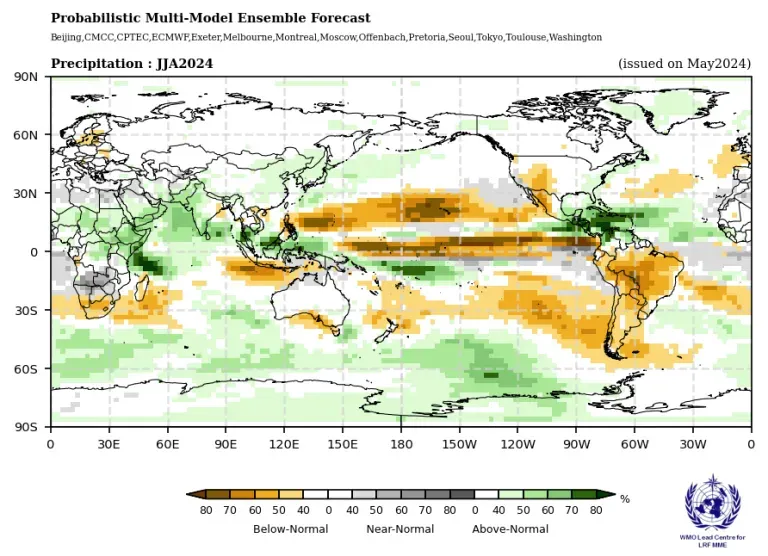
Neighboring Indonesia is facing similar challenges. Since the beginning of this year, the country has been hit by a series of natural disasters including floods, landslides, and volcanic eruptions. While the weather has recently improved slightly, coffee-growing regions continue to suffer from the lingering effects of the 2023 drought, resulting in slow recovery of production capacity. In addition, as domestic coffee consumption rises, the amount available for export has declined, leading to overall export performance that falls short of expectations.
In the Americas, Brazil—the world’s largest coffee producer and exporter—has not been spared from the impact of extreme weather. Due to the combined effects of high temperatures and drought, some coffee farms are yielding only about 30% of market expectations, with overall production projected to be 10% to 15% lower than originally estimated. More worryingly, the coffee beans produced this year are generally smaller in size, affecting subsequent roasting and flavor profiles.
Meanwhile, the situation in Mexico is also bleak. According to local media reports, approximately 80% of coffee-growing areas have been affected by severely insufficient rainfall, with the 2024/25 harvest expected to potentially decrease by as much as 50%. In the key growing state of Chiapas, both Arabica and Robusta varieties have experienced stalled berry growth due to ongoing drought, putting coffee crops—currently in critical growth stages—under serious threat.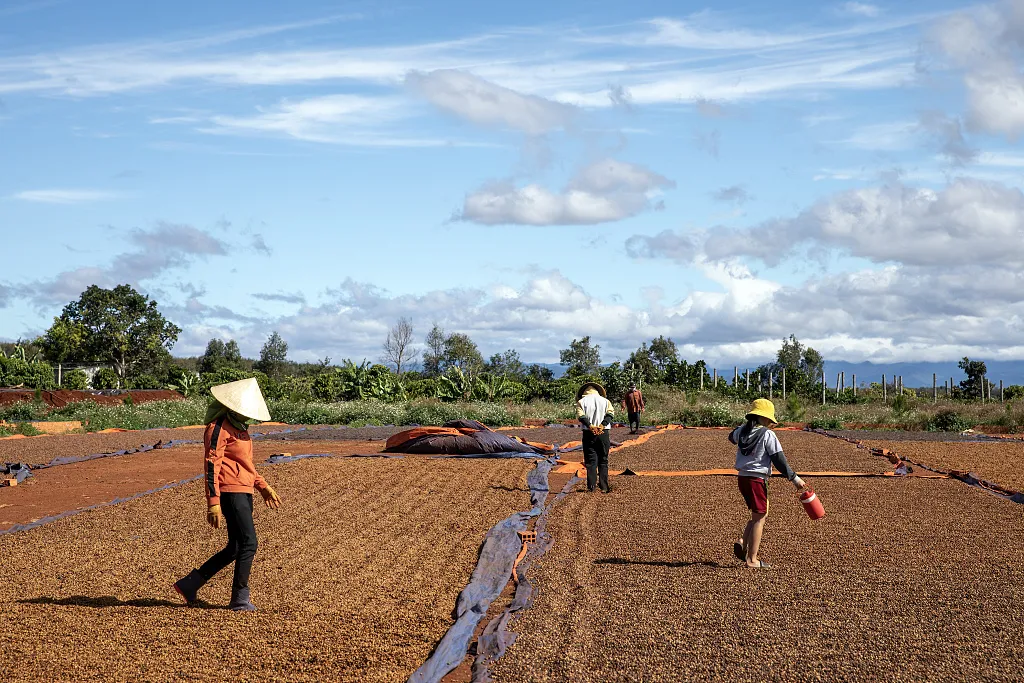
However, amid the wave of production declines, Colombia has brought some surprising good news. According to statistics from the National Federation of Coffee Growers of Colombia (FNC), the country’s coffee production in June 2024 reached 1.17 million bags, marking a 23% increase compared to the same period last year and a 4.6% rise from May. The cumulative production in the first half of this year reached 5.82 million bags, reflecting a 16% year-on-year growth rate—the best performance in nearly three years—and providing a stabilizing force for the global coffee supply market.
Despite Colombia’s outstanding performance, the overall market still faces supply shortages due to production declines in multiple countries. According to data released by the International Coffee Organization (ICO), the global composite coffee price index averaged 226.83 US cents per pound in June 2024, an 8.9% increase from May, with spot prices for all types of coffee generally rising. Industry experts point out that if La Niña weather patterns emerge in the future, they could further exacerbate climate instability, leaving room for continued global coffee price increases. Both consumers and traders should closely monitor market dynamics.
The above content is compiled by CoffeeHunters, a coffee news website.


