







Introduction:The 2024 Atlantic hurricane season has been officially assessed by U.S. authorities as "extremely abnormal," with hurricane activity potentially reaching up to three times the frequency and intensity of previous years, posing serious challenges to the flowering and harvesting periods of Central American coffee-growing regions. This article delves into the actual impacts and potential disaster chains caused by the first Category 5 hurricane of the season, Beryl, as well as how hurricanes in past years have disrupted global coffee supply and price trends, helping traders and coffee enthusiasts stay on top of market movements.
The 2024 Atlantic hurricane season has been classified by the U.S. National Oceanic and Atmospheric Administration (NOAA) as being at an "extremely abnormal" level, with the predicted risk level possibly reachingthree timesthat of normal years. This not only indicates an increase in the potential number of hurricanes but also means that the intensity and destructive power of the storms should not be underestimated. As early as early June, NOAA issued a warning that this season would enter its peak period starting in June, and that the weather systems would behave in a "very atypical" manner.
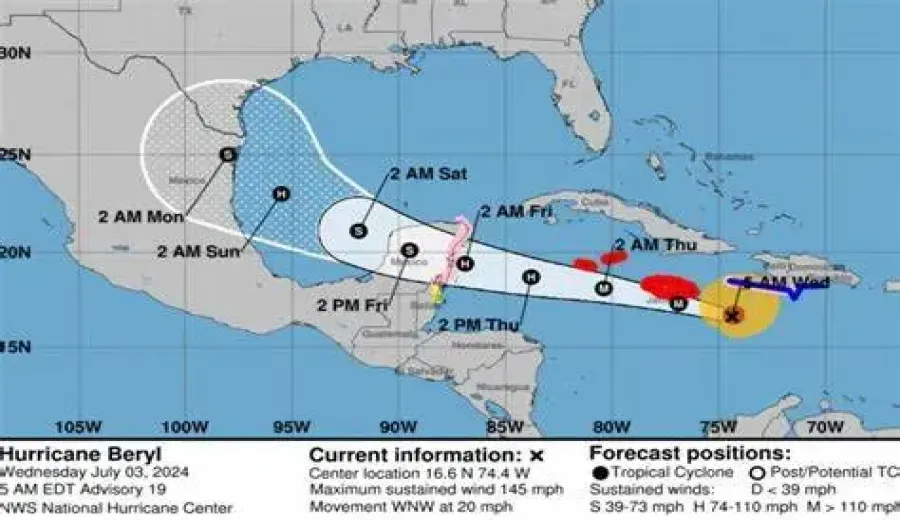
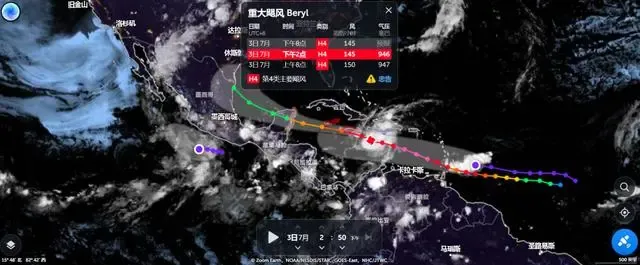
By July, the first named Category 5 hurricane, Beryl, quickly formed and swept through the Caribbean region with astonishing force. According to observations from the U.S. National Hurricane Center, Beryl at one point reached peak intensity with sustained winds of 169 miles per hour (approximately 272 kilometers per hour), causing significant damage in countries such as Jamaica, Haiti, and the Dominican Republic, where local coffee farms and transportation infrastructure are under serious threat.
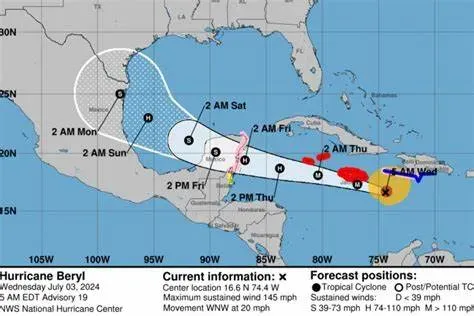
Strong winds and concentrated rainfall not only directly devastated crops but also triggered secondary disasters such as flash floods and landslides. In most parts of Jamaica and southern Haiti, extreme rainfall has led to life-threatening floods, with many coastal roads washed out and local power supplies potentially disrupted. The Jamaican government has officially declared a state of national disaster to address the continuously deteriorating situation.
At the same time, the rainbands of Hurricane Beryl also affected Sucre State in northeastern Venezuela, resulting in widespread flooding, with at least three people killed, four missing, and more than 8,000 homes damaged, over 400 of which collapsed completely. These disasters will indirectly affect regional transportation and logistics, posing potential obstacles to the import and export channels of coffee beans.
Although current hurricane path predictions indicate that Beryl will make landfall on Mexico’s Yucatán Peninsula and then move further toward southern Texas, the main coffee-growing areas of Mexico are concentrated in the south and thus appear to have avoided a direct hit. However, it cannot be ignored that if surrounding infrastructure is damaged, it could still trigger a domino effect on the overall Central American coffee supply chain. Port shutdowns, road disruptions, and labor shortages could all delay the harvesting and exporting schedules of coffee beans.
Looking back to 2020, two consecutive powerful hurricanes, Eta and Iota, dealt a historic blow to coffee-growing regions across multiple Central American countries. These two storms struck right during the coffee tree flowering and harvesting periods, not only causing a significant reduction in production for that season but also, due to damaged roads and ports, preventing large quantities of coffee beans from being exported in a timely manner, which in turn drove fluctuations in international coffee bean prices.
Generally speaking, coffee-growing areas in Central America enter the flowering stage between May and June each year, while the main harvesting period occurs from October to January of the following year. If these two critical stages are hit by hurricanes, not only can strong winds and heavy rains cause flowers to fall or fruits to be damaged, but the harvesting operations can also become difficult to carry out. Additionally, if port facilities are damaged, it can severely delay the export process, creating a ripple effect on the global coffee supply.
NOAA further predicts that due to abnormal climate patterns, Atlantic hurricane activity this year will be more frequent and intense compared to previous years. Historically, there are about 14 named storms per year on average, but in 2024, the number is expected to increase to between 17 and 25, including many high-intensity hurricanes. The agency has called on governments and related industries to deploy disaster prevention measures in advance to reduce potential agricultural and economic losses.
For coffee importers, roasters, and consumers, closely monitoring the dynamics of the hurricane season not only helps understand the reasons behind market price fluctuations but also allows for early responses to potential supply shortages. From a risk management perspective, strategies such as sourcing from multiple producing regions, establishing safety stock, and understanding the harvesting and exporting schedules of each region are all important for stabilizing the supply chain.
The above content is compiled by CoffeeHunters, a coffee news website.


