








Introduction:Learn the pre-infusion techniques before espresso extraction, and master how to improve coffee flavor stability and extraction efficiency through low-pressure water injection and proper soaking. This article delves into the principles of pre-infusion, compares it with the bloom step in pour over brewing, and provides practical operational advice to help you achieve stable extraction manually—even without a machine that has built-in pre-infusion functionality.
In the process of pour over brewing, blooming is a key step that releases carbon dioxide and paves the way for subsequent extraction. So, in high-pressure espresso extraction, can a similar method also enhance overall extraction quality? The answer is—pre-infusion. This common yet often overlooked step can bring more consistent performance to your espresso shots.
Pre-infusion refers to the process of injecting hot water into the coffee puck at a lower pressure before the formal extraction at 9 bar or higher. Then, water supply is paused to allow the puck to soak briefly, after which normal high-pressure extraction resumes. This simple action helps with early degassing and even saturation, much like the blooming step in pour over, but adapted as a preparation phase before high-pressure extraction.
In pour over brewing, the primary purpose of blooming is to release carbon dioxide from the coffee grounds, enabling subsequent water to penetrate more smoothly and extract more flavor compounds. Traditional espresso, however, skips the blooming step and directly “presses out” the essence of the coffee with high-pressure hot water. While this seems efficient, it can easily lead to uneven extraction due to insufficient degassing.
So what changes if we add a low-pressure pre-infusion step before this high-pressure extraction? In fact, many professional baristas have already incorporated this step in their shop practices and observed significant improvements in extraction quality. Pre-infusion is not just about “imitating pour over”—it’s about providing more detailed preparation tailored to the characteristics of high-pressure extraction.
One of the core values of pre-infusion lies in increasing extraction yield. Fresh coffee beans contain a large amount of carbon dioxide, which, if not released first, will hinder full contact between hot water and coffee grounds, resulting in incomplete aroma release, coarse crema texture, or even under-extraction. By degassing in advance through pre-infusion, subsequent high-pressure extraction can more effectively draw out soluble substances, leading to fuller flavors and smoother mouthfeel.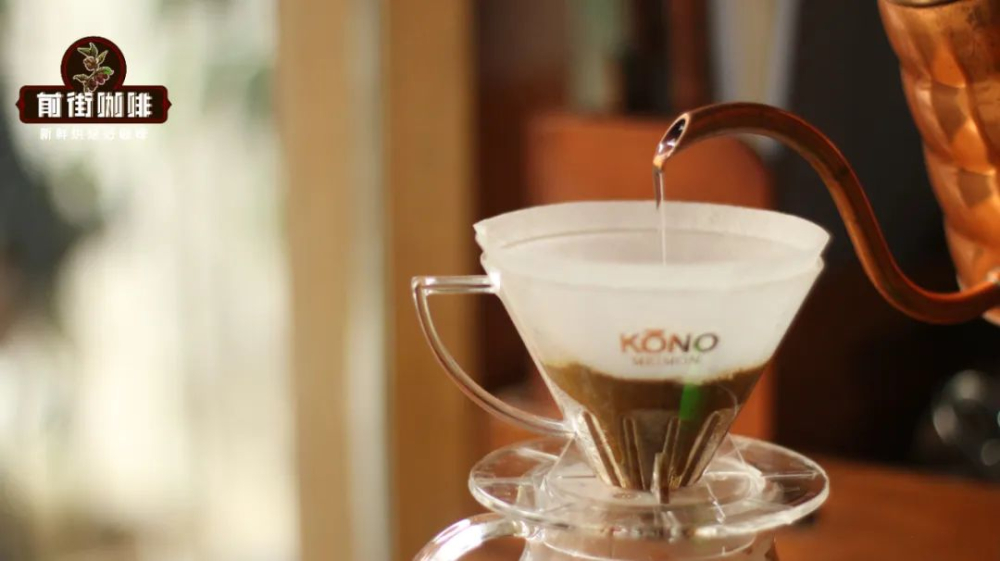
Another important function is suppressing channeling. During high-pressure extraction, if the coffee is unevenly distributed or tamped inconsistently, water tends to break through at the path of least resistance, creating “channels.” This leads to over-extraction in some areas and under-extraction in others. Pre-infusion allows the coffee grounds to expand first in low-pressure hot water, making the puck firmer and more uniform, effectively reducing the chance of channel formation, and resulting in more stable and balanced extraction.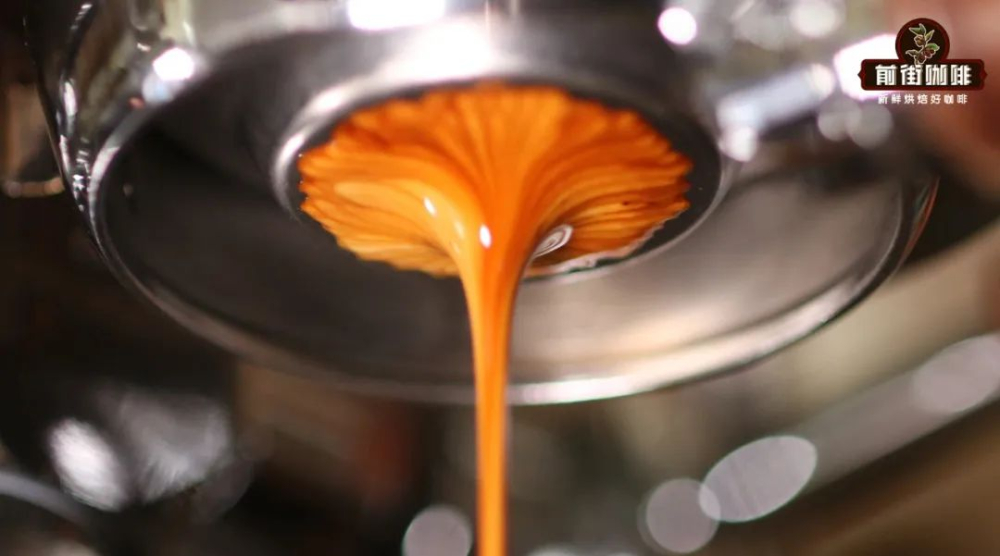
It’s worth noting that pre-infusion does not entirely rely on machine functionality. Most home or commercial espresso machines do not come with a built-in one-touch pre-infusion mode, so manual operation is required to achieve it. In practice, the pre-infusion stage typically uses low-pressure or no-pressure water injection to avoid high-pressure directly impacting the coffee bed, which could cause the puck to loosen and worsen channeling.
The duration of the soaking can be flexibly adjusted based on the freshness of the coffee beans. Generally speaking, the fresher the beans, the more carbon dioxide they contain, so a pre-infusion time of 5 to 10 seconds is recommended to ensure sufficient degassing. For darker roasts that have been stored for a while and have completed their “degassing period,” since carbon dioxide release has already stabilized, the effect of pre-infusion becomes less significant, and it may even be skipped to go straight into the main extraction phase.
In summary, pre-infusion is a simple yet highly effective technique. Whether you’re a professional barista or a home brewing enthusiast, mastering this skill can enhance the stability and consistency of each extraction. Even without a machine that has automatic pre-infusion features, understanding the principles and operational essentials allows you to achieve similar results manually, ensuring every shot of espresso showcases its best flavor.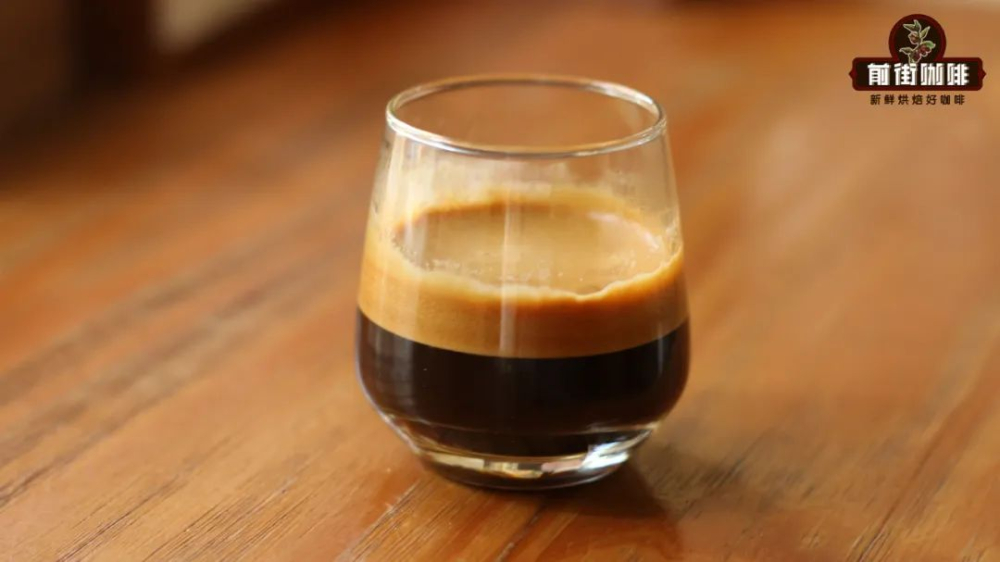
The above content is compiled by CoffeeHunters, a coffee news website.


