








Introduction:When brewing pour over coffee, water temperature is one of the key factors that influence flavor expression. Many coffee enthusiasts often wonder whether the difference between 91°C and 93°C is really that significant? Based on actual test data, under the same extraction parameters, even a 2°C difference in temperature can noticeably affect the acidity-sweetness balance, layering, and body of both light and dark roasted beans. This article compares four cups of coffee to analyze water temperature selection techniques and help you precisely control your brew’s flavor profile.
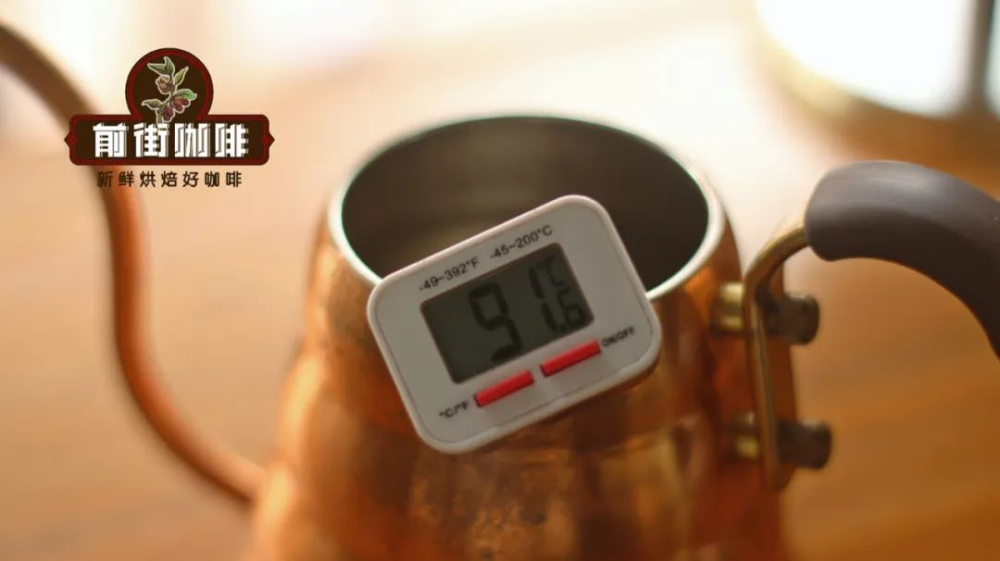
Should you use 91°C or 93°C for pour over coffee? Does such a seemingly minor temperature difference have the power to alter the overall flavor of a cup? This is a question many beginners and experienced coffee drinkers have asked. In fact, when sharing pour over extraction parameters, professional shops typically provide a range of temperatures rather than a single exact number. For example, for medium-light roasted beans, a common recommendation is 91°C to 93°C; for dark roasted beans, it usually falls between 86°C and 88°C.
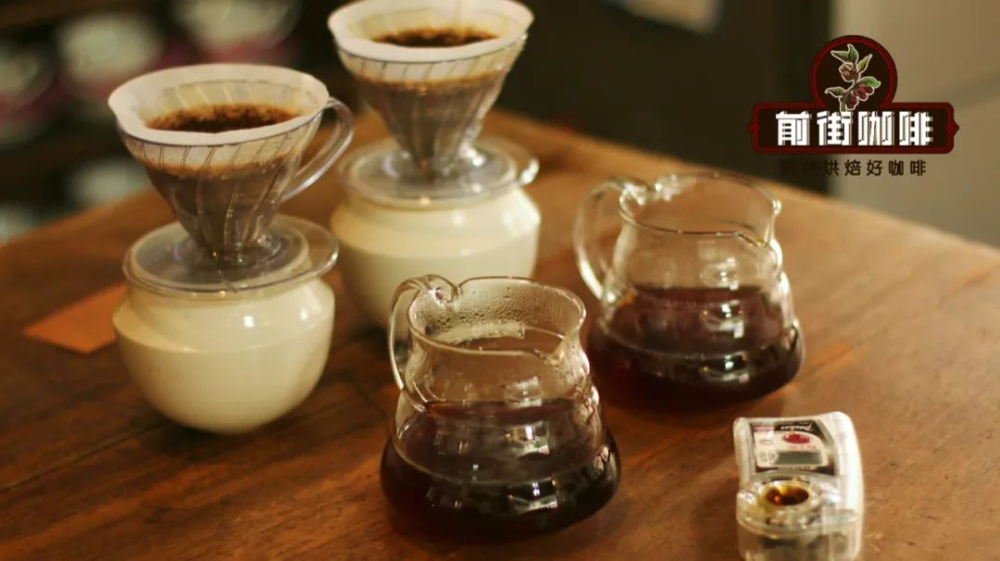
But does this mean any temperature within this range will yield similar results? Especially when the difference reaches 2°C to 3°C, does the coffee’s performance remain consistent? To verify this, we designed an experiment: using the lowest and highest recommended temperatures, we brewed a light roasted Ethiopian Yirgacheffe (from the Gutingding processing farm) and a dark roasted Brazilian Queen Estate, resulting in four coffee samples in total. Each brew strictly controlled the dose (15g), brew ratio (1:15), grind size, and a three-stage pouring method. We also meticulously measured concentration, calculated extraction rate, and conducted systematic flavor evaluation and analysis.

The experiment was divided into two main groups: the light roast group used Yirgacheffe, brewed at 91°C and 93°C respectively; the dark roast group featured Brazilian Queen Estate, brewed at 86°C and 88°C. The brewing parameters for all samples were as follows—Light roast group: 15g dose, 1:15 brew ratio, 20-mesh sieve 80% extraction rate (ek43s 10-click), using a V60 filter and a three-stage method; Dark roast group: 15g dose, 1:15 brew ratio, 20-mesh sieve 75% extraction rate (ek43s 10.5-click), using a KONO filter with the same three-stage brewing technique.
After testing concentration and extraction rate, we observed the following: compared to the lowest temperature, the highest temperature resulted in a 0.04% higher concentration and a 0.56% increase in extraction rate for the light roast group; for the dark roast group, there was a 0.05% increase in concentration and a 0.7% rise in extraction rate. Though these figures may seem small, they led to distinctly different sensory experiences during actual tasting.
First, observing the light roast group (Gutingding Yirgacheffe): at both 91°C and 93°C, both cups exhibited clear citrus notes, with soft and well-balanced lemon acidity. However, when the temperature was raised to 93°C, the sweetness became more pronounced, the overall layering richer, the flavor approached a tea-like quality, and the aftertaste was longer and smoother. In contrast, the cup brewed at 91°C was slightly more reserved, with less prominent sweetness and layering.
For the dark roast group (Brazilian Queen Estate), both cups at 86°C and 88°C showcased delightful nutty and creamy flavors. But upon closer tasting, the 86°C cup had a faint hint of acidity in the hotter phase, with an overall taste leaning toward a clean and refreshing profile, suitable for those who prefer lighter flavors; the 88°C cup, on the other hand, delivered a fuller body with more rounded sweetness, though it occasionally revealed a touch of smokiness in the hotter stage, adding a unique complexity.
These flavor differences mainly stem from how water temperature affects the extraction efficiency of various soluble flavor compounds in coffee. Simply put, the higher the temperature, the faster aromatic and soluble substances are released from the coffee, and the more active these compounds become, leading to a more thorough extraction. Therefore, for most medium-light roasted beans, we recommend brewing at 91°C, which not only stabilizes extraction but also reduces the risk of flavor imbalance caused by temperature fluctuations. Of course, there are exceptions depending on bean characteristics—for instance, using the same parameters, brewing Kenyan beans at 93°C can highlight more pronounced layering and a solid acidity profile.
As for dark roasted coffees, such as Indonesian Mandheling, Blue Mountain, or Brazilian Queen—beans that emphasize a full body and long-lasting aftertaste—we do not recommend using excessively high temperatures. Keeping the water between 86°C and 88°C effectively avoids over-extraction of bitter compounds while preserving their inherent richness and sweetness, making each sip smoother and more enjoyable.
In summary, choosing the right water temperature for pour over coffee isn’t one-size-fits-all—it requires fine-tuning based on the bean’s roast level, flavor profile, and personal preference. Through this experiment, we not only verified the real impact of a 2°C temperature difference on flavor, but also provided a more precise reference, enabling every coffee lover to adjust their brewing conditions according to their own needs.
The above content is compiled by CoffeeHunters, a coffee news website.


