







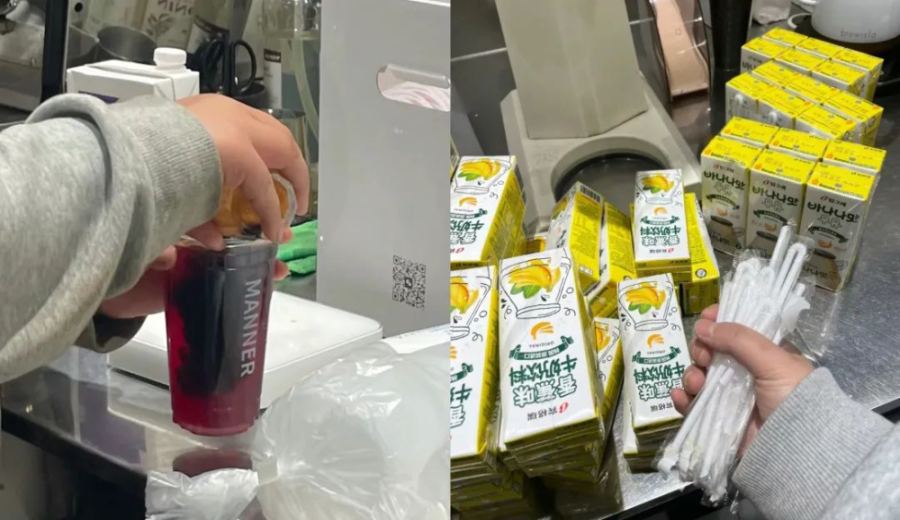
Introduction:As Manner expands its nationwide presence to over 1,000 stores, consumers can finally enjoy high-value coffee in more locations. However, this brand, known for its lean staffing model, is now facing a severe manpower shortage. To cope, Manner has been heavily recruiting part-time workers for daily shifts—tasked with packing, restocking, and cleaning—who are referred to online as “packers.” Yet these temporary staff have high turnover rates and lack proper training, forcing full-time baristas to repeatedly train them during busy hours, further increasing their stress. This article takes an in-depth look at the job duties, pay structure, and scheduling of such part-time roles, while also exploring the real challenges faced by coffee professionals and suggesting possible improvements.
Manner Coffee has recently officially surpassed 1,000 stores nationwide, delighting many coffee enthusiasts who can now find this high-value brand near their homes or offices. However, with the rapid expansion of its store count, the demand for staff has surged dramatically, leaving Manner grappling with a serious shortage of frontline baristas.
To quickly fill this gap, Manner has turned to hiring a large number of daily-paid part-timers who only handle packing, restocking supplies, and cleaning. Dubbed “packers” by netizens, these part-timers are not required to operate the bar or make coffee. Although their duties are basic, they still get to enjoy a free cup of coffee during their shift—one of the few employee perks.
It is understood that the entry threshold for these daily part-time roles is relatively low, with no prior barista experience needed. Their main responsibilities include product packaging, replenishing consumables, and maintaining store cleanliness. They are paid on a daily basis, with hourly wages generally ranging from 22 to 28 RMB, and working hours per day typically between 2 to 5 hours—actual arrangements vary depending on the operational needs of each city’s stores.
These “packers” are usually assigned to stores experiencing staff shortages and scheduled during peak order periods, such as from 8 AM to 11 AM or from 12 PM to 3 PM. Once on site, they are trained one-on-one by full-time baristas to learn basic packing procedures and how to restock supplies. However, this ad hoc training approach puts additional significant pressure on already busy full-time staff.
Many full-time Manner baristas have shared on social media platforms that because these part-timers change daily—and some even cancel shifts at the last minute—they often have to explain basic operations all over again, wasting precious time during peak hours. One employee frankly stated that the morning shift already offers little time for adjusting bar equipment or grinding beans, yet they still have to spend time teaching basics like packing and sanitizer dilution, which adds to the burden.
An anonymous Manner employee pointed out that many “packers” have no prior bar experience. While they initially thought teaching just the basic packing and cleaning processes would suffice for them to get up to speed, the HR department did not provide any unified training videos or advance notices. As a result, every new part-timer has to be trained from scratch. The employee suggested that the company should provide pre-shift training videos on packing procedures and sanitizer ratios so that temporary workers can have some basic understanding before arriving, thereby reducing the on-site teaching load.
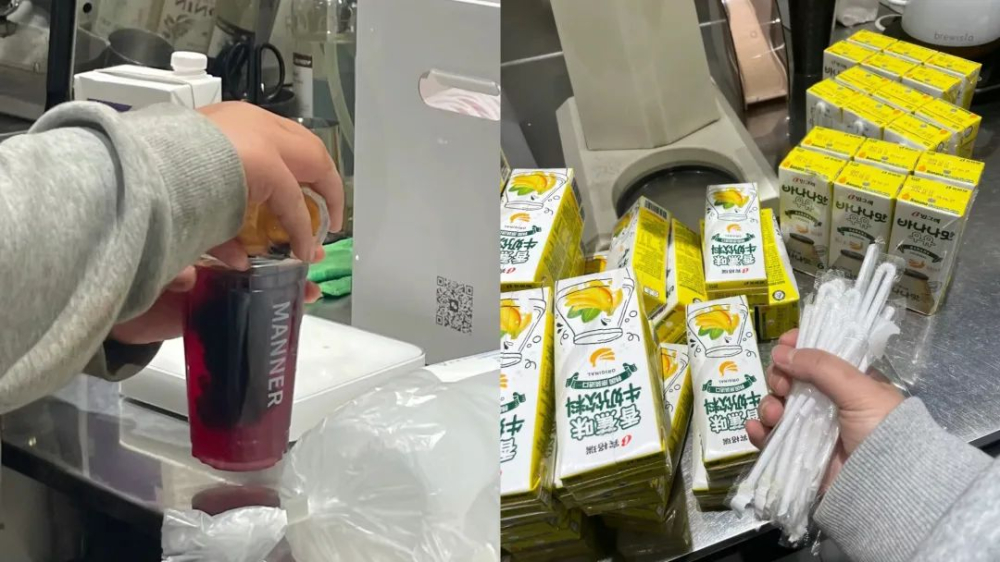
Moreover, due to the irregular scheduling of these part-time roles and frequent last-minute cancellations, stores face even greater uncertainty in staffing. Full-time baristas not only have to handle a large volume of orders during busy periods but also spend extra energy training newcomers, leading to significantly increased work pressure and emotional strain.
Industry insiders note that as chain coffee brands accelerate their expansion, balancing operational growth with staff training has become a major challenge. While Manner’s current heavy reliance on daily part-timers may solve immediate staffing shortages, without establishing robust training mechanisms and scheduling systems, service quality and employee satisfaction could be adversely affected in the long run.
Notably, some other operators have effectively reduced the training burden on frontline staff through more systematic part-time training and fixed scheduling systems, setting an example worth considering within the industry. In the future, if Manner can introduce more comprehensive training resources for temporary workers and improve scheduling stability, it will help enhance overall operational efficiency and employee well-being.
The above content is compiled by CoffeeHunters, a coffee news website.


