








Introduction:The key to replicating café-grade iced lattes at home doesn’t lie in simply combining ingredients, but in mastering the details of espresso extraction, milk selection, and ratio adjustments. This article explains how to use home equipment to consistently pull high-quality espresso shots, choose the right milk based on different coffee bean characteristics, and provides practical suggestions for coffee-to-milk ratios and ice usage techniques to help you craft an iced latte with balanced flavor and smooth texture.
Many people aspire to easily make a café-quality iced latte at home, but the process is far more complex than just “pouring ice, milk, and coffee into a cup in order.” From extraction pressure, coffee bean selection and aging, to the precise ratio of espresso to milk, each step greatly affects the final taste and flavor. Based on practical experience, this article will take you through an in-depth analysis of the three core steps in making iced lattes: stably pulling a qualified espresso shot, selecting the appropriate milk according to the beans’ characteristics and adjusting the ratio, as well as ice usage and serving methods. Whether you’re using entry-level or advanced home coffee equipment, you’ll find useful adjustment directions here.
 A reader once asked how to make an iced latte at home that tastes similar to those from cafés. On the surface, it may seem like a simple process, yet even when using the same beans and following the instructions step by step, you might still fail to recreate that familiar rich flavor. This article will share key insights on making iced lattes to help you identify the issues and gradually adjust to your ideal state.
A stable and reasonable espresso extraction is the foundation of a delicious iced latte. The main reason why many homemade iced lattes lack aroma and have a thin flavor often lies in the insufficient extraction pressure of the coffee machine. Most commercial machines come with a stable 9-bar pressure, whereas among home machines, devices priced in the several-thousand-yuan range, compared to those costing tens of thousands or more, may appear to have similar functions, but their actual extraction performance often shows a significant gap. For example, some users using a grinder-espresso combo machine with only 3–4 bar pressure produce espresso with a thin texture and incomplete release of flavor compounds, and even with milk added, it’s hard to achieve a rich layered taste.
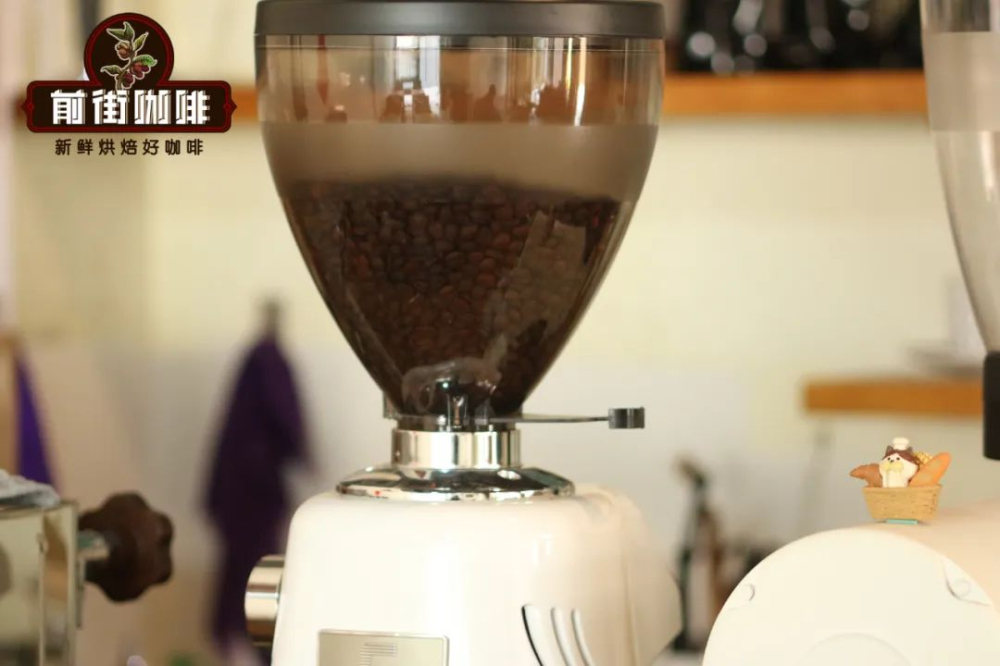
Therefore, if you want to successfully replicate café-grade iced lattes at home, a qualified espresso machine capable of providing stable 9-bar pressure is crucial. For instance, the commonly available Huifa 310 model is a cost-effective choice. If you’re aiming for richer crema and a smoother texture, it’s recommended to also pair it with a professional espresso grinder—grinding and brewing fresh maximizes the potential of the coffee beans.
 Choosing the right coffee beans is key to shaping the flavor profile of an iced latte. Whether you prefer the richness of dark-roast blends or the bright acidity of medium-to-light roast SOEs, the first consideration should be how the beans perform in combination with milk—the overall flavor should still be distinct even within the milky base. As for milk selection, you can also refer to common market evaluations of various types of milk and make a choice based on your budget and taste preferences.
Take the “Sunflower Warm Sun Blend” commonly used in cafés as an example. This medium-dark roasted blend, made from Ethiopian sun-dried red cherry and Honduran sherry cask beans, features a base aroma of cream, chocolate, and fruit. When made into an iced latte, it showcases multiple layers of wine, vanilla, cream, and chocolate. It’s worth mentioning that many users report that if the coffee beans are used immediately after opening, the espresso surface tends to develop coarse foam, which is usually due to the beans being too fresh. It’s recommended to let freshly opened beans rest in a cool place for 7–10 days until they mature before use, with the peak flavor period generally within 50 days.
When actually preparing an iced latte, finding the “golden ratio” between espresso and milk is an important task in balancing the overall mouthfeel. First, it’s essential to understand that the extraction quality of the espresso directly determines the final flavor of the iced latte. If the espresso is over-extracted, with obvious burnt bitterness, even adding a lot of milk won’t be able to mask the flaws. Making a properly extracted espresso isn’t difficult—as long as you master parameters such as dose, grind size, and extraction time. Taking a common basic recipe as an example: the coffee-to-water ratio is recommended to be maintained at 1:2, with the extraction time controlled between 26–30 seconds, avoiding situations where the coffee sprays or the flow rate becomes unstable during the process.
 Regarding the coffee-to-milk ratio for iced lattes, we typically don’t provide a single fixed value, but rather suggest fine-tuning withina broad range of 1:4 to 1:8based on personal preference and the materials used. This is because different coffee beans, different extraction conditions, and even differences in milk brands and fat content can all affect the final flavor, so a uniform ratio may not suit everyone.
If you’re using a dark roast bean with dominant notes of dark chocolate and nuts, whose espresso often exhibits a strong and heavy bitterness, you can moderately increase the milk ratio. It’s suggested to try1:5the coffee-to-milk ratio to balance the overall taste. If you still find the bitterness too pronounced, you can continue to increase the amount of milk until it suits your personal taste. Conversely, if you’re using a lighter-roasted bean with floral and fruity acidity, whose espresso itself has a softer flavor, too much milk can easily mask the delicate aroma of the coffee. In this case, you might consider reducing the milk ratio—for example, trying1:4the combination—to highlight the layered characteristics of the coffee itself, such as the buttery biscuit aroma becoming more pronounced.
Finally, don’t overlook the role of ice cubes in the entire iced latte. The presence of ice cubes isn’t just about cooling down the drink; it directly affects the overall concentration and mouthfeel. Many people tend to focus on how much ice to add but ignore the melting speed of the ice and its impact on flavor. Once the ice melts too quickly, it dilutes the whole milk-coffee mix, causing the coffee flavor to become dull and the texture watery.
 To reduce this effect, it’s recommended to choose harder, older ice and minimize the time the ice cubes are in contact with the milk. In practice, it’s advised to pour the freshly pulled espresso into the cup as soon as it’s ready, gently allowing the golden crema to float to the top while the dark coffee liquid flows slowly down the side of the cup, creating a visual and textural contrast similar to a Dirty coffee. This not only helps preserve the original flavor of the coffee but also enhances the overall drinking experience and enjoyment.
The above content is compiled by CoffeeHunters, a coffee news website.


