







Category: Coffee Knowledge
Analysis of the Honey Aroma in Darjeeling Black Tea | Guide to Premium Estate Flavors & Harvest Season Differences
Darjeeling black tea is renowned among tea enthusiasts worldwide for its unique honey-like aroma and muscat grape notes. But did you know that behind this captivating fragrance lies a subtle interplay of terroir, climate, and the tiny tea green leafhopper? This article will delve into how the natural conditions of the Darjeeling region shape the flavor profile of the tea leaves, and analyze how individual estates showcase their distinct characteristics due to differences in altitude and microclimate. We’ll take you on a journey from spring to autumn harvests, giving you a comprehensive understanding of these precious teas from the foothills of the Himalayas. [more…]
A Complete Guide to Darjeeling Tea Varieties | From Black to Green Tea, Grades & Seasonal Flavor Profiles
Darjeeling tea isn’t just synonymous with black tea. This renowned tea-growing region nestled at the foothills of the Himalayas actually produces a diverse range of teas including oolong, white, and green tea. The type of tea, the season it is harvested in, and its grade all influence its flavor and price. This article takes an in-depth look at the characteristics of the four main tea types, seasonal flavor differences, and professional grading terms such as Orange Pekoe to help you choose your ideal Darjeeling tea more precisely. [more…]
Analysis of the Three Seasons of Darjeeling Tea: What’s the Difference Between Spring, Summer, and Autumn Harvests?
Darjeeling tea is renowned for its diverse seasonal flavors, with spring, summer, and autumn harvests each offering unique aromas and taste profiles. Understanding the characteristics of tea leaves picked in different seasons can help you choose the tea that best suits your palate. This article details the differences among the three major seasonal teas, explores their organic cultivation background, and takes you on a journey into the growing secrets and tasting highlights of Darjeeling tea. [more…]
Assam Organic Tea Garden in India: A Comprehensive Look at Human-Elephant Coexistence and Rare Salamander Conservation
Did you know that in the tea gardens of Assam and Darjeeling in India, it’s not just the aroma of tea that fills the air, but also oases where humans and wildlife coexist harmoniously? This article takes an in-depth look at two representative tea gardens: Banaspaty Organic Tea Garden, which centers on elephant-friendly practices and sets an example for peaceful human-elephant cohabitation, and Margaret’s Hope Tea Garden in Darjeeling, which quietly protects the endangered Himalayan salamander. From environmental planning to ecological preservation, learn how these tea gardens are taking concrete [more…]
Taste Profile and Brewing Guide for Goomtee Tea Estate Summer Harvest Black Tea from Darjeeling
Take an in-depth look at Goomtee Tea Estate, nestled in the Nine Mile Hill area of Darjeeling, and discover the unique flavor profile of its summer harvest black tea cultivated at an elevation of 4,000 feet. This article provides a detailed analysis of the tea’s liquor color, aroma layers, taste characteristics, and pairing suggestions, along with insights into the estate’s history and resort experience—offering you a comprehensive understanding of this highly acclaimed single-origin Indian black tea. [more…]
Review of Darjeeling Turzum Tea Garden Summer Harvest Black Tea: A Complete Flavor Analysis from Dry Leaves to Brew
An in-depth analysis of the flavor profile of the 2021 summer harvest black tea from Darjeeling's Turzum Tea Garden at every stage — from dry leaf aroma and visual characteristics, to changes during brewing and nuances in the liquor. This guide helps coffee and tea enthusiasts understand the summer characteristics of high-altitude clonal tea leaves. It includes comprehensive sensory notes such as fruity aromas, woody tones, and layered complexity, making it an introductory guide to exploring the flavors of Darjeeling tea. [more…]
A Comprehensive Comparison of Chinese and Indian Black Teas: How to Choose Between Assam, Darjeeling, and Nilgiri?
Black tea originates in Asia, yet different regions have cultivated distinctly unique flavor profiles. Chinese black teas are made from small-leaf tea varieties, resulting in a mild and delicate taste ideal for drinking plain. In contrast, Indian black teas predominantly use large-leaf Assam variants, yielding a rich and robust flavor often enjoyed with milk and sugar. This article delves into the differences between the two countries' black teas in terms of tea plant varieties, flavor characteristics, and regional features, while also introducing the distinctive personalities of three renowned producing regions—Assam, Darjeeling, and Nilgiri—to help you find your perfect match. [more…]
How to Choose Assam Black Tea? Recommended Malt-Aroma, High-Caffeine Breakfast Teas & Analysis of Tea Region Characteristics
Assam black tea is renowned for its rich malt aroma and bright amber liquor. Its high caffeine content makes it a staple in many people's daily breakfast routines. This article delves into the flavor profile of Assam black tea, regional characteristics, differences across harvest seasons, and compares its key distinctions with Darjeeling and Nilgiri tea regions—helping you find the Assam tea that best suits your taste and craft the perfect morning tea experience. [more…]
Fragrance Analysis of Phoenix Dancong Ya Shi Xiang | The Origin of Its Unique Name and True Flavor Characteristics
Phoenix Dancong tea is renowned for its rich and diverse aroma profiles, but one name in particular stands out — “Ya Shi Xiang” (Duck Shit Aroma). What story does this seemingly unrefined yet widely talked-about name conceal? Is its fragrance truly distinctive enough to even form a new aroma type? This article will take you deep into the origin of the name Ya Shi Xiang, its unique aromatic qualities, and the subtle connection it has with the environment where the tea is grown, helping you gain a more comprehensive understanding of this uniquely flavored oolong tea. [more…]
A Complete Guide to the Naming Origins of Phoenix Dancong and the Flavor Differences Across Seasons
Want to dive deeper into Phoenix Dancong tea? This article starts with the logic behind its naming, taking you on an exploration of how the varietal lineage and natural hybridization of Wudong Mountain Dancong shape its unique flavors. It also breaks down how picking seasons—early spring, late spring, summer, and autumn—affect the taste profile of the tea liquor, especially the subtle differences in astringency and bitterness. Whether you're new to Phoenix Dancong or already a fan who’s savored its bold fruity notes and distinctive restrained finish, you’ll gain practical insights here. [more…]
Analysis of Phoenix Dancong Wuyan Aroma: How to Experience the Balance of Floral, Fruity, and Honey Notes with Subtle Astringency
Wuyan Dancong is a variety of Phoenix Dancong renowned for its high aroma, but its complex fragrance profile and astringent character often leave drinkers both enchanted and puzzled. This article delves into its intricate aromatic notes—such as sweet peach, honey, citrus, and banana-like tones—and explores the interplay between floral-fruity aromas and the tea’s vegetal base. It also compares the astringency of Wuyan Dancong with that of green tea, Darjeeling, and Wuyi rock tea, helping you more precisely grasp the brewing essentials and tasting highlights of this highly aromatic oolong tea. [more…]
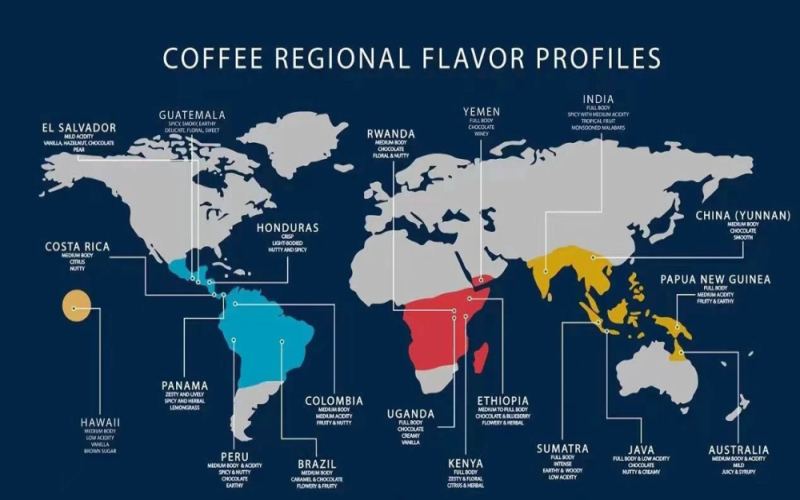
A Complete Guide to Yunnan Coffee Varieties: Flavor Profiles and Regional Characteristics of Typica, Bourbon, and Catimor
As an important origin of specialty coffee in China, Yunnan is known for its small coffee beans that excel in pronounced fruity notes and balanced acidity and sweetness. In particular, the Typica, Bourbon, and Catimor varieties grown in high-altitude environments each offer distinct flavor profiles. This article delves into the characteristics of these three major varieties, the cultivation conditions in Yunnan’s four core producing regions, and the actual farming and processing techniques used by estates in places like Baoshan and Lincang—helping you master the key tips for selecting and brewing Yunnan beans. [more…]

Moka Pot for Beginners: A Complete Guide from Bean Selection to Brewing
The moka pot is many coffee lovers' first "espresso machine." It's simple to use yet capable of producing rich, bold coffee. But if you want to consistently brew flavorful, well-balanced coffee with a good crema, there's a lot to learn—from bean selection and grind size to water-to-coffee ratio. This guide details the types of coffee beans best suited for the moka pot, how to judge grind fineness, tips on water volume and heating time, and provides clear brewing steps to help you get it right the first time and brew coffee that’s close in flavor to an espresso machine. [more…]
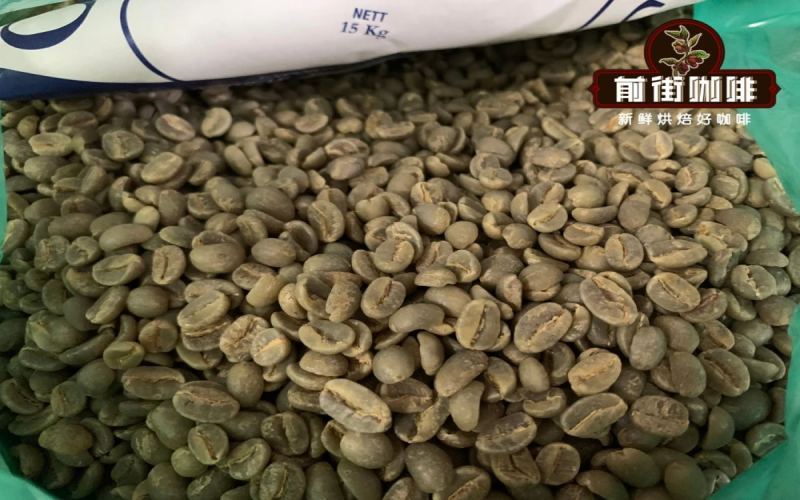
A Complete Guide to Jamaica Blue Mountain Coffee Grades | From Barrel Packaging to Pour Over Tips for Blue Mountain No. 1
Jamaica Blue Mountain coffee is hailed as the king of the coffee world, and Blue Mountain No. 1 is especially the ultimate brew many coffee enthusiasts dream of. But did you know? Not all coffee grown in the Blue Mountains qualifies as Blue Mountain coffee. This article takes an in-depth look at the region’s certification system, the four-tier grading structure, and explores the unique purpose and practical advantages of barrel packaging. It also guides you through the flavor profile of Blue Mountain No. 1 and expert pour over parameters, helping you make more confident choices from bean selection to brewing. [more…]

Complete Moka Pot Guide: From Principles, Operation to Flavor Adjustment — Teach You to Brew Rich Espresso
The moka pot is a staple tool in the homes of many coffee enthusiasts, capable of extracting rich coffee similar to espresso with simple operation. This article details the origin, structure, and steam pressure extraction principles of the moka pot, guiding you step-by-step through the correct operation — from selecting water, grinding, filling coffee grounds, heating, to turning off the heat — while debunking common mistakes. Additionally, it provides practical ratios for making Americano and latte using moka pot coffee, and recommends two different-flavored coffee bean options, whether you prefer bold or [more…]
Trend of eating raw-marinated Chinese mitten crabs with milk tea? Experts warn of digestive risks and food safety red lines
When raw-marinated Chinese mitten crabs meet milk tea, this seemingly novel combination has sparked heated discussion on social media. But beneath the surface lies not only potential food safety hazards, but also controversy over influencers staging content that misleads the public. This article delves into the full story, revealing the real impact of cold beverages paired with raw seafood on the digestive system, and explores where the boundaries should lie for innovation in new-style teas. [more…]
Cold Brew Tea vs Hot Brew Tea: A Comparison | Flavor & Health Benefits of Cold-Steeped Black & Oolong Teas
On hot summer days, cold brew tea has become a top choice for many to beat the heat. But do you know how cold brewing and hot brewing differ in flavor and health benefits? This article delves into the fundamental differences between steeping tea leaves in cold water versus hot water, with a special focus on black and oolong teas. We analyze the sweet flavors after cold steeping and their potential benefits for the body, while also providing practical cold brewing steps and tasting tips to help you easily brew delicious and healthy cold brew tea. [more…]
How is honey-scented black tea made? Unveiling the differences in aroma between tea leafhoppers, Oriental Beauty tea, and Darjeeling black tea
Honey-scented black teas such as Oriental Beauty tea and Darjeeling black tea owe their unique honey-like sweetness to an astonishing plant defense mechanism. Through years of research, Japanese scholars have uncovered the secrets of two key aromatic compounds — 2,6-dimethyl-3,7-octadien-2,6-diol and 3,7-dimethyl-1,5,7-octatrien-3-ol — and discovered their close connection to the feeding behavior of tea leafhoppers. This article will delve into the analysis of the aroma formation in honey-scented teas. [more…]
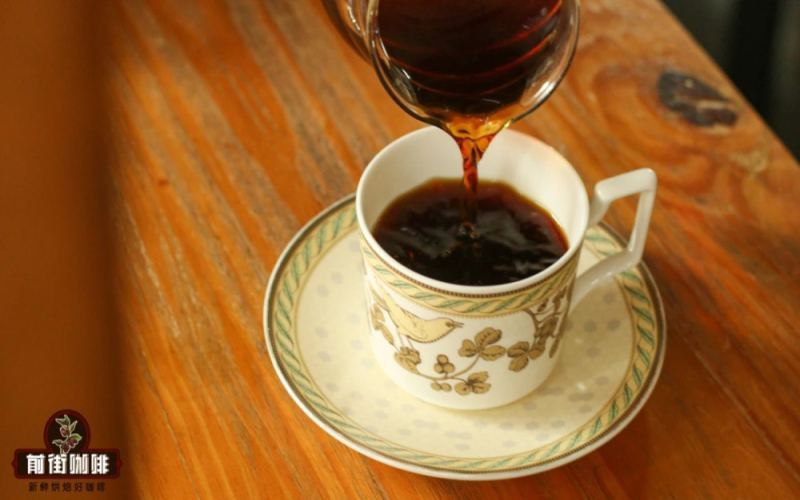
Why Does Coffee Lose Flavor When It Cools? Mastering the Ideal Drinking Temperature and Debunking Reheating Myths
Have you ever had this experience: a steaming cup of coffee that, once cooled, turns bitter and astringent—completely unlike its original flavor? In fact, the temperature of coffee not only affects its mouthfeel but also influences its overall flavor profile. This article delves into how the acidity, sweetness, and bitterness of coffee change as it cools from hot to cold, helping you find the optimal temperature range for tasting, and debunking the myth of whether reheating can restore its original flavor. [more…]

A Flavor Analysis of Ethiopian Yirgacheffe Sidamo & Kochere Coffees | A Beginner’s Guide to Specialty Pour Over Beans
As the birthplace of coffee, Ethiopia's diverse microclimates and varied terrain have given rise to numerous world-class specialty coffee regions. This article provides an in-depth analysis of the unique flavor profiles of two renowned regions—Sidamo and Kochere—and also introduces the typical flavor characteristics of other notable areas such as Yirgacheffe, Guji, and Harrar. It offers practical reference information to help coffee enthusiasts more accurately identify the distinctive traits of different regions and further enhance their tasting experience when selecting beans for pour over or other brewing methods. [more…]