







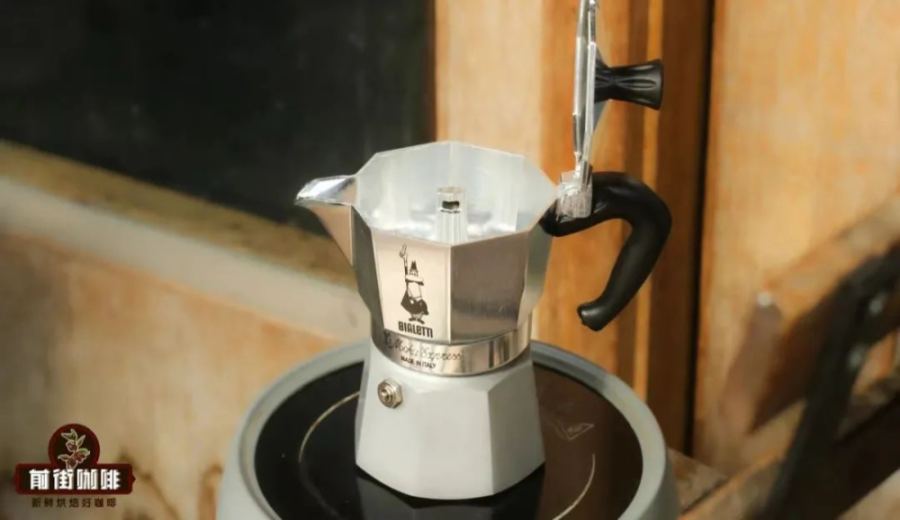
Introduction:The Moka pot is a staple tool in the kitchens of many coffee enthusiasts, capable of producing espresso-like rich coffee with simple operation. This article details the origins, structure, and steam pressure extraction principles of the Moka pot, guiding you step-by-step through the correct process—from selecting water, grinding beans, filling the basket, heating, to turning off the heat—and debunks common mistakes. Additionally, it provides practical ratios for making Americano and latte using Moka pot coffee, and recommends two distinct coffee bean options to suit both bold and fruity flavor preferences, ensuring an easy start no matter your taste.
Thanks to its simplicity and intense flavor, the Moka pot has long been a popular coffee brewing device in kitchens worldwide, especially favored by those who enjoy Italian-style coffee. This article not only introduces the historical background and design principles of the Moka pot, but also thoroughly explains each operational detail—from water selection and coffee filling to heating and extraction—to help you refine your technique, avoid common pitfalls, and shares how to use the concentrated coffee brewed from a Moka pot to prepare well-balanced Americanos and lattes. Finally, it recommends two distinctive coffee beans to cater to both bold and fruity flavor preferences.
[The Origins and Design Inspiration of the Moka Pot]
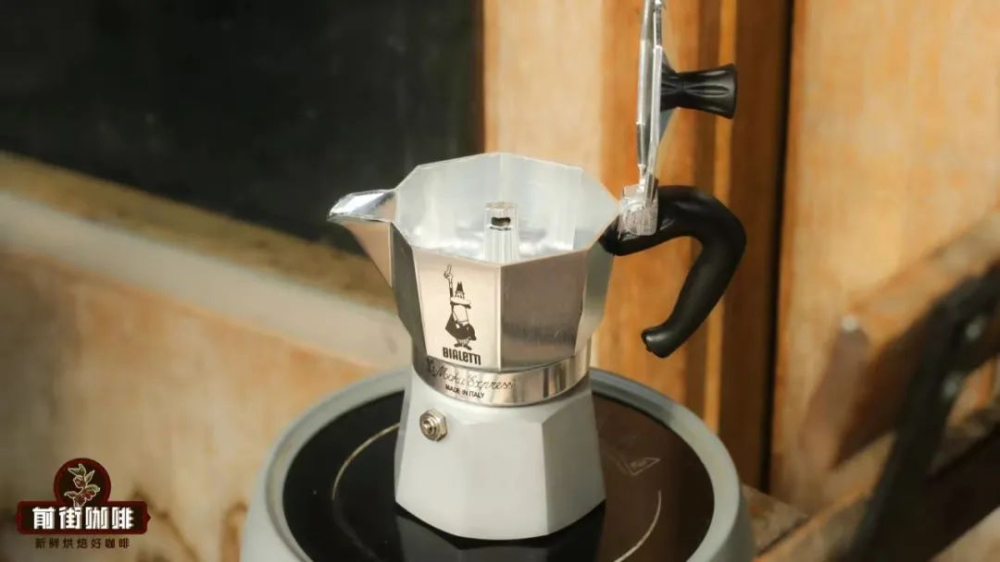
The Moka pot was first created in Italy in 1933 by Alfonso Bialetti, who drew inspiration from the washing machine used in his home at the time. Traditional washing machines had a metal tube that sucked up heated soapy water from the bottom and evenly sprayed it onto clothes. Inspired by this, Bialetti designed a household coffee maker that used steam pressure to push hot water through a bed of coffee grounds—the world’s first Moka pot, the “Moka Express.” Since then, the Moka pot quickly became widespread in Italian households, with nearly eight or nine out of ten homes owning one, and it remains an important symbol of Italian coffee culture to this day.
[Basic Structure and Working Principle of the Moka Pot]
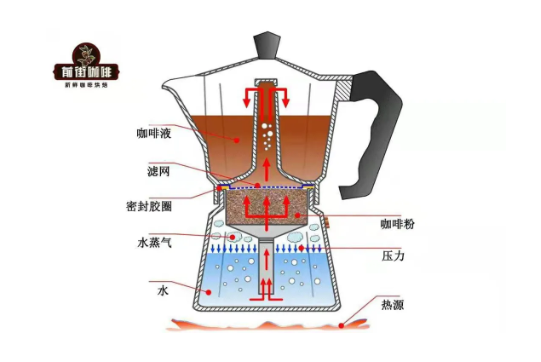
The Moka pot mainly consists of three parts: the lower chamber (for water), the filter basket (for coffee grounds), and the upper chamber (for collecting coffee). When heated, the water in the lower chamber generates steam pressure. As the internal pressure gradually increases, the hot water is pushed upward through the middle filter basket, fully extracting flavors from the coffee grounds, and ultimately forming a richly aromatic coffee liquid that flows into the upper chamber. This steam pressure extraction method can bring out the coffee’s rich flavors and oils in a short time, approximating the concentrated effect of an espresso machine.
[Moka Pot Operation Steps and Precautions]
Before starting, it is recommended to fill the lower chamber with hot water. This can shorten the heating time and reduce the risk of flavor loss or bitterness caused by overheating the coffee grounds. When adding water, make sure the water level is below the safety valve to avoid safety hazards from excessive pressure.
Next, fill the filter basket with finely ground coffee (about the same size as sugar, but not too fine). Adjust the amount of coffee according to the size of the Moka pot. After filling, gently level the surface without tamping, to maintain the breathability and flow rate of the coffee grounds. Place the filled basket into the lower chamber, then screw on the upper chamber tightly to ensure there are no air leaks.

Place the assembled Moka pot on an electric or gas stove and begin heating. As the pot gradually warms up, you will hear a distinct “wuu wuu” steam sound. At this point, reduce the heat to low and slightly lift the upper chamber lid to observe the coffee beginning to drip. When about half of the coffee has flowed into the upper chamber, it is recommended to turn off the heat and move the pot to a heat-resistant surface, allowing the residual heat and remaining pressure to fully extract the remaining coffee. Once all the liquid has flowed into the upper chamber, you can pour and enjoy.
The freshly extracted Moka pot coffee has an intense flavor. It is recommended to adjust it according to personal taste preferences. For a lighter taste, add water or ice water to make a Moka pot-style Americano. If you prefer milk flavor, add hot milk to create a rich latte.
[Advanced Use of Moka Pot Coffee: Making Americano and Latte Ratios]
To make a Moka pot Americano, mix with warm or cold water at a ratio of 1:3—for example, 60–90ml of coffee liquid paired with 180–270ml of water helps highlight the flavor while reducing intensity. For a latte, mix with fresh milk at a ratio of 1:2—for example, 60–90ml of coffee liquid with 120–180ml of milk—resulting in a rich flavor with a hint of caramel aroma, ideal for milk coffee lovers.
[Coffee Bean Selection Tips: Bold or Fruity, Choose Based on Preference]
The flavor profile of Moka pot extraction is closely related to the coffee beans selected. If you enjoy the bold, intense flavors brought by dark roasts, it is recommended to choose dark roasted blends, which typically have rich oils and stable performance, suitable for making Americanos or lattes. If you prefer bright, fruity flavors with lively acidity, you can opt for single-origin beans with specialty processing methods, offering a completely different taste experience.
The above content is compiled by CoffeeHunters, a coffee news website.


