







Category: Coffee Knowledge
Nanjing milk tea shop sparks ‘duck blood vermicelli milk tea’ craze: How creative beverages drive market growth
A milk tea resembling Nanjing’s classic street snack ‘duck blood vermicelli soup’ has gone viral on social media — with chocolate pudding mimicking duck blood and sweet noodles standing in for vermicelli. Priced at just 16 yuan, the drink has garnered over 50,000 discussions on Xiaohongshu and sparked widespread discussion on innovation strategies and growth potential within the new-style tea beverage market. This article takes an in-depth look at the marketing tactics and industry data behind it, revealing how tea beverage brands can stand out in fierce competition. [more…]
How to Choose Aged Trunk Sweet Potato Aroma Single-Trunk Oolong? A Complete Guide to Price, Craftsmanship & Flavor
Aged Trunk Sweet Potato Aroma Single-Trunk Oolong is a specialized variety within Phoenix Dancong oolong tea, gaining attention for its unique roasting process and sweet, smooth, mineral-rich taste. This article delves into its origin background, picking and production details, helping you understand the true meaning of "aged trunk" and "sweet potato aroma." It also offers practical insights on tea liquor performance, aroma characteristics, and market pricing, assisting you in more accurately identifying the grade and value of this tea. [more…]
Phoenix Yellow Branch Aroma Dancong Oolong Tea: A Complete Guide to Aroma Analysis and Tasting
Yellow Branch Aroma Dancong Oolong tea is one of the most representative aroma types in the Phoenix Mountain tea region, renowned for its unique orange blossom and gardenia floral notes. This article provides an in-depth analysis of this traditional oolong tea from Fenghuang Mountain in Chaozhou, covering everything from the tea’s origin, aroma profile, to the optimal brewing methods—guiding you through the key points of appreciating Yellow Branch Aroma Dancong. Whether you're a beginner or a seasoned tea enthusiast, you'll find practical insights here. [more…]
How to Brew Phoenix Dancong Zhilan Aroma? A Complete Guide to Terroir Flavors & Brewing Techniques
Want to dive deep into the highly praised Zhilan Aroma of Phoenix Dancong? This oolong tea, originating from Phoenix Mountain in Chaozhou, Guangdong, is renowned for its unique orchid fragrance and complex rocky undertones. This article breaks down the distinctive charm of Zhilan Aroma step by step—from the terroir soil, precise harvesting timing, traditional charcoal roasting process, to the appearance of dry leaves and characteristics of the brewed tea—offering practical brewing tips to help you fully appreciate the layered flavors of this high-mountain oolong. [more…]
Darjeeling First Flush Tea Special: Flavor Analysis and Harvest Timing of the 2021 Arya Tea Garden Black Tea
Darjeeling first flush teas are often mistaken for green tea or oolong due to their vibrant green appearance, but they actually belong to the black tea category. This article takes the 2021 first flush black tea from India’s Arya Tea Garden as an example, delving into the reasons behind its greenish look, the differences in harvest between high-altitude and low-altitude gardens, and why high-altitude spring teas are more sought after. It also details the cultivar characteristics, aroma profile, and flavor structure of this tea, helping you better appreciate the unique charm of Darjeeling spring teas. [more…]
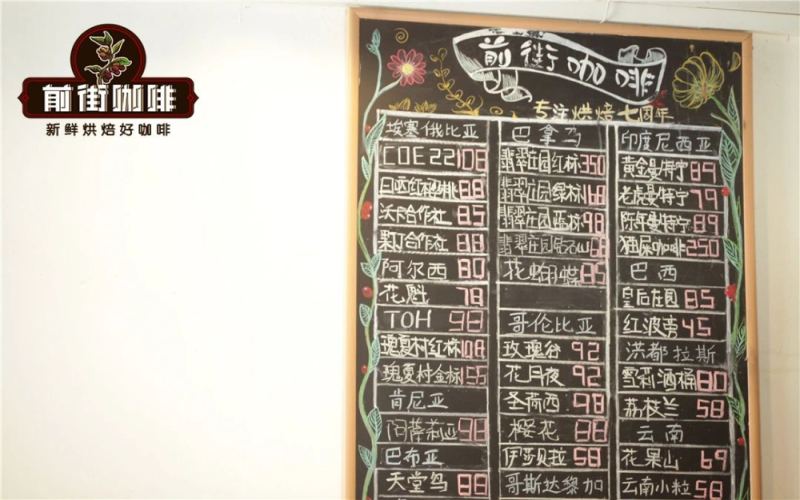
Yirgacheffe Pour Over Guide: Analyzing Washed vs. Sun-Dried Differences & Mastering Three-Stage Brewing Parameters
To understand the charm of Yirgacheffe’s flavors, starting with the differences between washed and sun-dried processing methods is the best approach. This article delves into two representative beans from a well-known coffee brand—Gutingding Washed and Red Cherry Sun-Dried—helping you grasp their unique characteristics in aroma, acidity, and sweetness. At the same time, using actual pour over brewing as an example, it details the pouring techniques and parameter settings for 15 grams of coffee grounds at a 1:15 coffee-to-water ratio, assisting you in consistently brewing a clean, bright, and layered cup of Yirgacheffe. [more…]
How to Brew Yinghong No. 9 Black Tea? A Complete Seven-Infusion Flavor Analysis & Optimal Brewing Parameters
Yinghong No. 9 is a classic black tea produced in Yingde, Guangdong, named after its experimental code. The dry tea features tightly rolled leaves with golden tips, and the brewed liquor showcases a layered aroma ranging from fruity to toasty notes. This article details the gongfu tea brewing technique—using 3 grams of tea per 150 ml of water—with the first infusion steeped for 45 seconds and each subsequent infusion extended in time. We analyze the flavor evolution across seven infusions, from the initial notes of honeyed plum and forest earthiness to later tones of woodiness and slight astringency, helping you grasp the optimal drinking rhythm and brewing details. [more…]
In-Depth Tasting of Taiwan Tea No. 15 Sun Moon Lake Black Tea: A Flavor Comparison with Taiwan Tea No. 18 and Camellia
This article provides an in-depth analysis of the historical background and unique flavor profile of Taiwan Tea No. 15 (also known as Sun Moon Lake Black Tea). It documents a real-world tasting experience within the same tea garden, comparing it with Taiwan Tea No. 18 (Red Jade), a Myanmar large-leaf variety parent plant, and Taiwan Camellia. Using the gongfu brewing method, it traces the evolution of flavors from dry leaf aroma through each of the five infusions, capturing a multi-layered progression from earthy, malty, and spicy notes to fruity sweetness. Practical brewing parameters and pairing suggestions are also provided to help tea enthusiasts master this classic Taiwanese tea. [more…]
Is Taiwanese wild mountain tea used to make black tea? Flavor profile analysis of the parent variety of Sun Moon Lake Red Jade
Exploring the origins of Taiwan No. 18, also known as Red Jade, this article delves into the unique flavor characteristics of black tea made from its parent variety — Taiwanese wild mountain tea. Through a detailed four-infusion gongfu brewing session, you’ll experience how the deep brown-to-black leaves reveal earthy, malty, and subtle smoky aromas upon brewing, along with a fruity sweetness in the lingering finish. Not only does it provide professional-level extraction parameters, but it also offers pairing suggestions with banana bread and dark chocolate to help you fully appreciate the traits of this native Taiwanese black tea. [more…]
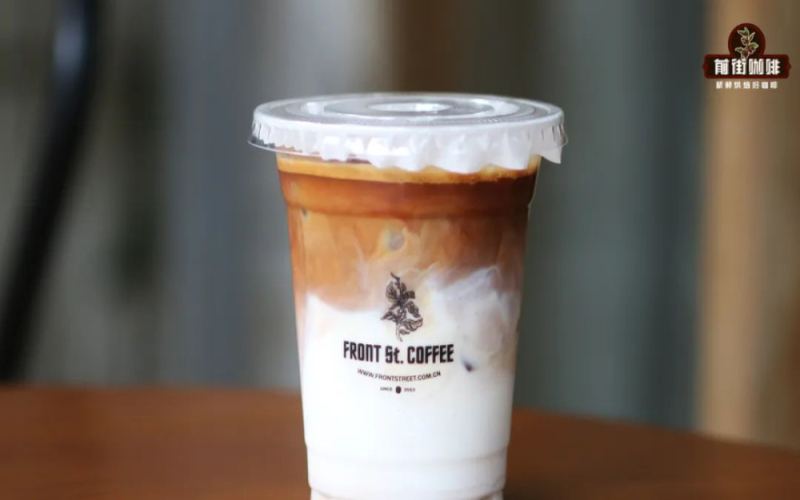
The Complete Guide to Making Iced Lattes: Master Bean Selection, Ratios, and Techniques in One Go
Iced lattes are often the first choice for many people when exploring espresso-based drinks. Though it may seem like a simple combination, there's actually a lot of knowledge hidden in everything from coffee bean and milk selection to ratios and preparation steps. This article will delve into how you can create an iced latte that rivals those found in cafés through ingredient pairing, precise ratios, and attention to detail—offering both beginners and coffee enthusiasts alike practical tips and inspiration. [more…]
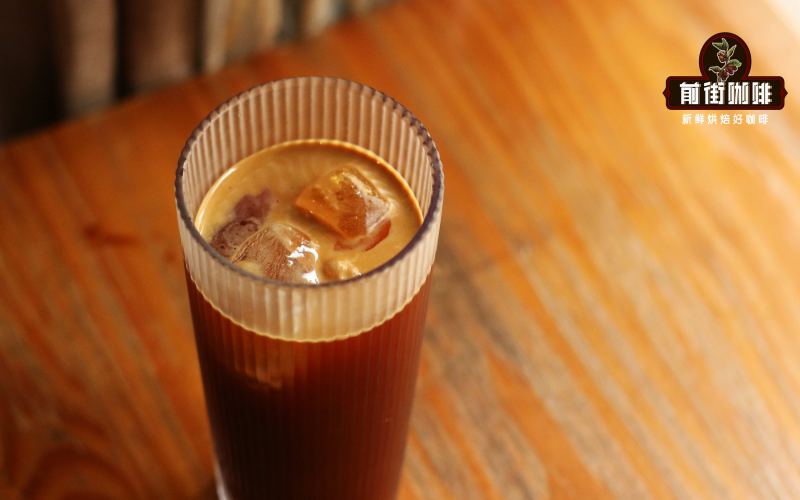
Americano Brewing Secrets: A Complete Guide from Espresso Ratio to Crema Trade-offs
Although an Americano is simply made up of espresso and water, it is the best medium to showcase the essence of coffee and extraction techniques. This article delves into the preparation process for both hot and iced Americanos—from espresso extraction parameters and coffee-to-water ratios to ice configuration—guiding you through key details. It also explores whether coffee crema should be removed, using practical comparisons to show how it affects flavor complexity. Whether brewing at home or in a café, this guide helps elevate the quality of your Americano. [more…]
Complete Brewing Guide for Taiwan’s Red Jade #18 | Flavor Profile of Sun Moon Lake Black Tea & Optimal Extraction Techniques
Red Jade Taiwan Tea No. 18 is one of the most representative black tea varieties from the Sun Moon Lake tea region in Nantou, Taiwan. It is widely praised for its distinctive mint aroma, subtle spicy notes, and red fruit undertones. This article will provide an in-depth analysis of the brewing parameters for Red Jade #18, explore the flavor evolution across multiple infusions, and include practical tasting notes to help you master the optimal extraction method and key tasting points. Discover the depth and complexity of this uniquely Taiwanese black tea. [more…]
How to distinguish Jin Jun Mei and Golden Monkey black teas? Understand their production processes and prices all at once
Both Jin Jun Mei and Golden Monkey black teas come from Tongmu Village in Wuyi Mountain and belong to the black tea category, yet they differ significantly in picking standards, production techniques, and market positioning. This article explains the core distinctions between the two, including the five key stages of tea production, the regional characteristics of Jin Jun Mei and its health benefits, and also analyzes its connection with Golden Monkey—helping tea enthusiasts and coffee lovers choose the right high-mountain black tea based on their preferences. [more…]
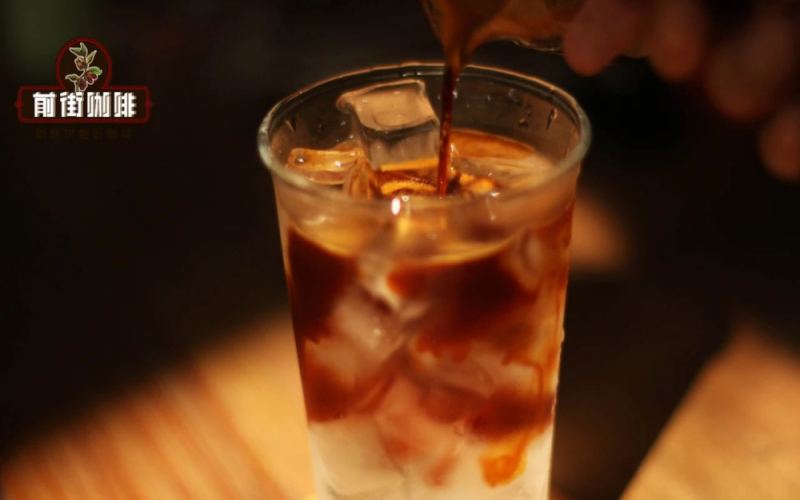
How to make iced americano? A complete guide to flavor profile, brewing ratios, and why it’s perfect for summer
On hot summer days, iced americano has become the go-to pick-me-up for many. But do you know why it's so popular? This article delves into the origins of iced americano, how it differs from regular americano, details a real-world test conducted by a coffee shop adjusting the ratio of espresso to water, and explores its unique flavor characteristics. Additionally, it discusses the advantages of iced americano in terms of price, caffeine intake, and summer drinking scenarios, helping you better understand this beloved iced coffee. [more…]
A Comprehensive Guide to China’s Seven Major Tea Categories: From Green Tea to Flower Tea – Processes and Flavors
Want to dive deeper into the diverse world of Chinese tea? This article will guide you through the seven major tea categories—green tea, black tea, oolong tea, dark tea, white tea, yellow tea, and flower tea—exploring everything from processing methods to flavor profiles, and detailing the unique transformation each tea undergoes. Whether you’re a coffee enthusiast looking to broaden your beverage horizons or simply seeking fresh taste experiences, this systematic guide will help you understand the science and art behind tea categorization, enhancing your tea tasting journey. [more…]
The Complete Guide to Oolong Tea Classification: From Light Fermentation to Heavy Roast, Understand Flavor Differences and Brewing Techniques All in One Go
Oolong tea sits between green tea and black tea, with a highly flexible degree of fermentation that results in a rich and varied flavor profile. This article delves into the key differences between lightly fermented and heavily roasted oolong teas, covering aroma, taste, and suitable ways to enjoy them, helping you understand the characteristics of each type. It also offers practical advice on how to brew oolong tea to bring out its best flavors, along with answers to common questions such as whether you can add milk. [more…]
The History of Black Tea: From an Accidental Discovery in Wuyi Mountains to Its Conquest of Europe
Did you know that the world’s most popular type of tea—black tea—originally came from an accidental tea-making mishap? This article takes you from Zhengshan Xiaozhong, a tea from the deep mountains of Wuyi in Fujian, through the evolution of Jin Jun Mei, tracing how tea traveled along the ancient Tea Horse Road to reach the world, and how it shook global food culture in the 17th century through the hands of European merchants. It also explores the resurgence of handmade tea and the unique flavor appeal of classic black teas. [more…]
Lapsang Souchong vs West Lake Longjing: Flavor Differences Between Black Tea and Green Tea & Key Storage Guide
Want to understand the essential differences between Lapsang Souchong and West Lake Longjing? This article delves into the craftsmanship behind these two classic teas — from tea processing, oxidation levels, aroma profiles to storage conditions — helping you quickly grasp tasting tips as a beginner, avoid common storage mistakes, and fully master the selection and appreciation of black and green teas. [more…]
Analysis of Three Major Theories on the Origin of Oolong Tea | From the Anxi Legend to the Evolution of Wuyi Tea Craftsmanship
As one of China's six major tea categories, oolong tea is renowned for its unique semi-fermented processing method and diverse aromatic profiles. However, its origins remain the subject of various theories. The main narratives include the accidental discovery by a hunter in Anxi, the documented craftsmanship of Wuyi rock tea, and the proto-semi-fermented prototype found in the Beiyuan tribute tea of the Song Dynasty. This article delves into these three origin theories, tracing from historical records to the evolution of tea processing techniques, to help you understand how oolong tea transitioned from accidental creation to systematic production, while also exploring the cultural and technical heritage behind it. [more…]
A Comprehensive Guide to China’s Four Major Tea Regions: Exploring Black Tea Flavor Profiles and Regional Characteristics
As the world’s largest tea-producing country, China’s tea regions span from tropical Hainan in the south to temperate Shandong in the north, forming four distinct major tea cultivation belts. This article delves into the geographic conditions and tea plant varietal differences across the Southwest, South China, Jiangnan (Lower Yangtze), and Jiangbei (North of the Yangtze) tea regions. It also highlights the flavor characteristics and production strengths of black teas from each area, helping you understand which regions produce the most worthwhile black teas to taste, while also providing insights into the key tea production focuses and specialty tea types of each tea region. [more…]