







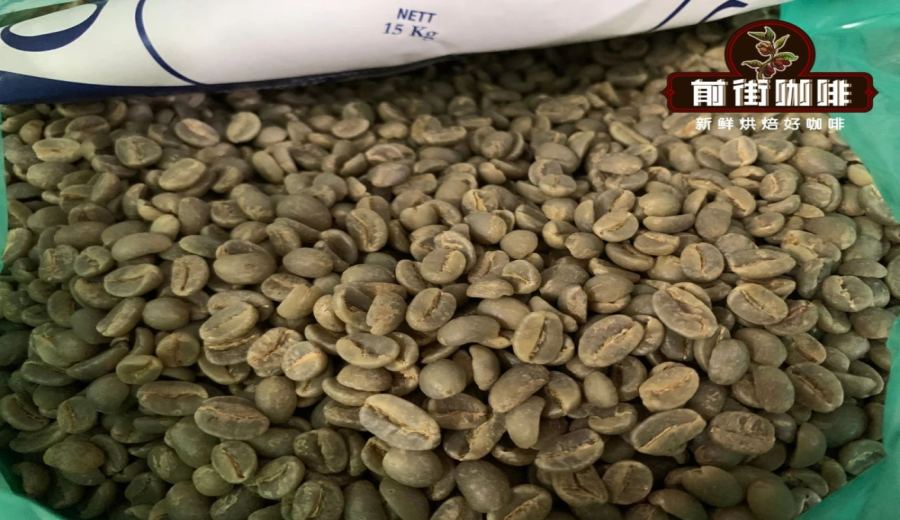
Introduction:Jamaican Blue Mountain coffee is hailed as the king of the coffee world, with Blue Mountain No. 1 being the ultimate delicacy many coffee enthusiasts dream of. But did you know? Not all coffee grown in the Blue Mountains qualifies as Blue Mountain coffee. This article delves into the origin certification, the four-tier grading system of Blue Mountain coffee, and explores the unique purpose and practical advantages of barrel packaging. It also introduces you to the flavor profile of Blue Mountain No. 1 and expert pour-over parameters, helping you feel more confident in selecting beans and brewing them.
Jamaican Blue Mountain coffee is the pinnacle of the global coffee market, with Blue Mountain No. 1 having long held the throne in the specialty coffee world. Even as Geisha coffee has risen to prominence in recent years, Blue Mountain retains its firm position thanks to its irreplaceable flavor and stringent origin standards. However, many people mistakenly assume that any coffee from the Blue Mountain range is Blue Mountain coffee. In reality, according to the strict regulations of the Jamaica Coffee Industry Board (CIB), only beans grown within the core area of the Blue Mountains at an altitude of 910 to 1700 meters qualify as “Blue Mountain coffee.”
This core area spans approximately 6,000 hectares in the Blue Mountains of northeastern Jamaica. The highest elevation reaches 2,256 meters, but since areas above 1,700 meters are designated as protected nature reserves where coffee cultivation is prohibited, the actual planting area meeting Blue Mountain standards is quite limited. Altitude has a significant impact on coffee flavor, and the Blue Mountains happen to be within the golden altitude zone that fosters exceptionally balanced flavors.
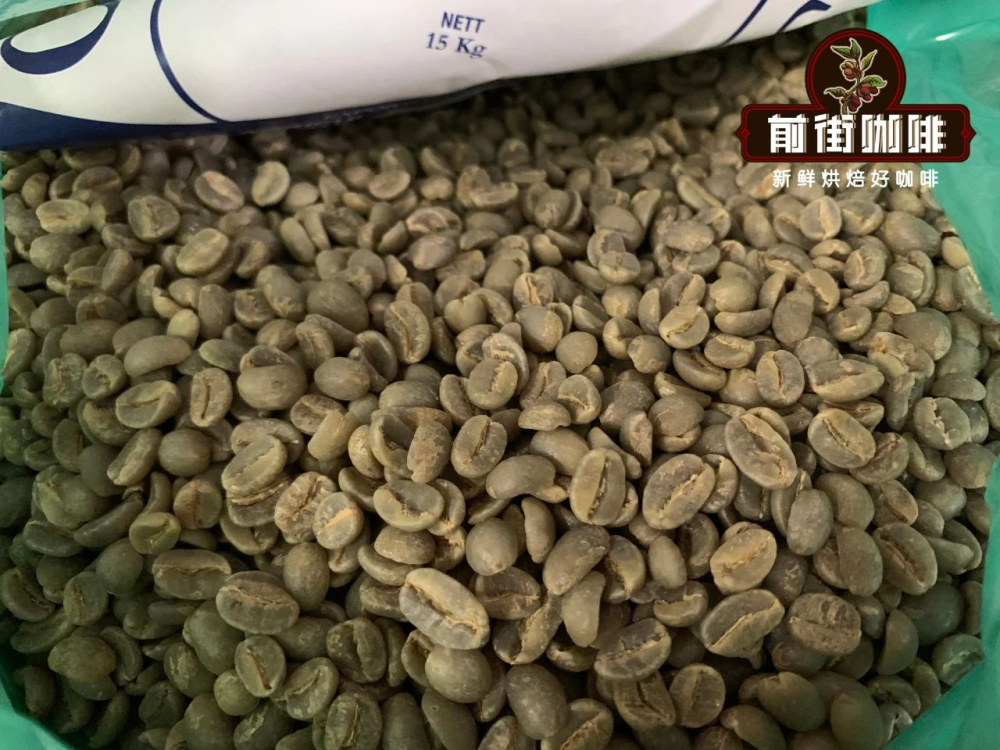
Jamaican Blue Mountain coffee is subdivided into four grades based on quality: No. 1, No. 2, No. 3, and PB (Peaberry, or round bean). Among these, No. 1 is the highest grade, with criteria including a bean size of 17 mesh or larger, a defect rate below 3%, and a moisture content of about 13%. These strict conditions make Blue Mountain No. 1 extremely rare on the market and is what most people refer to when they say “Blue Mountain coffee.” In contrast, other grades are less circulated in the international market, especially in Asia.
It’s worth mentioning that Blue Mountain coffee still insists on using wooden barrels as the primary packaging method, which is quite rare among global coffee-producing regions. The barrels undergo special treatment to effectively regulate humidity, preventing green beans from drying out excessively or becoming damp, while also avoiding absorption of odors and damage to the beans. This traditional packaging not only serves a functional purpose but also symbolizes the premium positioning of Blue Mountain coffee. Each barrel of Blue Mountain coffee is sealed with an official certification stamp, ensuring the authenticity of its origin and quality. Common barrel sizes include 15 kg, 30 kg, and 70 kg, with the brand’s imported Blue Mountain No. 1 being directly imported in original barrels from the historic Clifton Estate, processed using the washed method.
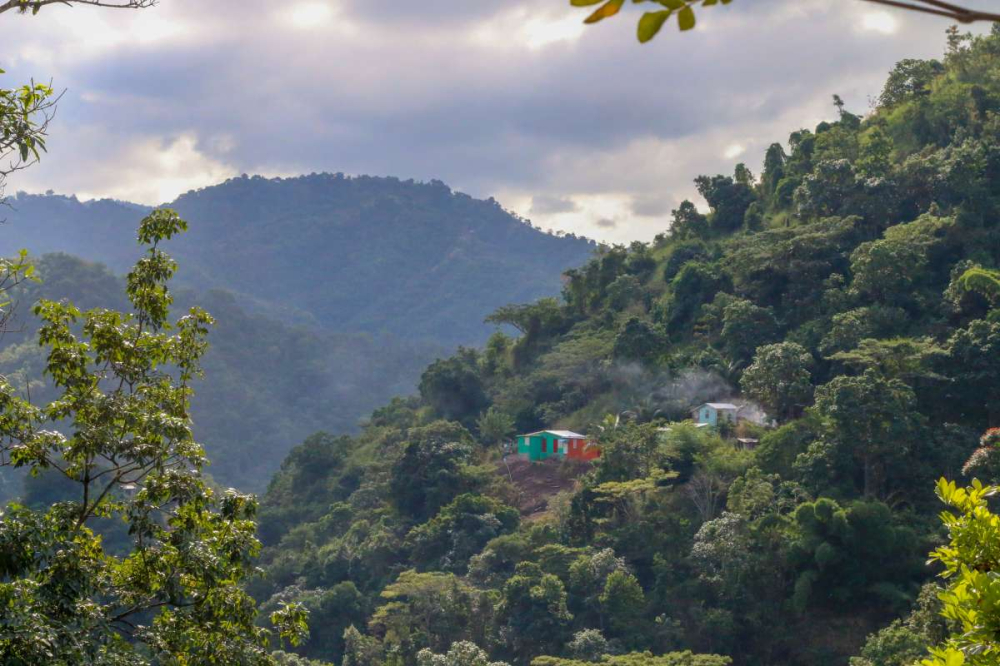
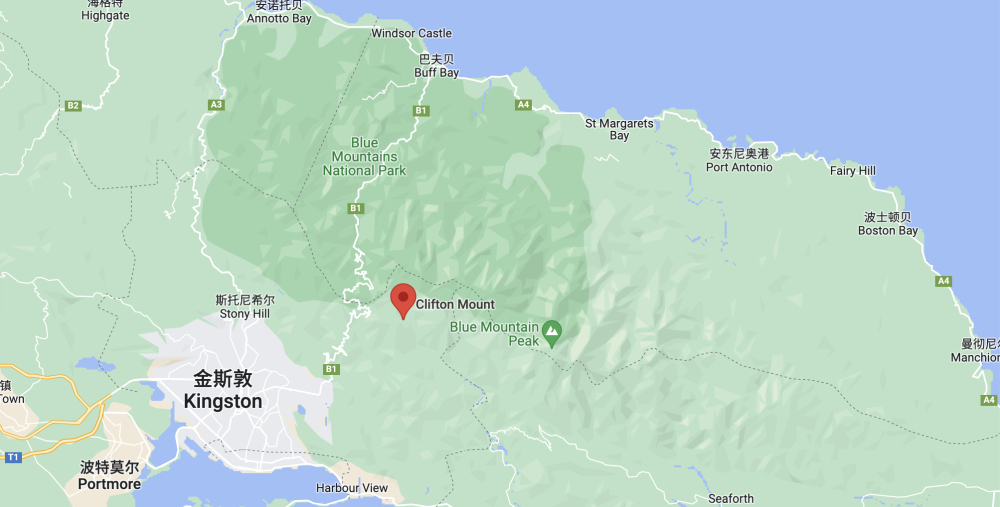
When discussing the origin of Blue Mountain coffee, one must mention the Clifton Estate. Established in the mid-18th century, this estate is not only the oldest coffee-growing site in Jamaica but also became the country’s largest coffee estate by 1900. Since being taken over by the Sharp family in 1978, the estate has undergone large-scale modernization reforms, including building Jamaica’s largest coffee processing plant, BMCP, and implementing environmentally friendly measures such as solar power generation and wastewater treatment systems. Coffee pulp is also recycled to produce organic fertilizer, showcasing a commitment to sustainable management.
In terms of processing methods, the Clifton Estate continues the traditional washed process. After harvesting, coffee cherries are first rinsed and sorted in water to remove impurities, then fermented to remove the mucilage layer for about 8 to 12 hours. The beans are then continuously agitated and washed in clean water to ensure a smooth surface free of residue, followed by drying to achieve a moisture content of 12% to 14%. A final sorting and grading process is carried out before storage. This washed process gives Blue Mountain coffee a bright, clear acidity, a rich body, and exceptional cleanliness, and is regarded as the processing method that best represents the quality of Jamaican coffee.
Blue Mountain No. 1 primarily uses the Typica variety, one of the oldest and most stable quality Arabica lineages. Due to the washed processing method, green beans usually appear light green, and because of the strict quality control, the beans are plump, uniformly sized, and have an extremely low defect rate. These factors collectively contribute to the high reputation and rarity of Blue Mountain No. 1 in the market.
In terms of flavor, Blue Mountain No. 1 is known for its balanced acidity, sweetness, and bitterness, with a rich and layered mouthfeel. Common flavor notes include chocolate, cocoa, caramel, nuts, and the aroma of dark chocolate. It feels smooth on the palate, with soft acidity and pronounced sweetness, leaving a long, clean aftertaste. This well-rounded flavor profile makes it highly appealing whether as a single-origin coffee or a base for blends.
To fully experience the potential of Blue Mountain No. 1, it is recommended to brew it using the pour-over method. It is suggested to use freshly roasted coffee beans (within 5 days of roasting) to fully appreciate its vibrant aroma and flavors. Here are expert pour-over reference parameters: use a KONO filter, 15 grams of coffee, medium-coarse grind (about 75% passing through a 20-mesh sieve), a 1:15 coffee-to-water ratio, and water temperature controlled at 88°C. For pouring, a three-stage method is recommended: the first stage involves pouring 30 ml for a 30-second bloom; the second stage involves pouring 100 ml in a circular motion, then adding 95 ml in the third stage once the liquid level drops close to the bed of grounds, until filtration is complete, with a total extraction time of about 2 minutes. These parameters highlight the sweetness and rich body of Blue Mountain No. 1, making it ideal for coffee lovers seeking a refined taste.
In summary, the reason Jamaican Blue Mountain coffee has remained unshaken is not only due to its unique geographical environment but also because of its strict grading system, traditional packaging methods, and exquisite processing techniques. From the wooden barrel packaging to the washed process at Clifton Estate, and to the refined flavors of Blue Mountain No. 1 and expert brewing recommendations, every step reflects the craftsmanship and dedication behind this top-tier coffee.
The above content is compiled by CoffeeHunters, a coffee news website.


