







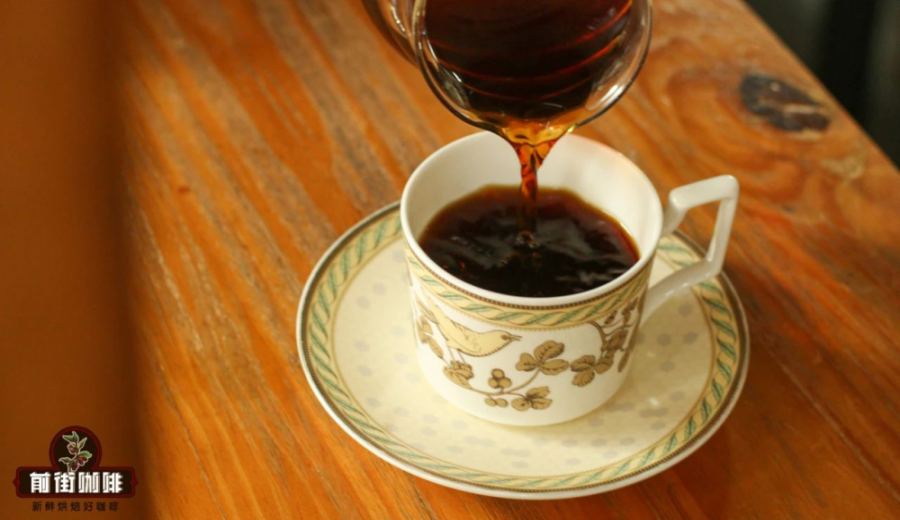
Introduction:Have you ever had this experience: a steaming cup of coffee that, once cooled, turns bitter and astringent—completely different from its original flavor? In fact, coffee temperature not only affects mouthfeel but also influences overall flavor expression. This article delves into how acidity, sweetness, and bitterness in coffee change as it cools from hot to cold, helping you find the optimal drinking temperature range and debunking the myth of whether reheating can restore lost flavors.
Many people are accustomed to drinking coffee while it’s hot, but you may not realize just how significantly temperature impacts coffee flavor. Professional cuppers typically evaluate a coffee at high, medium, and low temperatures, because different temperatures alter both the release of flavor compounds in the coffee and the sensitivity of human taste perception. This explains why the same cup of coffee can taste vastly different at varying temperatures.
First, let’s discuss the most commonly noticed “bitterness.” The human palate is highly sensitive to bitterness, especially as temperature decreases—bitterness becomes more pronounced when the coffee cools. This is because, at high temperatures, the heat temporarily numbs the taste buds, making bitterness less noticeable. But as the coffee gradually cools, particularly dark roasts, the bitterness becomes sharper and even hard to swallow.
As for “sweetness,” it performs best at temperatures close to human body temperature, around 37°C to 50°C . Within this temperature range, the sugar compounds and flavor molecules in coffee interact more effectively with the taste buds, making sweetness and aftertaste more pronounced. If you want to fully appreciate the layers of sweetness in your coffee, try waiting until it cools slightly into this range before tasting.
“Acidity,” on the other hand, is relatively less affected by temperature—but not entirely unaffected. Light-roast coffees, which naturally contain fewer bitter compounds and are dominated by acidity and sweetness, can see their sweetness fade when the temperature drops below 30℃ , allowing acidity to take center stage. Additionally, the oxidation of coffee oils is another reason why acidity may become harsher after cooling.
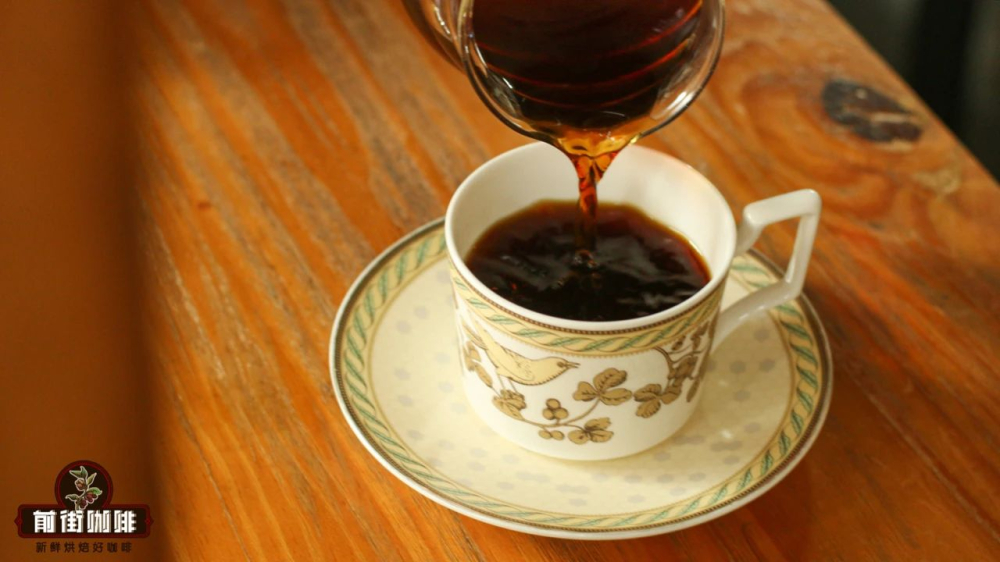
So why does coffee sometimes develop unpleasant bitterness or acidity after cooling? This mainly relates to two factors: oil oxidation and the oxidative polymerization of pigments. During brewing, although most oils are trapped by the filter paper, trace amounts still make it into the cup. Once these oils come into contact with air—especially as the coffee cools—they are prone to oxidation, leading to rancid flavors or pronounced sourness, commonly seen in light roasts.
Moreover, the caramelized pigments produced during coffee roasting gradually oxidize and polymerize over time when exposed to oxygen. This not only affects appearance but may also make the coffee taste more burnt and bitter, especially when cooled. These chemical changes are major contributors to the significant drop in flavor quality as coffee cools.
So what is the ideal drinking temperature for coffee? Based on experience and sensory science, freshly brewed coffee is typically around 70°C or above. At this high temperature, while it releases a wealth of volatile aromas, it can also be quite harsh on the palate—it’s best to first enjoy the aroma and savor the vibrant fruity or floral notes carried in the steam. When the temperature drops to around 60°C, the coffee’s body becomes most pronounced; at around 50℃, acidic and sweet compounds along with delicate aromas start to shine, making it an ideal time to enjoy floral, fruity, or nutty profiles. As the temperature nears 37℃, sweetness is at its peak, while at room temperature, acidity becomes most noticeable.
Different roast levels also come with their own recommended optimal drinking temperatures. For beans with prominent sweet and acidic profiles—like light to medium roasts—it’s suggested to drink them between 30°C and 50°C ; meanwhile, bold, low-acid dark roasts showcase their flavor characteristics better between 40°C and 60°C .
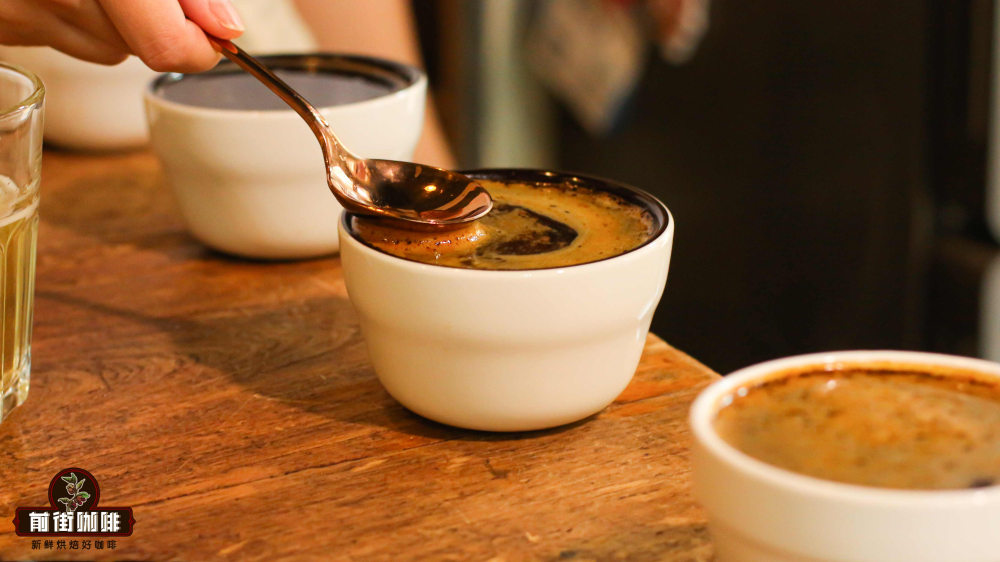
Finally, many wonder: if your coffee goes cold, can you reheat it to salvage the flavor? The answer is no—it’s not recommended. By the time coffee cools, many volatile aromatic compounds have already dissipated. Reheating not only fails to restore the original aromas, but may actually intensify unpleasant bitterness and acidity, further unbalancing the overall flavor. If you really want a warm cup, it’s better to control your drinking pace right after brewing and enjoy it at its peak—only then can you truly experience the essence of coffee.
The above content is compiled by CoffeeHunters, a coffee news website.


