








Introduction:The Moka pot is many coffee lovers' first "espresso machine." It's simple to use yet capable of extracting rich, strong coffee. But to consistently brew a well-balanced cup with a generous crema, there's an art to selecting beans, grinding, and getting the water-to-coffee ratio right. This article explains in detail the types of coffee beans suited for the Moka pot, how to judge grind size, how to control water volume and heating time, and provides clear brewing steps to help you get it right the first time and brew a cup that approaches the flavor of an espresso machine.
Since its invention in 1933 by Alfonso Bialetti, the Moka pot has been a go-to tool for many households seeking to make strong coffee. This classic Italian device has a simple structure but specific requirements when it comes to coffee beans and grind size. As long as you master the right parameters and techniques, even beginners can use a Moka pot to brew a coffee with balanced flavor and delicate crema.
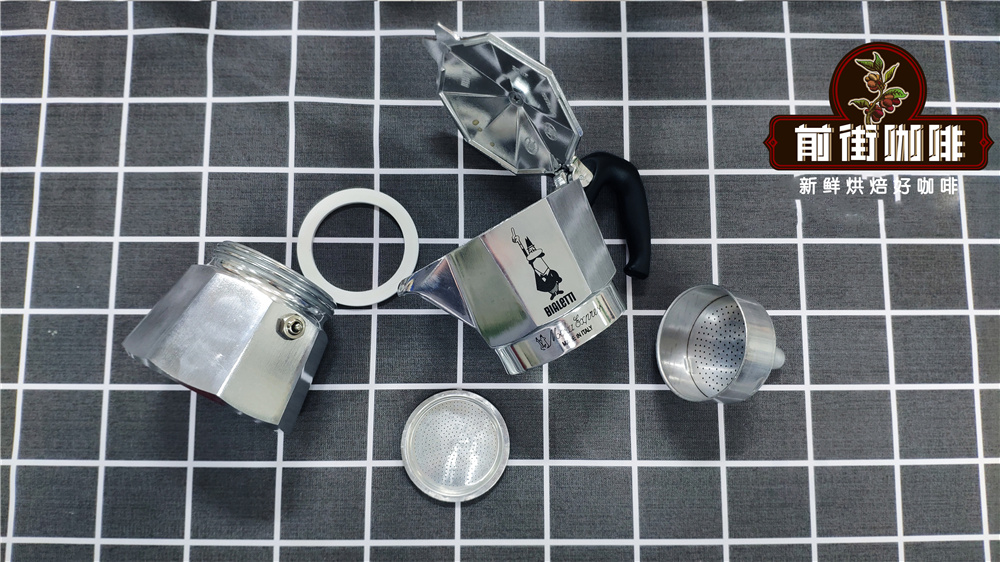
Compared to professional espresso machines, the Moka pot has a much lower barrier to entry and requires almost no additional equipment to operate. Its working principle is similar to distillation-style extraction: steam pressure generated by heating the lower chamber pushes water up through the coffee grounds, eventually extracting coffee liquid in the upper chamber. This method shares similarities with early commercial espresso machines, which is why choosing the right coffee beans and grind size is crucial.
In Italy, many households directly purchase coffee labeled "for Moka pot," which is already adjusted in roast level and grind size for the Moka pot’s characteristics—making it easy for even non-coffee experts to use. But in Taiwan or overseas markets, such pre-ground coffee is harder to find, so selecting beans and grinding them yourself becomes essential. Because the coffee brewed from a Moka pot tends to have a strong flavor, light-roast beans can easily result in sharp acidity and thin crema. It's recommended to prioritize medium-to-dark roast beans to achieve a rounder flavor profile.
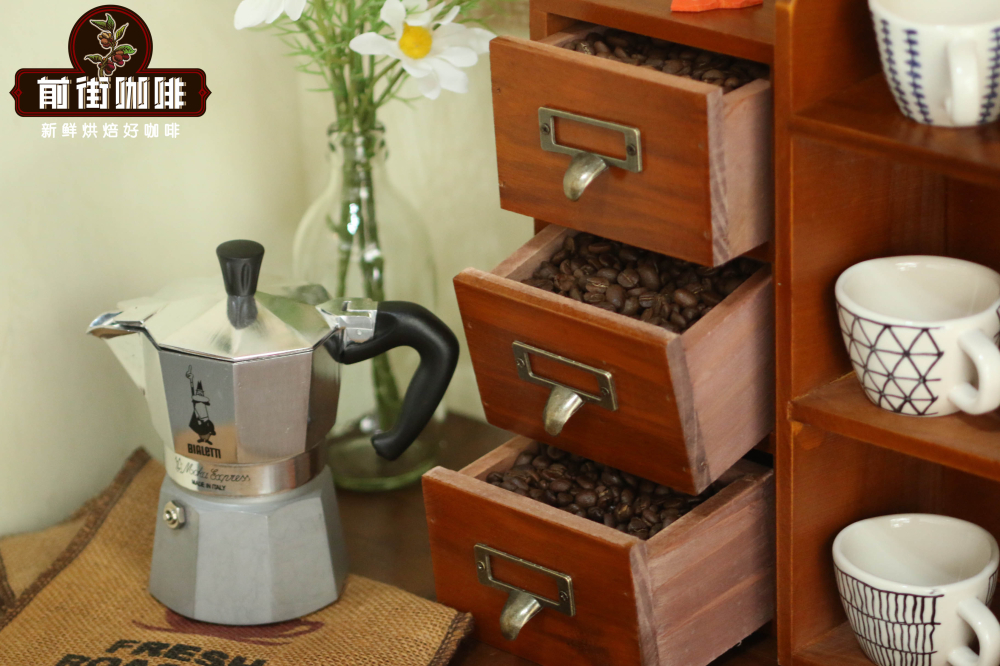
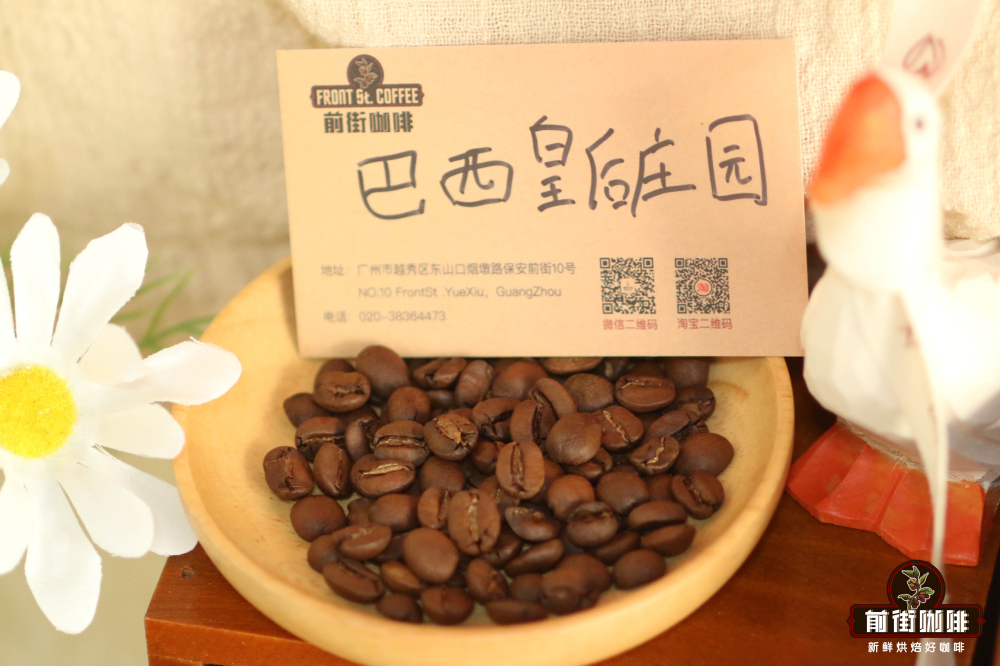
For beginners, espresso blends are the safest choice. These beans are typically a mix from different origins, with recipes carefully designed to balance flavor and mouthfeel. For example, blends using Brazilian and Colombian beans often feature notes of nuts, cream, and white chocolate, with a sweet and smooth taste and a rich crema—perfectly suited for extraction with a Moka pot. If you want to explore the unique flavors of a single origin, medium-roast beans from Queen Estate or Bird of Paradise Estate are good options; these two varieties offer a balanced profile, intense nutty aromas, and a natural sweetness reminiscent of fruit sugars.
For users who prefer bold flavors, the dark-roast Indonesian Golden Mandheling is a recommended choice. This bean has unique herbal and earthy tones that complement the high-pressure extraction of the Moka pot, showcasing rich layers of flavor. If you'd like more varied coffee notes, you might also try strawberry sugar espresso beans with floral and fruity characteristics—their flavors of grape, rose, dried blueberry, and fruit gummy are vivid, and the crema performance is excellent, adding extra interest to your Moka pot brew.

Many users often ask: “Should Moka pot coffee be ground as fine as for an espresso machine?” The answer is no. Although both the Moka pot and espresso machine aim for high-pressure extraction, their pressure sources and designs differ, and thus the grind size must be adjusted accordingly. The ideal grind for a Moka pot should be slightly coarser than espresso—roughly comparable to the gap size of the filter basket, ensuring the coffee particles don't leak into the lower chamber but not so coarse that the pressure is insufficient, leading to incomplete extraction.
Grind size directly affects extraction time and yield: the finer the grind, the slower water flows through, and the longer the extraction time—but overly fine grinding may lead to over-extraction and bitterness. The coarser the grind, the shorter the extraction time, but under-extraction may occur, resulting in weak flavors. Generally, suitable Moka pot coffee grounds are about 0.3 to 0.55 mm in size. Without a particle size ruler, you can observe the extraction: if you hear boiling but the coffee doesn’t rise, it might be too fine—turn off the heat immediately. If the coffee gushes out like a fountain, it may be too coarse.
Mastering the correct brewing steps is key to making a good cup of coffee. First, fill the Moka pot’s lower chamber with pure water, keeping the water level about 0.5 cm below the safety valve to avoid contact with the filter. Next, add the coffee grounds to the filter basket, gently level them, then shape into a small mound. Use a distribution technique to even out the surface, ensuring uniform density and avoiding over- or under-extraction in certain areas. Filling the basket helps improve consistency and prevent unwanted off-flavors.
When assembling the Moka pot, make sure the upper and lower chambers are tightly screwed together to prevent steam leakage, which could affect pressure. Place it on a stove or hot plate and heat over high flame. When you hear a distinct gurgling sound, reduce to low heat and open the upper chamber lid to observe. Once about half the coffee has flowed out, turn off the heat and let residual heat and pressure complete the extraction. Finally, pour the coffee from the upper chamber into your cup and enjoy its bold flavor. If desired, adjust strength to taste by adding water or milk.
The above content is compiled by CoffeeHunters, a coffee news website.


