







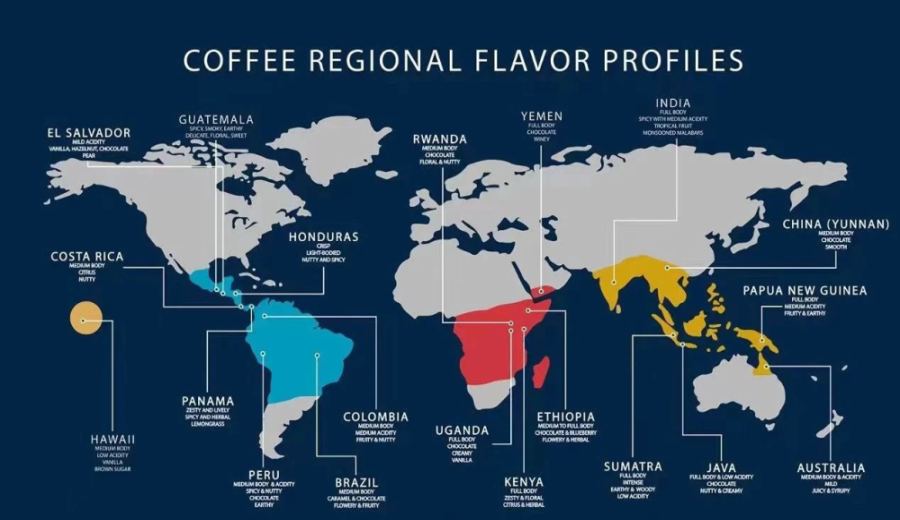
Introduction:As an important origin of specialty coffee in China, Yunnan is renowned for its small-bean coffee, which stands out with pronounced fruity aromas and a well-balanced acidity and sweetness. Particularly, the Typica, Bourbon, and Catimor varieties cultivated in high-altitude environments each exhibit unique flavor profiles. This article delves into the characteristics of these three major varieties, the growing conditions in Yunnan’s four core producing regions, and the actual cultivation and processing techniques of estates in places like Baoshan and Lincang—helping you master the key insights for selecting and brewing Yunnan beans.
Located in the high-altitude mountainous areas between 15°N and the Tropic of Cancer, Yunnan shares similar geographic and climatic conditions with Colombia, giving rise to its “small-bean coffee” that is rich in flavor yet not bitter, with soft aromas and a hint of fruitiness. This region not only benefits from the ideal day-night temperature variation for coffee growth but also boasts fertile soil and ample sunlight, enabling Yunnan coffee to gradually make its mark in the global specialty market. This article will provide a detailed introduction to Yunnan coffee—from its planting history and four major producing regions to the differences among the three main varieties: Typica, Bourbon, and Catimor. Through real-life cases in Baoshan and Lincang, it will take you deep into the coffee potential of this land.
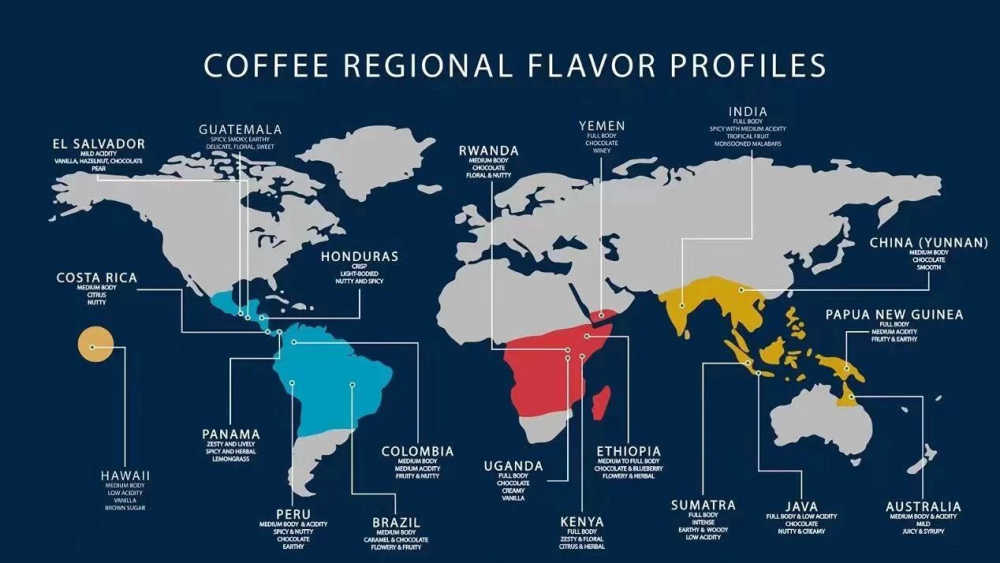
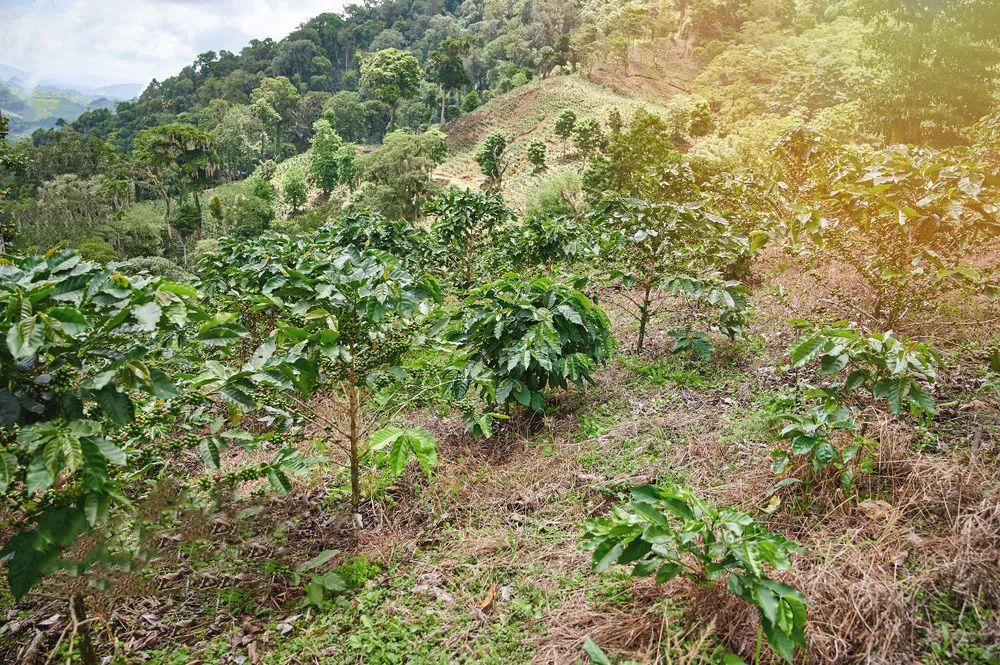
The global coffee-growing belt spans between 25°N and 25°S, with coffee being produced in 79 countries and regions within this zone. Yunnan, however, is concentrated between 15°N and the Tropic of Cancer, where high altitudes and low latitudes are the main geographic conditions for cultivating small-bean varieties, while medium-bean varieties are more commonly found in low-altitude, low-latitude areas. The mountainous regions here experience large day-night temperature differences and moderate rainfall. The high-altitude environment slows down the ripening process of coffee cherries, aiding in the accumulation of flavor compounds, ultimately delivering a unique taste that is rich yet refreshing, with a natural fruity note—truly a gem of coffee flavors along the Tropic of Cancer.
Since the reform and opening up, Yunnan has gradually promoted coffee as a key cash crop. However, due to limited transportation, backward technology, and vague market positioning in the early stages, it was mostly exported as low-cost raw material for making instant or low-end coffee products. It wasn’t until the past decade, with the rise of the specialty coffee concept and gradual advancements in local cultivation techniques and post-harvest processing, that Yunnan coffee began to attract international attention and gradually demonstrate its potential as a specialty bean.
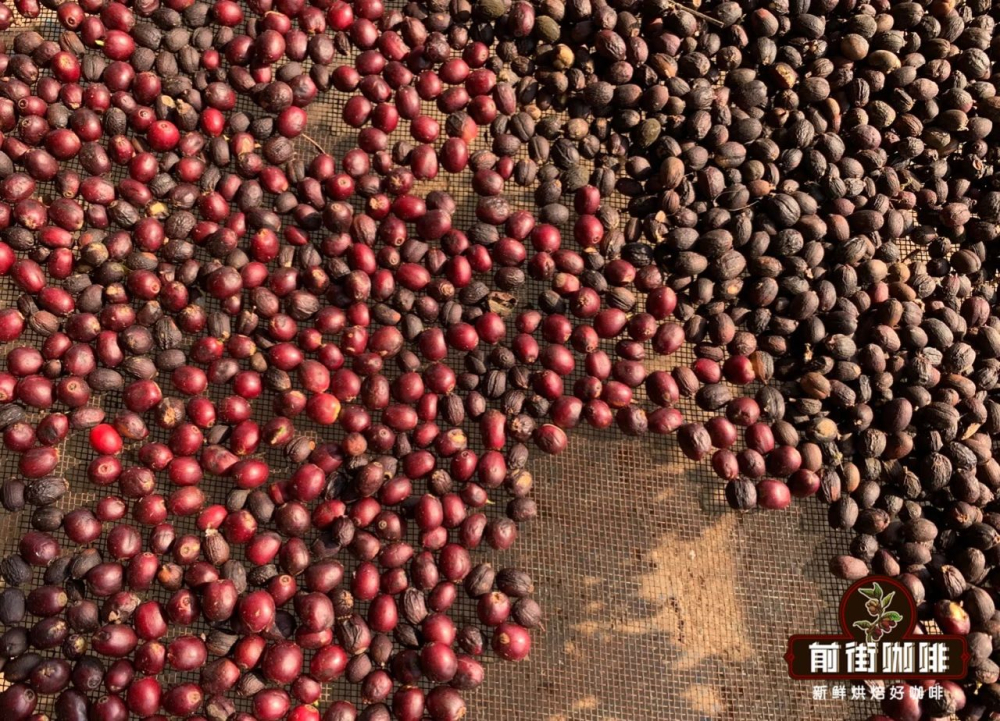
Yunnan’s coffee processing techniques have expanded from traditional washed processing to include diverse methods such as natural sun-drying and honey processing. Among these, washed and natural are considered the two mainstream processes that best highlight the original flavors of the producing region. Many coffee enthusiasts can discern distinct regional characteristics and layers of fruity aroma when tasting sun-dried Typica or washed Huaguoshan beans from Yunnan-producing regions. For consumers new to Yunnan coffee, understanding the interplay between origin, variety, and processing method is a key foundation for appreciating and selecting Yunnan beans.
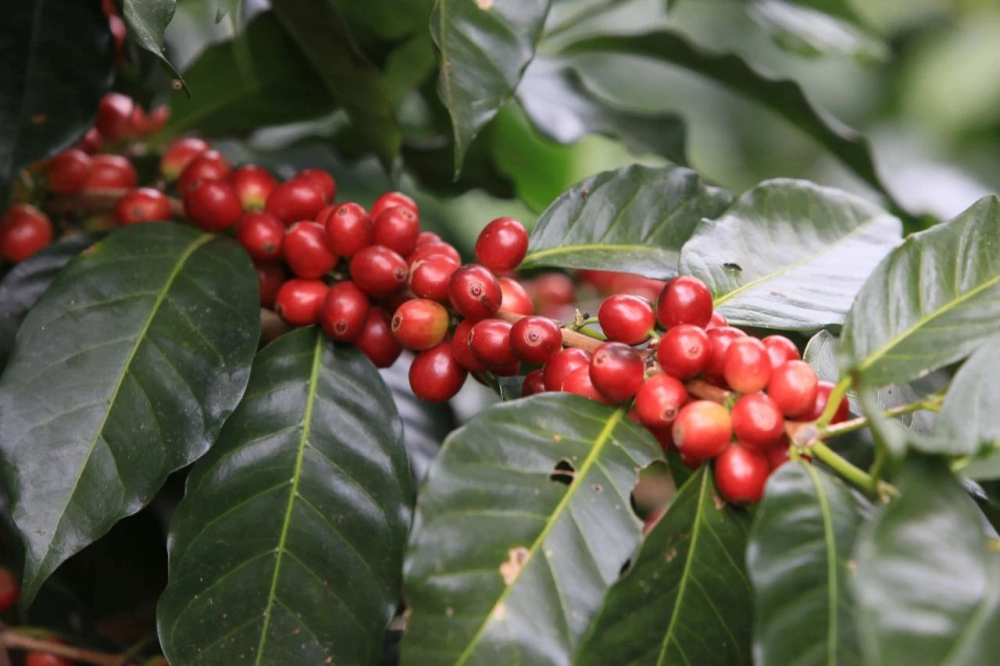
When discussing the origins of Yunnan coffee, one cannot overlook Zhukula Village—a remote settlement nestled in the mountains of Binchuan County, Dali, regarded as the starting point of coffee cultivation in China. According to the Binchuan County Annals, a French missionary named Father Térence Desmet planted the first batch of coffee trees here to meet his own consumption needs and taught villagers how to make coffee. This valley, surrounded by tributaries of the Jinsha River, still preserves over 13 acres of ancient coffee plantations, including 24 trees that are over a hundred years old, hailed as the “living fossils” of Chinese coffee—witnessing over a century of coffee’s rooting and evolution in Yunnan.
Currently, Yunnan’s coffee-growing areas cover regions such as Xishuangbanna, Wenshan, Baoshan, Lincang, and Dehong, with the latter four—Lincang, Baoshan, Pu’er, and Dehong—being the four core producing regions, mainly concentrated in southwestern Yunnan. Lincang lies on the southern edge of the Tropic of Cancer, bordering Pu’er to the east, Dali to the north, Baoshan to the west, and Myanmar to the southwest. It derives its name from its proximity to the Lancang River. This area experiences distinct wet and dry seasons, with an average annual temperature of about 16.8°C to 17.2°C, coupled with abundant sunshine, providing ideal environmental conditions for coffee growth. A local brand has established an exclusive estate in Lincang and launched its first self-produced coffee beans in 2021, marking another milestone for local specialty coffee.

Baoshan is known for its three-dimensional climate characterized by “four seasons on one mountain and different weather within ten miles.” Its low-latitude plateau characteristics make it highly suitable for coffee cultivation. As early as 1952, Baoshan began large-scale coffee planting, which has continued for over 60 years. With a current coffee plantation area of 5,000 mu, it is hailed as one of Asia’s best coffee-producing regions. The high-altitude coffee produced here is said to rival even Jamaica Blue Mountain No. 1 in quality, and it is also home to the world’s most expensive civet coffee. Data shows that in 2017, China’s coffee export volume reached 104,900 tons, valued at $646 million, with Baoshan coffee leading both in production (accounting for over 95% of the national total) and export performance, making it one of the most competitive agricultural industries in the region.
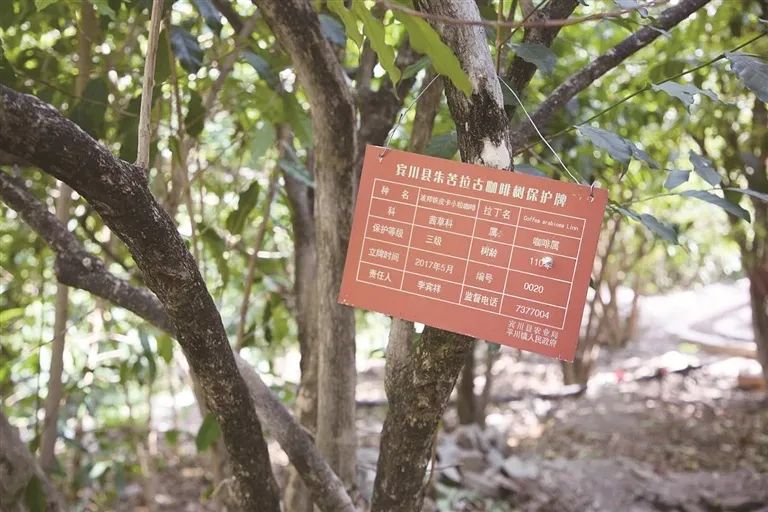
In terms of varieties, the most widely planted in Yunnan is Catimor. In addition, places like Baoshan still retain small amounts of Typica and Bourbon varieties. Catimor is a hybrid of Timor (a cross between Robusta and Arabica) and Caturra (a mutation of Bourbon), with 25% Robusta genetics in its lineage. As a result, it generally has weaker aroma, pronounced bitterness, and is prone to astringency and moldy notes. Despite its high yield, its flavor profile is often criticized by professionals.
In contrast, Typica originates from Ethiopia and southern Sudan. It is a robust plant but sensitive to strong sunlight, with copper-colored top leaves, commonly referred to as “red-topped coffee.” It serves as the genetic foundation for many renowned specialty coffees, such as Jamaica Blue Mountain, Sumatra Mandheling, and Hawaiian Kona. Its biggest drawback is low yield, susceptibility to rust disease, and high management costs, resulting in relatively high market prices. Bourbon, a mutation of Typica, has green young leaves (also called “green-topped coffee”) and offers outstanding aroma layers and sweet flavor. However, it has weak disease resistance and low yield. In Central and South America, it has largely been replaced by more disease-resistant natural mutations like Caturra.
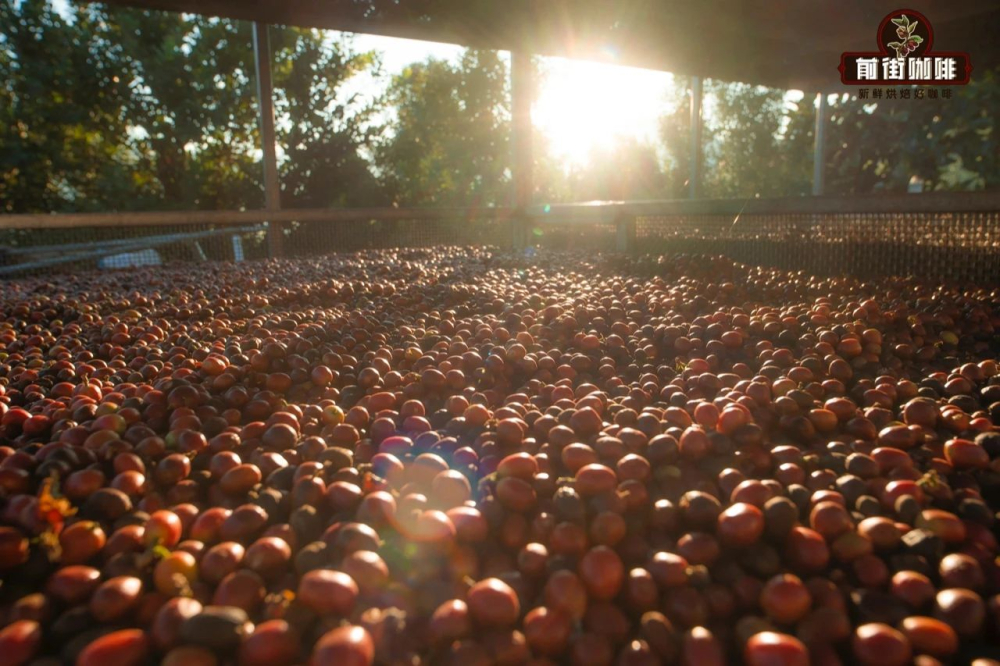
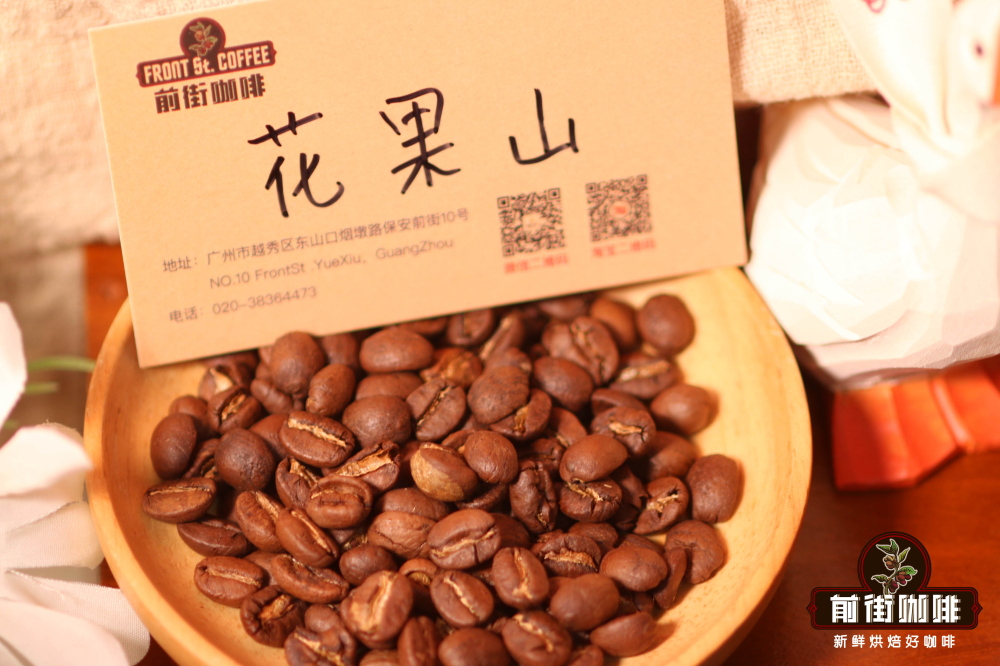
Taking real-life examples, a brand introduced the Typica variety to Baoshan five to six years ago, launching the “2013 Typica.” These beans are grown at an altitude of 1,200 meters and processed using the washed method, graded as AA. In terms of flavor, the dry aroma carries citrus and nutty notes, while the cup reveals plum and citrus acidity paired with nutty and brown sugar sweetness. The finish includes hints of black tea and subtle fruity acidity, offering a rich and balanced overall profile. Another coffee, the “Yunnan Huaguoshan Coffee Bean,” is also washed-processed. During roasting, it is dropped into the drum at 200°C, with control over dehydration and Maillard reaction timing, ultimately presenting complex aromas of fruit, melon, and herbs. The entry is smooth, with prominent nutty and chocolate notes in the mid-palate, lively acidity in the finish, and lingering apricot and brown sugar tones in the aftertaste. It is suitable for brewing with a V60 filter cone using water at 90–92°C, a 1:15 coffee-to-water ratio, and medium-fine grind to showcase its unique fruity acidity and aroma.
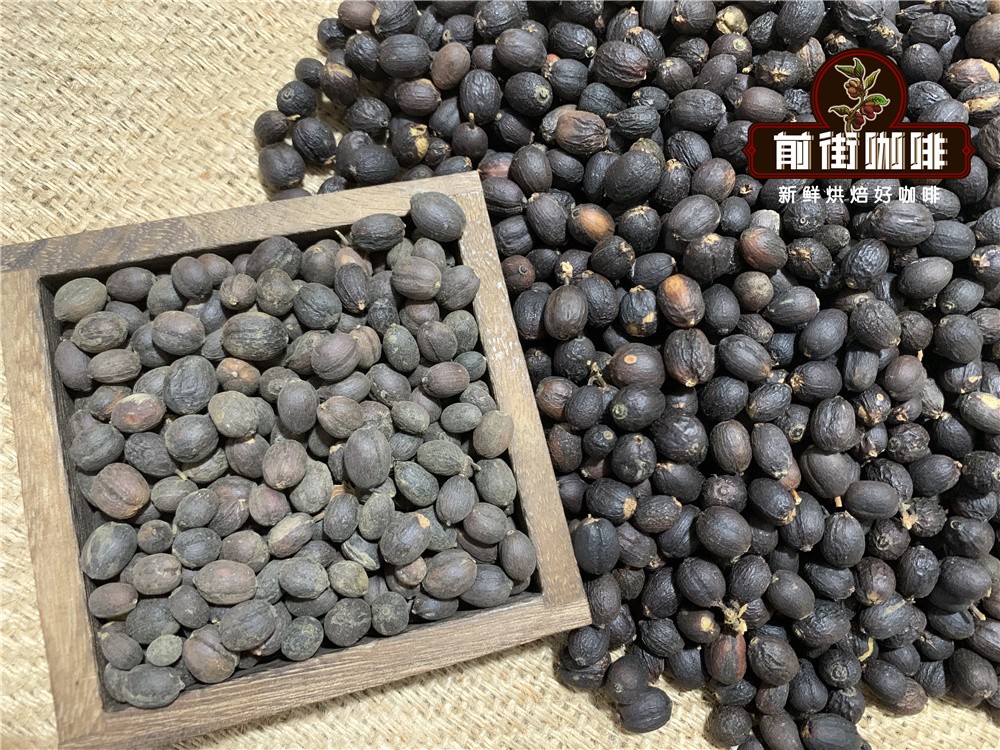
In summary, the diverse varieties and regional characteristics of Yunnan coffee offer coffee enthusiasts a rich selection ranging from beginner-friendly to advanced options. Whether you prefer the clear fruity acidity and floral notes of Typica or the rich mouthfeel and stable yield of Catimor, you can find corresponding flavor representatives in Yunnan. Understanding the characteristics of each variety, the growing environment of the regions, and the post-processing techniques will help you more accurately capture the unique charm of Yunnan coffee when tasting and selecting.
The above content is compiled by CoffeeHunters, a coffee news website.


