







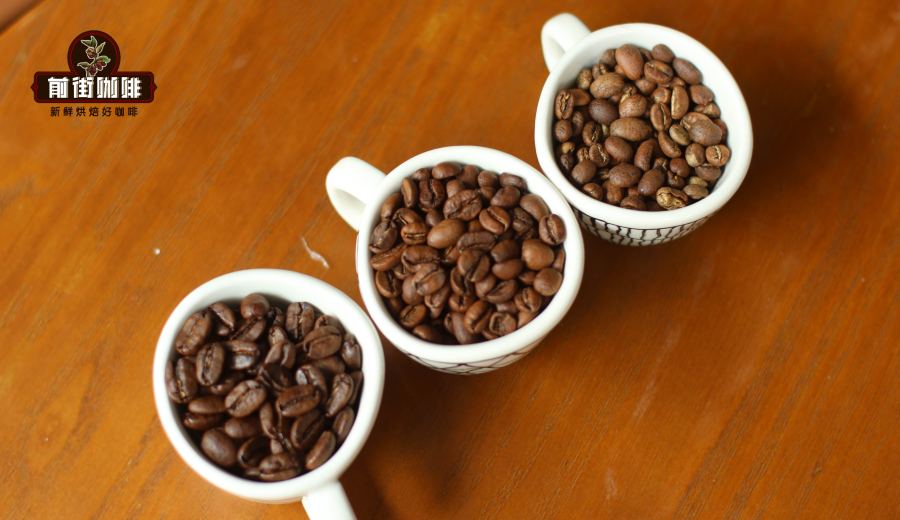
Introduction:Want to know if dark roasted coffee beans are suitable for pour over? This article delves into the brewing performance of renowned dark roast single-origin beans such as Jamaican Blue Mountain, analyzing how high concentration low extraction techniques bring out a rich body with lingering sweetness, and providing professional-grade parameters such as coffee-to-water ratio, water temperature, and grind size to help you extract the layered flavors of dark roast beans using the correct method.
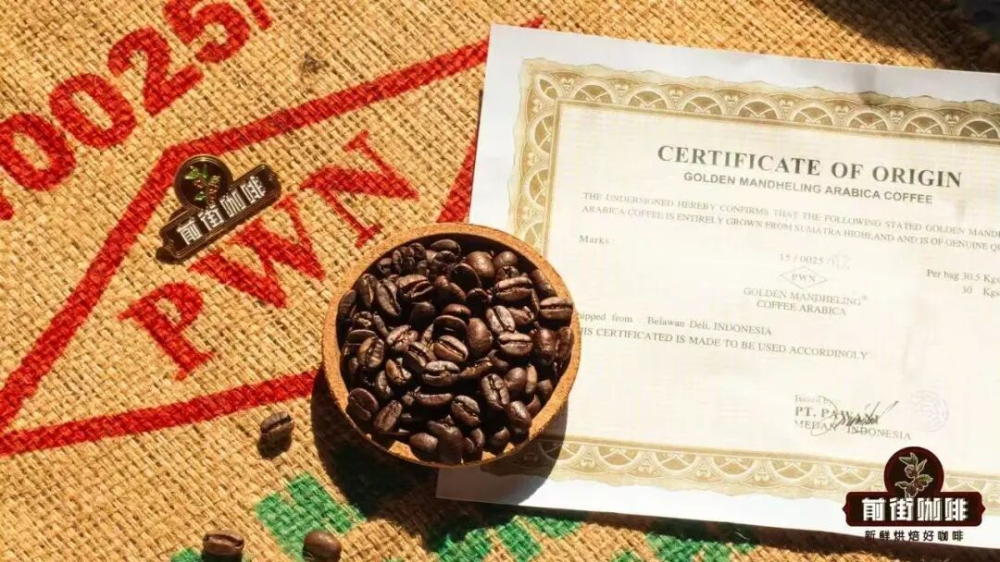
Coffee beans come in a variety of roasting styles, which can generally be simplified into three main categories: light roast, medium roast, and dark roast. Dark roast beans, due to their longer roasting time, exhibit more pronounced caramelization reactions, often carrying intense aromas of caramel, nuts, and dark chocolate, along with a rich body and more prominent aftertaste. Many coffee enthusiasts can experience this rich flavor when tasting Indonesian Golden Mandheling or dark roast beans from Central and South America.
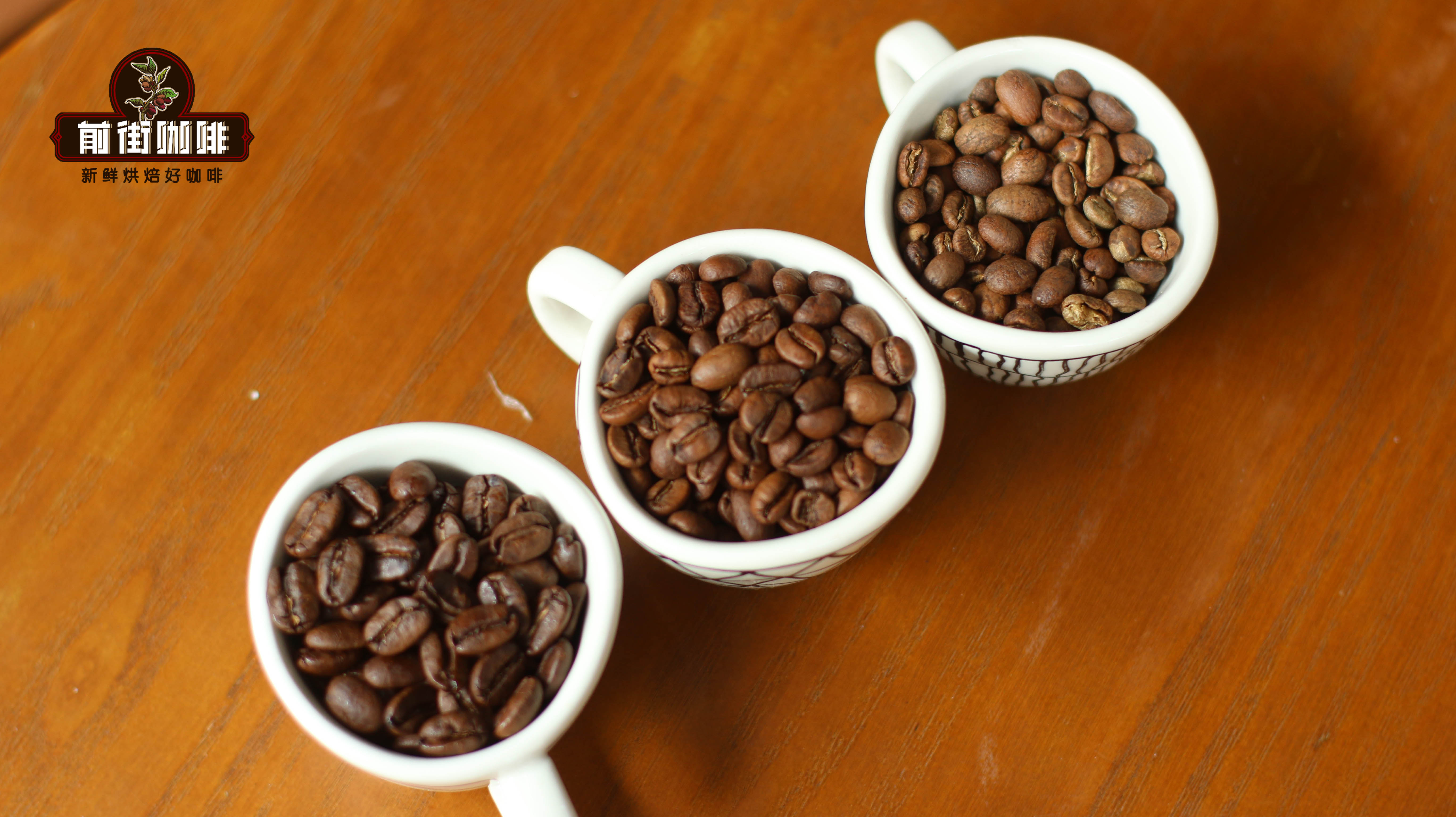
For beginner coffee enthusiasts who prefer the bold taste of dark roast flavors, it is recommended to consider factors such as bean variety, origin characteristics, and suitable brewing methods when selecting coffee beans. Seeking recommendations from professional shops can often help you find dark roast single-origin beans that suit your taste more quickly.

The charm of dark roast coffee partly stems from the transformation of natural sugars in the beans during the roasting process. Although high-temperature roasting reduces the total amount of sugar, the remaining sugars produce more sweet-tasting aromatic compounds through chemical reactions. The higher the quality of the beans, the richer their sugar content usually is, and with proper roasting, they can release even more captivating sweet aromas. Jamaican Blue Mountain No. 1 and other dark roast specialty beans from well-known regions are representatives in this regard.
To fully showcase the lingering sweetness and layered flavors of dark roast coffee, the key lies in the brewing technique. Among these, "high concentration low extraction" is a common technique in Japanese pour over, which increases coffee concentration by raising the coffee-to-water ratio, while controlling extraction time and water temperature to reduce bitterness and astringency caused by over-extraction, making sweetness and rich aftertaste more pronounced.
However, many people, when attempting high concentration low extraction, set the coffee-to-water ratio too high, which instead suppresses the release of later-stage flavors, leading to poor overall balance and less noticeable aftertaste. To brew a pot of dark roast coffee with balanced flavor and prominent aftertaste, it is necessary to precisely control parameters such as grind size, water temperature, coffee-to-water ratio, and time.
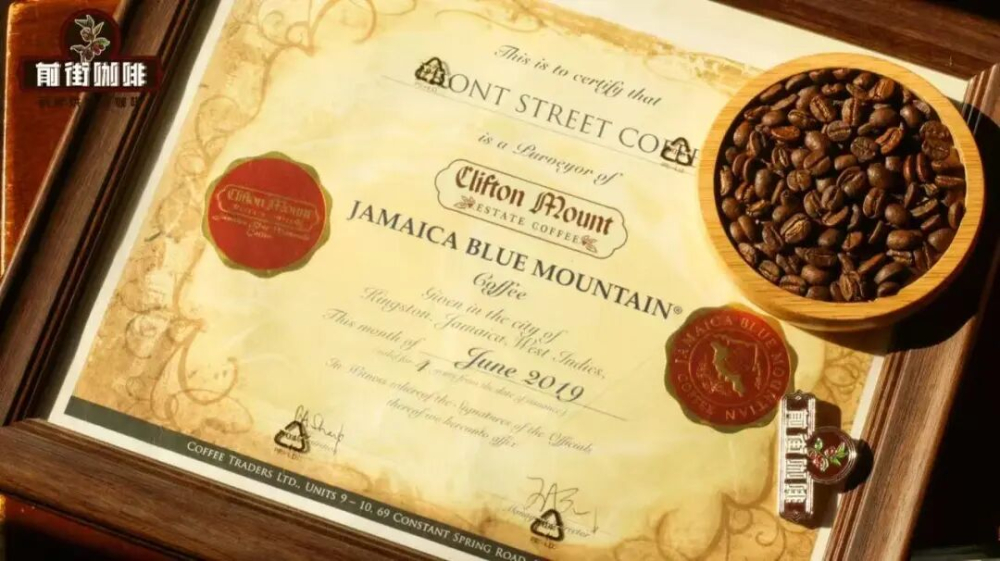
Below is a set of tested and effective pour over parameters, using Jamaican Blue Mountain No. 1 as an example: using 15 grams of coffee beans, with a coffee-to-water ratio set at 1:14, water temperature at about 89°C, grind size at around the 10.5 mark on the Ek43 grinder, equivalent to a 20-mesh sieve passing rate of 70%–75%. The overall extraction time is controlled to around 2 minutes, paired with a Kono filter cone, which can effectively stabilize flow rate and extraction uniformity.
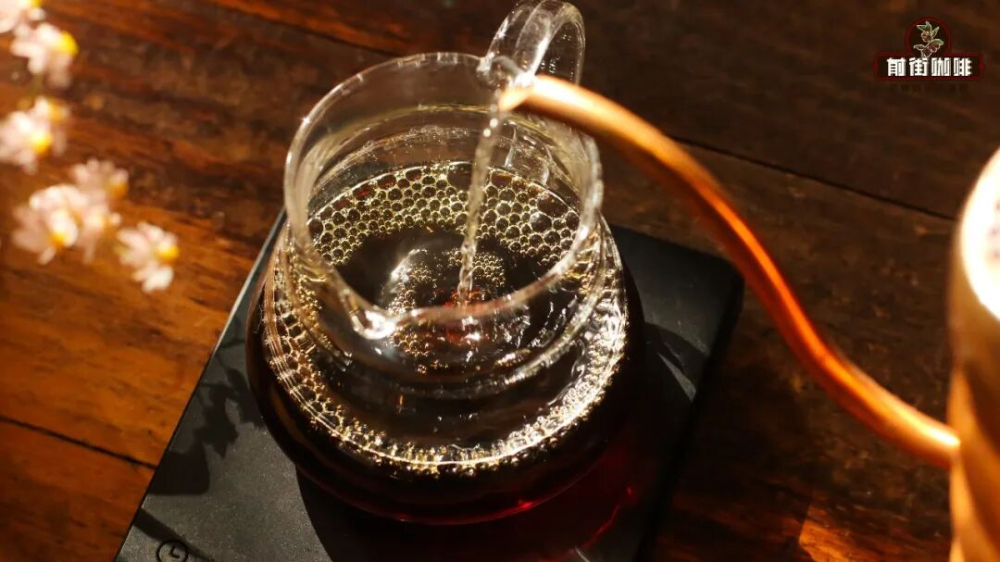
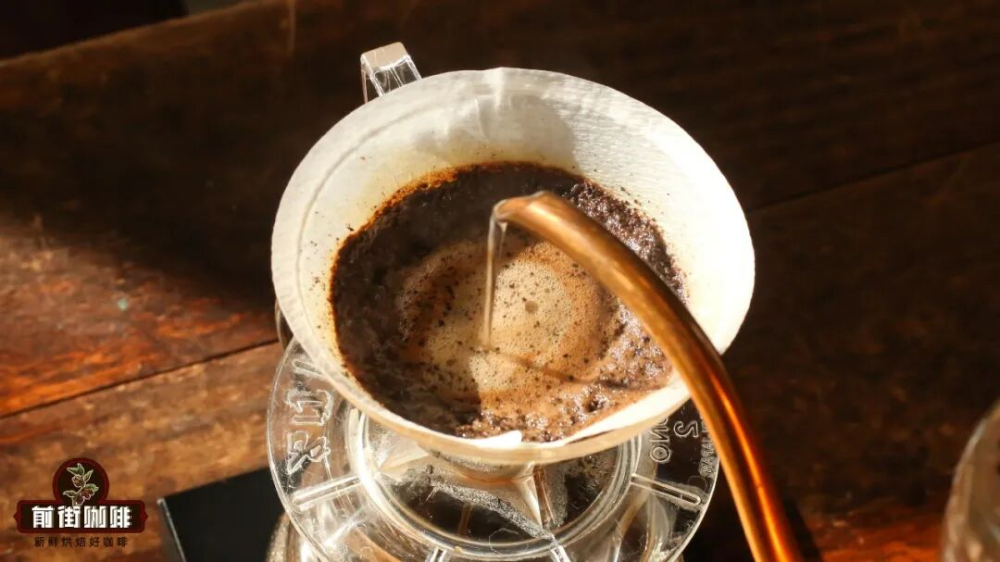
The first step is pre-wetting, also known as blooming. Pour about 30 milliliters of hot water, let it sit for 30 seconds to allow the carbon dioxide in the coffee grounds to fully release, laying a good foundation for subsequent extraction.
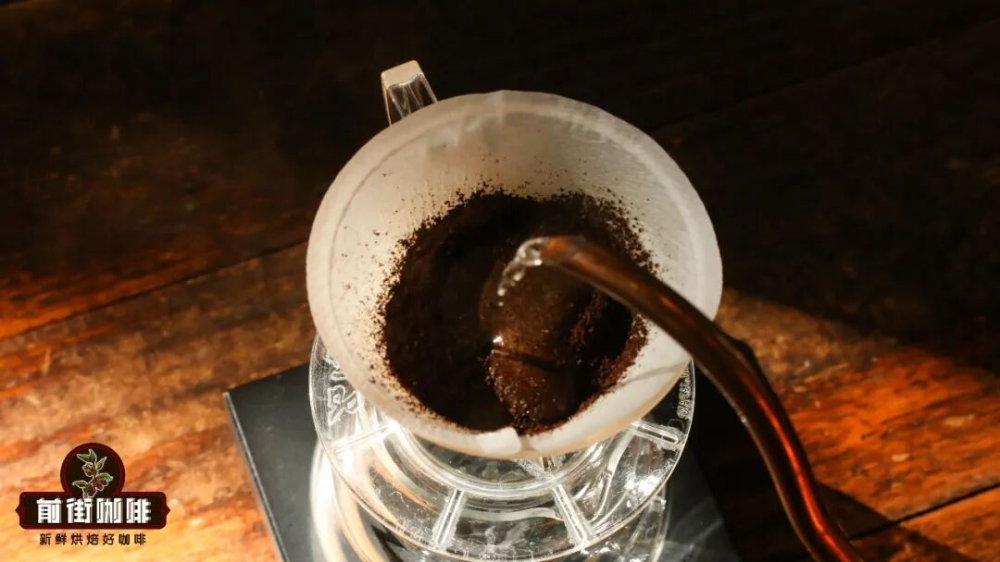
After blooming, inject about 100 milliliters of hot water in small streams in large circles to ensure even saturation of the coffee bed. Then, use an even finer stream in smaller circles to add 80 milliliters. At this stage, the water temperature is slightly lower and the flow rate is reduced, which helps extend the extraction time and further bring out sweetness and delicate aromas.
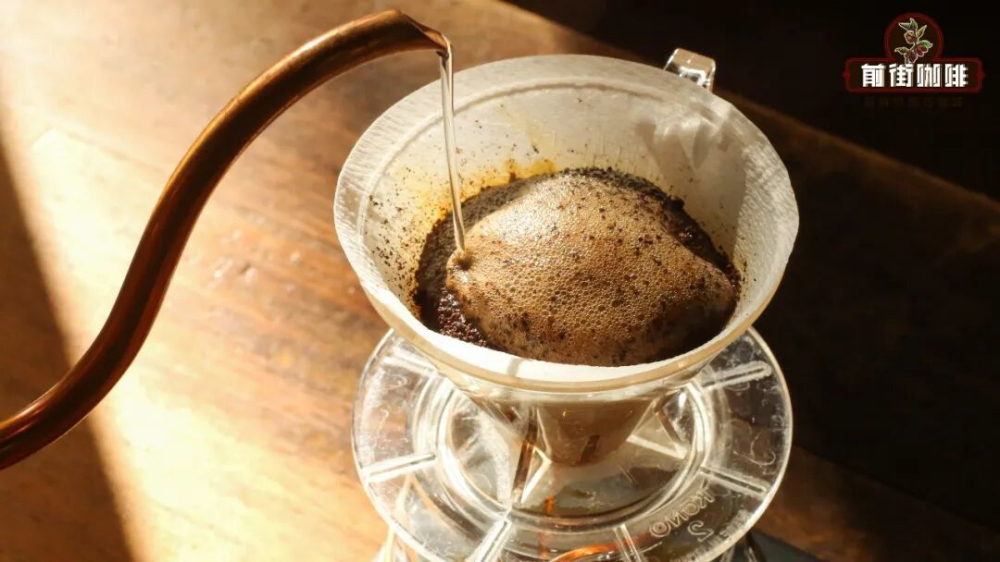
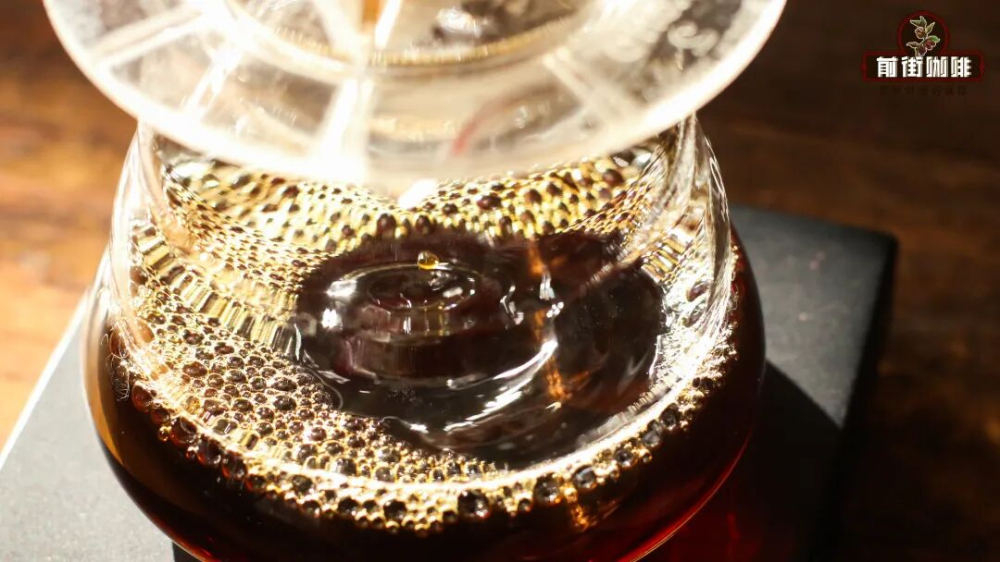
The total extraction time is about 2 minutes and 03 seconds, with overall performance being stable and as expected. If the concentration feels too strong, you can add an extra 15–30 milliliters of hot water for bypass dilution to adjust to your personal taste preference.
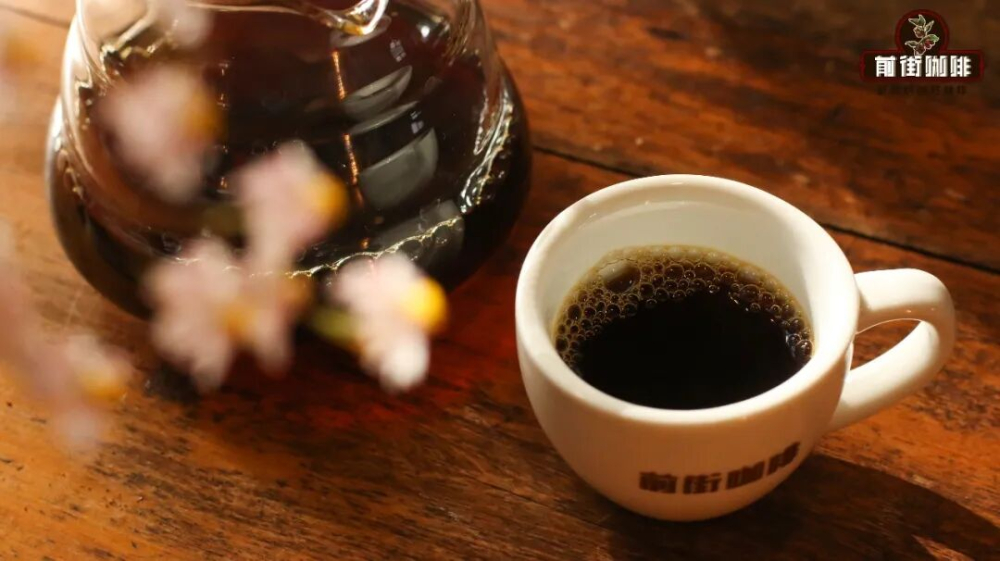
The final brew of Jamaican Blue Mountain No. 1 demonstrates a distinct lingering sweetness. The initial sip reveals a robust base of dark chocolate, nuts, and spices, which then transitions into the soft sweetness of maple syrup and cream. The overall mouthfeel is rich and full-bodied, with a long-lasting and distinctly layered aftertaste—representing a very classic dark roast pour over flavor profile.
The above content is compiled by CoffeeHunters, a coffee news website.


