







Introduction:In the use of semi-automatic espresso machines, the choice of portafilter has a significant impact on coffee flavor and operational convenience. This article delves into the structural differences between bottomless and spouted portafilters, compares their pros and cons, and provides practical extraction parameters and observational tips to help beginners understand how to choose the right portafilter based on their needs, while mastering the key details that affect extraction quality.
The coffee portafilter is one of the core tools of a semi-automatic espresso machine, mainly coming in two designs: one with a spout (spouted portafilter) and one without a base (bottomless portafilter). Many baristas and enthusiasts have faced the dilemma—Which type is better suited for them? This article will provide a detailed comparison of the two in terms of structure, user experience, and actual operation, along with practical recommendations.
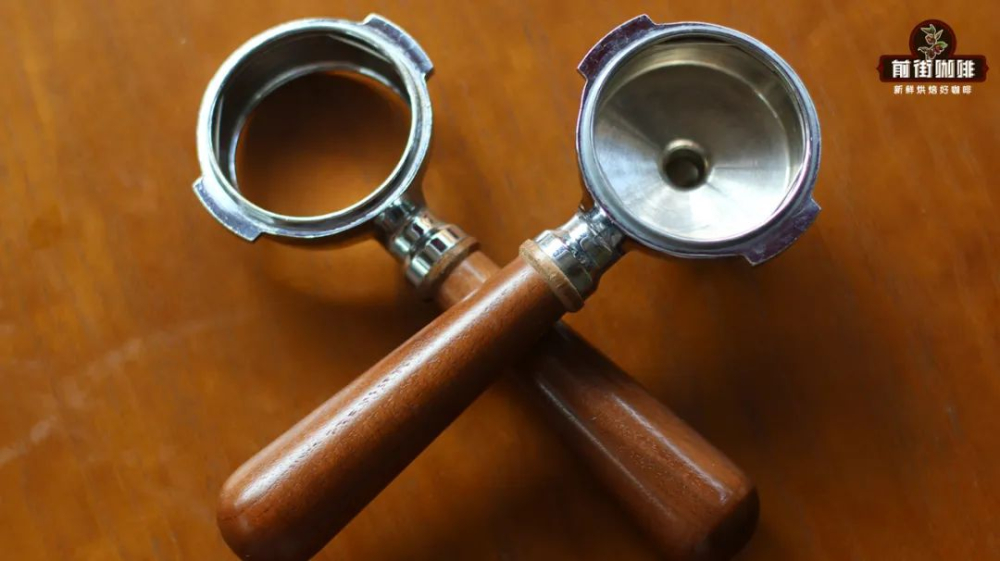
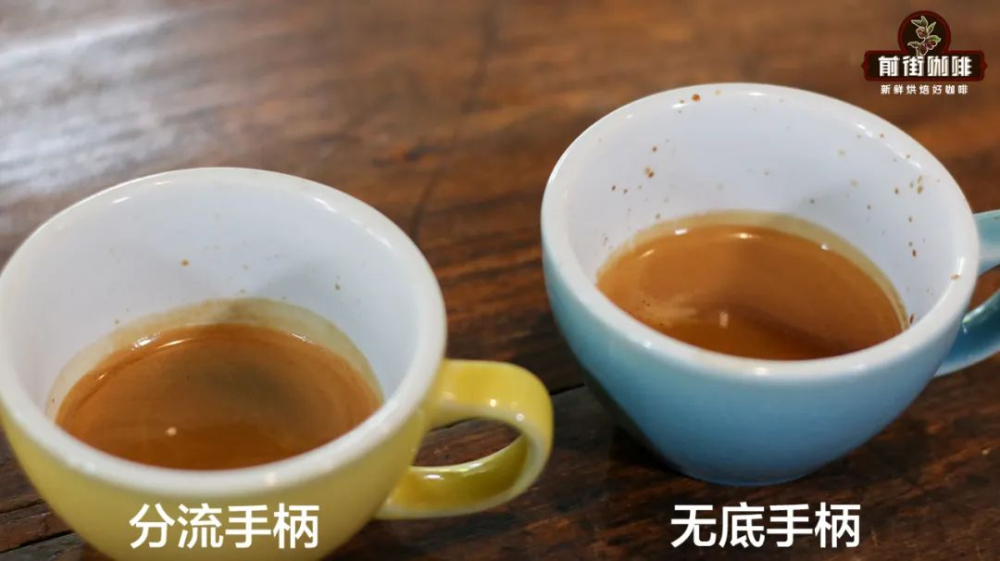
The spouted portafilter features a closed base with only a small outlet, usually equipped with a shower screen or splitter that evenly distributes a single shot of espresso into two cups. In contrast, the bottomless portafilter removes the closed base, allowing users to directly observe the condition of the coffee puck from the bottom. The advantage of this design is the ability to monitor the flow of coffee in real time, especially making it easier to identify channeling—when extraction is uneven, jets of coffee will visibly spray out from the bottom of the puck, which is more noticeable with a bottomless portafilter.
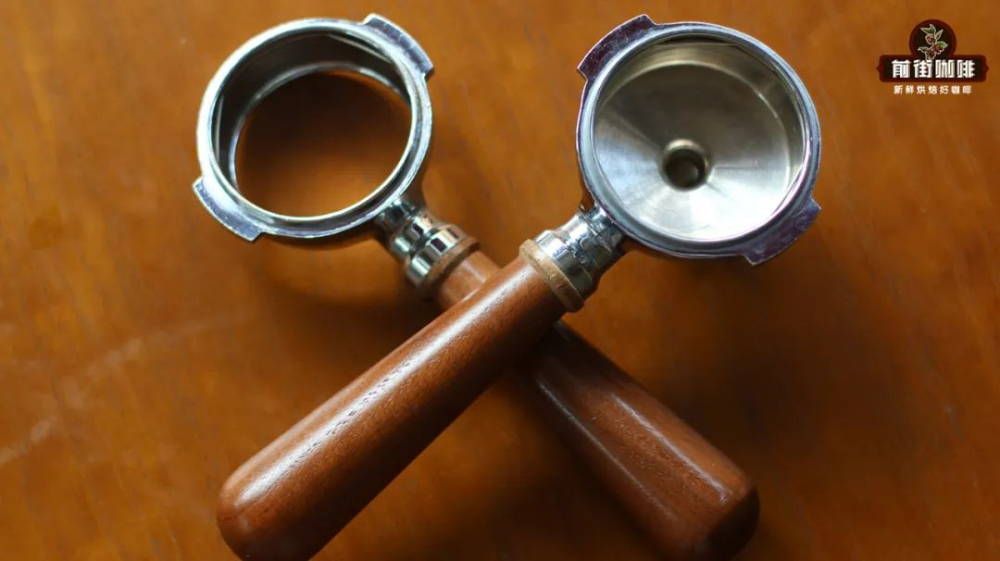
Interestingly, if your espresso machine only comes with a spouted portafilter, you don’t necessarily need to buy new equipment. By having a professional remove the metal base of the spouted portafilter, you can modify it into a bottomless one, with an effect almost identical to factory-made bottomless designs.
The advantage of the spouted portafilter lies in its spout design, which effectively reduces splashing when pouring coffee into cups. Additionally, when paired with a splitter, it conveniently divides a single shot into two cups, making it suitable for serving multiple customers at once.However, it also has notable drawbacks: the metal base absorbs a significant amount of heat, and if not properly preheated, it may affect the brewing temperature and final flavor of the coffee. Moreover, the structure of the spouted portafilter tends to accumulate coffee residue, requiring regular disassembly and thorough cleaning of the basket to prevent off-flavors in subsequent extractions.
The bottomless portafilter was designed precisely to overcome the limitations of the spouted version. Its greatest value lies in providing a direct visual perspective—through the bottom, users can monitor the flow rate, changes in concentration, and whether channeling occurs in real time. For baristas aiming for precise extraction, this observational capability is crucial.Furthermore, when making layered drinks like Dirty espresso, the bottomless portafilter saves space effectively, especially suitable for machines with limited distance between the group head and cup platform. Compared to spouted portafilters, it reduces vertical space usage by about 3–4 centimeters.
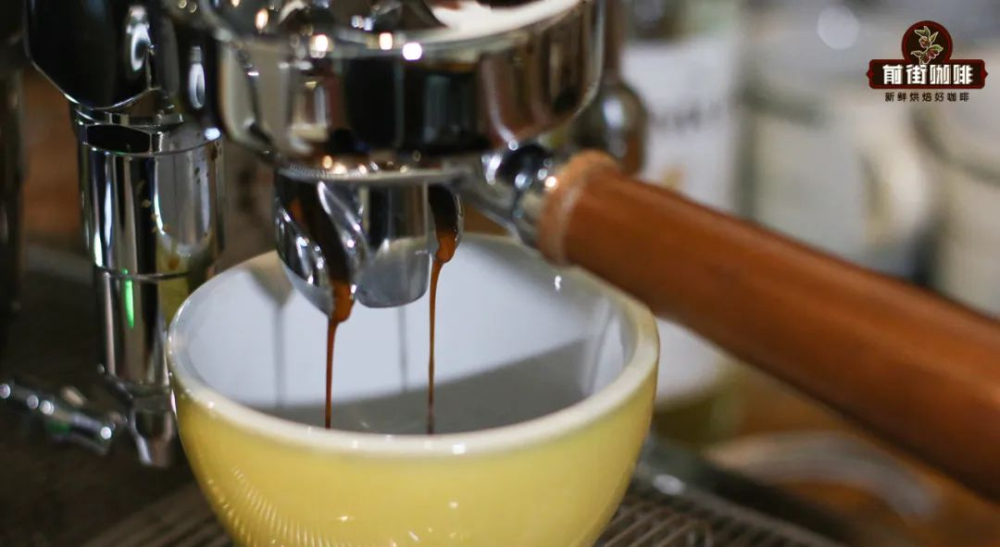
However, the disadvantages of the bottomless portafilter are equally clear: without a base barrier, the extracted coffee is more prone to splashing, requiring extra attention to the angle and speed when pouring into cups. For beginners, this may take some time to adjust to.
Taking practical operation as an example, many professional coffee shops prefer using bottomless portafilters because they help the brewer more accurately judge the flow rate and crema condition of the espresso. When extraction anomalies are detected, the bottomless portafilter provides immediate feedback, facilitating quick adjustments to grind size, dose, or pressure.
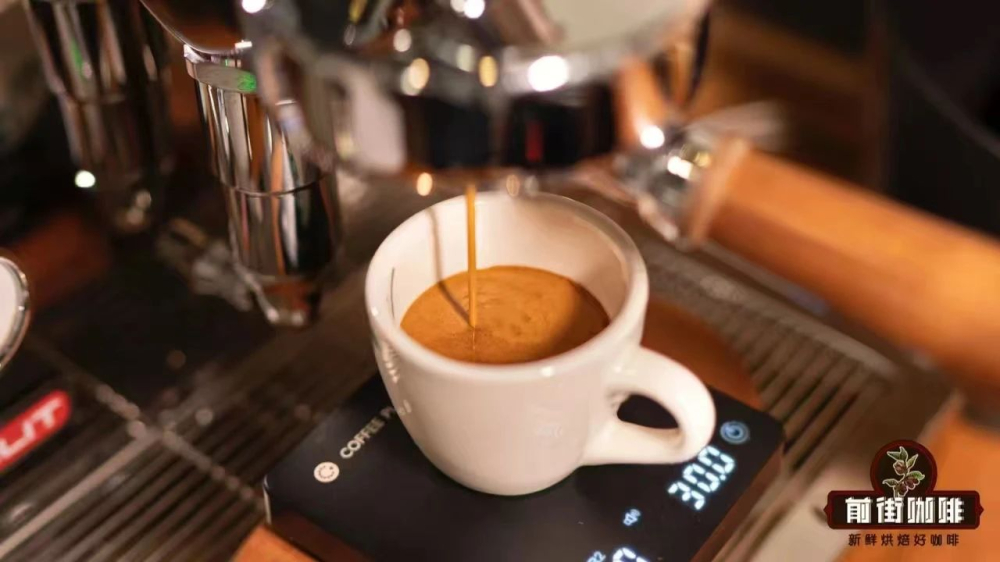
Below is a set of proven espresso extraction parameters suitable for coffee lovers seeking rich crema and balanced flavor:Using a Galileo Q18 grinder, set the grind size to 2.1; pair it with a Feima E98 espresso machine, maintaining extraction pressure at 9±2 bar and water temperature between 90–96°C; the recommended dose is 19.5 grams, with a target yield of 35 grams.
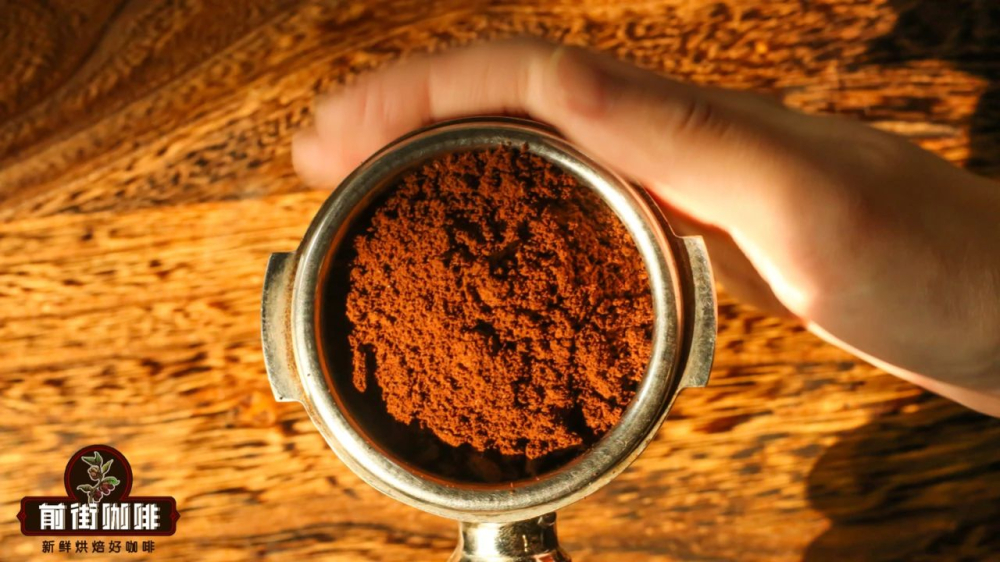
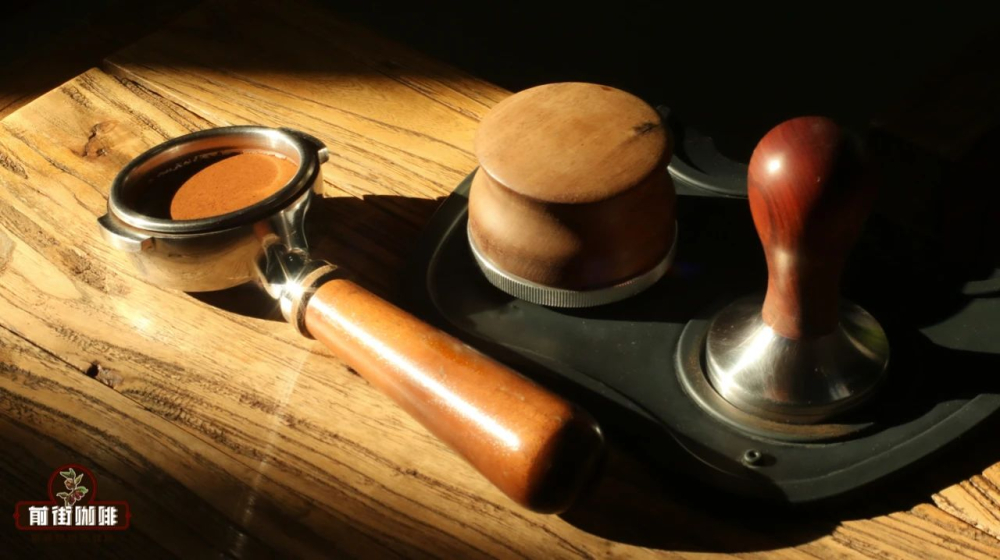
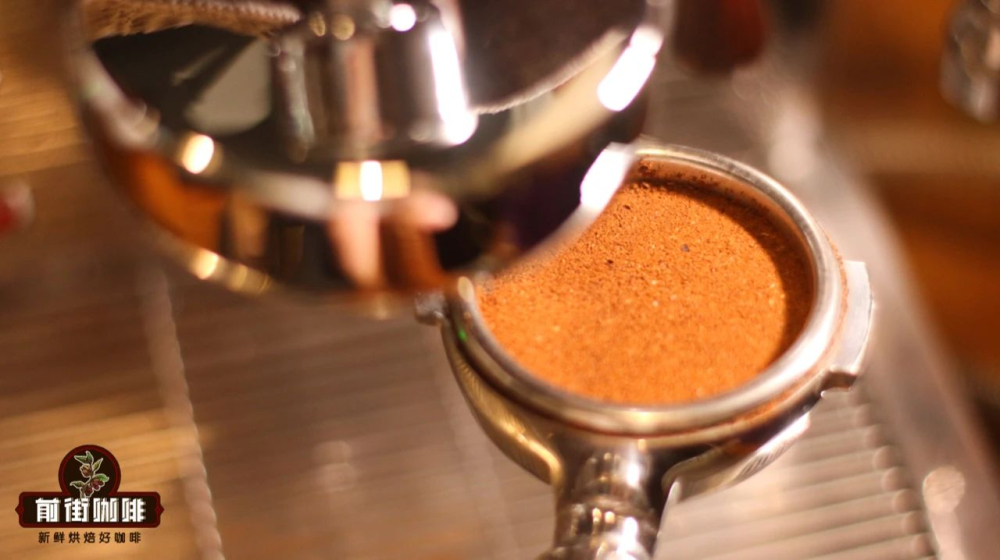
The specific steps are as follows: First, start the coffee machine and wait for the automatic preheating process to complete. Then, grind freshly roasted coffee beans into fine powder and fill the portafilter basket with the recommended dose according to its capacity. After dosing, gently level the coffee bed with your finger to ensure even distribution, then press it firmly using a tamper (or the flat side of a spoon) to form a compact coffee puck.
Securely attach the loaded portafilter to the group head of the espresso machine. Once the connection is confirmed, start the extraction. Through the bottomless portafilter, you can clearly observe the dripping process—ideally, the espresso should be accompanied by a thick, velvety crema, exuding rich nutty and cookie-like aromas.This dual feedback of visual and aromatic cues serves as an important basis for adjusting extraction parameters.

In summary, both spouted and bottomless portafilters have their ideal use cases: the former is better for users prioritizing convenience and splitting needs, while the latter offers a more intuitive tool for baristas seeking precise observation and layered drink preparation. Regardless of which design you choose, understanding its characteristics and pairing it with the correct extraction parameters is the key to improving coffee quality.


The above content is compiled by CoffeeHunters, a coffee news website.


