








Introduction:Are you confused about how to pronounce Flat White, or often mix it up with latte or flat white from Australia? This in-depth analysis will help you clarify the differences between Flat White and other common coffee drinks, covering aspects such as milk foam thickness, coffee concentration, extraction, and heating methods. We provide practical parameters and detailed comparisons so you can understand what you're drinking and even try recreating it at home.
In the world of coffee beverages, Flat White (phonetically translated as 馥芮白 in Chinese) is a common yet often confusing type of coffee. Not only does it have various pronunciations, but its place of origin is also widely debated. Some believe it originated in Australia, while others claim it comes from New Zealand. Regardless of its roots, this coffee, known for its intense flavor and minimal milk foam, has become a daily choice for many coffee enthusiasts.
[What is Flat White?]Flat White is a milk coffee that originated in Australia (or New Zealand), characterized by using a smaller amount of milk and thinner milk foam, allowing the coffee flavor to stand out more prominently. Compared to latte, Flat White usually uses a smaller cup, with less milk, resulting in a more concentrated coffee taste. Some regions prefer using a double Ristretto espresso base, while others use a single shot of espresso, leading to slight variations in preparation methods.

[Flat White vs. Latte: How to Tell Them Apart?]The most直观 difference between the two lies in cup size, milk foam thickness, and coffee flavor profile. Generally, a latte is served in a ceramic cup of about 300ml, with around 40g of espresso, paired with 260ml of milk and milk foam, and the foam is about 1cm thick, giving it a more pronounced milky aroma. In contrast, Flat White is typically served in a glass cup of about 220ml, with around 30g of espresso, and a total of 190ml of milk and foam, with the foam being only about 0.5cm thick. It has a smoother texture and a clearer coffee flavor.

Additionally, the level of milk foam preparation also differs: latte foam is fuller and slightly raised, whereas Flat White features an extremely fine and flat foam that sits close to the liquid surface, creating a smoother drinking experience. Overall, many Australian baristas jokingly refer to latte as “coffee-flavored milk,” while Flat White is “milk-flavored coffee,” highlighting the fundamental difference in flavor expression between the two.
[How to Make Flat White? Key Parameters Revealed]To make an authentic Flat White, extraction parameters are crucial. It is generally recommended to use 9 bar of pressure, with water temperature controlled between 90.5–96°C, an extraction time of 20–30 seconds, and a coffee-to-water ratio of 1:1.7 to 1:2. For a single shot of espresso, use about 12g of coffee and extract 20ml; for a double shot, use 20g of coffee and extract 40ml.

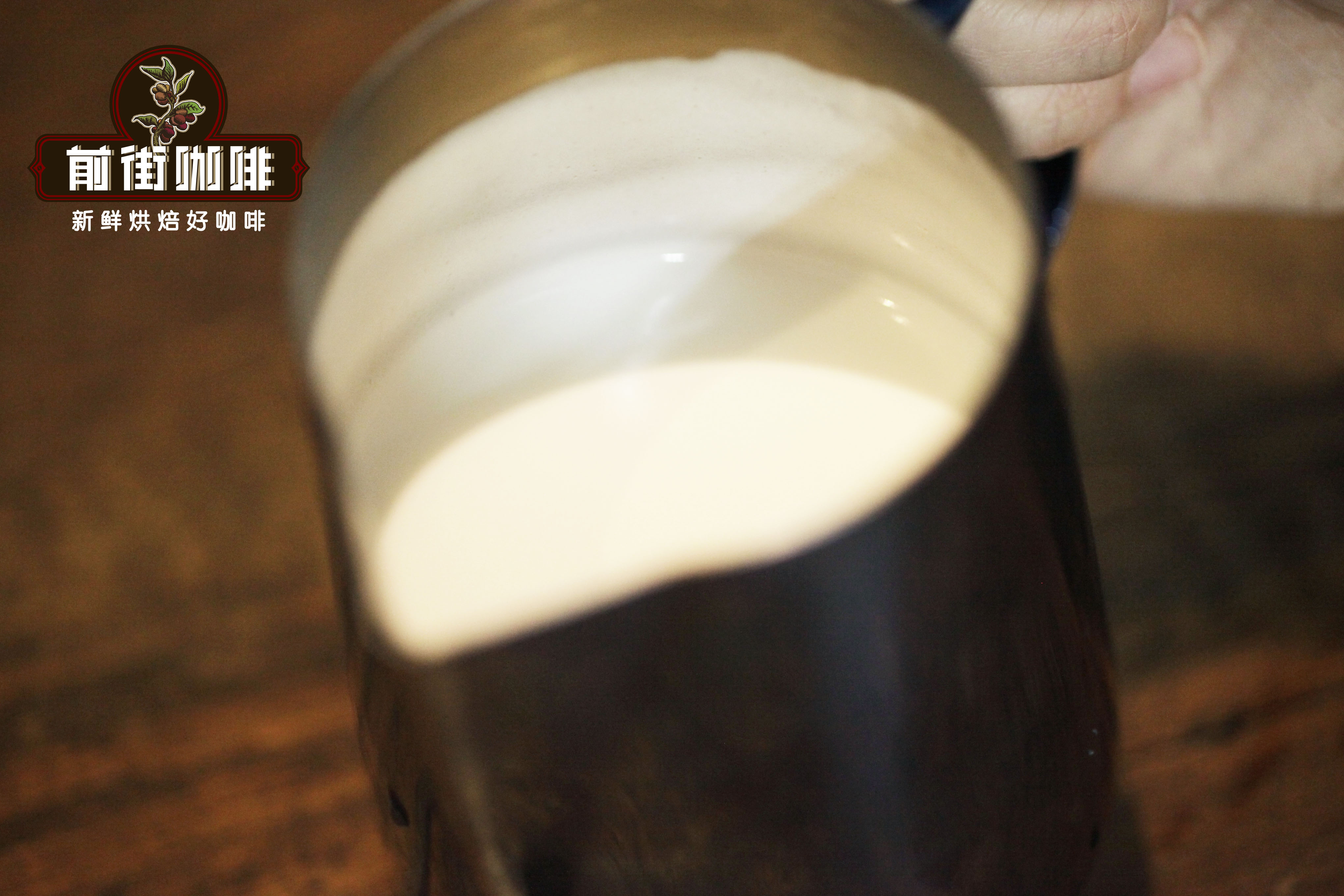
As for the milk, it is recommended to use whole fresh milk, with a steaming temperature between 50–60°C. This temperature range helps retain the sweetness and silky texture of the milk without damaging the protein structure due to excessive heat. The milk foam should be about 5mm thick, or roughly half a centimeter. Compared to the 1cm foam commonly seen in lattes or the 1.5cm foam in cappuccinos, this thinner layer is one of the key reasons why Flat White feels smoother and highlights the coffee more prominently.
[Dirty vs. Flat White: Cold-Hot Contrast and Unique Differences]Besides Flat White and latte, Dirty is another common espresso-based drink, though it is typically served only cold. The hallmark of Dirty is the quick combination of cold milk and hot espresso, creating a visual “stain” effect and delivering a dual-texture experience of hot on top and cold underneath. In comparison, Flat White is almost exclusively a hot drink, emphasizing the even integration and delicate texture of milk and coffee.

[Common Misconceptions and Correct Pronunciation]Many people mistakenly order “馥郁白” or “澳瑞白” when they mean Flat White, but the correct name is “Flat White,” commonly phonetically translated as “馥芮白.” Some also call it “澳白,” especially in the Australian version. Regardless of the name, as long as it refers to a small-sized, thin-foamed milk coffee with a prominent coffee base, it essentially falls into this category.
In summary, Flat White stands out with its intense coffee flavor, delicate milk foam, and moderate milk volume, making it the preferred choice for those who enjoy the taste of coffee itself. If you usually prefer lattes with strong milk aroma, give Flat White a try to experience a different layer of coffee complexity.




The above content is compiled by CoffeeHunters, a coffee news website.


