







Introduction:Faced with a dazzling array of coffee brewing tools, beginners often don’t know where to start? This article takes an in-depth look at the three mainstream brewing methods—pour over, espresso, and moka pot—helping you understand the characteristics, suitable scenarios, and practical tips for each type of tool. It will guide you in choosing the most beginner-friendly coffee set based on your budget and needs, allowing you to start enjoying the pleasure of pour over and the layers of coffee flavor from the very first step.
Today’s market offers a wide variety of coffee tools, which can be overwhelming for those new to coffee, leaving them unsure of how to choose. Facing a pile of equipment, not knowing the selection criteria and worrying about not being able to use what they buy is actually a very common situation. In fact, selecting coffee tools doesn’t require going for expensive or flashy models—the focus should be on practicality, ease of use, and meeting your own needs. While there are many coffee brewing methods, for beginners, the most common and easiest-to-learn categories are: pressure-based extraction using espresso machines and moka pots, and drip-style extraction using drip coffee makers and pour over tools.
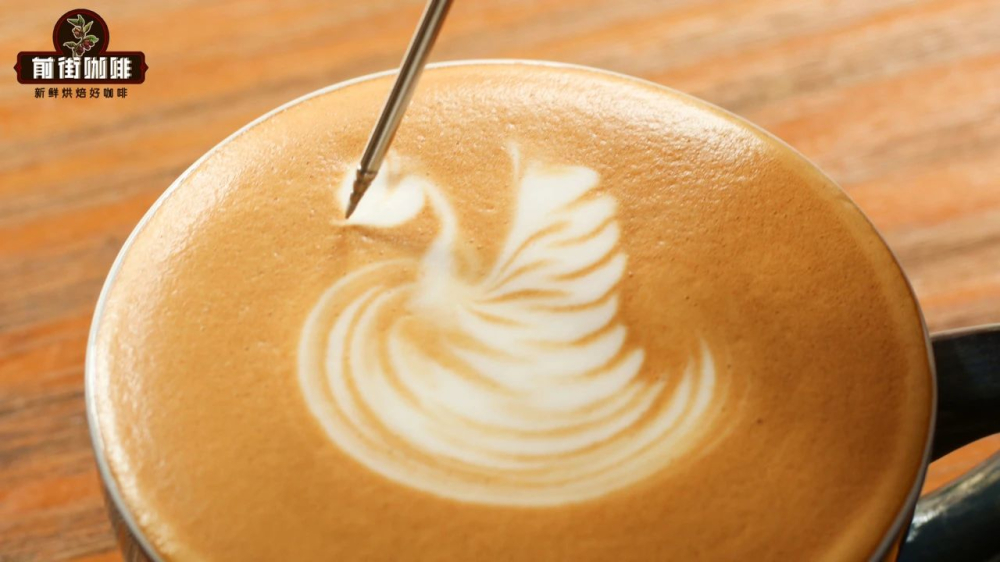
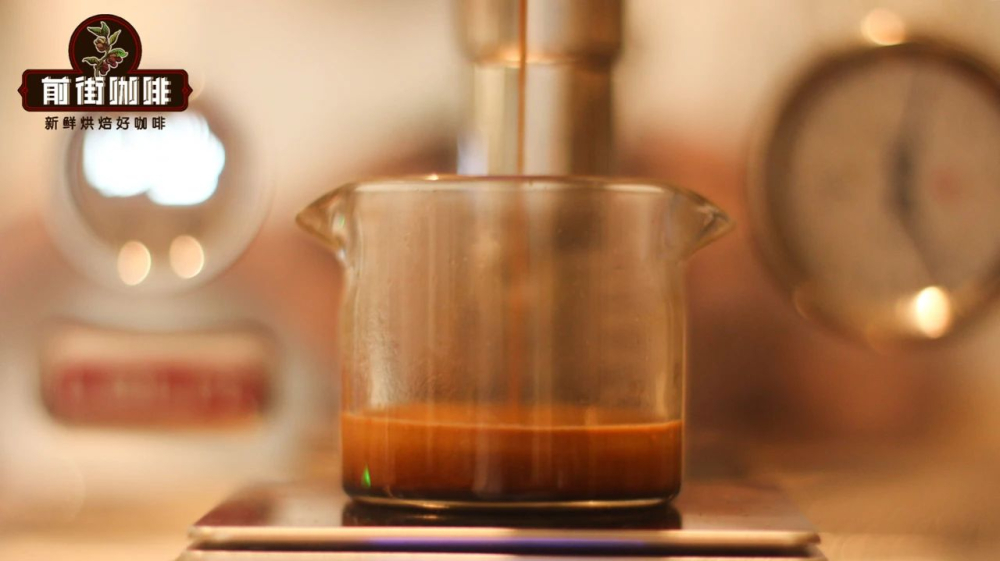
Let’s first talk about choosing an espresso machine. Many beginners want to buy an espresso machine right from the start, usually because they’re attracted by its fast brewing, sleek appearance, and ability to make strong coffee. Some are also drawn to the fun of trying latte art. However, many small and cute espresso machines on the market often fail to achieve the standard 9-bar extraction pressure, resulting in coffee that tastes weak and thin, making it hard to replicate the rich texture and beautiful golden crema you’d get from a café.
In addition, many beginners report that the steam wands included with these machines are often too short, producing insufficient steam to properly froth milk. This leads to coarse and thick milk foam, making it difficult to achieve the fine and silky texture needed for attractive latte art. Coupled with the hassle of cleaning and the steep learning curve, these machines often end up as decorations. If you want to purchase an all-in-one semi-automatic espresso machine with a built-in grinder, or buy a semi-automatic machine and a professional grinder separately, you’ll generally need a budget of over 7,000 yuan to get a model with stable performance and smooth operation.
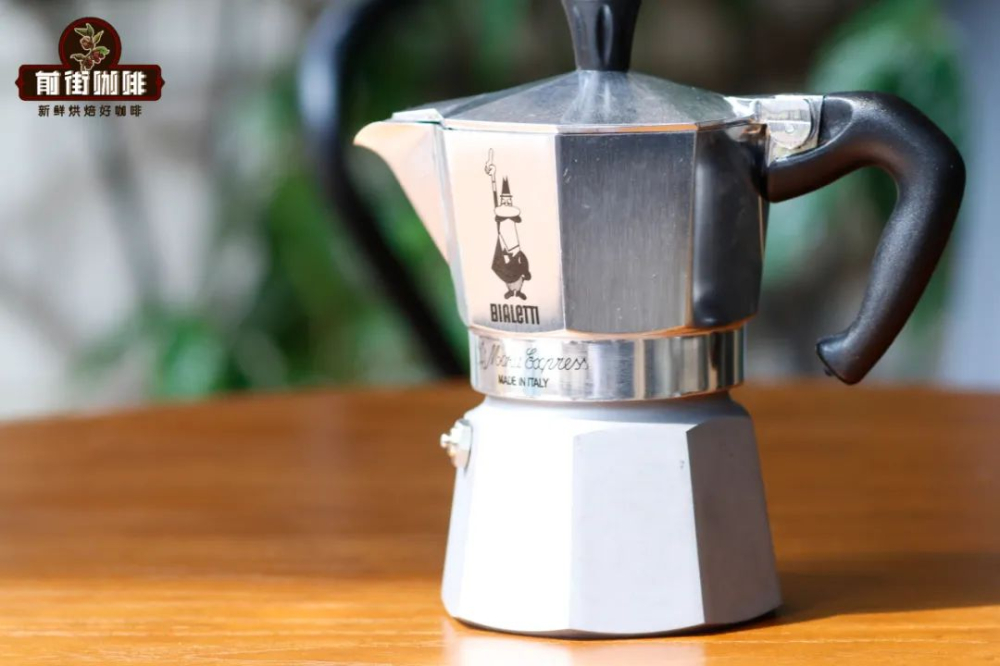
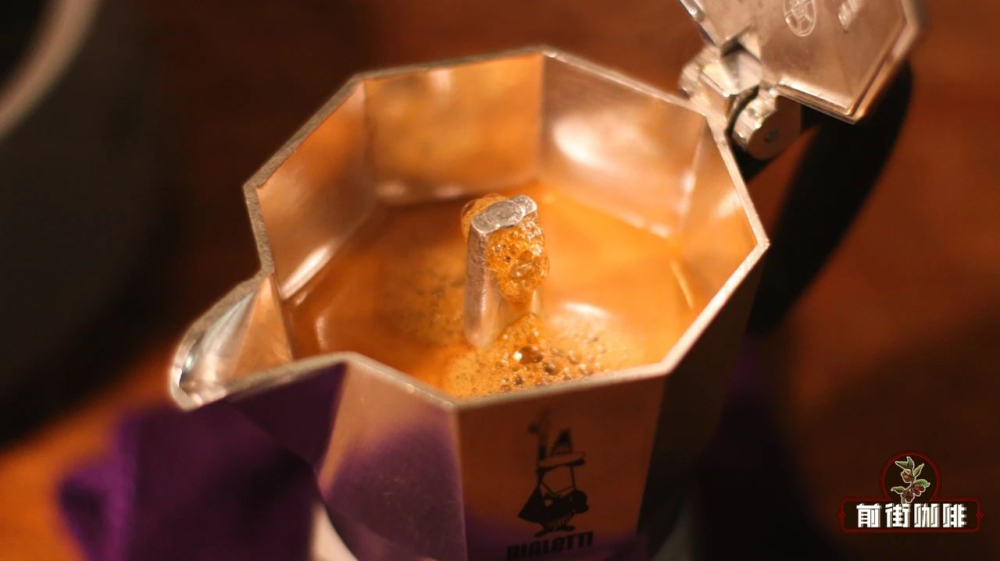
If you prefer a strong flavor but have a limited budget, the moka pot is a good option. The moka pot has a simple structure and only requires a heat source for brewing, making it very convenient to use. The brewed coffee can also be adjusted to personal taste by adding water, milk, or other ingredients. When it comes to brands, it’s recommended to prioritize Bialetti—a historic brand known for its reliable quality. Although it’s slightly more expensive, with proper daily cleaning, keeping it dry, and storing it correctly, a moka pot can even be passed down through three generations.
Currently, moka pots on the market are mainly divided into single-valve and double-valve types, with the main difference being the design of the spout. Single-valve moka pots have no additional restrictor, while double-valve moka pots feature a pressure-boosting valve at the spout, requiring greater pressure for the liquid to pass through, thus producing a richer and fuller coffee. However, for absolute beginners, it’s recommended to start with a single-valve moka pot, as double-valve models have a higher learning curve, requiring more precise parameter control and brewing skills. Otherwise, improper operation can easily affect the coffee’s flavor.
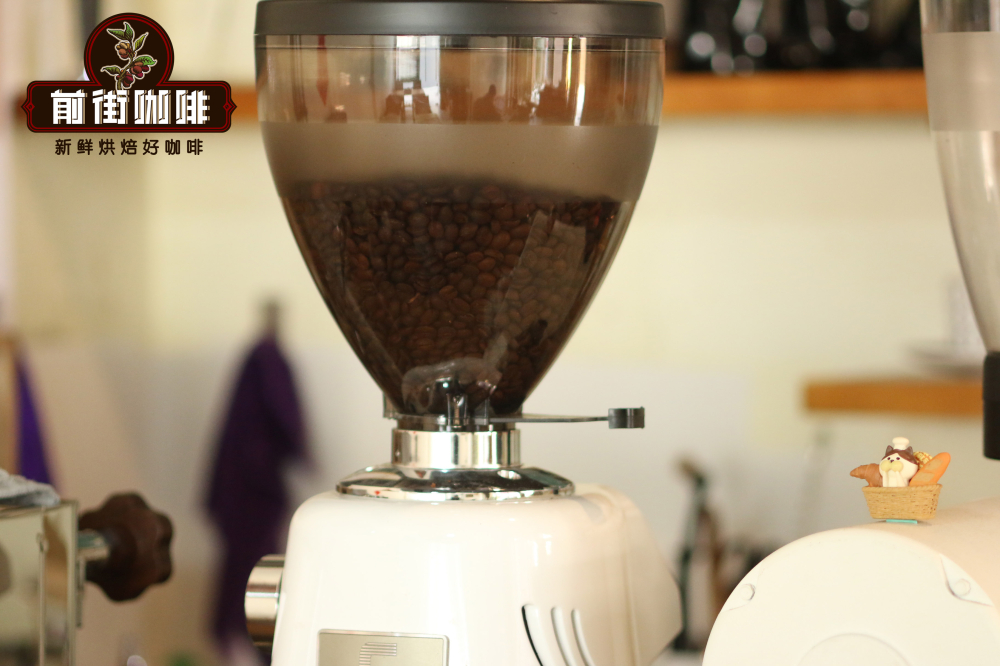
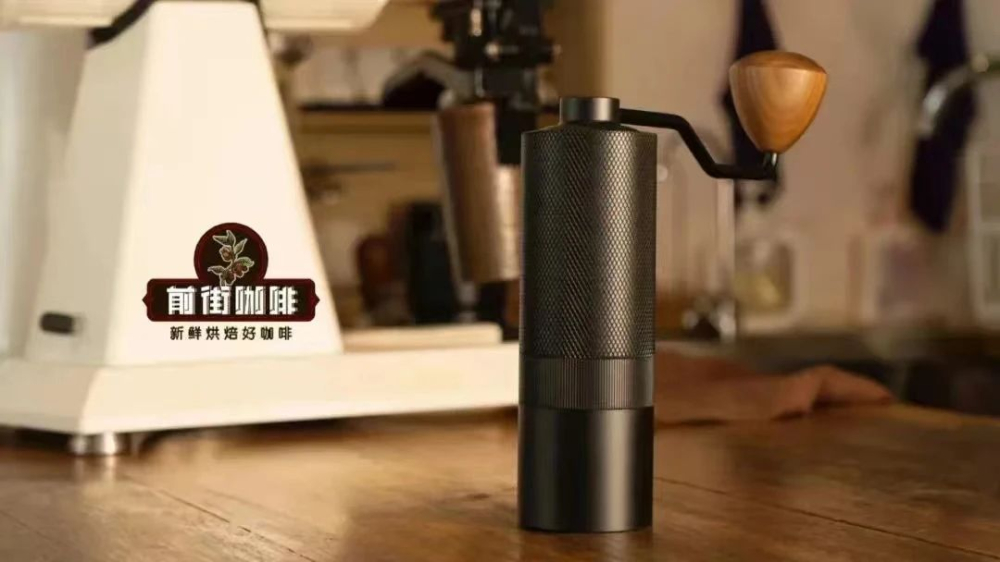
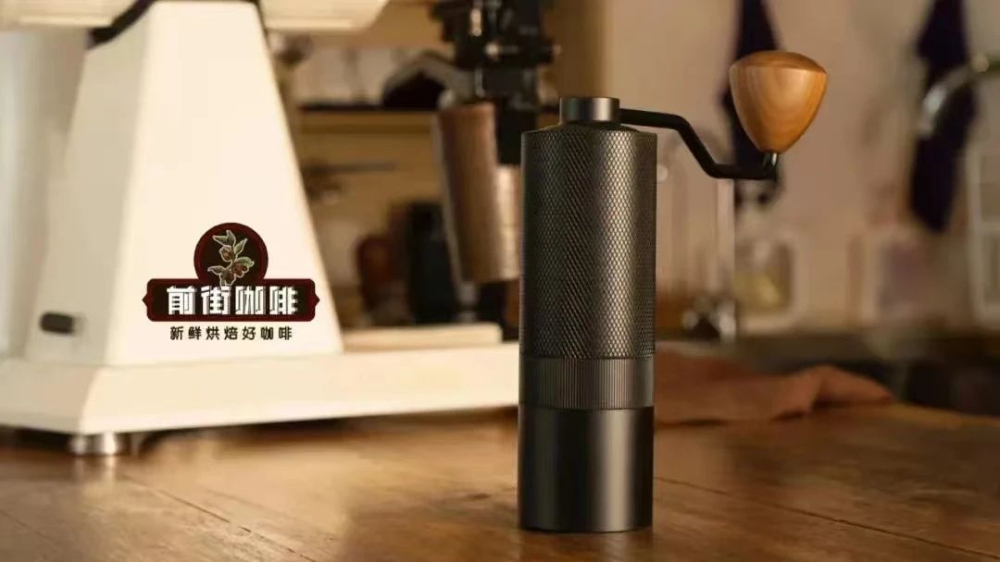
Next is the choice of pour over tools, which many coffee enthusiasts consider one of the best ways to appreciate the details of coffee. First is the grinder—if your budget is limited, it’s recommended to choose a well-known domestic manual grinder. Generally speaking, if you want a grinder with a longer lifespan and consistent grind size, it’s advisable to opt for models priced above 700–800 yuan; if you don’t use it frequently, models in the 500–600 yuan range can also meet basic needs. As for grinders priced between 100–400 yuan, they are generally not recommended due to poor grinding performance and the potential for increased costs from frequent replacements.
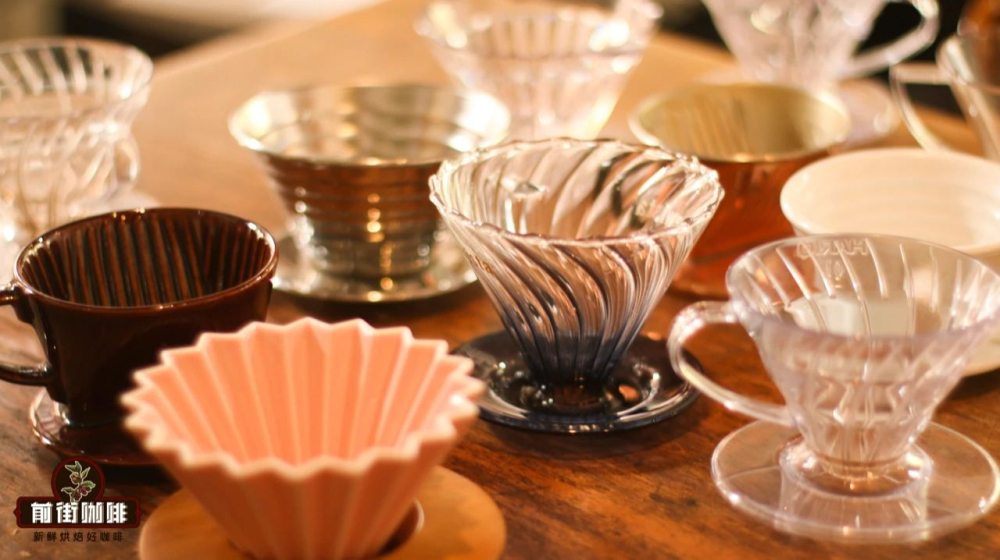
As for coffee filters, it’s recommended to choose resin V60 filter cones such as those from hairo. They are lightweight, affordable, not easily broken, and offer great versatility and freedom, making them very suitable for beginners to explore different brewing flavors. The No. 1 filter cone is suitable for brewing 1–2 servings of coffee, while the No. 2 filter cone is suitable for 2–3 servings. The V60 filter cone features a 60-degree conical design that extends the contact time between water and coffee grounds. Combined with the large-diameter holes at the bottom, it allows you to easily control brewing time and flavor expression by adjusting pouring speed and water flow—making it quite beginner-friendly.
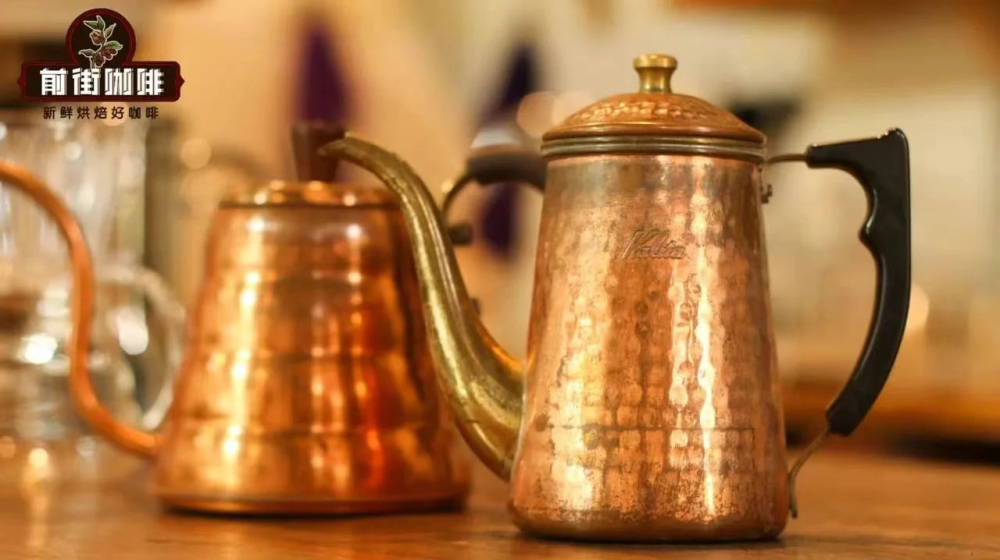
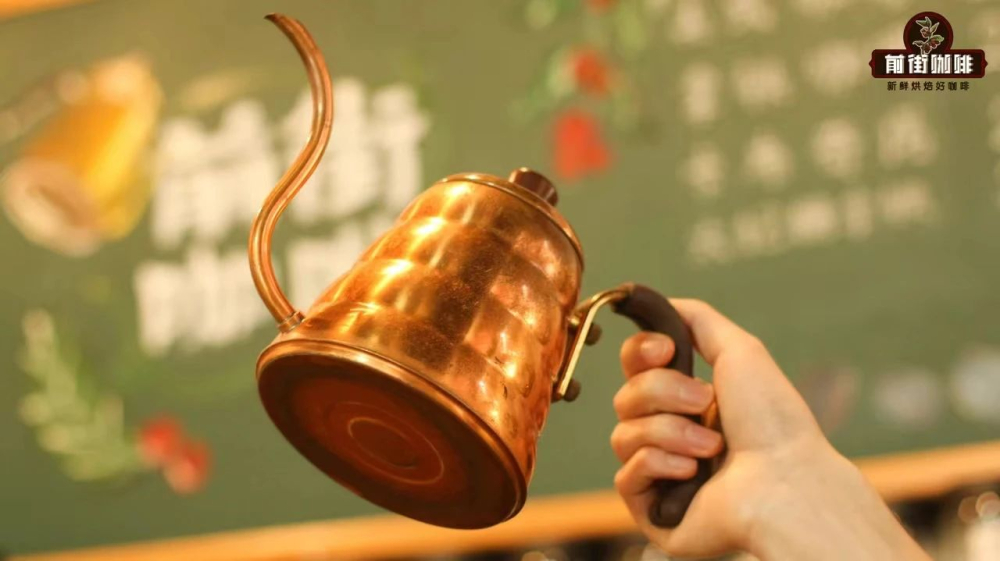
When choosing a pour over kettle, it’s recommended to pick one with a capacity of about 500–600 ml and a lid, preferably a gooseneck spout kettle. There’s no need to pursue temperature control features—a standard model will suffice. Additionally, it’s suggested to pair it with a quick-read thermometer to accurately monitor water temperature. The capacity of the kettle directly affects the stability of the pour—smaller kettles can easily lose balance, causing unstable water flow and affecting brewing evenness.
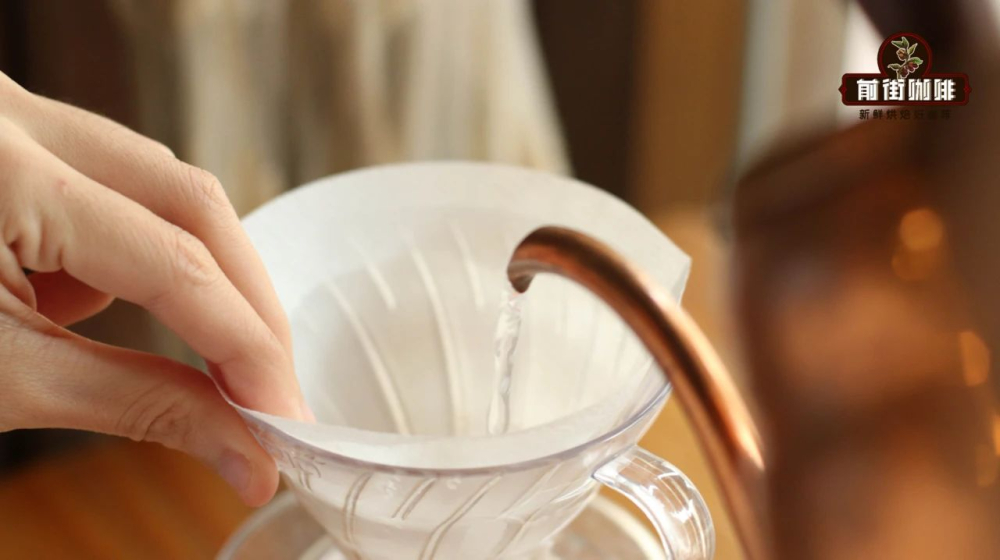
For coffee filters, be sure to confirm the filter cone model when purchasing and choose filters of the same model. It’s recommended to prioritize white filters, as those from well-known brands like hario and Kono are mostly enzyme-bleached, processed using biological enzymes. These not only have no off-odors or paper taste but are also widely used in the medical field, ensuring a pure expression of coffee flavor.
For other auxiliary tools, a regular kitchen scale can be used along with your phone’s timer function; if you want more convenience, you can also opt for a quick-read electronic scale with a timer function, though there’s no need to buy an overly expensive model. When choosing a server, pay attention to whether the body is heat-resistant and can withstand drastic temperature changes—low-quality servers can easily crack during brewing due to localized heating or rapid temperature shifts, especially when making iced pour over.
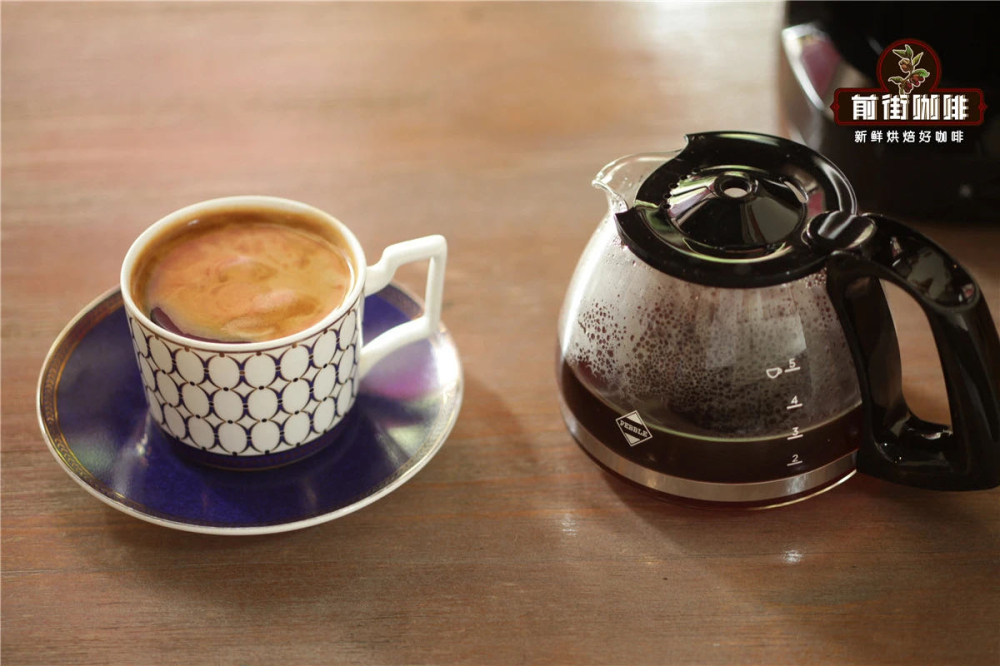
Finally, if you want a stable and clean-tasting cup of coffee, consider using a drip coffee machine. These machines can automatically complete the brewing process, including pouring water and filtering, without worrying about how your pouring technique or water temperature fluctuations might affect the coffee’s flavor. The operation principle of American-style drip machines is similar to that of pour over—they both brew coffee by pouring hot water over coffee grounds and then filtering it—so the resulting coffee looks similar to pour over coffee, but the operation is much simpler and doesn’t require professional skills. Many major brands offer various models of drip machines, with price ranges that aren’t too disparate, so you can choose confidently based on your personal needs.

The above content is compiled by CoffeeHunters, a coffee news website.


