







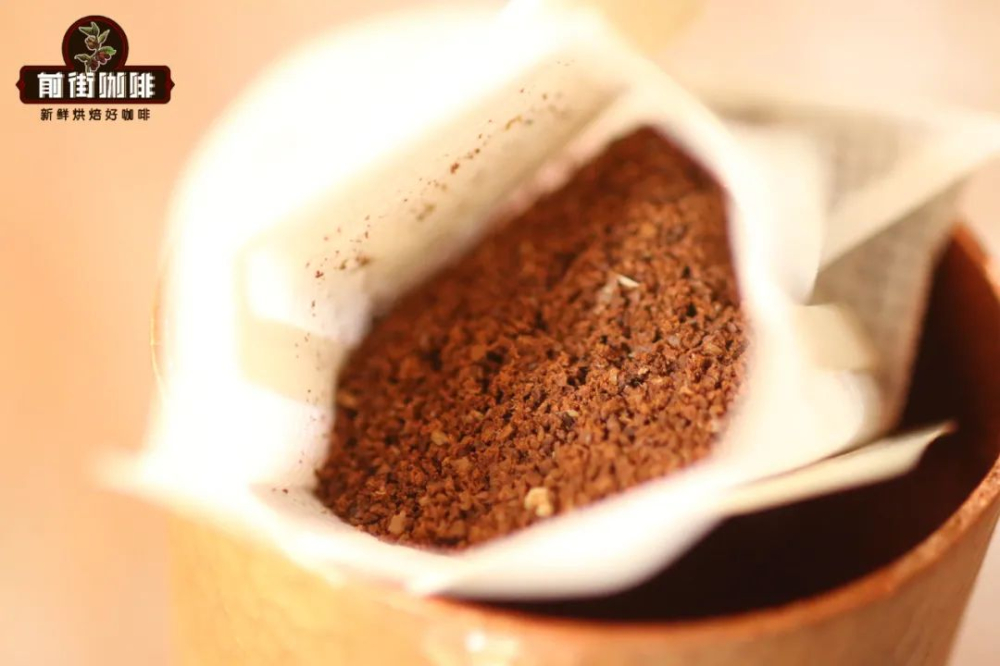
Introduction:The grind size of coffee is one of the key factors that affect the flavor release in pour over brewing. Grinds that are too coarse or too fine can both cause you to miss out on the coffee’s complexity, and may even result in unpleasant tastes. This article will delve into how different grind sizes impact extraction, teach you how to adjust to the optimal state based on the roast level of the coffee beans and your brewing tool, and provide practical sieve calibration methods and tactile references.
How does grind size change coffee extraction performance?
The finer the coffee grounds, the greater the total surface area that comes into contact with water, allowing water to penetrate more areas. As a result, the extraction speed becomes faster and flavor compounds are released more fully. Conversely, if the grind is too coarse, water passes through the coffee bed too quickly, leading to under-extraction, often resulting in a coffee that tastes weak and lacks complexity. Mastering the appropriate grind size is the foundation of successful pour over brewing.
Coffee bean freshness and preparation before grinding
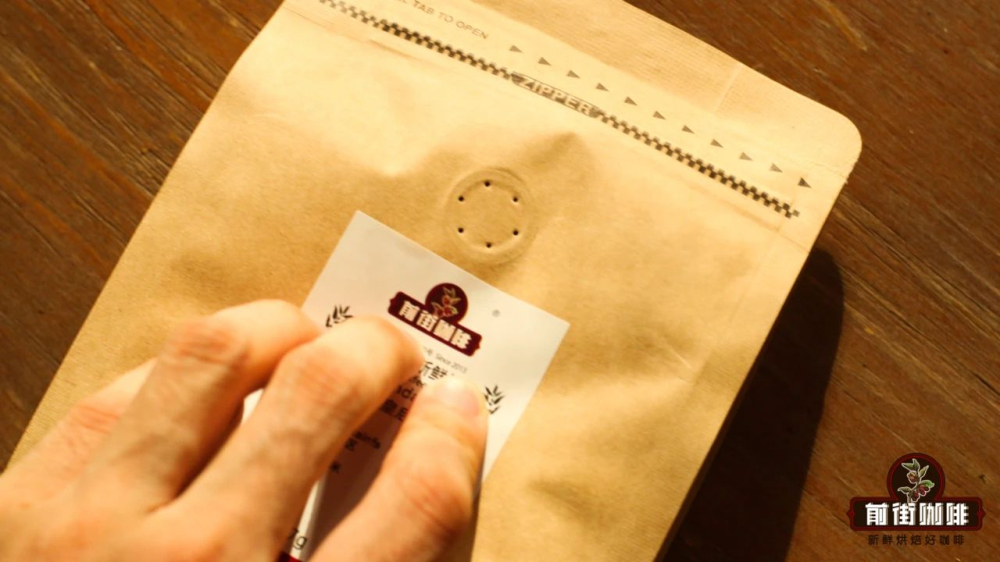
Before discussing grind size, first ensure that the coffee beans you have are fresh enough. It is recommended to choose coffee packaged witha one-way degassing valveand clearly labeled with aroast date. Freshly roasted coffee beans continue to release carbon dioxide in the first few days, a process known as the "resting period." Generally,medium to light roast beans are recommended to rest for 3–4 days,while medium to dark roasts are recommended to rest for 4–5 days. Brewing and grinding after the beans have stabilized will yield a more balanced flavor profile.
The relationship between coffee flavor compounds and grind size
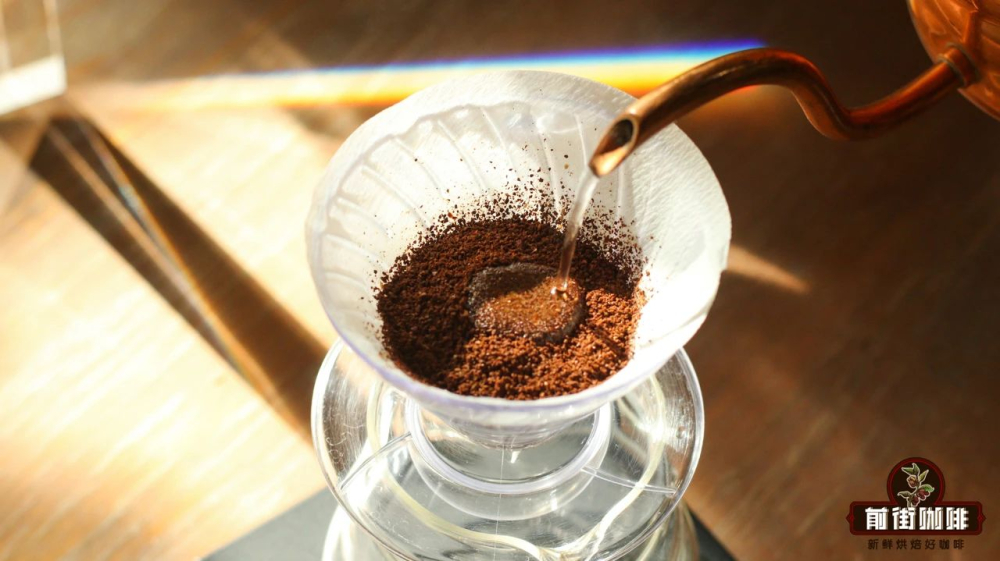
The aromatic compounds in coffee are mostly small molecules with fast volatility. Therefore, the less fresh the coffee beans, not only is there less carbon dioxide, but the flavor compounds also dissipate over time. Even adjusting the grind size can hardly compensate. In addition, grinding itself increases the total surface area of the coffee grounds: the smaller the particles, the more area water can act upon, making extraction more concentrated; the larger the particles, the faster water flows through, leading to more surface-level and often insufficient extraction.
The effects and manifestations of grinding too fine
When coffee grounds are ground too finely, the pores between the particles become smaller, slowing down the flow of water and potentially causinglonger drip times. In this case, the extended contact time between water and coffee grounds can easily lead to over-extraction, releasing excessive bitterness and astringency that mask the coffee’s original fruit acidity and aroma, resulting in an overall heavy and unbalanced mouthfeel.
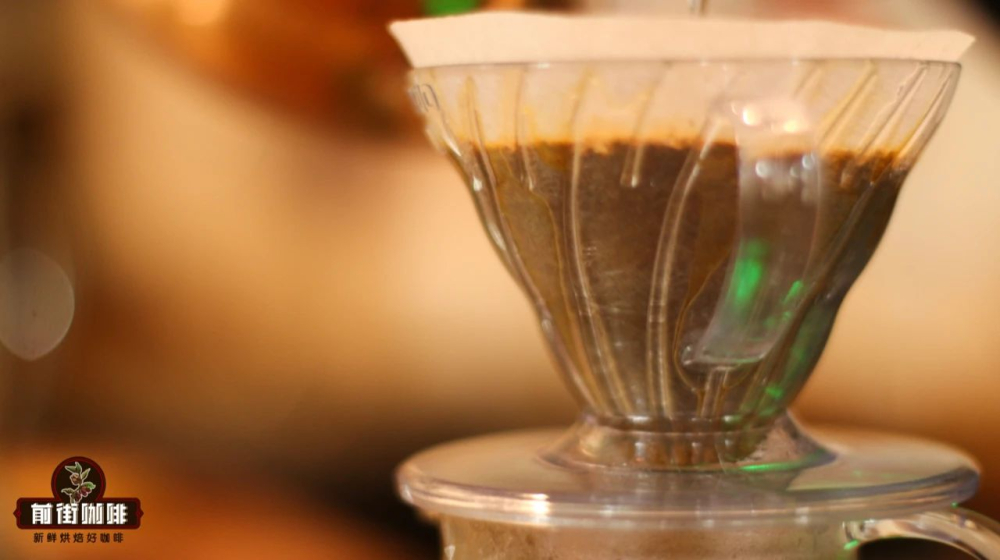
The effects and manifestations of grinding too coarse
Conversely, if the coffee grounds are too coarse, water will pass through the coffee bed too quickly, leading to insufficient extraction time and causingunder-extraction. Such coffee often tastes thin and lacks depth. While the acidity may be somewhat noticeable, the overall flavor is mediocre, with weak complexity and almost no distinct coffee characteristics.
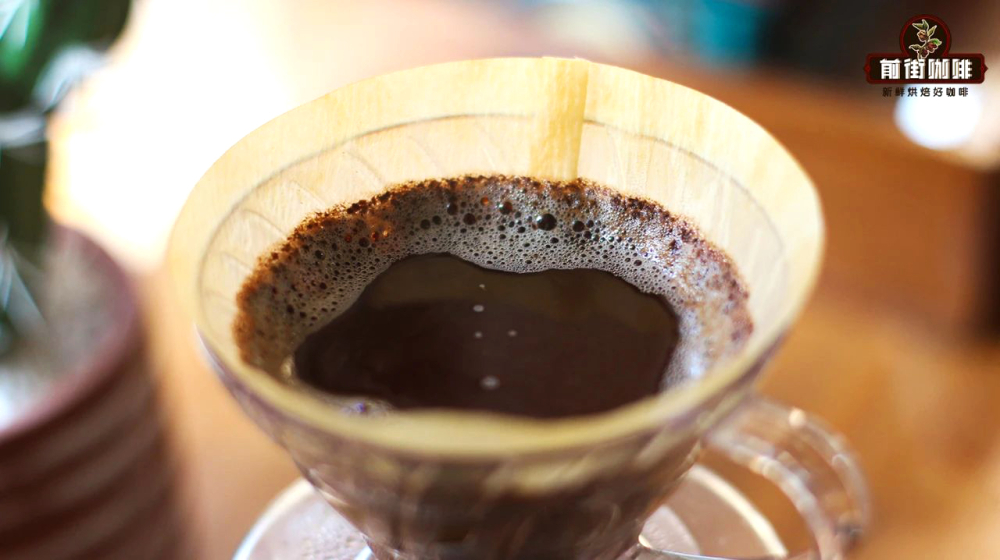
How to determine if your grind size is appropriate? Sieve calibration techniques
To accurately grasp grind size, it is recommended to use aNo. 20 sieve (with 0.85mm mesh diameter)for a sieving test. Take 10 grams of ground coffee, pour it into the sieve, gently shake to let the fine powder pass through, and then weigh the proportion of coffee powder that passes through the sieve. Based on the pass-through rate, you can preliminarily judge the coarseness of the grind:For pour over, a sieve pass-through rate of about 80% is recommended. If you are using an iced drip or siphon brewer, the pass-through rate can be higher (about 80–85%), while for a French press, a lower pass-through rate is advised (about 65–70%). This method can help you more intuitively adjust your grinder settings to find the grind size most suited to your brewing style.
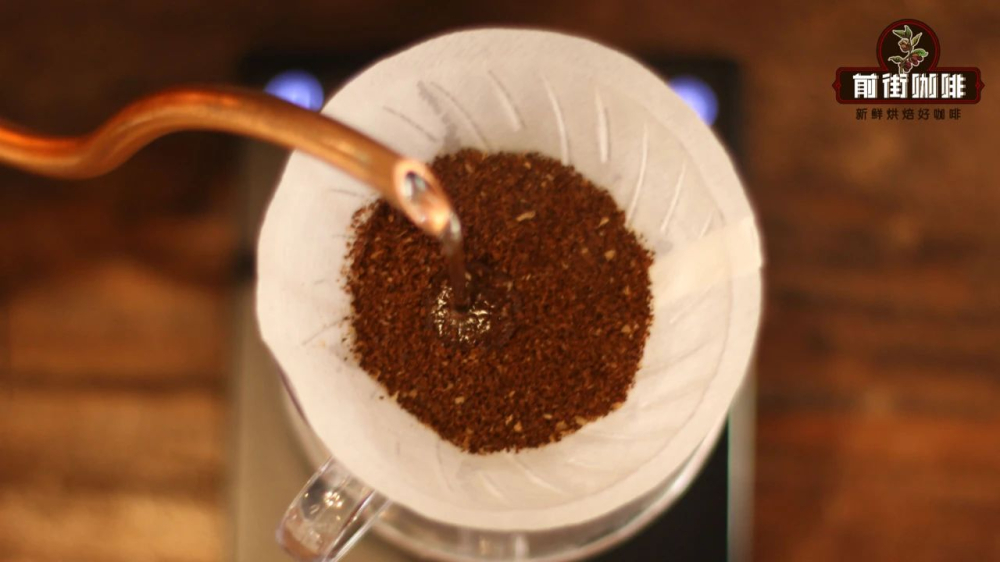
Recommended pass-through rates based on different roast levels
The roast level of coffee beans also affects the most suitable grind coarseness. Generally speaking,light roasts are recommended to use a medium-fine grind with a sieve pass-through rate of 80–85% to highlight clear fruit acidity and aroma;medium roasts are recommended to use a rate of 70–75%to balance acidity, bitterness, and sweetness;dark roasts are suitable for a slightly coarser grind with a pass-through rate of 65–70% to avoid the burnt bitterness caused by over-extraction. However, these values are for reference only, and personal taste should ultimately guide fine adjustments.
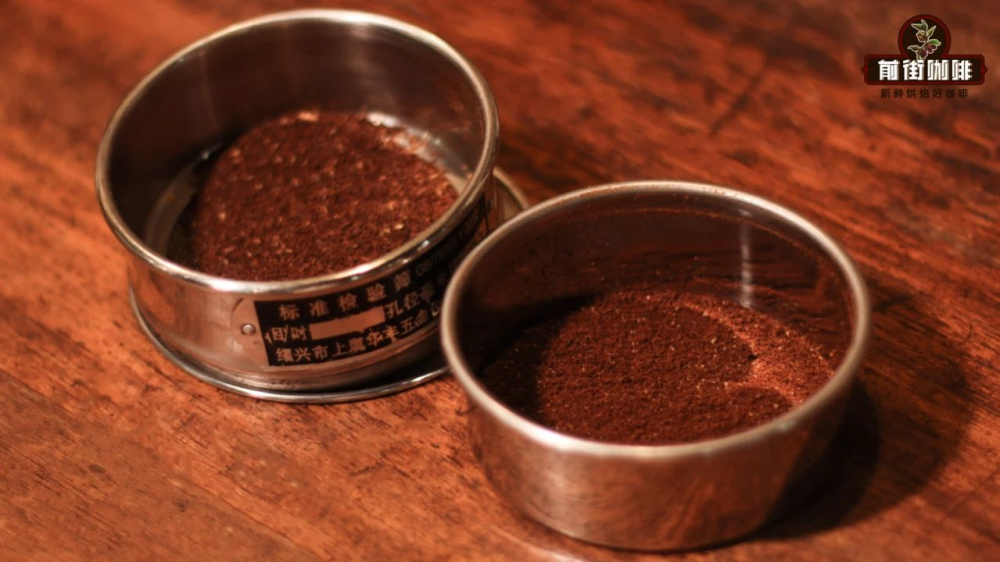
Five common grind sizes and applicable scenarios
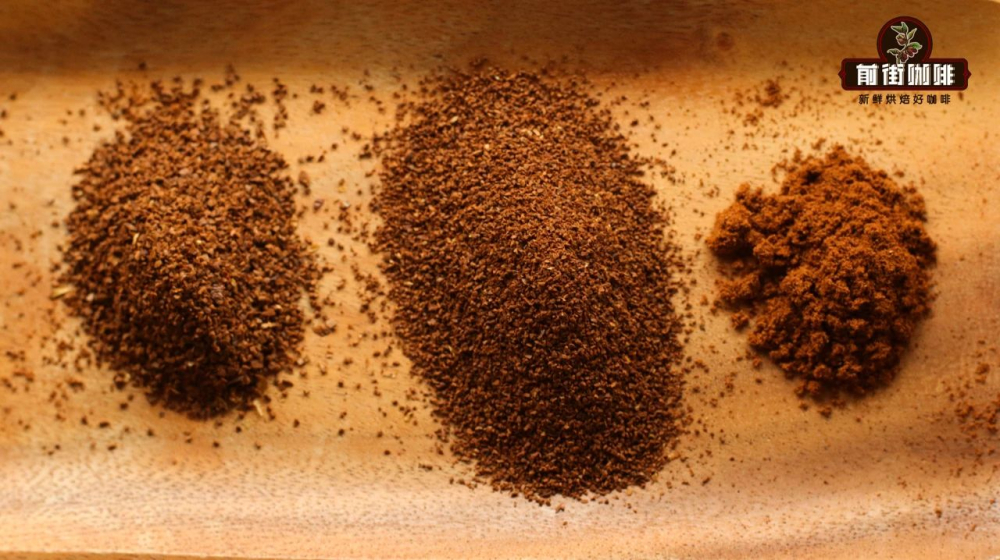
If you don’t have a sieve, you can also choose your grind size based on the following five common types of coffee ground coarseness, matching them to your brewing tool:
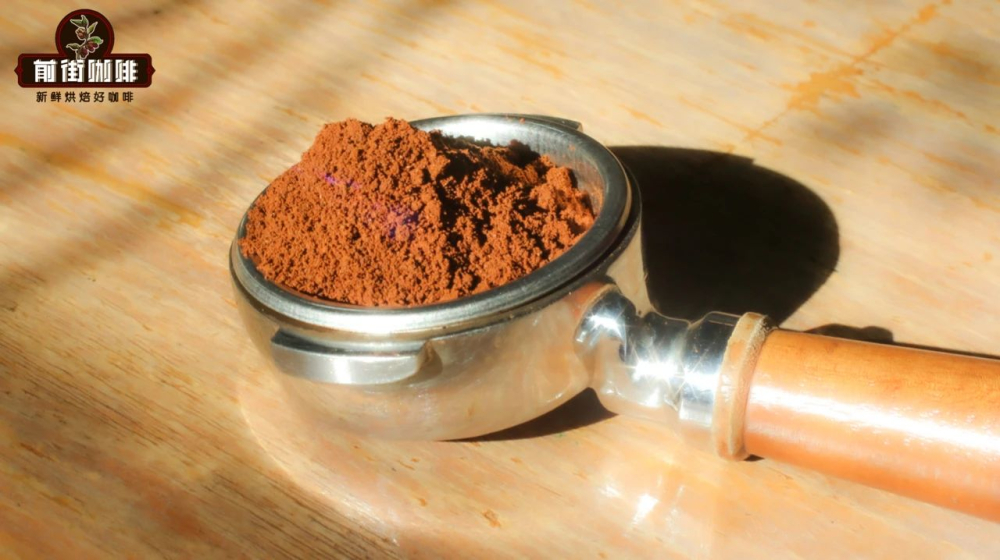
- Extremely fine: Close to a powder-like consistency, suitable forespresso machines or moka pots, which require high-pressure extraction and a compact coffee bed.
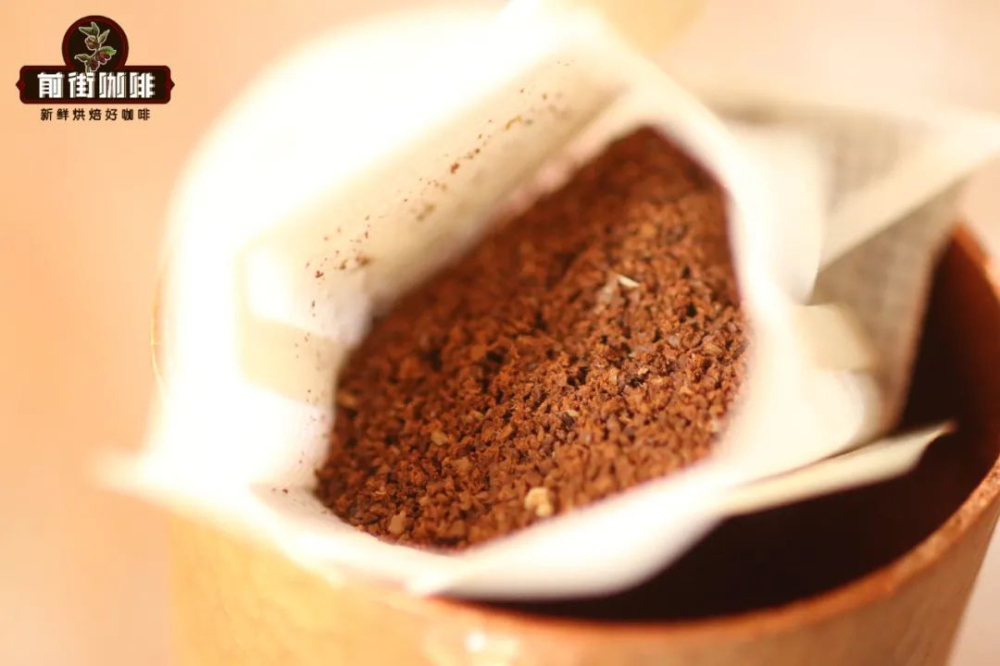
- Fine: Similar to fine white sugar, suitable forcoffee pods (such as drip bags), as the large filter paper surface requires higher extraction efficiency.
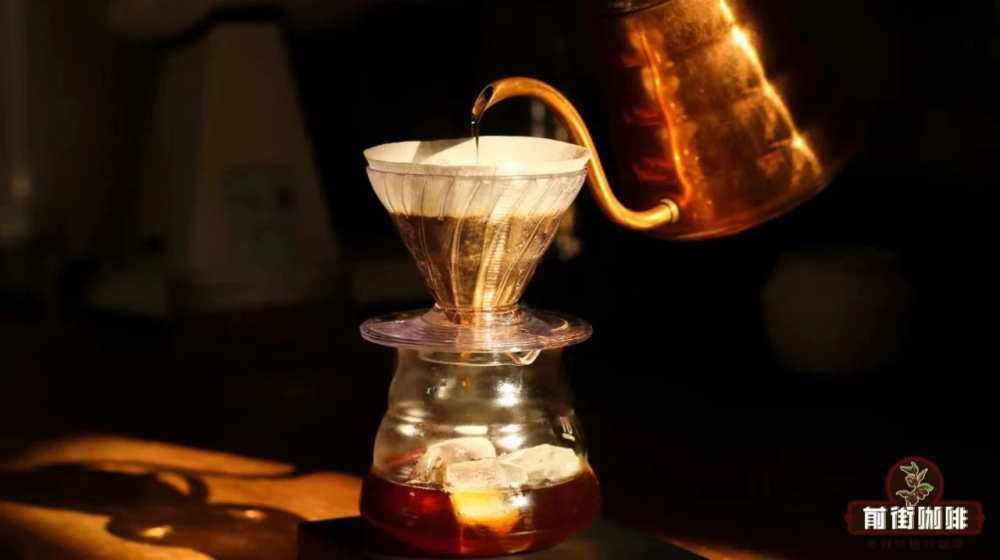
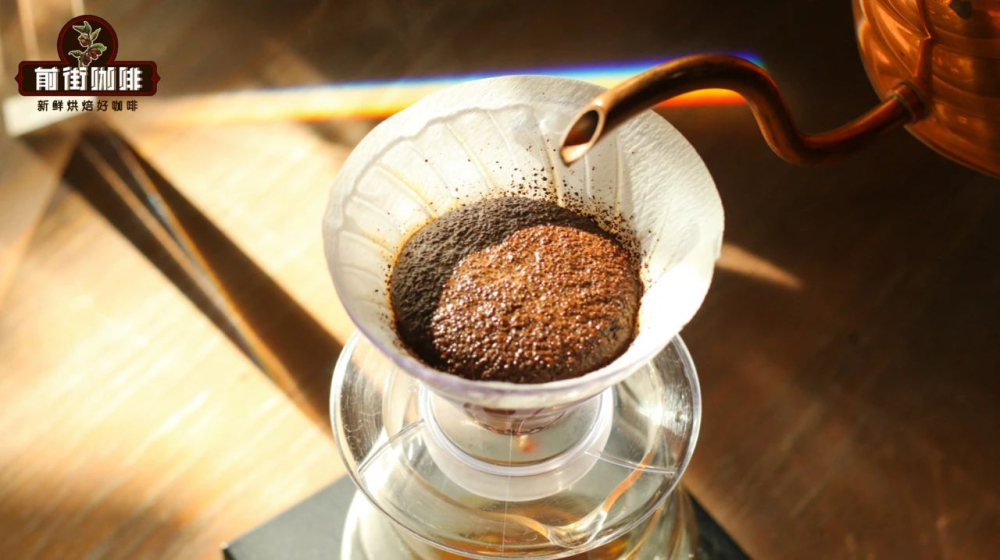
- Medium-fine: About the texture of fine sand sugar, suitable for mostpour over filters (such as V60, Kono), especially formedium to light roast beans, with a recommended pass-through rate of about 75–80%, emphasizing a balanced acidity and sweetness.
- Medium: Similar to coarse sand sugar, suitable forhand pour brewing of medium to dark roast beans, with a pass-through rate of about 70–75%, to avoid over-extraction and sediment.
- Coarse: Clearly granular, suitable forFrench press, where the filter has large holes and fine particles must be prevented from penetrating and affecting the mouthfeel.
The above content is compiled by CoffeeHunters, a coffee news website.


