







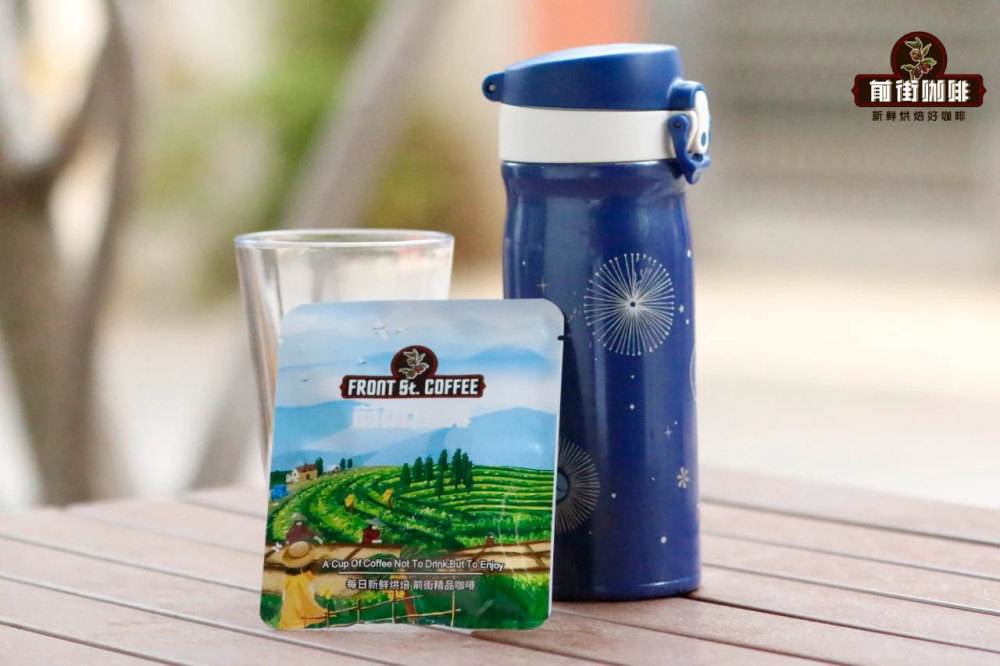
Introduction:As a convenient brewing method for black coffee, pour-over coffee bags have gained increasing popularity among coffee enthusiasts in recent years. This article will delve into the origins of coffee bags, their key differences from Americano, and the types of coffee beans suitable for making coffee bag packs. Additionally, it will introduce common flavor profiles to help you choose the most suitable coffee bag based on your personal taste and enjoy a richer coffee experience.
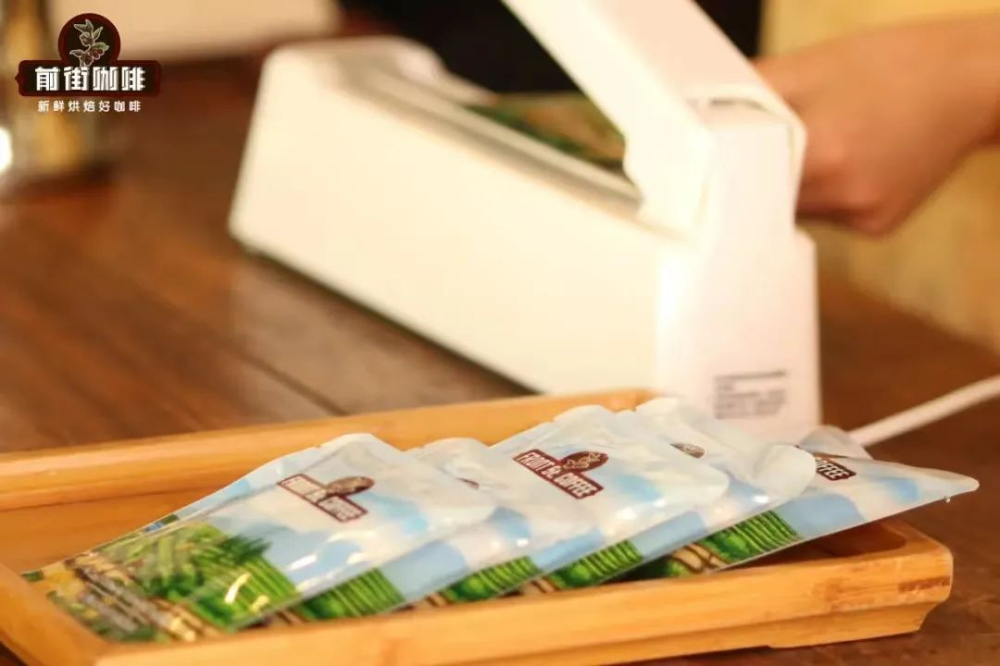
Coffee bags are actually a brewing form of black coffee. The principle involves pre-grinding coffee beans into powder and packing them into non-woven fabric filter bags. Hot water is then poured through to extract the flavor compounds, resulting in a pure cup of black coffee. According to common packaging specifications, each pack uses approximately 10 grams of coffee powder and can brew about 130 to 150 milliliters of coffee liquid. It is suitable for single servings and can be customized with milk according to personal taste preferences.
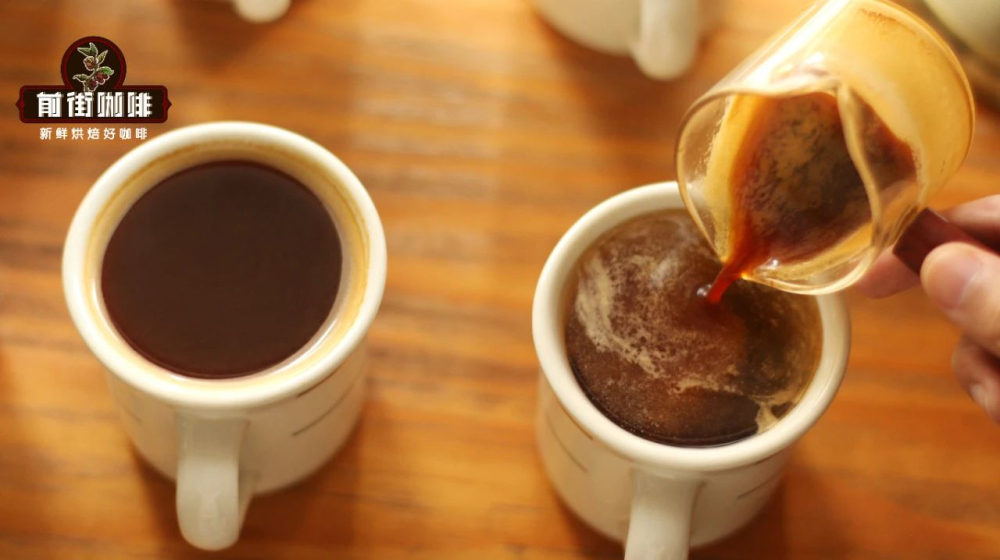
In contrast, Americano is usually made by extracting highly concentrated espresso using an espresso machine and then adjusting the strength with hot or cold water. This type of coffee generally uses darker roasted beans, so its flavor often presents balanced and rich characteristics, which are distinctly different from the brewing method and flavor profile of coffee bags.
The invention of coffee bags can be traced back to 1990, pioneered by Japan’s Yamankan Industry Co., Ltd. This design was inspired by traditional hanging tea bags, aiming to replicate the experience of pour-over coffee. Its structure includes paper “little ears” attached to both sides of the filter bag, which stabilize the bag and suspend it in the center of the cup rim. This allows hot water to evenly pass through the coffee grounds layer, achieving a similar drip effect to pour-over brewing. In 2002, Japan patented this design and launched it on the market, after which it gained widespread acceptance globally, including in Chinese-speaking markets.
Brewing coffee bags is very simple. All you need is a kettle of hot water and a cup. Pour water at the recommended temperature (usually 90–96°C) slowly into the coffee grounds inside the filter bag. Once the extraction is complete, remove the filter bag and coffee grounds to enjoy your coffee. This brewing method not only saves time but also eliminates the need for the complicated equipment required in traditional pour-over brewing, making it highly suitable for daily use or office settings. With the popularization of specialty coffee concepts, more and more coffee beans with diverse flavor profiles are being made into coffee bags, allowing consumers to enjoy coffee freedom in various settings with ease.
To cater to the taste preferences of different consumers, coffee bags on the market can generally be divided into the following common types:
1. Bright and Fruity Type: Suitable for those who enjoy bright acidity and floral or fruity aromas. Common flavor descriptions include lemon, citrus, white floral notes, or elements such as berries and roses. For example, some coffee bags may emphasize lemon-citrus tones, tropical fruit aromas, or layers of rose and dried fruits. These coffees are typically lightly to medium roasted to highlight the fresh and vibrant qualities of the beans.
2. Rich and Nutty Type: Consumers who prefer a strong mouthfeel and roasty aroma can opt for medium-dark roasted coffee bags. These coffees often exhibit flavors such as nuts, chocolate, caramel, cream, and even cocoa, with relatively low acidity and a full, smooth texture. Many classic medium-dark roasted beans, such as Golden Mandheling and Blue Mountain-flavored series, are commonly made into this type of coffee bag, suitable for users who enjoy more robust and steady flavors.
3. Intense Fruit Aroma Type: If you wish to experience a coffee with more complex fermentation aromas and layered profiles, you can choose coffee bags with distinct fruit flavors or special processing methods. These products may feature berry, strawberry candy, or even wine-like fermentation notes, bringing more surprises and variations to your palate.
To preserve the original flavor of the coffee to the greatest extent, coffee bags are typically made from freshly roasted coffee beans that are ground into powder. It is generally recommended to choose coffee powder roasted within five days to ensure optimal flavor performance. After receiving the coffee bags, it is suggested to start brewing within 4 to 5 days post-roasting. During this period, the coffee has usually passed its peak degassing phase, and the flavors become gradually stable and layered. If you wish to experience the most complete and vibrant coffee flavors, you might also consider purchasing whole beans to grind and brew yourself. This not only allows you to control the grind size but also results in richer aroma and taste.
The above content is compiled by CoffeeHunters, a coffee news website.


