







Introduction:To brew a cup of coffee with balanced flavors, mastering grind size is key. The fineness of coffee grounds varies greatly depending on the brewing method — from pour over to espresso, each device has an optimal grind setting. This article will guide you through the grind size ranges for various coffee tools, and provide practical sieve pass-through rate data to help you fine-tune your grind for better extraction quality.
No matter which coffee brewing tool you use, grinding beans into powder is an essential step. This process accelerates the release of flavor compounds, but not all soluble substances are desirable. Therefore, adjusting the coarseness of coffee grounds appropriately — extracting desirable flavors fully while avoiding interference from unwanted elements — is a skill every coffee lover should master.
The difference in grind coarseness required by different brewing devices is significant, primarily due to their varied extraction principles. Taking common methods like pour over, French press, espresso machines, and cold drip as examples, the order of grind coarseness from coarsest to finest is:French press > pour over > cold drip > espresso machine. However, simply knowing the general order is far from enough — accurately understanding the specific grind size for each tool is the key to improving coffee quality.
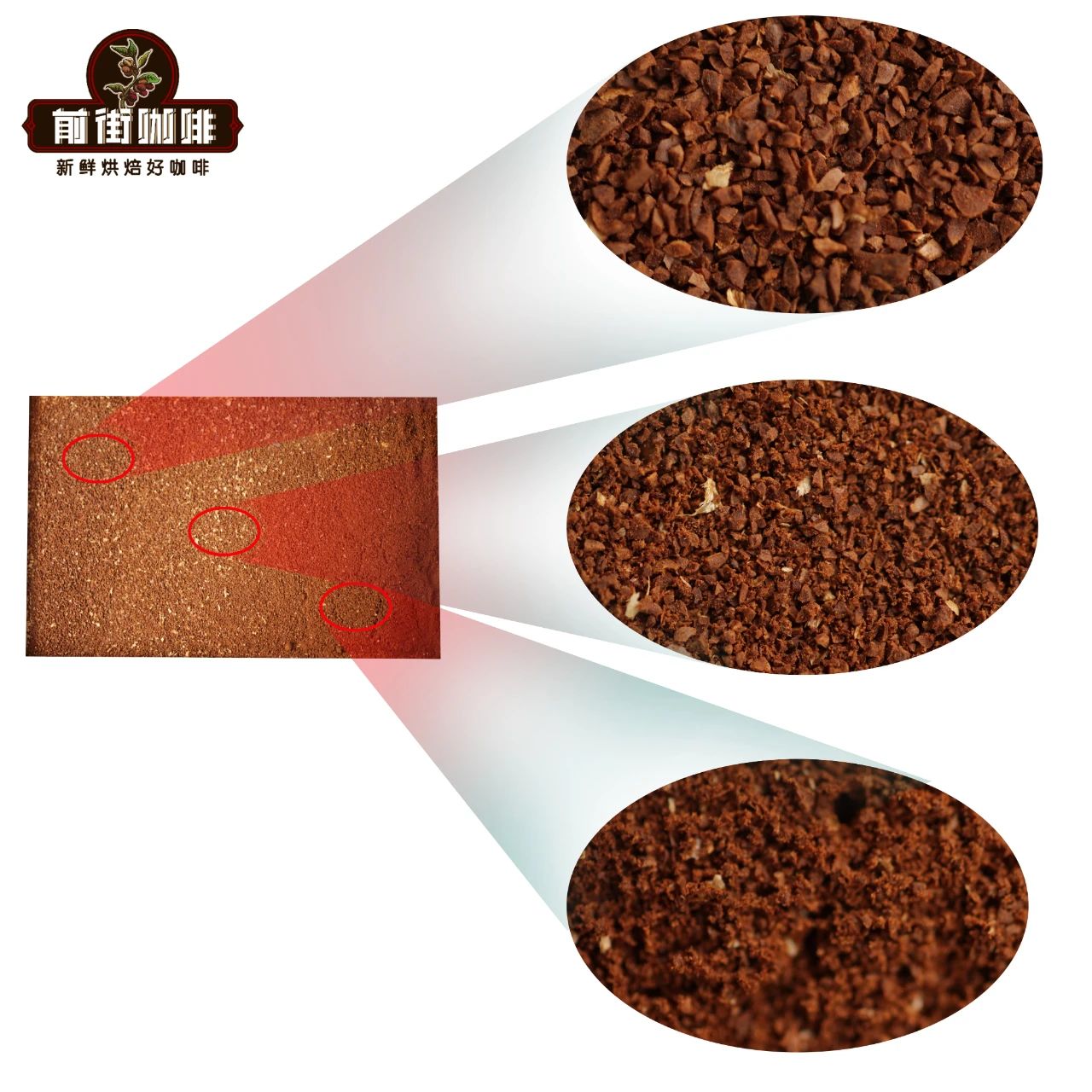
Although there is a general consensus on grind coarseness for various brewing methods, what exactly constitutes "coarser" or "finer" often remains vague. How can these differences be quantified? The answer lies in the industry-standard cupping standards. Although cupping was originally designed to evaluate green bean quality, its extraction method is highly instructive. The standard grind size for cupping is70–75% passing through a #20 sieve, and this value has become a benchmark for many home brewing parameters.
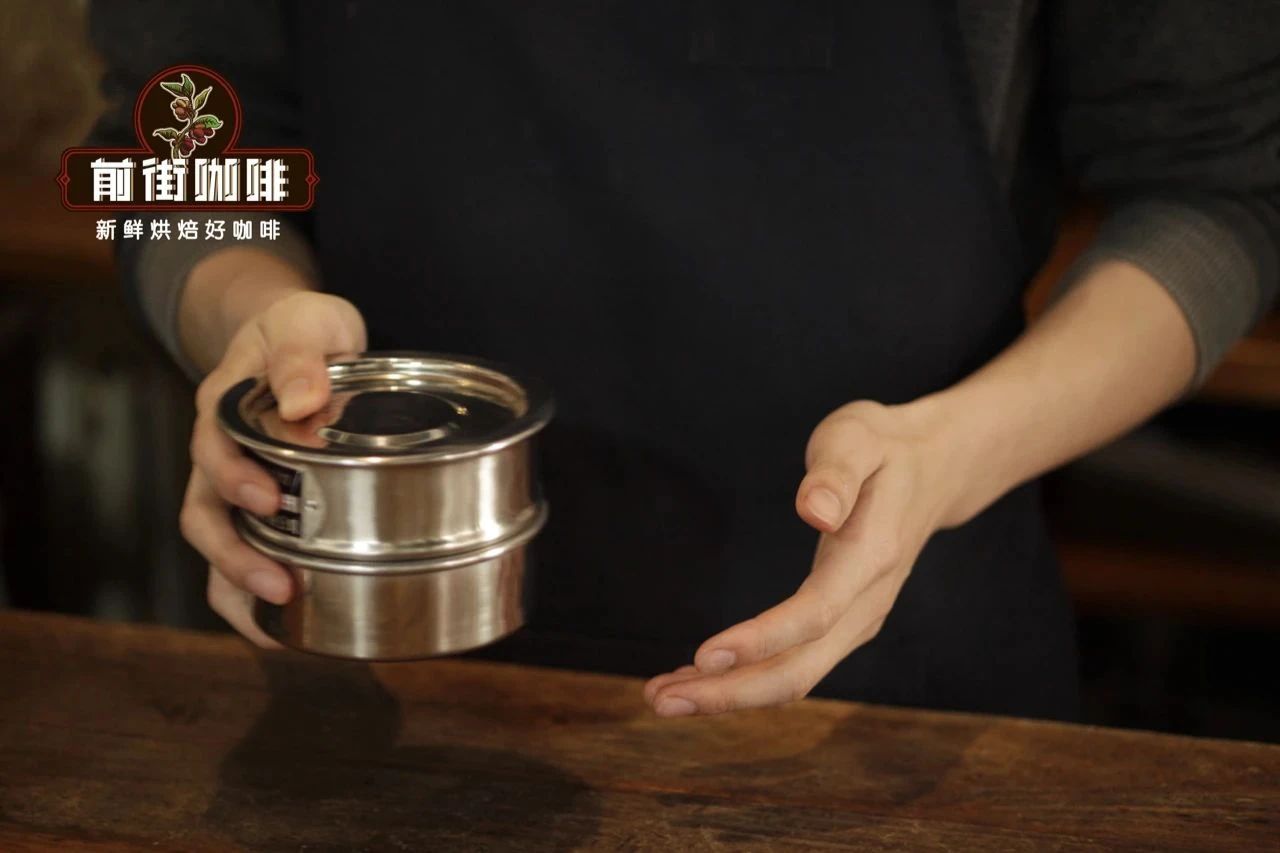
A #20 Chinese standard sieve has an aperture of 0.85 mm and is a commonly used tool for particle grading. Calibrating your grind is also quite simple: pour the ground coffee into the sieve, gently shake it until no more particles fall through, then weigh the coffee that passes through. For example, if you grind 20 grams of coffee and 15.2 grams pass through the sieve, the pass-through rate is 76%, indicating a finer grind. Mastering this technique allows you to precisely control the coarseness of your coffee grounds at home.
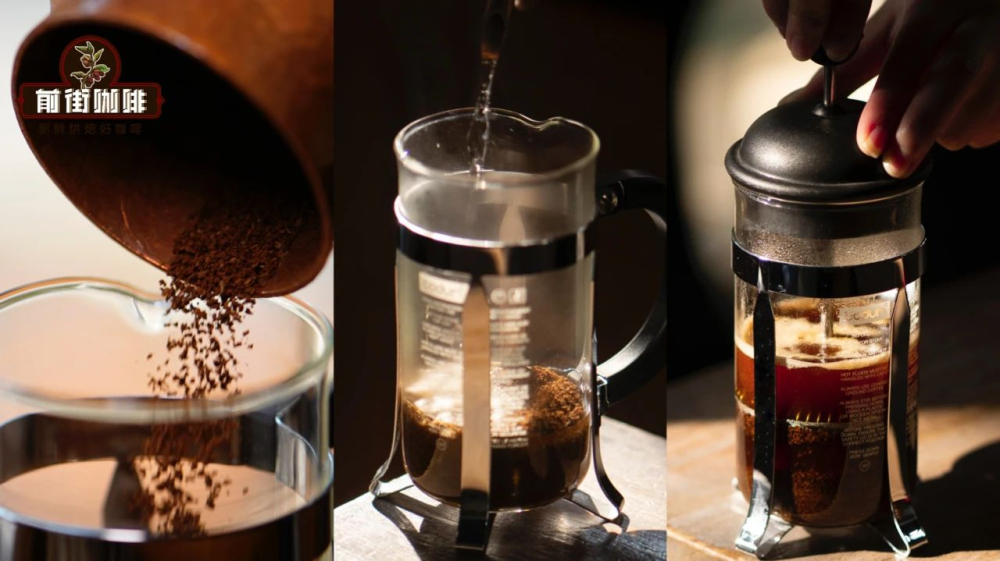
Based on cupping standards, we can further derive suggested grind parameters for common brewing devices. Starting with the French press, its grind size typically falls between70–75% passing through a #20 sieve. Since the French press uses a metal filter and immersion brewing, choosing coarser grind particles not only aids filtration but also aligns closely with the cupping extraction method. It’s especially important to note that for medium-light roasted beans, a slightly finer grind (72–75% passing rate) can be chosen, while for medium-dark roasts, a coarser grind (68–71% passing rate) is recommended to avoid over-extraction.
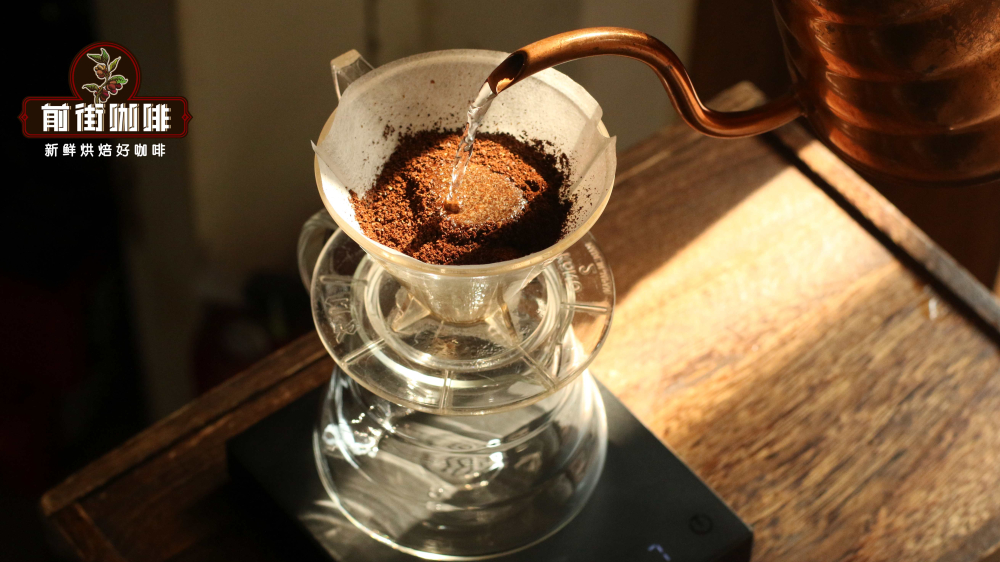
Pour over coffee mostly uses drip filtration extraction, which differs from the long immersion of the French press. A pour over typically completes extraction in 1 minute 30 seconds to 2 minutes 30 seconds, thus requiring a finer grind than cupping to fully release flavors. The suggested grind range is70–80% passing through a #20 sieve. For beans of different roast levels, medium-light roasts suit a finer grind (75–80% passing rate), while medium-dark roasts are better with a slightly coarser grind (70–75% passing rate) to balance acidity and body.
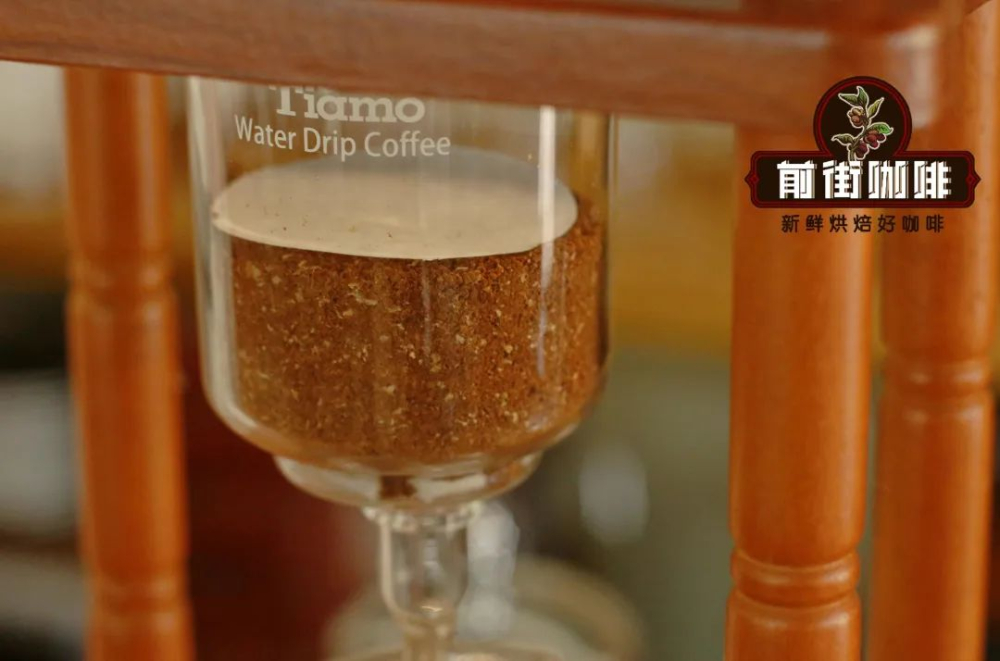
Cold brew and ice drip coffee, because they use cold water for extraction with slow infiltration speeds, require a finer grind to improve extraction efficiency. The recommended grind size is80–85% passing through a #20 sieve. If you prefer a richer taste, you can choose an 85% passing rate; for a cleaner flavor, you can reduce it to 80%. It’s worth noting that an overly fine grind may cause clogging of the filter layer or result in a cloudy brew, so it's recommended to fine-tune according to personal taste preference.
One often overlooked point is that even with the same grinder and the same setting, coffee beans of different densities or roast levels may produce grounds of varying fineness. For example, using an EK-43s grinder at setting 10, one brand of Yirgacheffe might have a sieve pass-through rate of 80%, while Colombian Rose Valley beans might only reach 75%. If the grind result is not as expected, it’s recommended to test with the same type of beans to judge grind size more accurately.
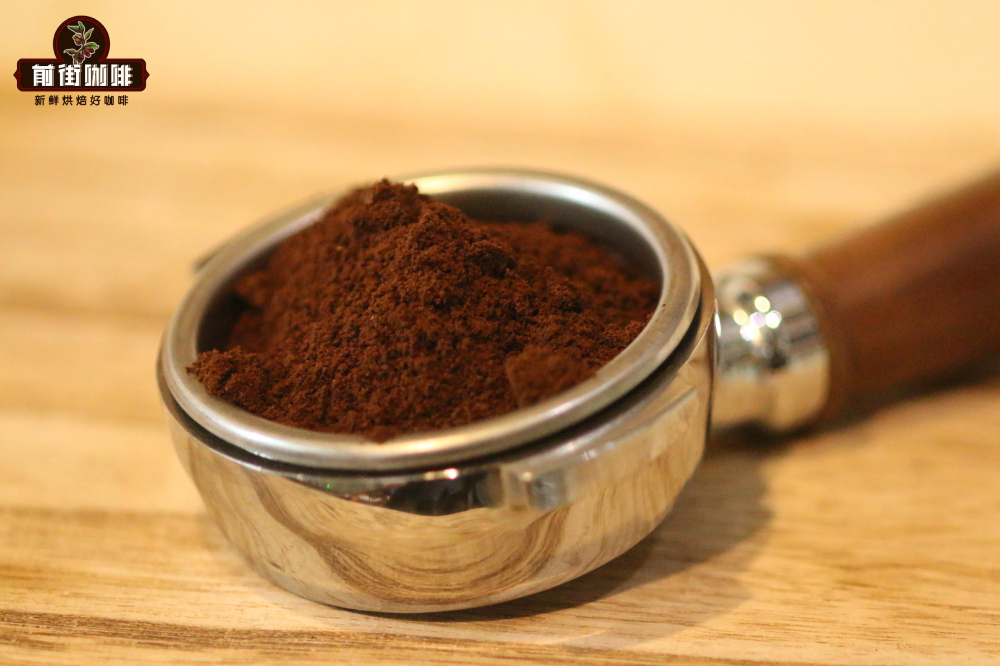
As for espresso machines, the required grind size is extremely fine and can hardly be measured precisely by sieves, usually requiring adjustment through actual extraction. A stable espresso extraction method is key — for instance, a common reference standard is: using 20 grams of coffee to extract 40 grams of espresso in 28 seconds (with an allowable error of ±1 second). When adjusting grind settings, it’s recommended to base adjustments on this extraction time and ratio, and then fine-tune according to flavor performance until the desired taste is achieved.
The above content is compiled by CoffeeHunters, a coffee news website.


