







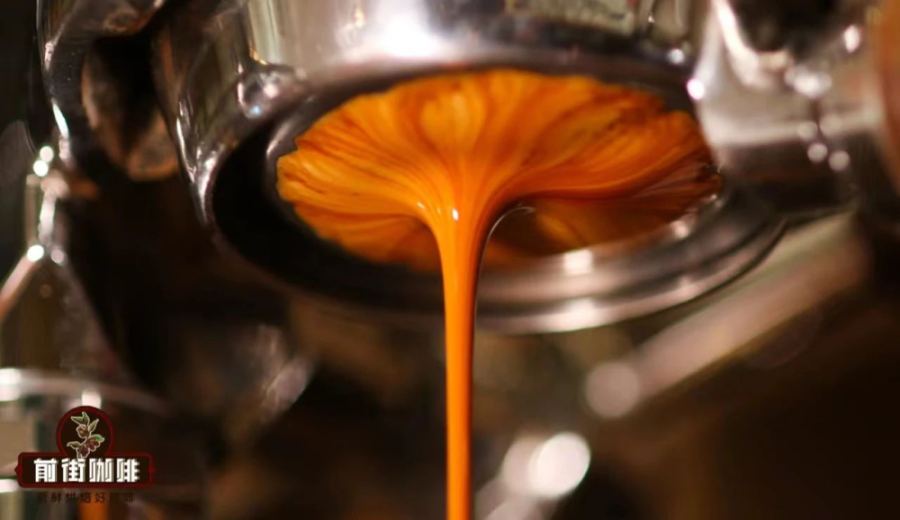
Introduction:SOE (Single Origin Espresso) has garnered significant attention in recent years. Crafting espresso with single-origin beans highlights distinct regional flavor profiles. This article explores the core characteristics of SOE—from selecting roast levels to adjusting extraction parameters—and provides practical advice. It also features three beginner-friendly SOE coffee beans, complete with flavor descriptions and brewing tips, to help you enhance the complexity of your espresso.
SOE stands for Single Origin Espresso, referring to espresso made from beans sourced from a single origin. Unlike common blends, SOE emphasizes showcasing the unique flavor traits of a specific region—such as fruity notes, floral aromas, or nutty scents. This approach has gained popularity in the specialty coffee scene in recent years, evolving from the emphasis on regional flavors in pour-over coffee to the realm of espresso.
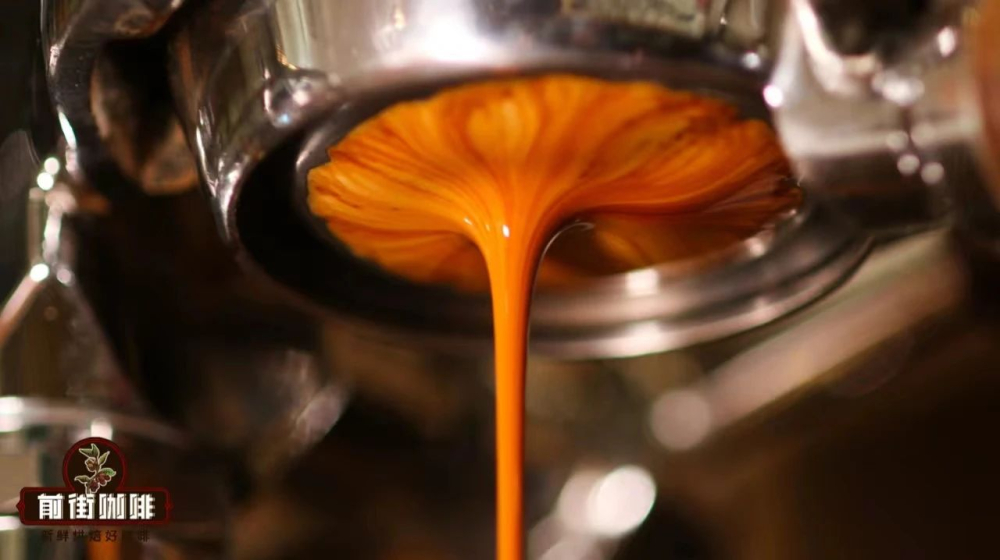
The key to SOE lies in "flavor clarity." To successfully present the characteristics of single-origin beans,the choice of roast level is crucial. Generally, SOEs are roasted to a medium or medium-light level to avoid dark roasting that might mask the beans' inherent flavors. However, lightly roasted beans tend to have harder fibers, requiring more precise parameter control during extraction; otherwise, they may easily turn overly sour or tannic.
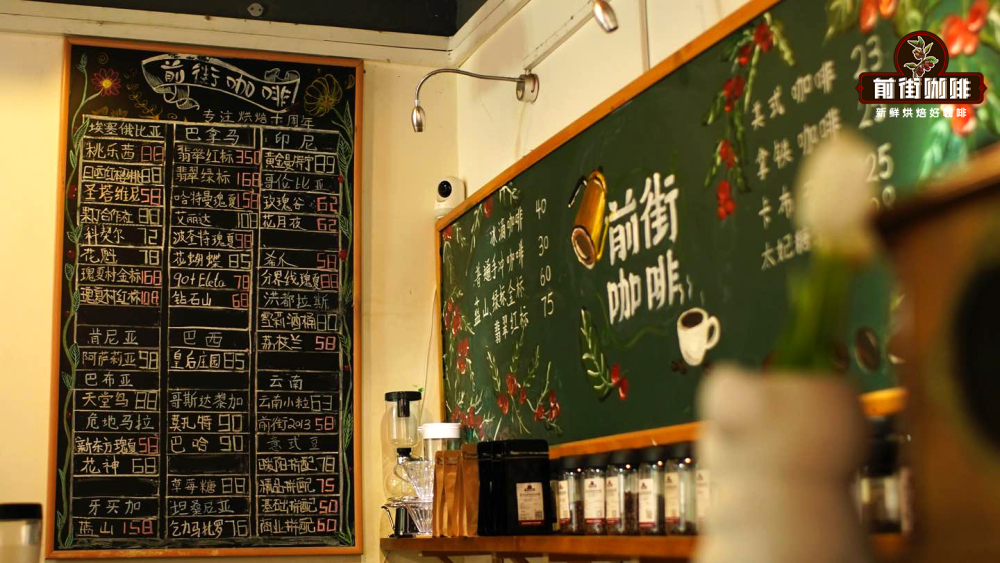
When actually crafting SOE espresso, there are three main points to consider:First is adjusting the grind size—it’s recommended to make it about 10-15% finer than a regular espresso to extend contact time;second is water temperature control—a range of 92-94°C is suggested to balance acidity and sweetness;and finally, maintaining stable pressure—at the standard 9-bar pressure, an extraction time of 25-30 seconds is recommended, with the dose fine-tuned to around 18-20 grams.
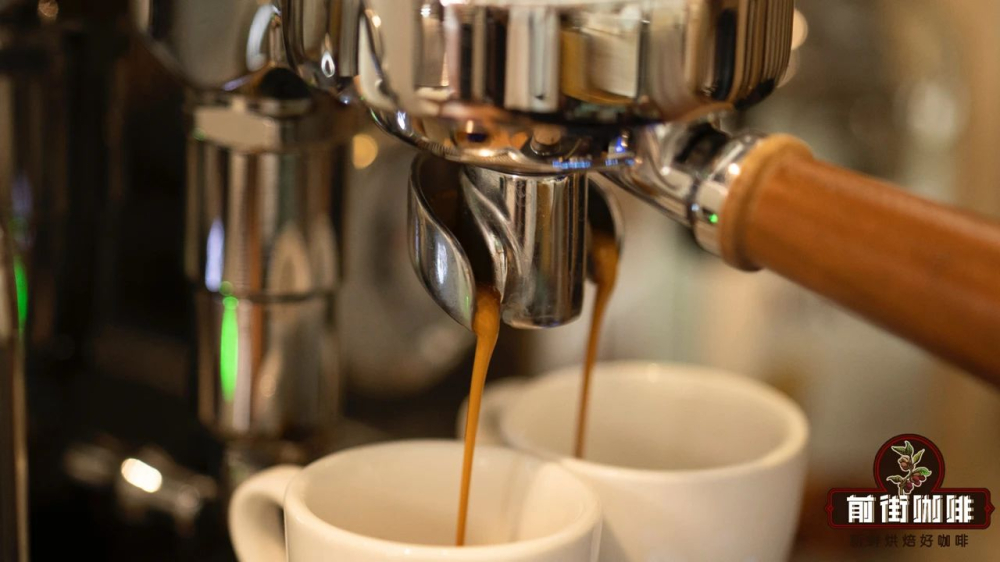
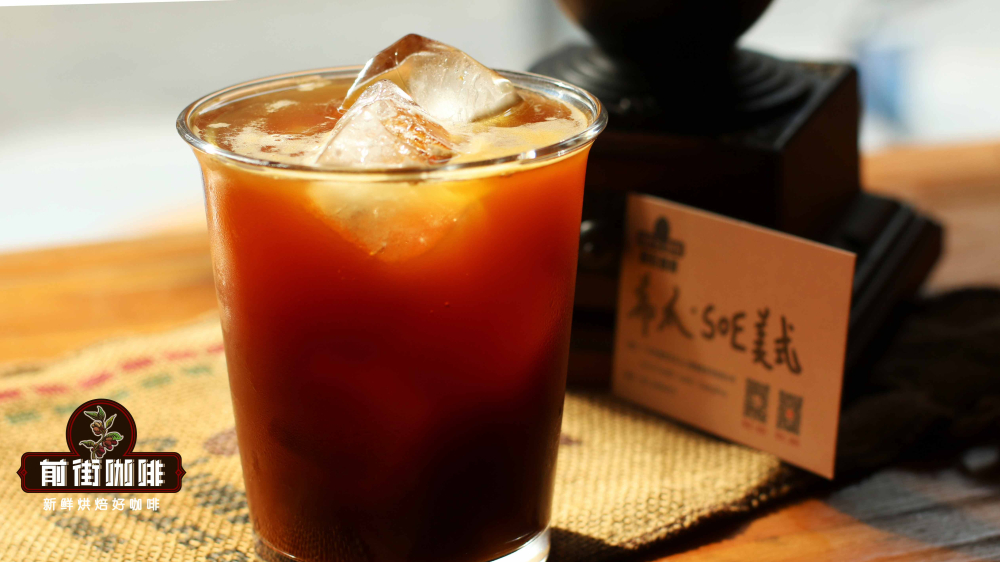
Image Position 1 () is suitable for describing the flavor characteristics of SOE and is recommended to be placed near content related to flavor analysis. In practice, SOEs from the Colombian region often exhibit bright fruit acids like blueberry and passionfruit, paired with moderate sweetness; whereas Brazilian beans are typically low in acidity with a full body, making them ideal for those who prefer chocolatey notes.
For beginners choosing SOE coffee beans, the following three market-proven options are recommended:The first is a bean with medium acidity and citrus tones, featuring prominent red berry characteristics;the second carries subtle floral and berry aromas, suitable for balancing the flavor when making milk coffee;the third is primarily based on nutty and cocoa notes, offering high body and a long aftertaste. The optimal tasting period for each bean is recommended within 7–21 days after roasting.
Common mistakes when making SOE include: using too coarse a grind leading to channeling, excessively high water temperature amplifying off-flavors, or imbalanced brew ratios resulting in thin body. Special note:light-roast SOEs are more sensitive to water quality—it’s advised to use filtered water and maintain total dissolved solids (TDS) within the 150–200 ppm range. If noticeable astringency occurs, try slightly adjusting the grind fineness or lowering the extraction pressure.
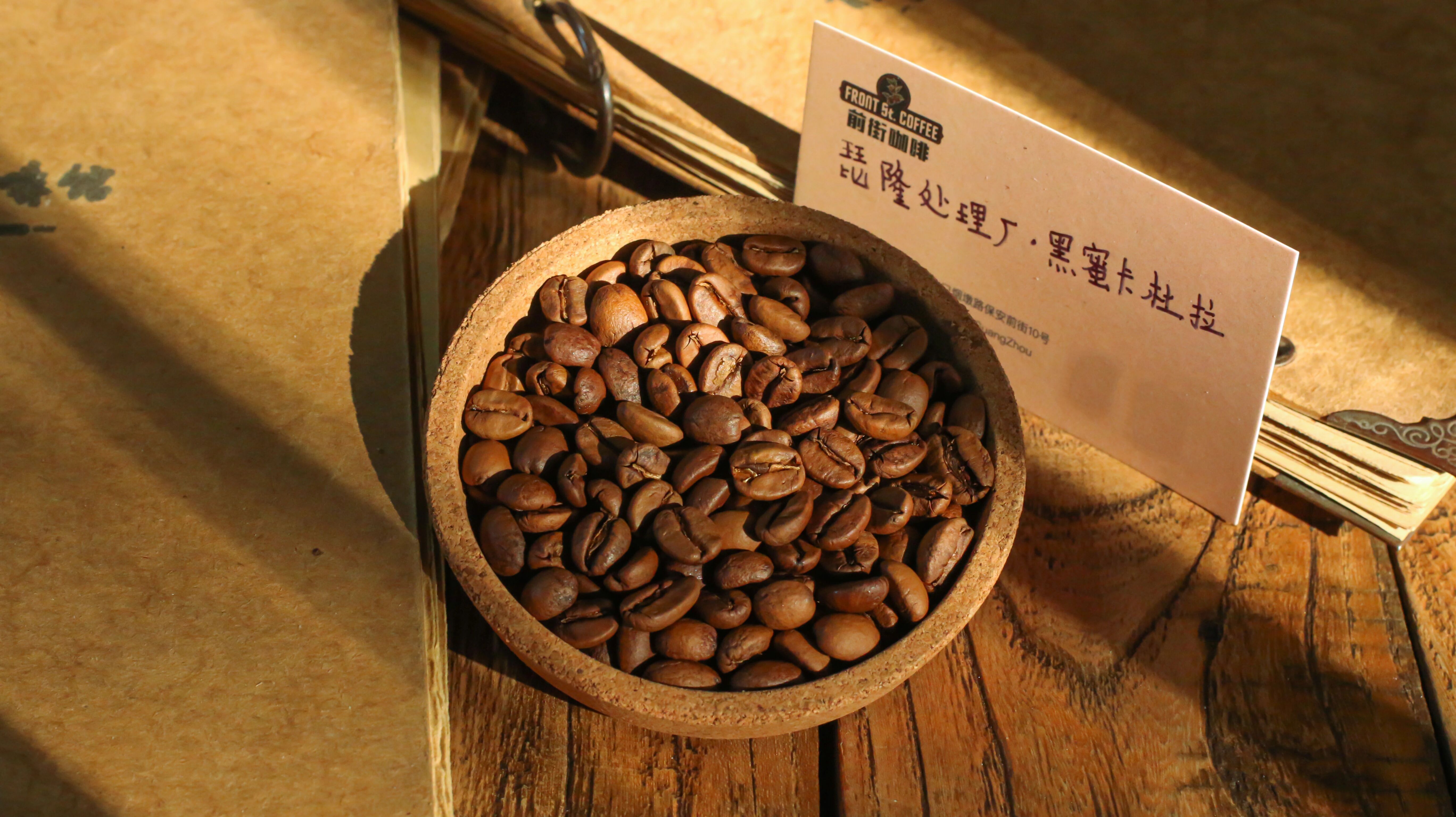
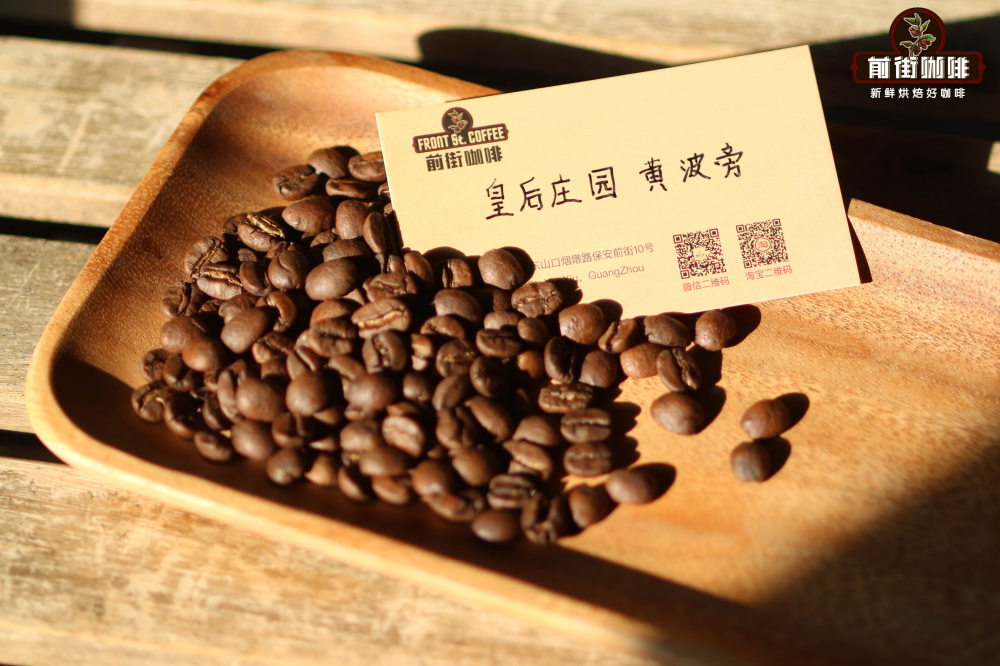
Image Position 2 () and Image Position 3 () are recommended for showcasing a comparison of flavor profiles across different regional SOEs. In practice, SOEs from Costa Rica may present complex aromas of rose petals and grapes, with a slight fermented wine-like taste upon entry; Brazilian regions often feature toasty bread and creamy chocolate notes, making them excellent as milk coffee bases with smooth textures.
Regarding pricing, SOEs typically cost 30–50% more than commercial blends, mainly becausesingle-origin bean sourcing demands higher stability, and roasters need to invest more time in cupping and selection. But for consumers seeking layered flavors, investing in high-quality SOEs can significantly elevate home brewing experiences. First-timers are advised to start with entry-level SOE products from mid-sized roasters to gradually develop their ability to discern regional flavors.
Additional practical tip: When using SOE for milk coffee, adjust the milk ratio to 1:2 to 1:3 (espresso:milk) to avoid diluting the flavor with too much liquid. If using tools like the AeroPress to brew SOE, try 93°C water temperature with a 2-minute blooming time to effectively bring out the delicate characteristics of single-origin beans. Remember,the charm of SOE lies in showcasing the terroir of the coffee itself—over-manipulation may cause you to lose its core value.
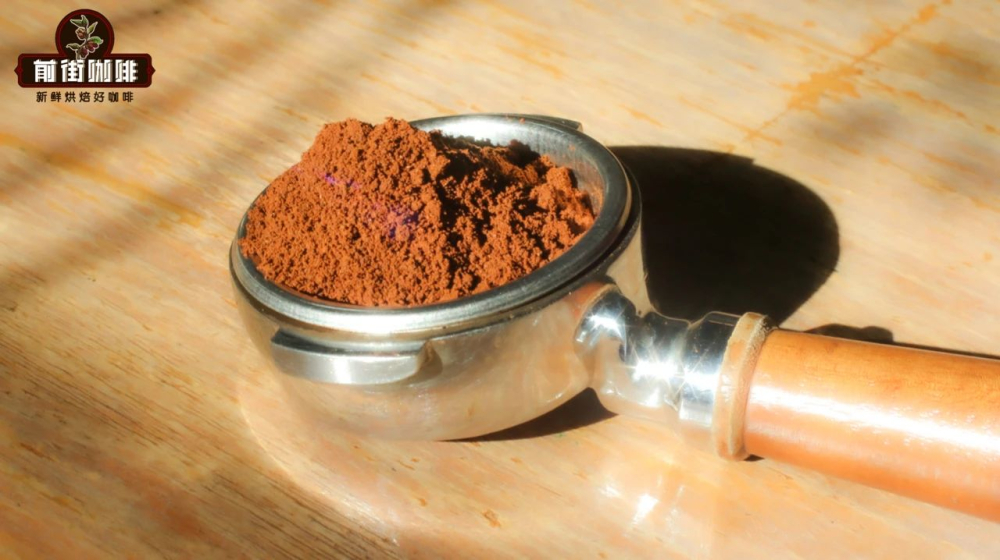
Lastly, remember that Image Position 4 () through Image Position 8 (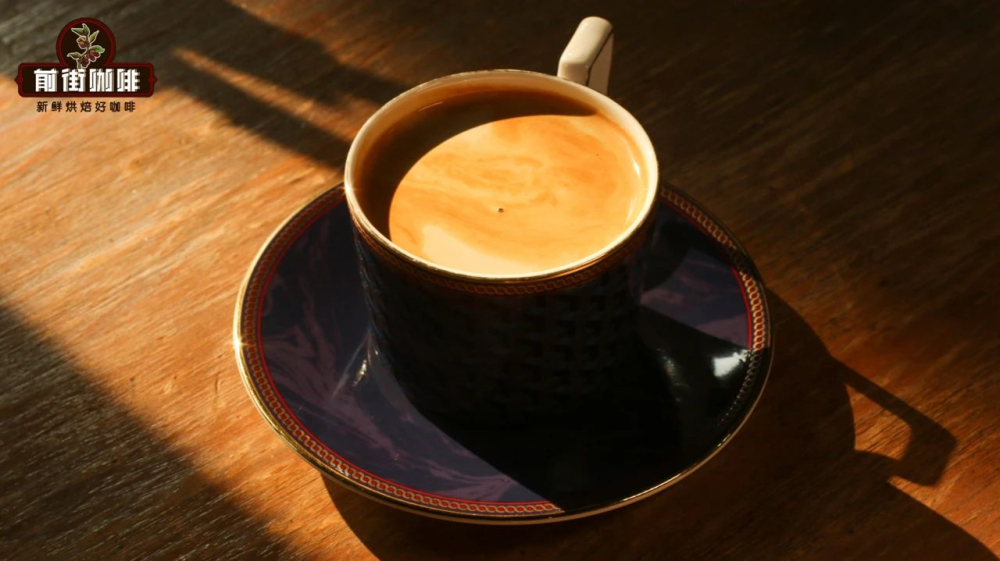 ) should be arranged according to the flow of actual content. It’s advisable to pair sections such as regional flavor descriptions, extraction parameter charts, and solutions to common issues with corresponding visuals to enhance readability. No matter which SOE you choose, regularly calibrating your grinder and brewing equipment is the key to ensuring consistent quality in every brew.
The above content is compiled by CoffeeHunters, a coffee news website.


