







Introduction:The difference between commercial coffee beans and specialty coffee beans lies in flavor profile, usage, and roasting strategy. Choosing the right beans can effectively balance cost and quality. This article delves into the characteristics of the three major coffee classifications and carefully selects five espresso blends suitable for shop use. From flavor profiles to applicable scenarios, it provides practical advice to help shop owners make informed choices.
Commonly available coffee beans on the market can be roughly divided into three categories: industrial coffee, commercial coffee, and specialty coffee, with their distinctions primarily based on variety, origin, and processing method. Industrial coffee is mostly 100% Robusta, known for its strong bitterness and high caffeine content, primarily used in instant coffee production. Commercial coffee achieves stable flavor and cost-effectiveness by blending beans from different origins or varieties, often serving as the base for espresso. Specialty coffee emphasizes the unique characteristics of a single origin and must be certified with a cupping score of 80 or above, such as the renowned Panamanian Geisha or Kenyan small tomatoes. These beans are suitable for pour over methods that highlight layered flavors or for specialty coffee shops.
For entrepreneurs planning to open a coffee shop, selecting the appropriate commercial coffee beans is a key decision. Different blending strategies will directly impact the crema performance, cost structure, and customer acceptance.
Industrial coffee is mainly Robusta, a bean type that is naturally disease-resistant and high-yielding, but with relatively monotonous flavors, commonly used in instant coffee or three-in-one drinks. Commercial coffee, on the other hand, is scientifically blended by combining beans from two or more origins or varieties in specific proportions — for example, blending the body of Brazilian beans with the neutral flavor of Vietnamese beans — ensuring consistent extraction performance across each batch.
The definition of specialty coffee is strict; it must come from a specific micro-region and possess traceable terroir characteristics. These beans are commonly used in single-origin pour over, but some high-quality Arabica beans are also used in the high-end espresso market.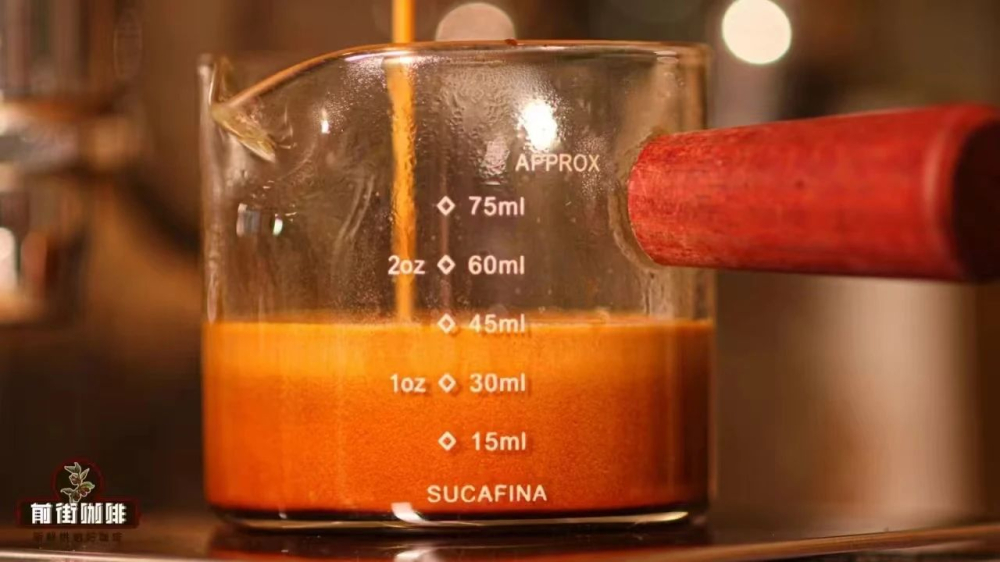
For shop owners, choosing a reliable roasting brand is crucial. A stable supply chain, freshly roasted cycles, and a reasonable price range are key evaluation points. It’s recommended to prioritize suppliers that offer small-batch samples and detailed roast logs to ensure the beans suit the characteristics of your in-shop equipment.
 The art of blending commercial coffee beans lies in balancing acidity, sweetness, and body. Dark roasting can enhance the contrast between bitterness and sweetness, making it suitable for espresso; medium to light roasting preserves more floral and fruity notes, catering to customers who prefer a refreshing taste. The richness of the crema is also an important indicator — good crema can elevate the overall drinking experience.
The top recommendation is the classic three-country blend, combining the nuttiness of Brazilian beans, the herbal aroma of Indonesian beans, and the neutral base of Vietnamese beans. After dark roasting, it presents a rich caramel flavor with a thick crema, making it suitable for making lattes and Americanos. The stability of this blend has been proven in the market and is suitable for coffee shops with high daily output.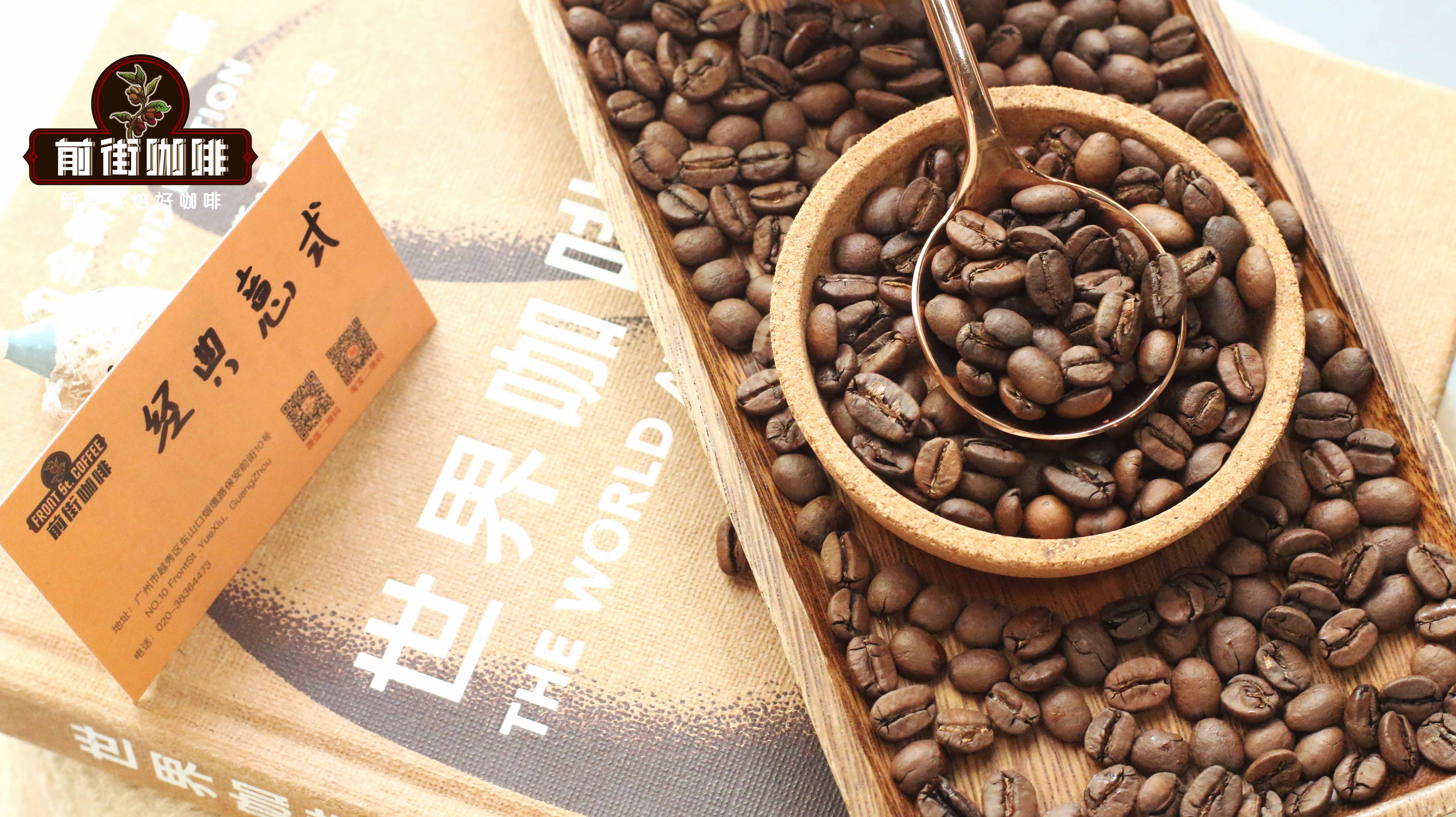
The Strawberry Candy blend represents innovative flavors. It uses the sweet base of Costa Rican honey-processed beans, paired with the citrus notes of Ethiopian beans and the chocolate layers of Colombian beans. Upon extraction, it reveals surprising finishing notes of rose petals and strawberry soft candy. This blend is suitable for shops targeting a younger clientele, adding a distinctive memorable touch to standard espresso offerings.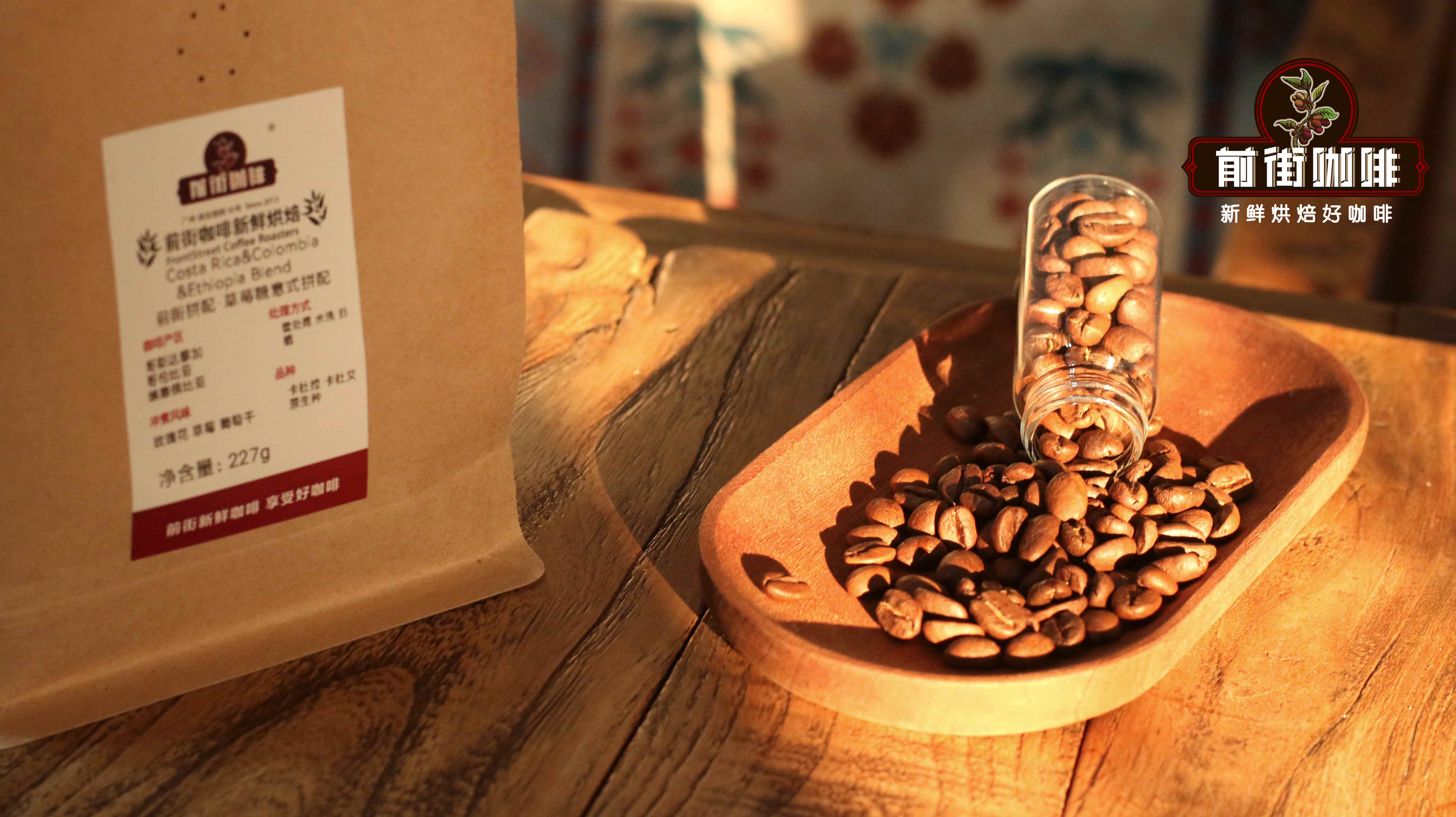
Specialty-grade commercial blends emphasize balance — for example, combining the bright acidity of beans from the Huila region with the rich bitterness of beans from the Cerrado region, forming a harmonious melody of roasted nuts and maple syrup. Such beans are suitable for well-equipped specialty coffee shops, highlighting the barista’s extraction skills.
Finally, the recommended budget-friendly commercial blend consists of Brazilian, Colombian, and Vietnamese beans. With a medium-dark roast, it delivers classic flavors of dark cocoa and toasted bread. This blend offers outstanding cost-performance, ideal for startups with limited budgets. The resulting Americano is smooth on the palate, while the latte showcases a dense texture and long-lasting aftertaste.
The above content is compiled by CoffeeHunters, a coffee news website.


