







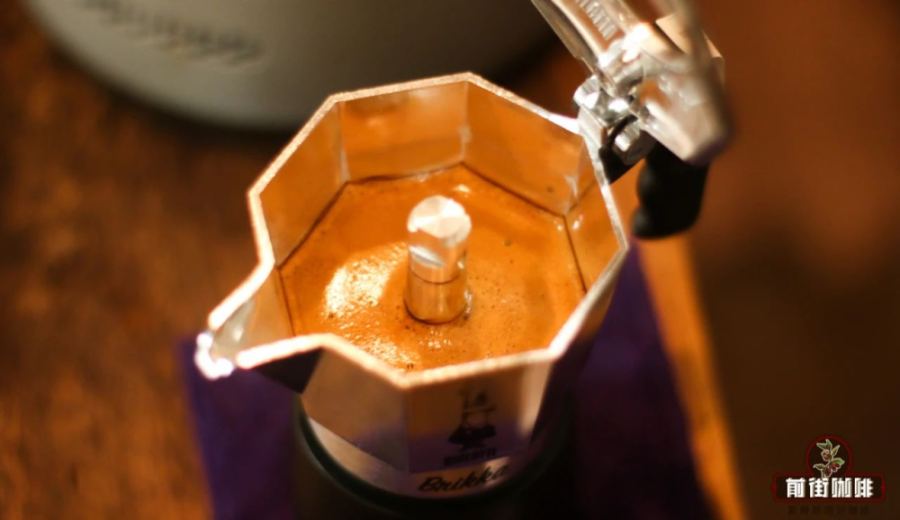
Introduction:The moka pot is an essential tool in the homes of many coffee enthusiasts, but many often encounter issues such as overly bitter coffee, insufficient flavor, or excessively high concentration. This article will delve into how to brew balanced and aromatic coffee with a moka pot. From bean selection, coffee grounds filling techniques, grind size testing, to heat control and post-brew adjustments, we’ll guide you step-by-step through the key parameters and practical skills of moka pot extraction. We’ll also recommend several single-origin coffee beans suited for medium to dark roasts, allowing you to easily brew professional-grade espresso at home.
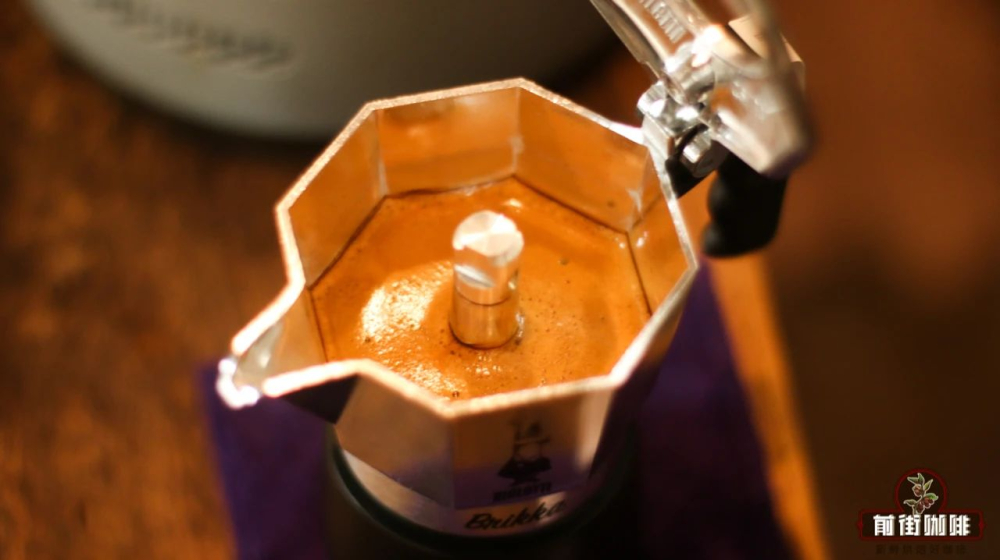
Although the operating principle of the moka pot is simple, many people often experience uneven extraction, overly intense flavors, or noticeable bitterness in actual use. This article will share a series of practical tips across various stages—including bean selection, grounds filling, grinding, and extraction heat control—to help you brew moka pot coffee with fuller flavor and more balanced taste.

To improve the overall performance of your moka pot coffee, it is recommended to make careful adjustments and observations throughout the entire process—from bean selection and extraction to the tasting stage—in order to gradually find the extraction method that best suits your personal taste.
1. Choose Medium to Dark Roast Beans to Bring Out Rich Aroma and Body

The moka pot operates under high temperature and pressure. If you choose light roast beans, under-extraction is likely to occur, resulting in thin coffee flavor, prominent acidity, and a lack of the desired body and crema. To achieve a rounder, more aromatic taste, it is recommended to use medium to dark roast coffee beans, which can not only bring out layers of caramel, chocolate, and spices but also more easily present a rich and full-bodied texture.
It is recommended to try medium to dark roast single-origin beans such as Golden Mandheling, Brazilian Queen Estate, Colombian Huila, and Yunnan Typica. These bean varieties, when brewed with a moka pot, can showcase captivating complex flavors of nuts, cream, cocoa, and dark chocolate. They are suitable for direct enjoyment or can be adjusted in strength with milk or hot water.
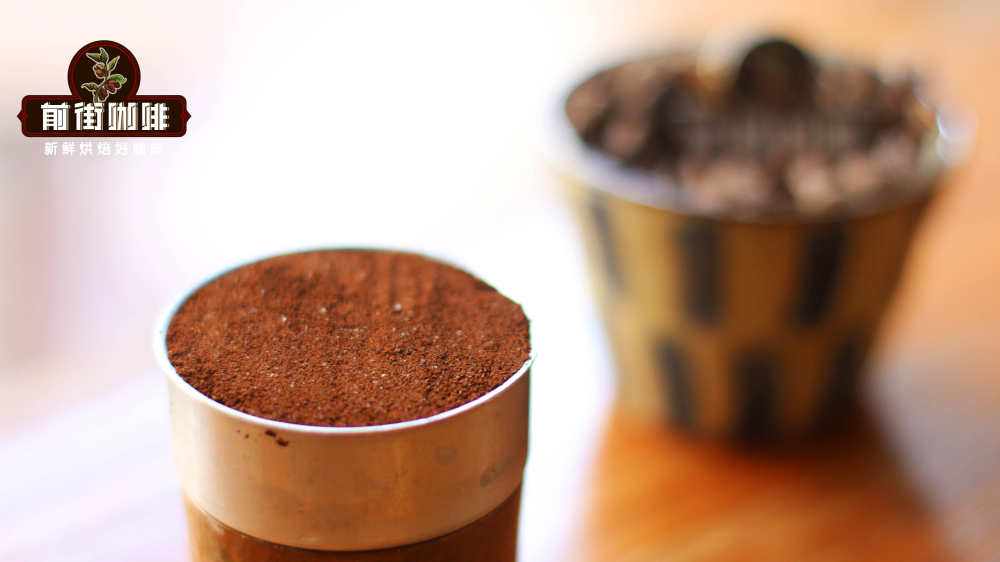
2. Fill the Coffee Grounds Firmly to Avoid Uneven Extraction Due to Air Gaps
Many people use a spoon to casually add coffee grounds into the moka pot, which often leaves too much air in the filter basket, leading to uneven extraction, over-extraction or under-extraction of some coffee grounds, and subsequently producing off-flavors or bitterness. It is recommended to pour unground coffee beans into the filter basket until full before grinding, to ensure maximum coffee grounds volume.
Next, you can place the base of the moka pot flat on a clean tablecloth and gently tap it so that the top layer of coffee grounds naturally settles, creating more space to add all the coffee grounds. This helps to improve the consistency of the coffee bed density, avoid localized over-extraction or under-extraction, and further enhance the stability and purity of the overall extraction.
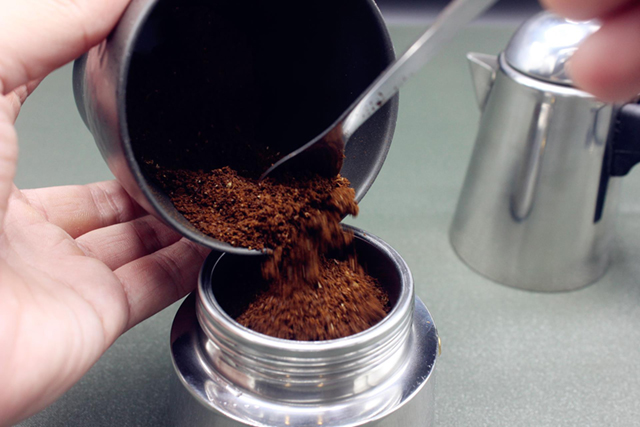
3. Adjust the Grind Size Through Testing: Find the Limit First, Then Dial Back to the Optimal Level
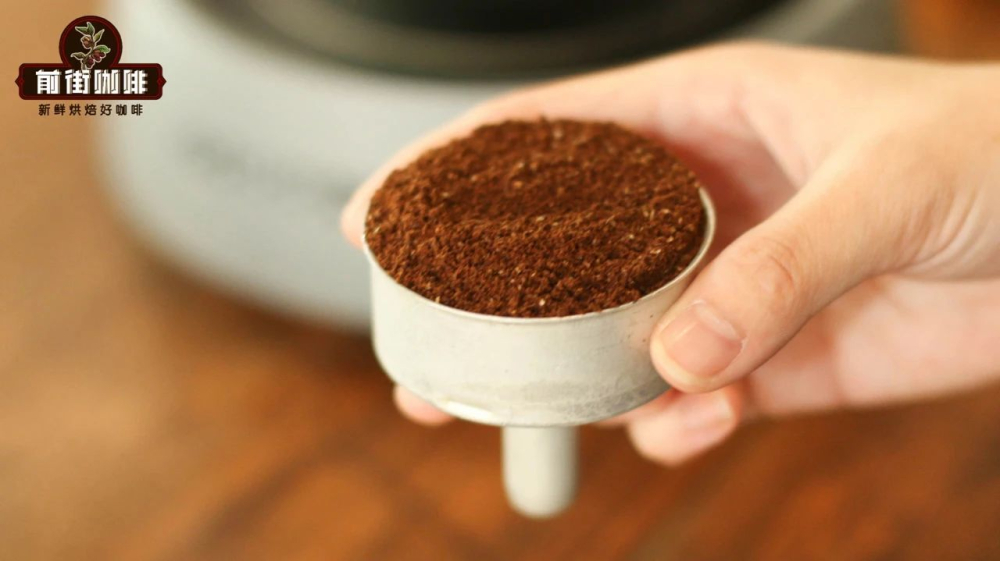
Regarding the optimal grind size for the moka pot, a common question is “How fine should it be?” However, due to the significant differences in design and settings among grinders, it’s difficult to provide a one-size-fits-all standard answer. It is recommended to experiment with various grind sizes initially, to identify the threshold where the coffee becomes bitter or over-extracted, then adjust back to a safe range.
Generally speaking, due to the high temperature and pressure conditions, the coffee brewed with a moka pot has a relatively higher concentration. If you are used to a lighter pour over concentration, you can adjust by adding hot water or milk, rather than hastily making the grind coarser, which may result in the loss of valuable aroma and complexity.
4. Use Filter Paper to Enhance Clarity of Taste
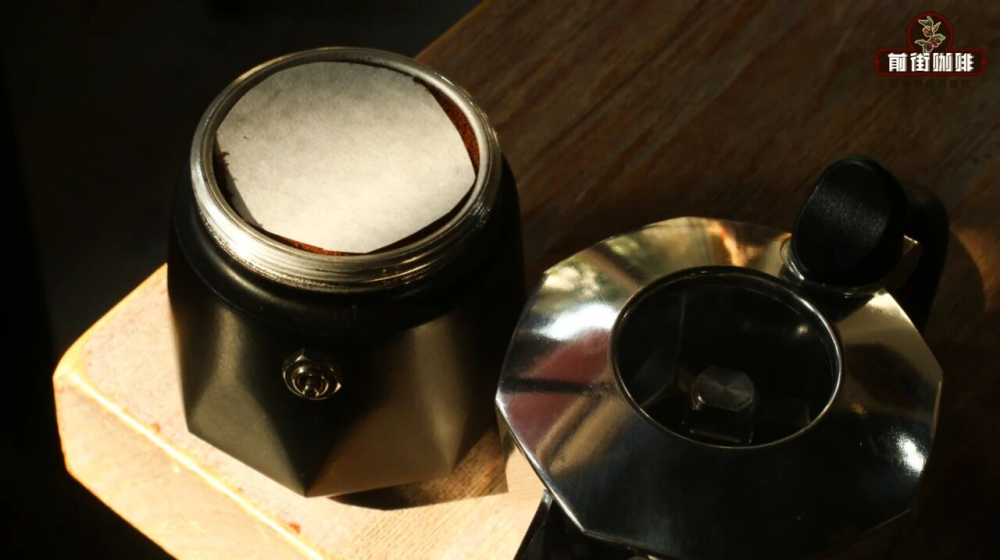
Coffee brewed with a moka pot often contains small amounts of fine coffee particles, and you may feel a gritty texture at the bottom of the cup. If you prefer a smoother and clearer taste, it is recommended to use round filter paper (also called pellet-shaped filter paper) or DIY pour over filter paper to filter the coffee liquid.
Placing the filter paper on top of the coffee grounds or directly adhering it to the bottom of the upper chamber can effectively filter out some fine particles, making the coffee taste smoother and reducing the grittiness. If you want to further adjust the acidity, you can try using double-layer filter paper, which helps soften fruity acidity and adds a fuller body—an easy yet effective fine-tuning method.
5. Heat Control Is Key: Turn Down When Boiling, Turn Off When Half the Coffee Has Flowed Out
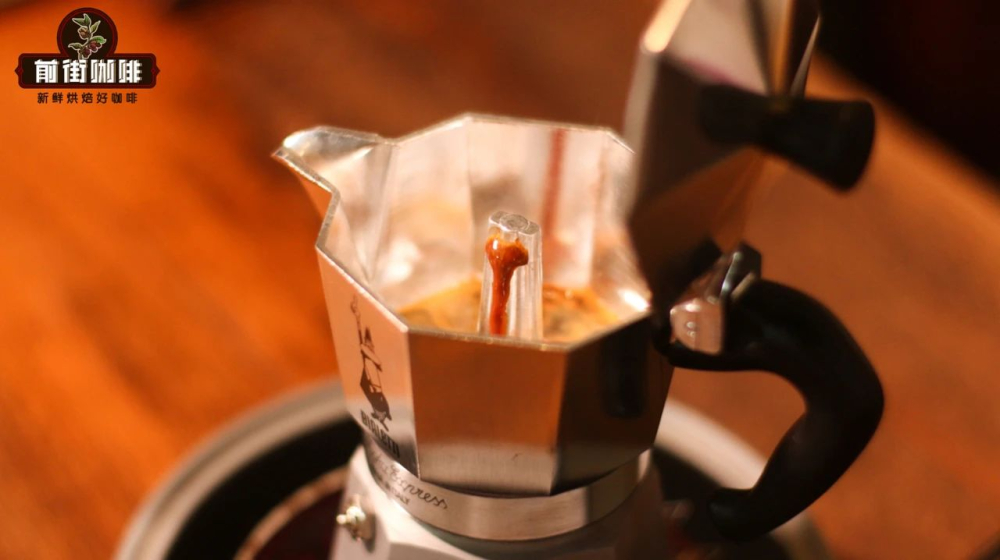
When starting to heat, it is recommended to observe the operation of the moka pot throughout. Especially when the pot emits a clear “boiling sound,” it indicates that the temperature has reached the critical point. You should immediately switch to low heat to prevent rapid temperature rise, which can cause the coffee liquid to gush out too early, leading to uneven extraction or disruption of the coffee bed.
When about half of the coffee liquid has flowed out from the upper chamber, you can prepare to turn off the heat, allowing the residual heat inside the pot to complete the latter part of the extraction. This can effectively prevent over-extraction and increased bitterness caused by excessive pressure.
6. Adjust Strength as Needed by Adding Water to Achieve Optimal Balance

The default coffee-to-water ratio of a moka pot is usually on the higher side—for example, 20 grams of coffee grounds to 200 milliliters of water, yielding approximately 160 milliliters of coffee, with a concentration ratio of around 1:8, which is significantly higher than the commonly preferred 1:12 to 1:15. Therefore, it is recommended to adjust the strength by adding an appropriate amount of hot water based on individual taste preferences, to make the coffee flavor smoother and more palatable, and to better appreciate the delicate aromas and layers within the coffee.
The above content is compiled by CoffeeHunters, a coffee news website.


