







Introduction:Have you been brewing coffee using the method recommended by the café, yet still unable to achieve the desired flavor? Common issues often stem from overlooked details. This article delves into nine key steps that beginners most frequently neglect, covering everything from "grinder rinsing" before grinding beans, filter paper fitting techniques, pouring methods, to parameter control. It provides a comprehensive guide on how to optimize your pour-over process, helping you consistently extract coffee with balanced flavors and distinct layers. This is an essential practical guide for both pour-over beginners and those looking to refine their skills.
Recommended by a barista, you carefully selected a single-origin bean and followed the café’s instructions step-by-step, yet the brewed coffee turned out vastly different from what you tasted in the shop. You’re left puzzled—yet the issue likely lies in those easily overlooked small details.
For beginners just starting out with pour-over coffee,mastering each foundational detail is the key to successful entry. If you’re struggling with unsatisfactory flavors in your pour-over brews, consider these nine commonly missed points below to identify and resolve the problems.
Detail 1: Not “rinsing the grinder” before grinding leads to coffee flavor contamination
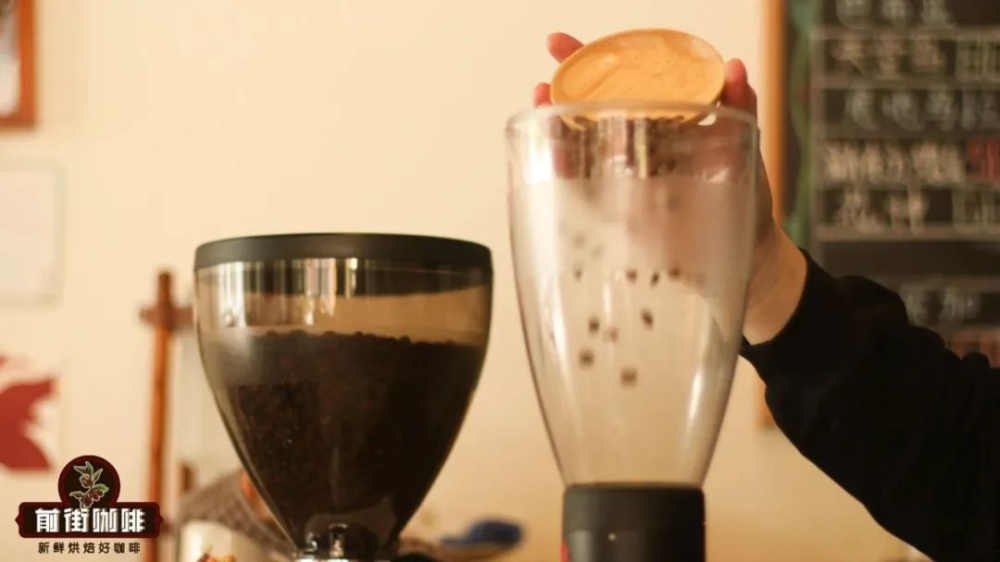
Whether you use a hand-cranked or electric grinder, some fine coffee particles will inevitably remain on the burrs after each grind. Without regular cleaning—especially if you brew infrequently—these accumulated coffee fines can oxidize over time, producing off-flavors such as woody or rancid notes.
To avoid mixing old grounds with freshly ground coffee, it’s recommended to do a “dry grind” of a few beans before actual grinding to remove residual old particles.This action is called “grinder rinsing” and effectively minimizes unwanted flavor interference. Additionally, it's good practice to clean your grinder after each use to prolong its lifespan and maintain flavor purity.

Detail 2: Wet filter paper not properly attached to the filter cone affects preheating and extraction
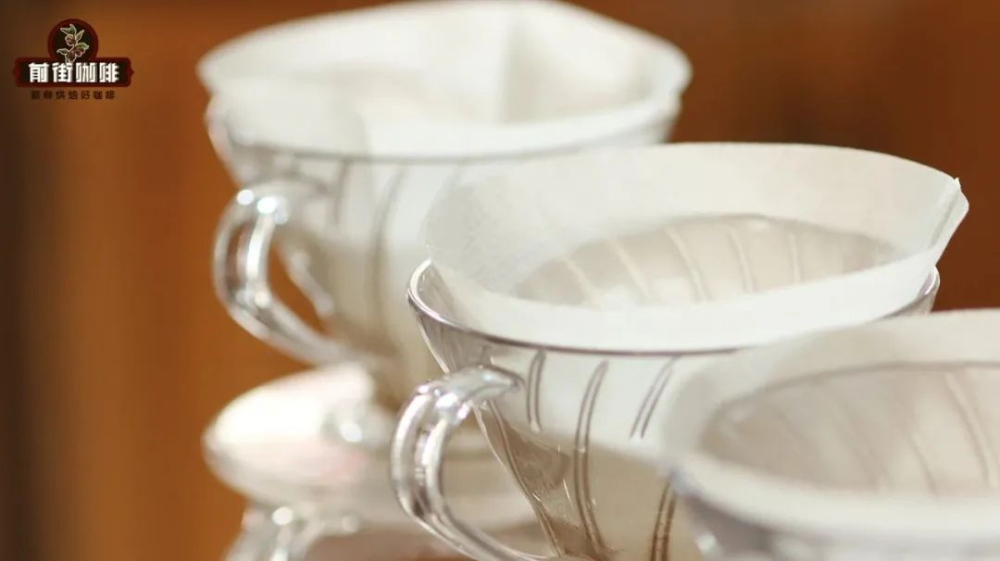
Wetting the filter paper is a basic pre-brewing step, mainly to ensure the filter adheres tightly to the cone and to preheat the equipment. However, many beginners only wet the filter without ensuring it fully conforms to the cone.
If the filter paper doesn’t lie flat against the cone, it can obstruct gas release during the blooming phase and also interfere with the cone’s structural design features—such as the V60’s spiral ribs or the Kono’s curved flow channels—thereby affecting extraction uniformity and water flow rate.Improperly fitted filter paper may lead to uneven extraction or too-fast water drainage. It’s advised to gently press and tap the filter cone after wetting the paper to eliminate any trapped air bubbles.
Detail 3: Over-tapping the filter cone after adding coffee grounds affects the coffee bed structure
To achieve an even coffee bed, many people gently tap or shake the filter cone after pouring in the grounds. However, excessive or overly forceful tapping can compact the fines at the bottom, resulting in a loose top layer and dense bottom layer. This makes it difficult for hot water to penetrate evenly and may even cause clogging during the later stages of extraction.
It’s recommended to slowly pour the grounds directly into the center of the filter cone, then gently shake to allow the coffee bed to settle naturally. Avoid unnecessary interference to maintain bed stability, which helps ensure even water flow during pouring.
Detail 4: Pre-pour checks should not be overlooked
Even if you’re familiar with various extraction parameters, oversights during the actual process can still impact results. Before starting the pour, make sure to discard any remaining water in the server, confirm the kettle has enough water, and reset the scale to accurately measure the coffee dose—this avoids under-dosing due to coffee retention in the grinder.
These seemingly simple steps are crucial for ensuring each brew starts on a stable foundation, effectively preventing small mistakes from compromising the entire process.
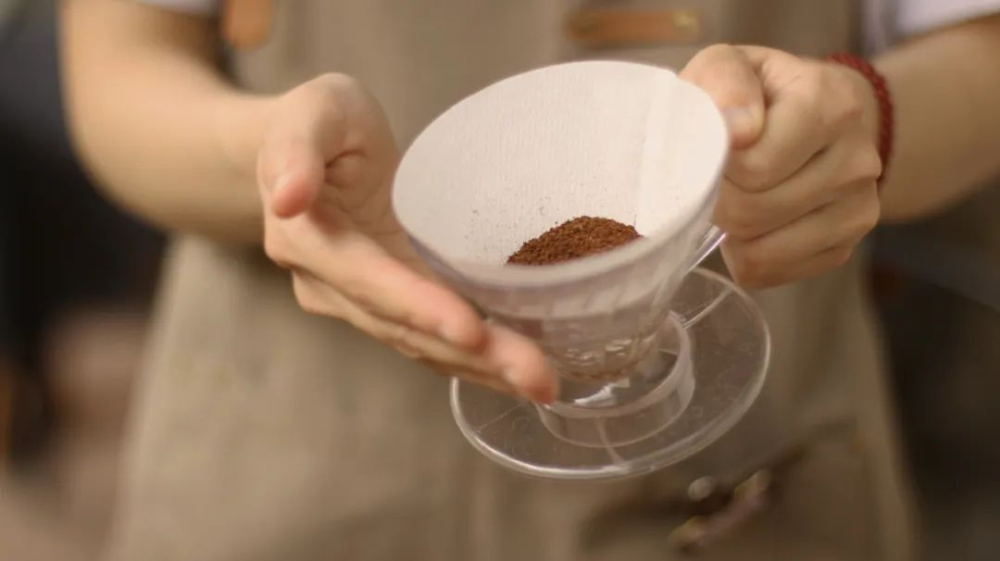
Detail 5: Confirming water temperature but delaying the pour leads to heat loss
Many home brewers set the desired water temperature, cover the kettle, then get distracted with other tasks—only to find the water has cooled by the time they’re ready to pour, negatively affecting extraction.
It’s best to confirm the water temperature as the final preparatory step. If using an electric kettle without temperature control, preheat it to about 2–3°C higher than the target temperature, let it sit to cool to the desired level, then begin pouring immediately to ensure optimal brewing temperature.
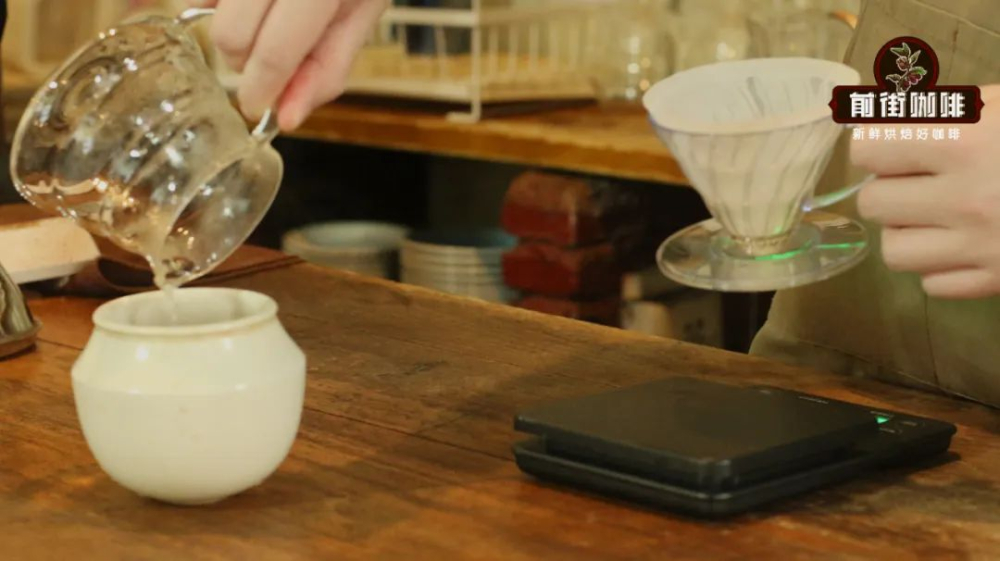
Detail 6: Incomplete wetting of coffee grounds during bloom affects gas release
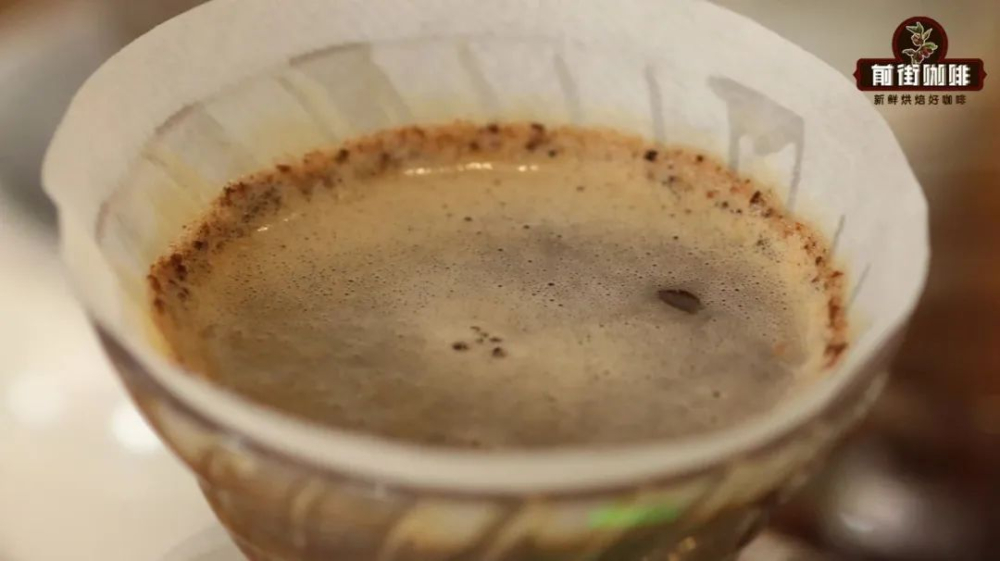
The bloom phase typically uses double the coffee dose in water and rests for about 30 seconds. This step helps release CO₂ from the grounds, laying the groundwork for better extraction. But focusing solely on water volume and time while neglecting to uniformly saturate all grounds can result in uneven blooming.
If you notice uneven wetness during blooming, you can “borrow” a small amount (around 5–10g) of water from the later pouring phase to ensure all grounds are moistened. This aids fuller gas release and consistent extraction afterward.
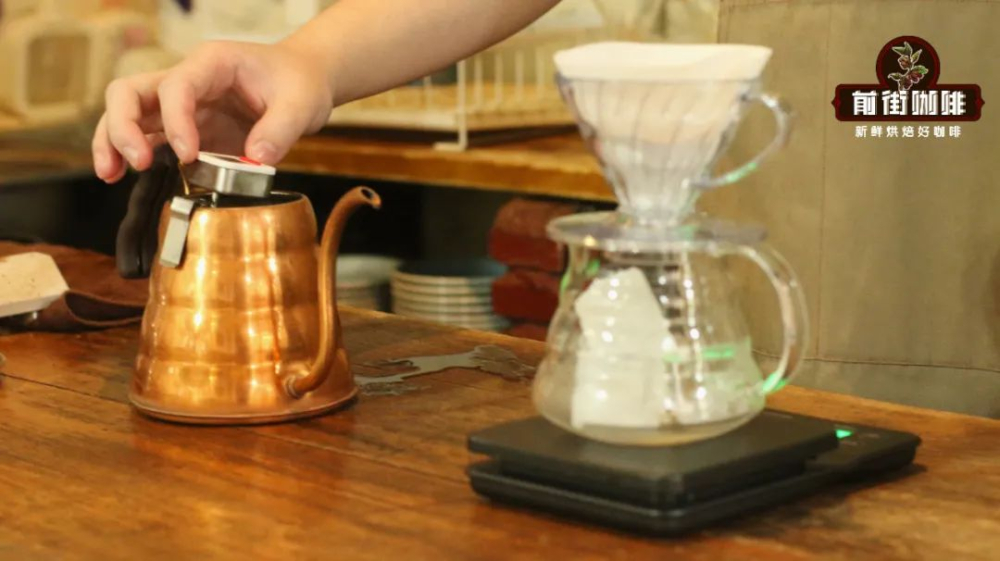
Detail 7: Inconsistent execution of brewing parameters makes adjustments ineffective
Before brewing, it’s advisable to plan key parameters in advance, including coffee dose, water volume, temperature, grind size, and pour distribution. Only by strictly following the plan can you make informed adjustments and analysis when flavors don’t meet expectations.
For example, if you set a 1:15 coffee-to-water ratio but end up pouring more water than planned, remove the filter cone before the brew finishes dripping, and then add more water to adjust strength, the overall extraction parameters become distorted and unusable as a reference.
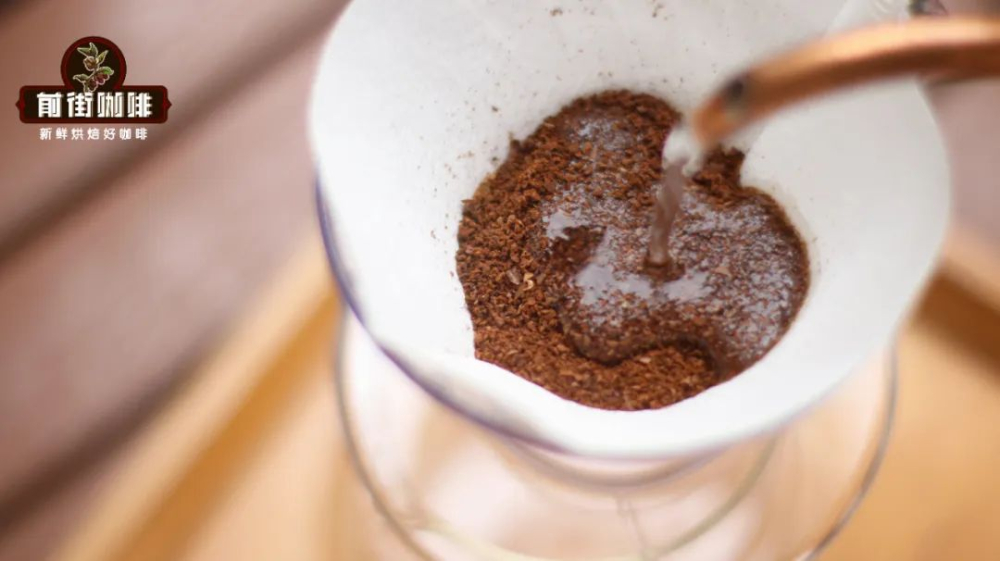
Detail 8: Focusing only on numbers and ignoring the coffee bed overlooks extraction status
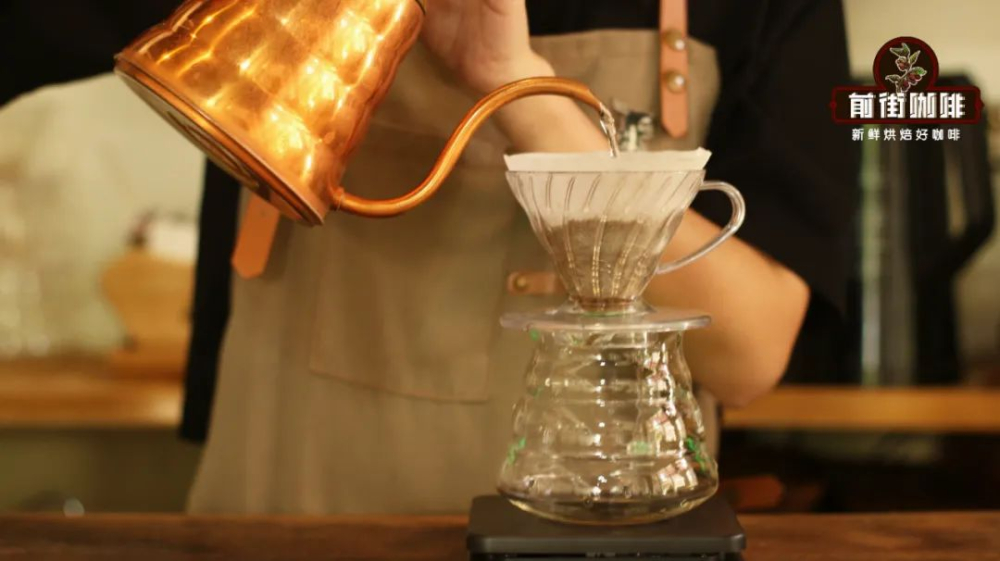
Many beginners pay too much attention to the scale’s weight and timing during pouring while neglecting the actual state of the coffee bed. Especially with light roasts and fine grinds, water flow may slow down. Focusing solely on metrics could lead to excessively high liquid levels or rapid drainage through the filter ribs, resulting in under-extraction.
It’s recommended to observe the coffee bed’s changes and water flow during pouring, adjusting the pour speed as needed to ensure even and thorough extraction.
Detail 9: Drinking coffee without stirring leads to an incomplete flavor experience
Since different phases of pour-over brewing extract varying flavor compounds, one sip might taste strong while the next weak. For a more balanced taste experience, gently stir the coffee before drinking to mix the components evenly and enjoy a fuller expression of the coffee’s profile.
The above content is compiled by CoffeeHunters, a coffee news website.


