







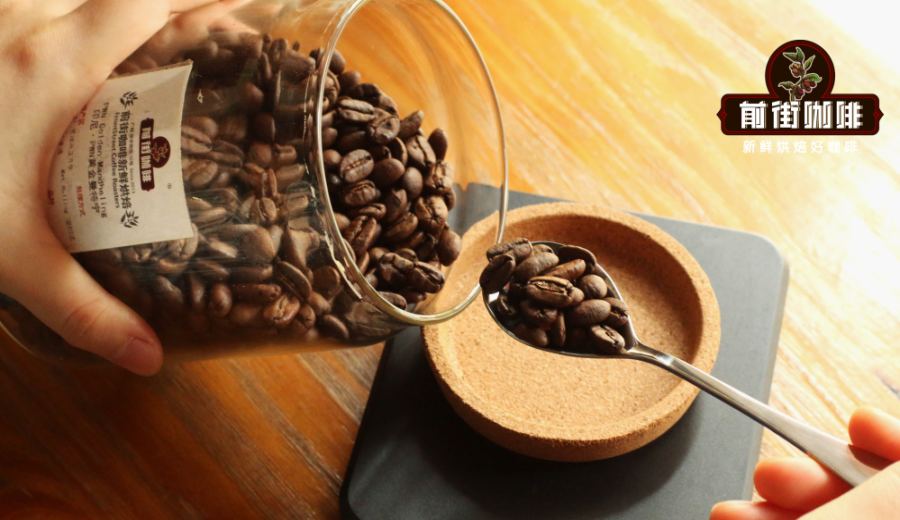
Introduction:The choice of coffee grounds quantity in pour over brewing directly affects flavor expression and extraction efficiency. This article provides an in-depth analysis of practical adjustment techniques across different coffee dosages from 12 to 40 grams — from filter cone compatibility to pouring technique optimization — helping you master precise parameter settings for 4-person pour over brews, and solve common issues such as over-extraction with large dosages or insufficient strength with small ones.
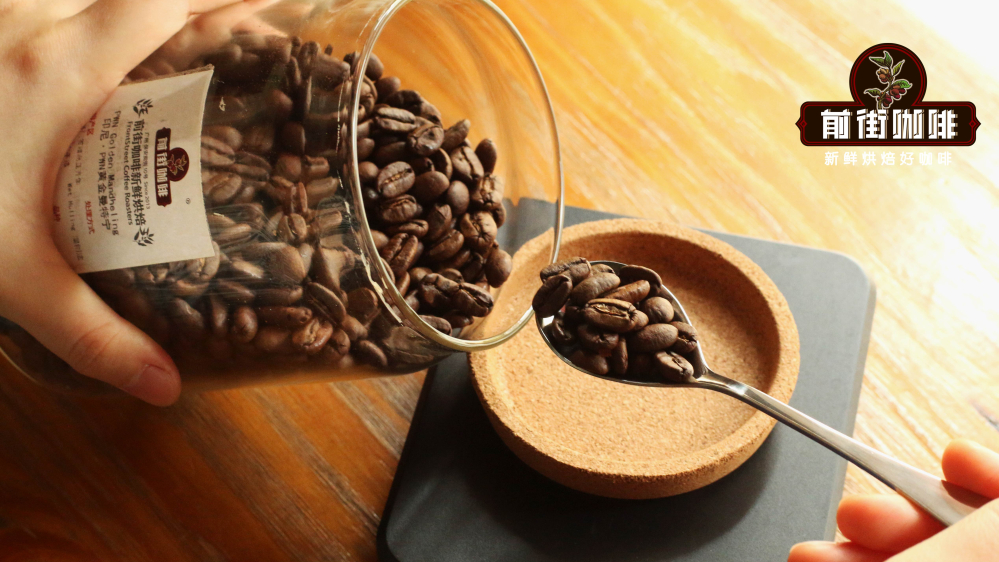
Professional baristas often use a baseline recipe of 15 grams of coffee grounds with 120 ml of hot water for a single serving. However, in real-world brewing scenarios, coffee dosage choices show diverse characteristics: there are standardized schemes that follow the multiple-of-6 principle (such as 12/18/24 grams), which typically correspond to a per-person consumption of about 120 ml of coffee liquid; there are also settings based on multiples of 5 (such as 15/20/25 grams), where these parameters are often designed according to the golden ratios recommended by filter cone manufacturers — matching both the characteristics of the equipment and ease of calculating brew ratios.
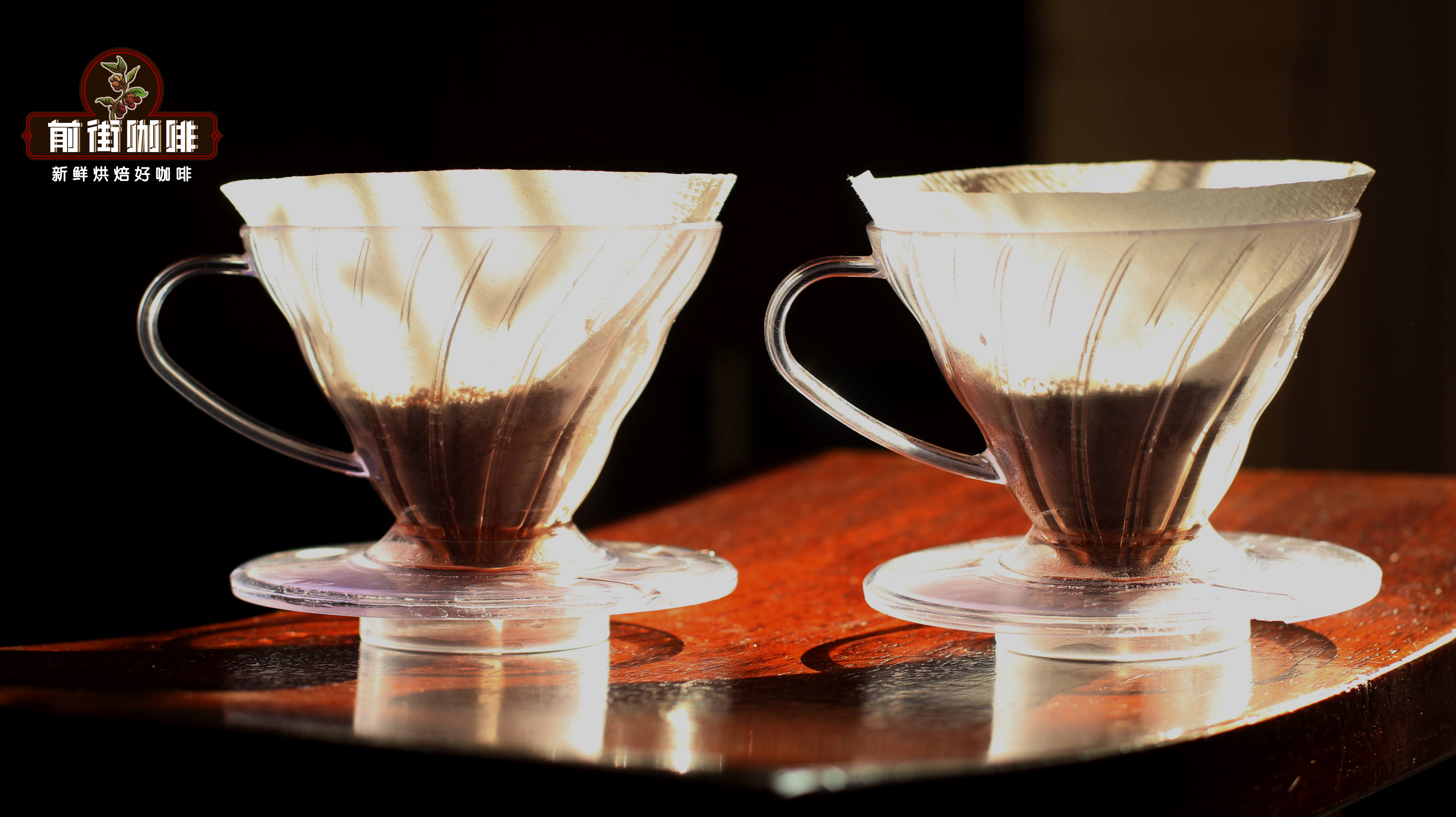
Differences in coffee dosage significantly alter the brewing dynamics. Taking the V60 size 1 filter cone as an example, when 15 grams of coffee grounds are added, they just reach the halfway height of the conical container — this visual reference helps brewers establish stable muscle memory for controlling water flow. When the dosage increases to 20 grams, the bed height rises noticeably but remains within a safe range — tests show that this filter cone can stably handle 10–20 grams of grounds without affecting flow rate. But if the same parameters are applied directly to 25 grams of coffee grounds, the resulting overly thick bed may cause poor drainage.
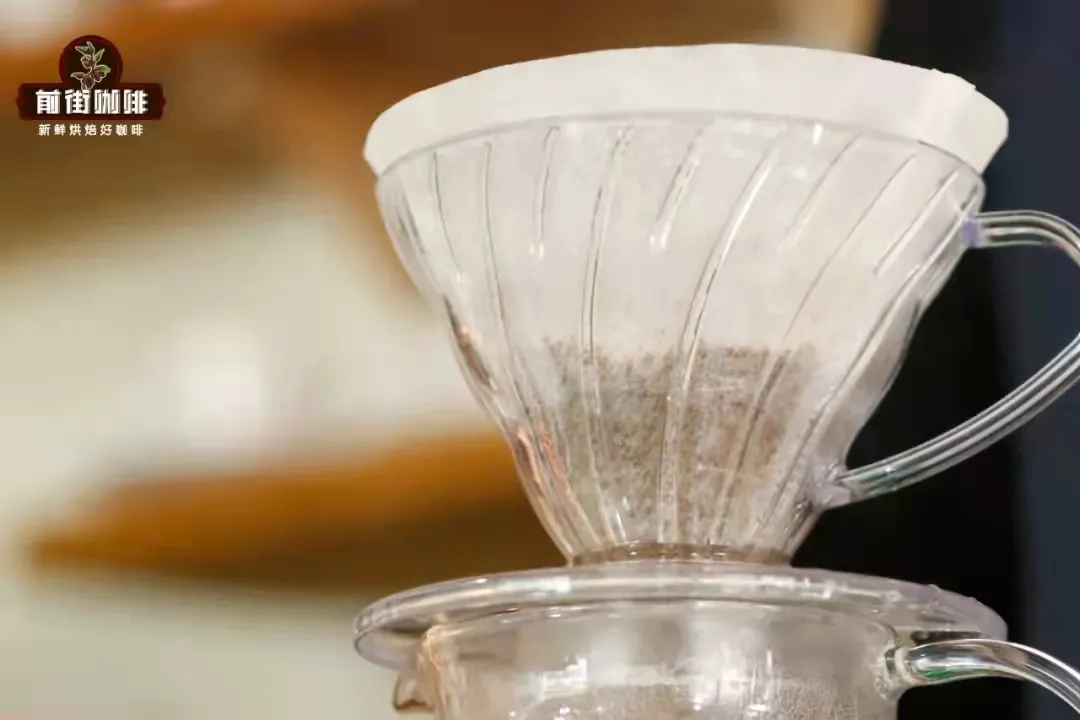
Key technical adjustments for handling large dosages include: first, adjusting the grind size slightly coarser by about 0.3 on the grinder scale (taking the EK43 grinder as an example) to reduce the risk of channeling by increasing particle spacing; second, switching to a wide-mouth pour over kettle to improve pouring smoothness — a narrow-spout kettle may lead to localized over-extraction in this scenario. For cases exceeding the design capacity of the filter cone (such as using a V60 size 1 for more than 25 grams of grounds), it is recommended to switch to a V60 size 2 — this model is specifically designed for 2–4 servings and can stably accommodate 20–40 grams of coffee grounds.
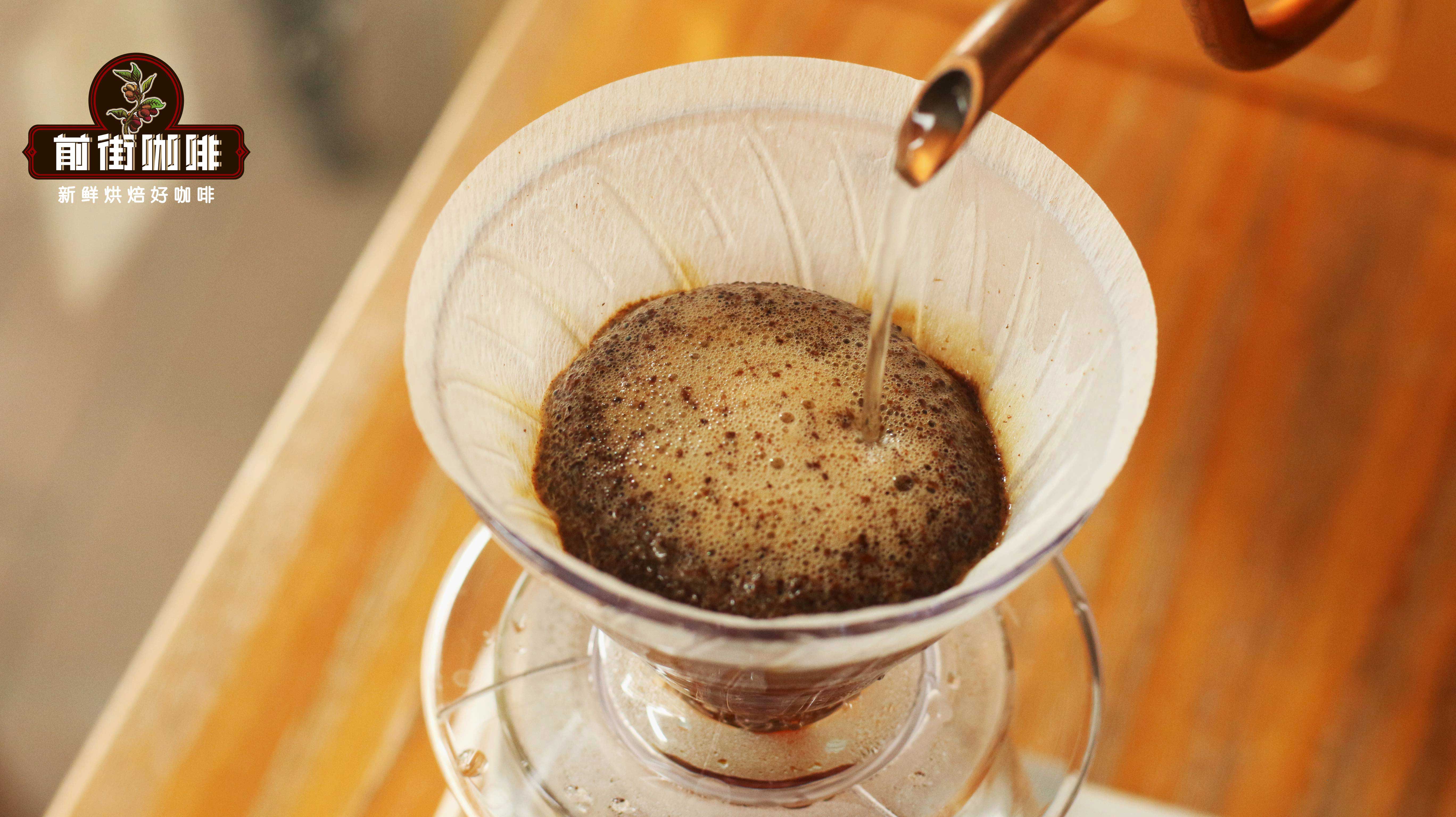
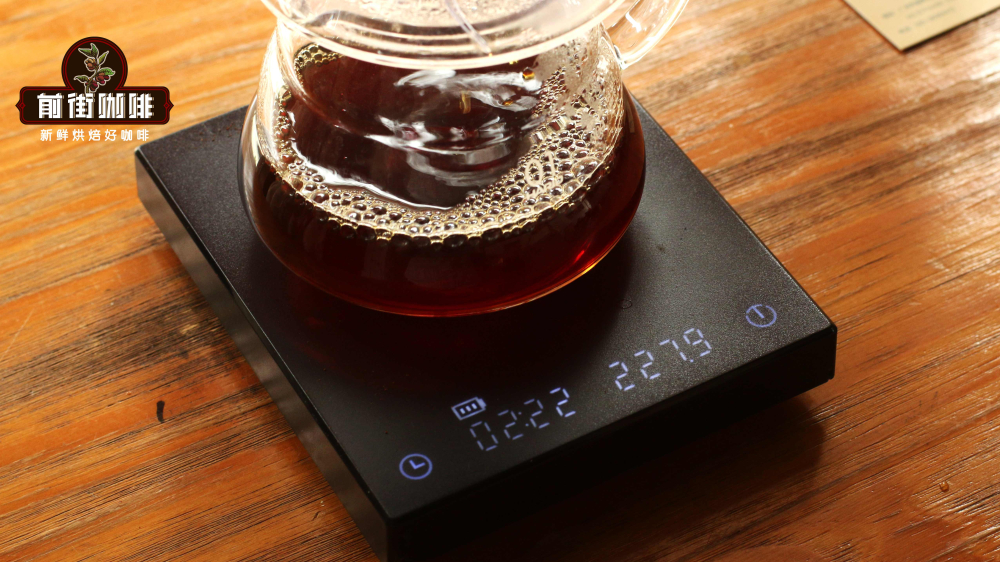
Extraction time needs to be extended as coffee dosage increases: for the standard 15-gram dosage using a three-stage pouring method, extraction is completed in about 2 minutes; for 20 grams, around 2 minutes and 20 seconds; and for 30 grams, it should be kept within 3 minutes. It’s especially important to match the pouring rhythm — with larger dosages, maintain a steady water flow speed to avoid loss of control over actual extraction time due to bed resistance. Common mistakes include using a narrow-spout kettle leading to intermittent pouring, or failing to adjust grind size according to the dosage and simply applying standard parameters.
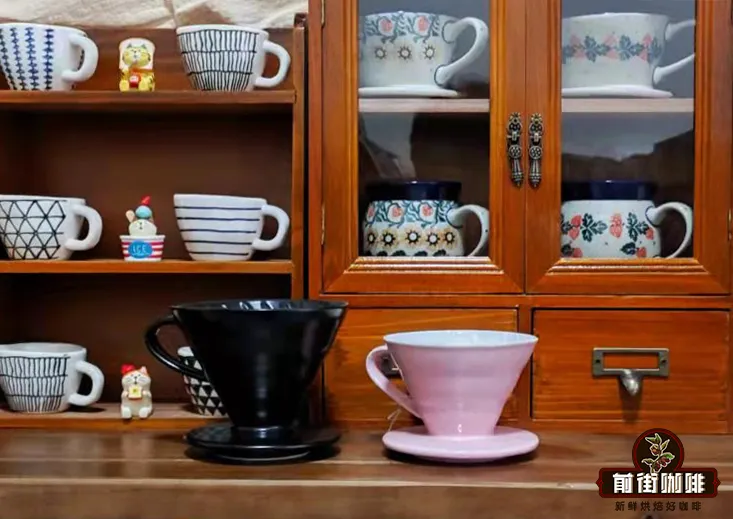
Practical recommendation: For a four-person pour over (with a total water volume of about 800 ml), it is recommended to use 20–25 grams of coffee grounds, paired with a brew ratio of 1:16 to 1:17. During the pre-wetting stage, use a small amount of hot water to moisten the filter paper and preheat the equipment. During the main brew, maintain even wetting of the coffee bed surface during segmented pouring. Monitoring points include: observing whether the flow rate remains within the ideal range of 1–2 drips per second, and assessing the clarity of the final coffee liquid — a cloudy liquid may indicate over-extraction or uneven water-coffee contact.
The above content is compiled by CoffeeHunters, a coffee news website.


