







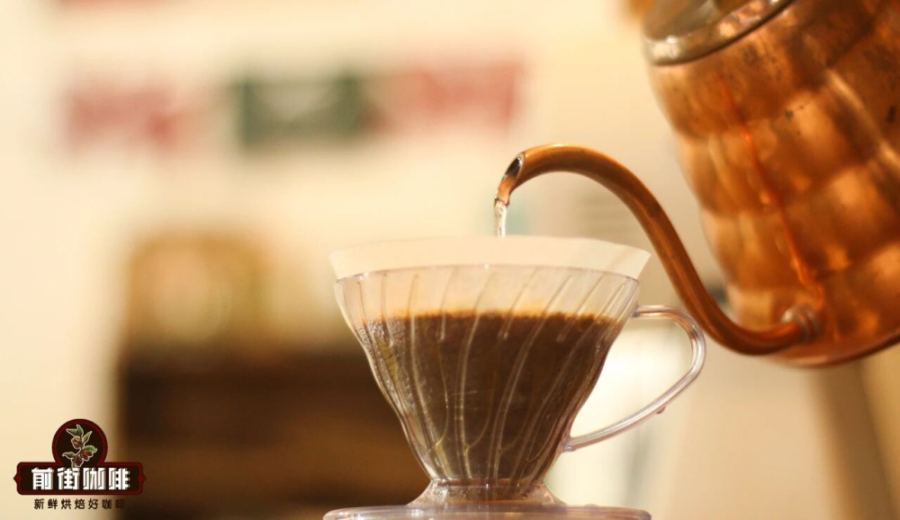
Introduction:Pour-over coffee showcases the delicate flavors of coffee with simple equipment and precise techniques, making it a favorite among many coffee enthusiasts. This article will guide you through the core characteristics of pour-over coffee—from equipment selection to basic operation—teaching you how to control water temperature, flow rate, and time to brew a well-balanced black coffee. Even when you're busy, convenient drip bags can replicate part of the pour-over experience and are perfect for beginners to try easily.
In an era of diverse coffee brewing methods, pour-over coffee stands out with its minimalist setup and emphasis on technique, offering a back-to-basics approach. Originating in Japan and gradually gaining global popularity, this brewing method requires only hot water, filter paper, and a filter cone—taking about two minutes to complete. Yet, variations in water temperature, water flow, and pouring technique can yield unique flavor profiles each time.
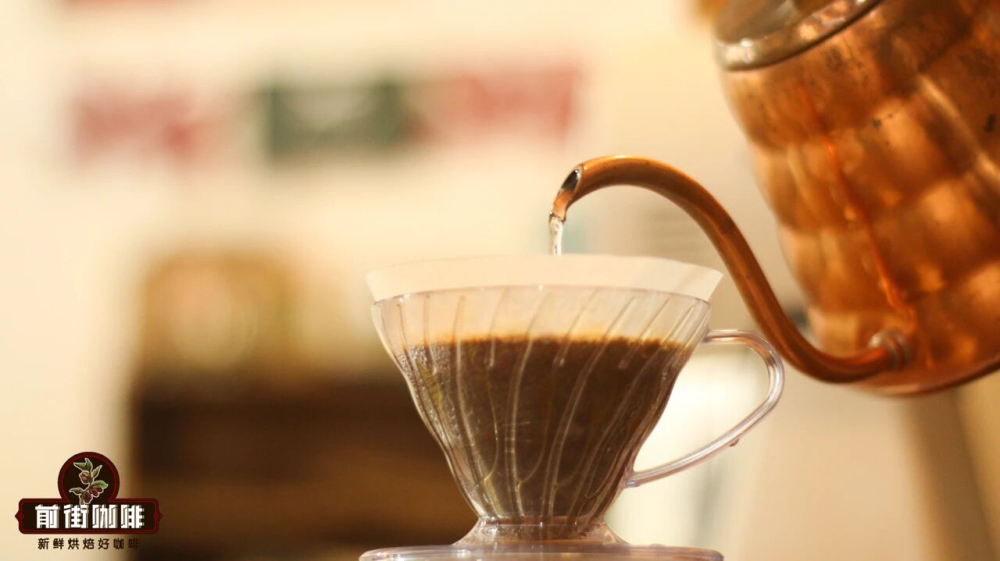
The fundamental principle of pour-over coffee is evenly pouring hot water over ground coffee, extracting its essence through the filter paper and cone. Though the process may seem simple, it demands considerable experience and skill. Every step—from grind size and water temperature control to pouring technique—affects the final coffee’s aroma, acidity, sweetness, and body.
[Essential Pour-Over Equipment Guide]
A grinder is the first step in pour-over brewing. Freshly ground coffee preserves aroma to the greatest extent. A grind size close to that of table sugar No. 2 is recommended. The uniformity of the grounds directly impacts extraction efficiency—too coarse may lead to under-extraction, while too fine can cause over-extraction.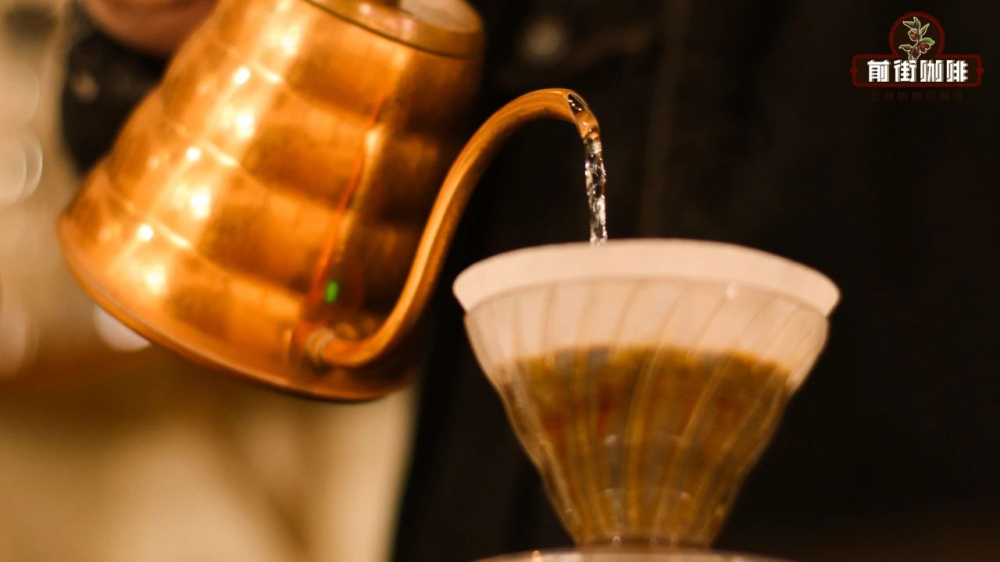
Filter paper selection is equally important, as different filter cones require specific types of paper. Unbleached filter paper may have a slight paper taste; wetting it with hot water beforehand helps reduce unwanted odors. Filter paper effectively traps coffee grounds while moderately adsorbing off-flavors and some oils, resulting in a cleaner, crisper cup.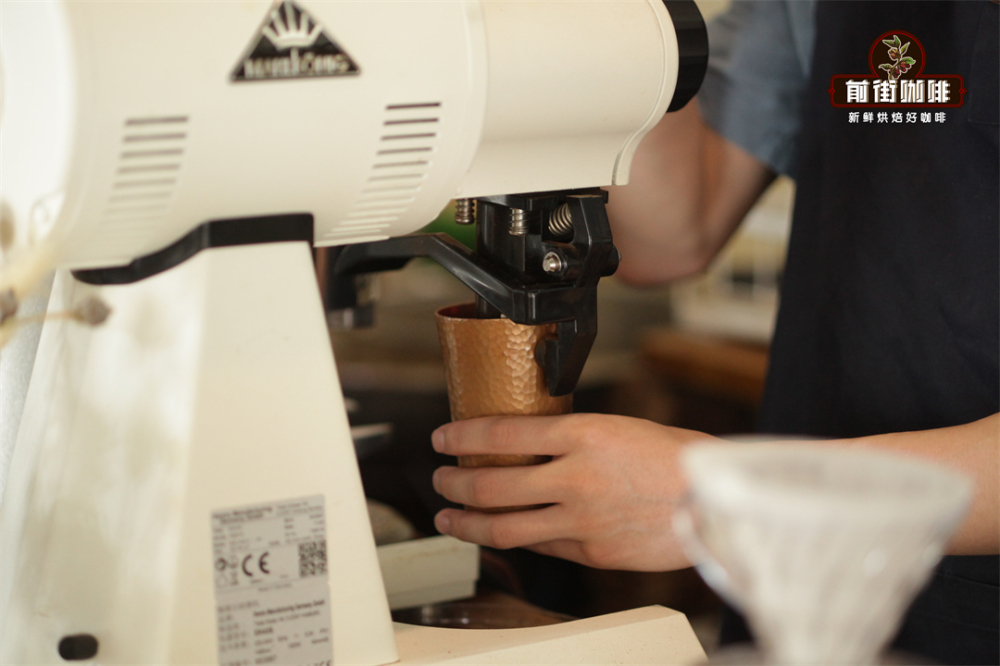
The design of the pour-over kettle’s spout is key to controlling water flow. Beginners are advised to use a narrow-spout kettle, which makes it easier to stabilize the speed and direction of the pour. The kettle’s material and heating method (e.g., electric or gas stove) should also be chosen based on personal preference.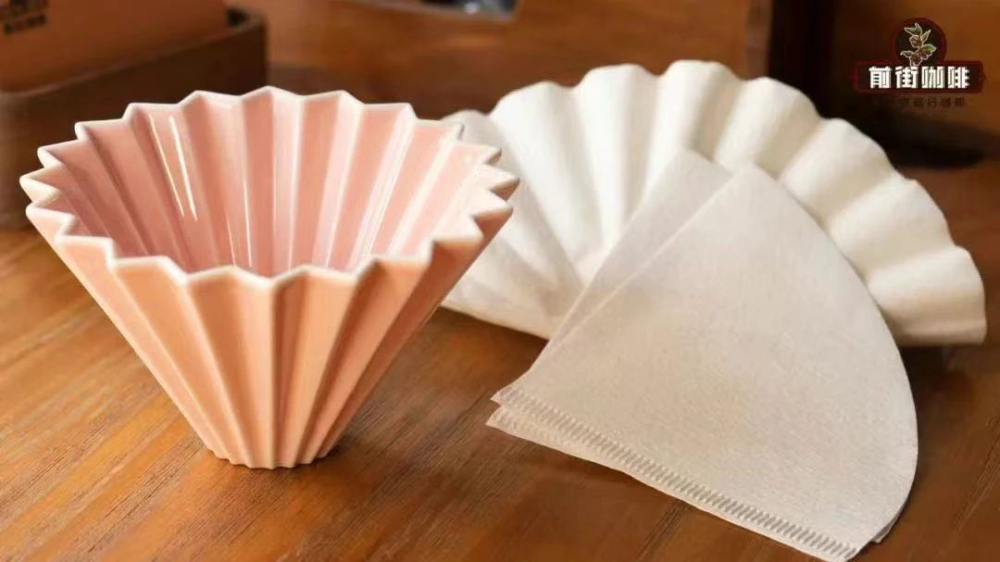
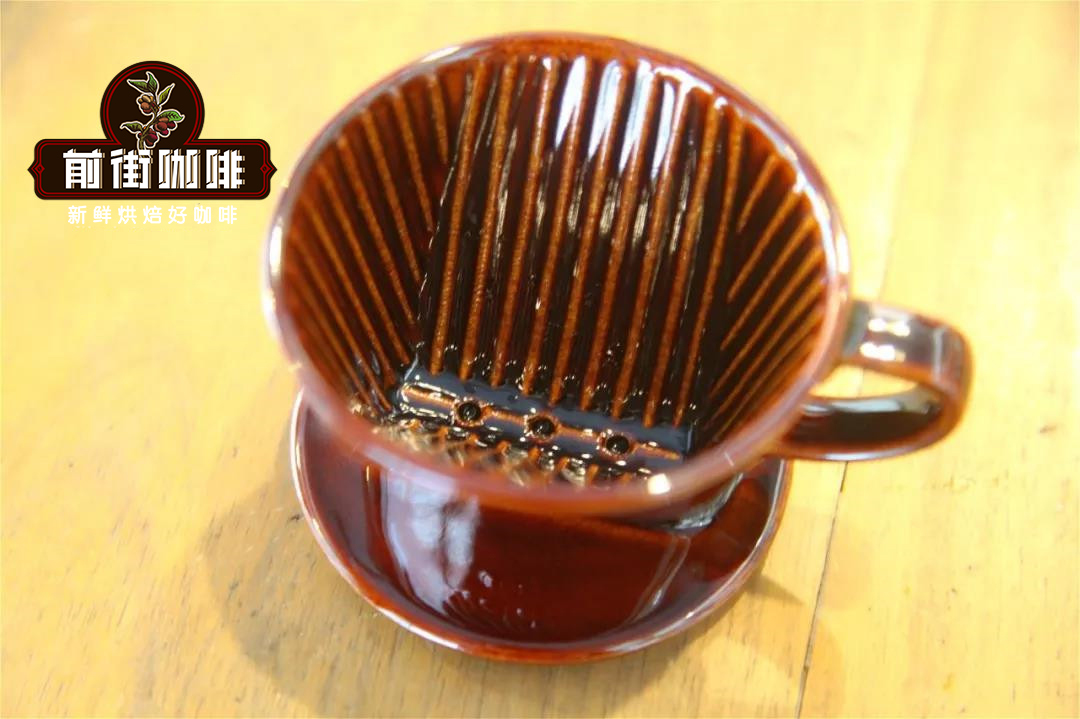
Filter cones come in three main shapes: flat-bottomed (fan-shaped), conical, and wave-shaped. Flat-bottomed cones, with their smaller base holes, slow down water flow, making them ideal for brewing fuller-bodied coffee. Conical cones, with larger holes, allow faster flow and produce brighter, more refreshing flavors. Wave-shaped cones, thanks to their unique base structure and filter paper interaction, deliver a more balanced and uniform extraction.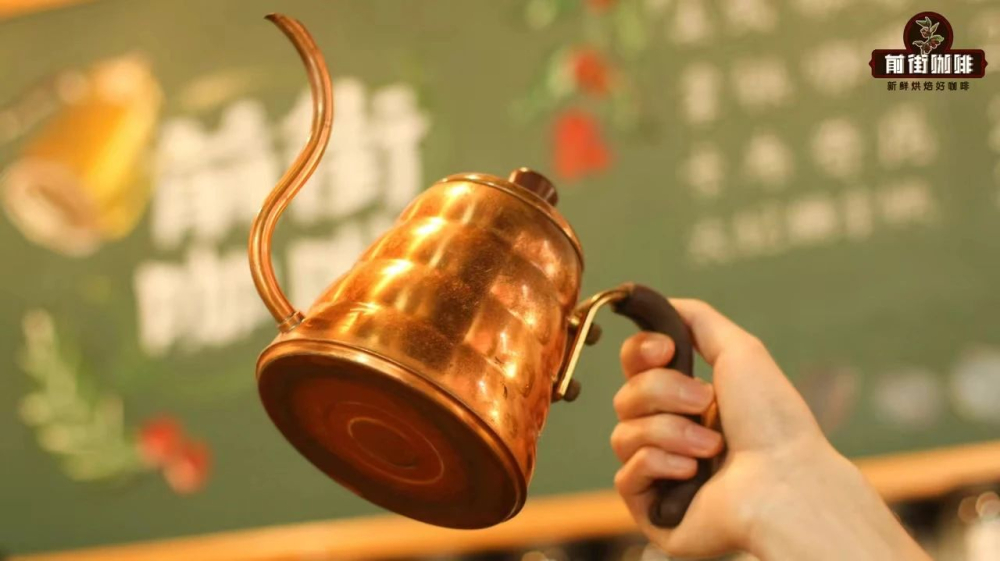
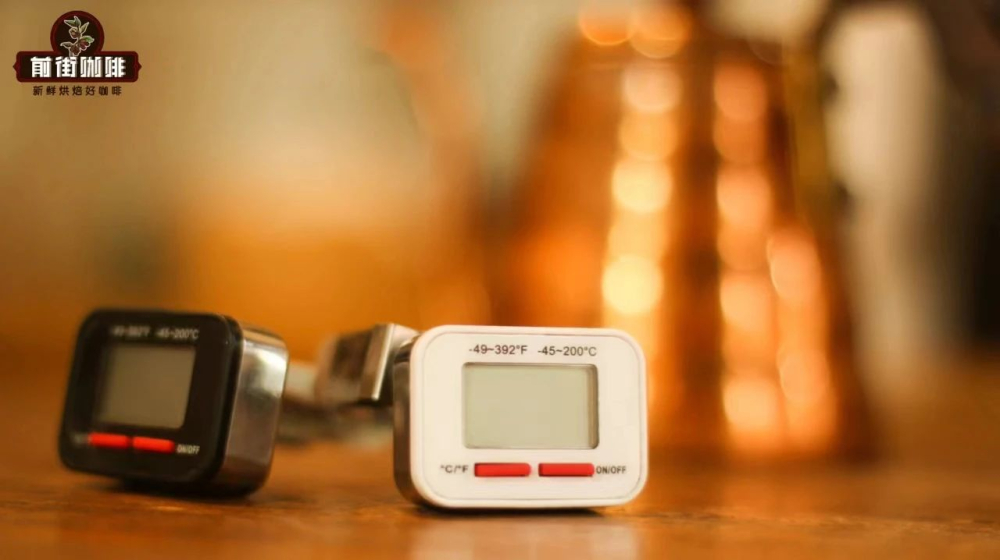
A decanter or coffee cup is used to collect the brewed coffee. Preheating your vessel helps maintain temperature. Accessories like a digital scale, thermometer, and timer assist in precisely controlling coffee dose, water temperature, and brew time, ensuring consistency across brews.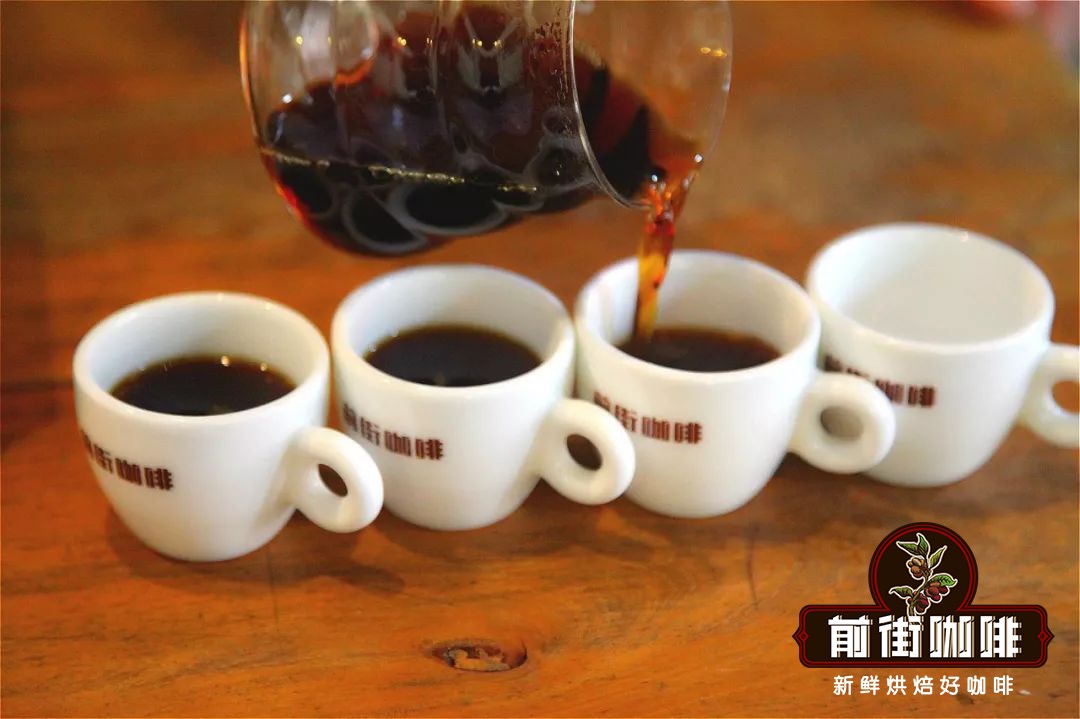
[The Unique Charm of Pour-Over Coffee]
Pour-over brewing is highly efficient, with continuous hot water fully extracting aromatic compounds from the coffee’s surface. However, due to the speed, improper parameter control can easily lead to over-extraction and bitterness. It’s akin to pan-frying fish over high heat—the wide surface area is efficient, but precise heat control is essential.
Numerous factors influence pour-over flavor, including water temperature (typically 88–94°C), flow rate, pouring technique, coffee grind uniformity, and filter cone structure. Each variable significantly impacts the final profile. Beginners are encouraged to adjust parameters gradually and record results to find their ideal combination.
Different coffee varieties suit varying brew conditions. For floral notes, opt for fruity beans. Those who prefer bright acidity might enjoy single-origin beans with hints of black tea and berries. For balanced profiles, medium-bodied, low-acid beans are ideal. Lovers of rich, full-bodied cups will appreciate dark roasts with minimal defects, offering complex layers and lingering sweetness.
[Simple Pour-Over: Drip Bag Brewing Guide]
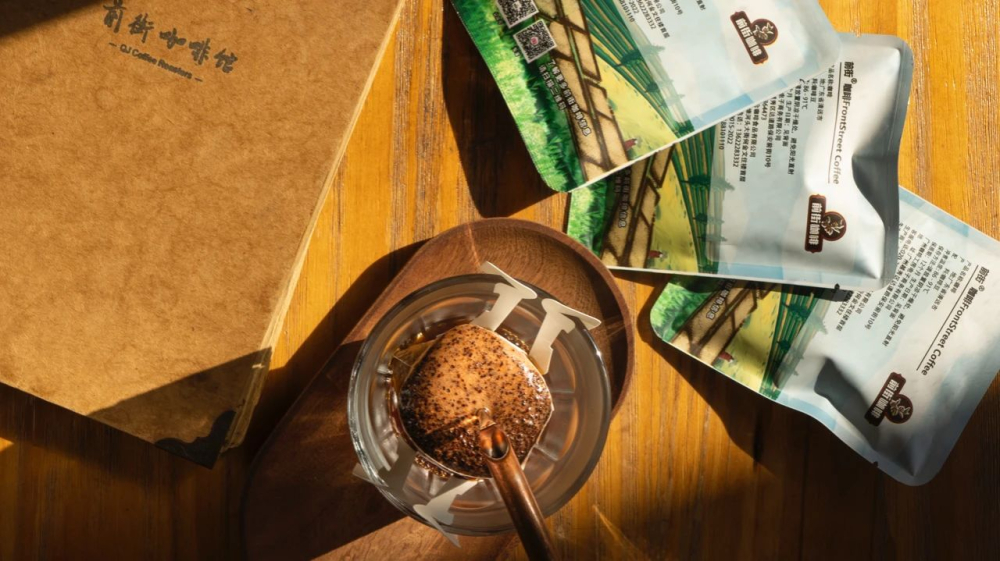
Drip bags can be seen as a simplified version of pour-over, requiring no complex equipment and perfect for enjoying single-origin flavors on the go. While their aroma may not match full pour-over, they still retain a respectable level of flavor.
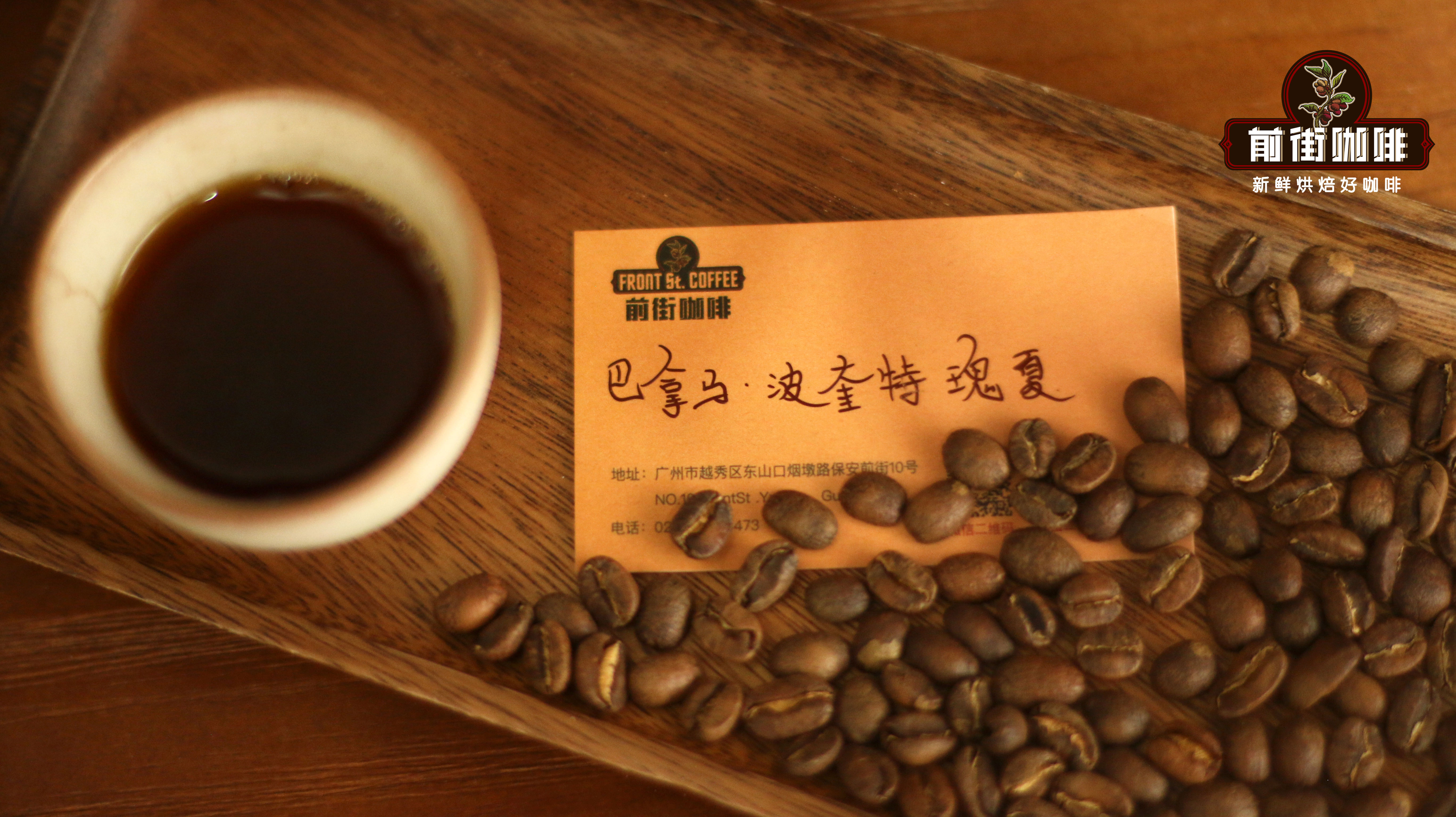
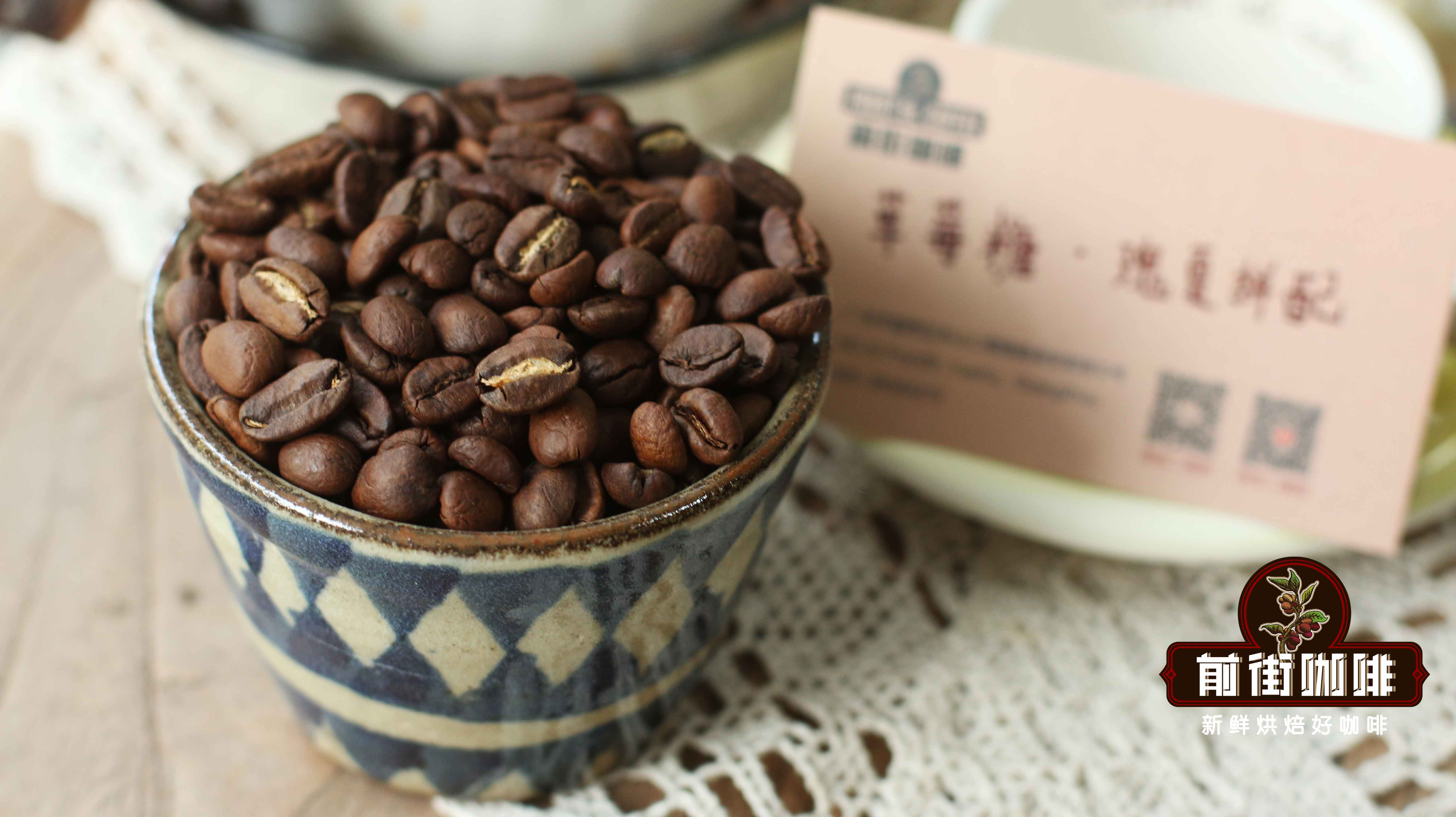
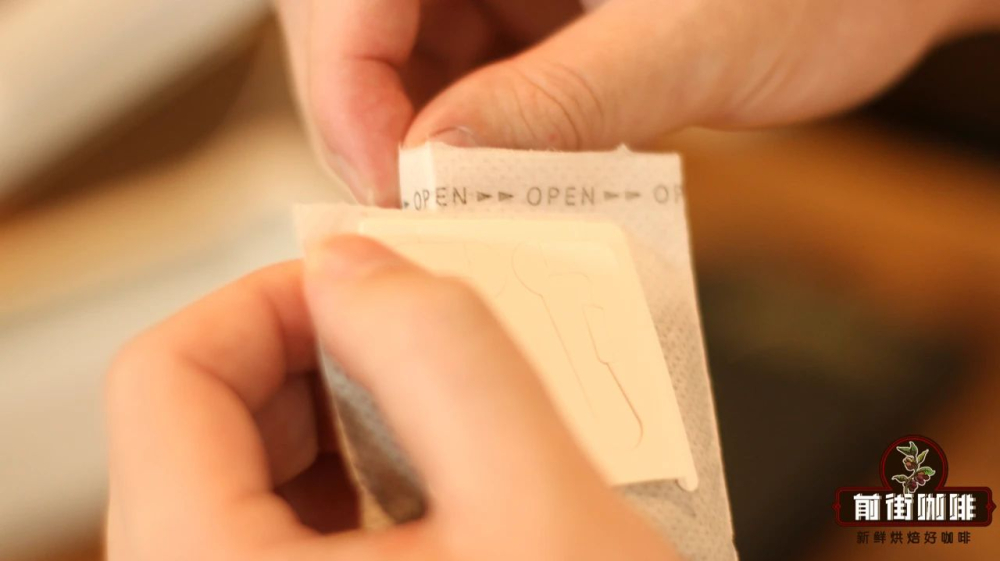
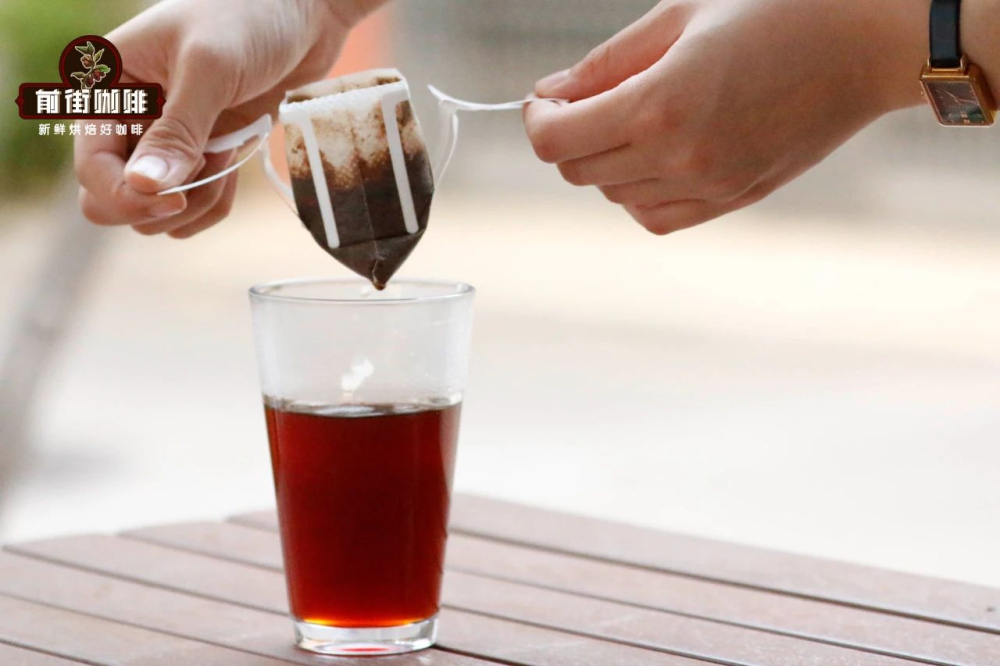
For a standard drip bag, the coffee dose is around 10 grams. Tear open the outer packaging, remove the drip bag, and unfold the two "ears" to hang it over a cup with an 8–9 cm diameter.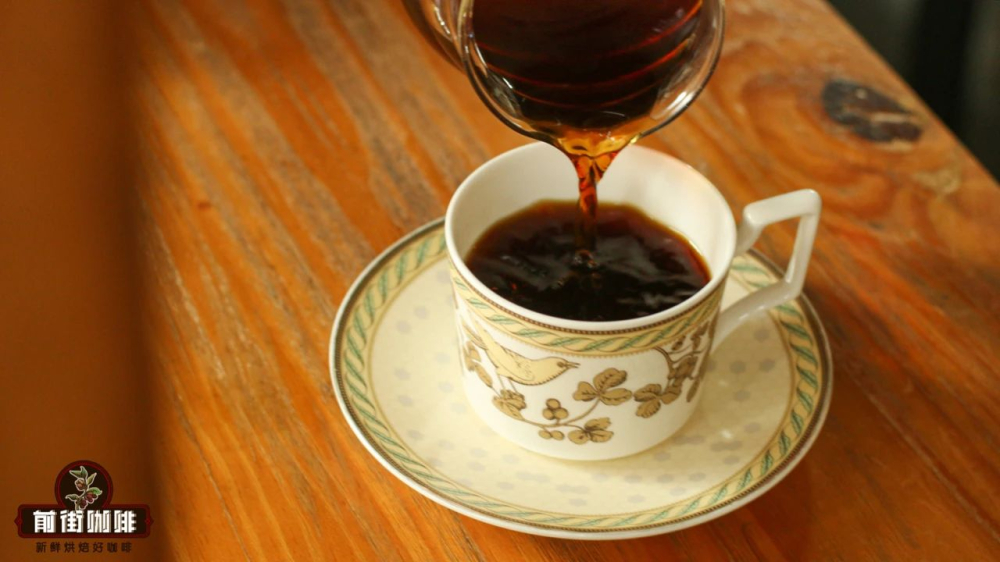
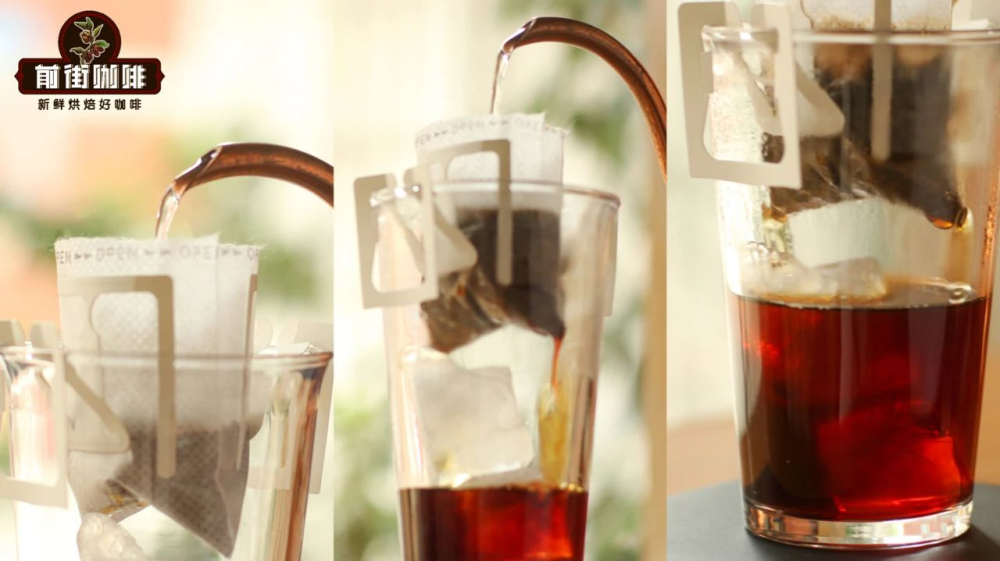
Recommended brewing parameters: heat water to about 90°C, pour an amount equal to the coffee dose for a 10-second bloom to awaken the grounds. Then, pour water up to seven-tenths full in one go, or in two circular pours. Keep the stream thin and steady, avoiding direct impact on the center of the filter.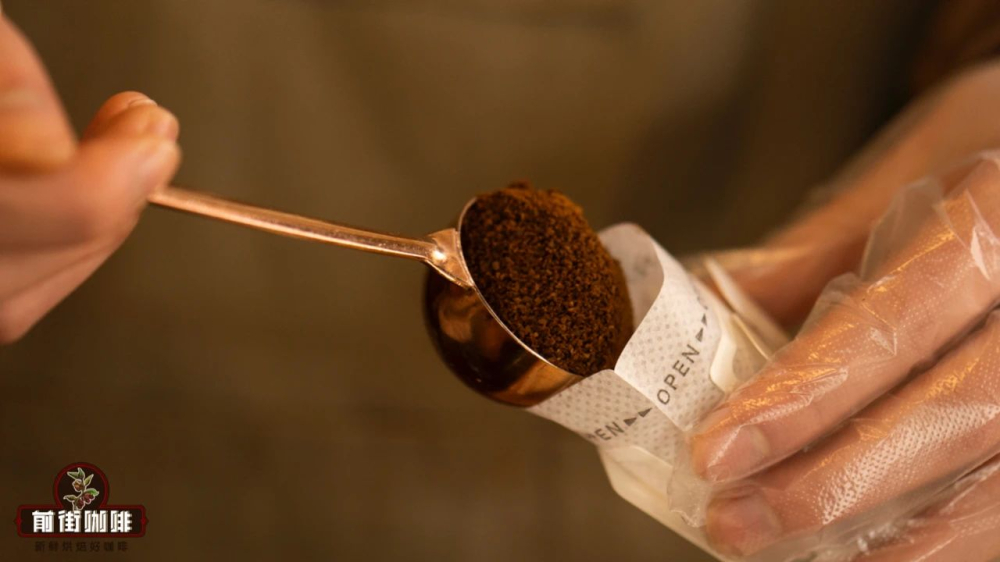
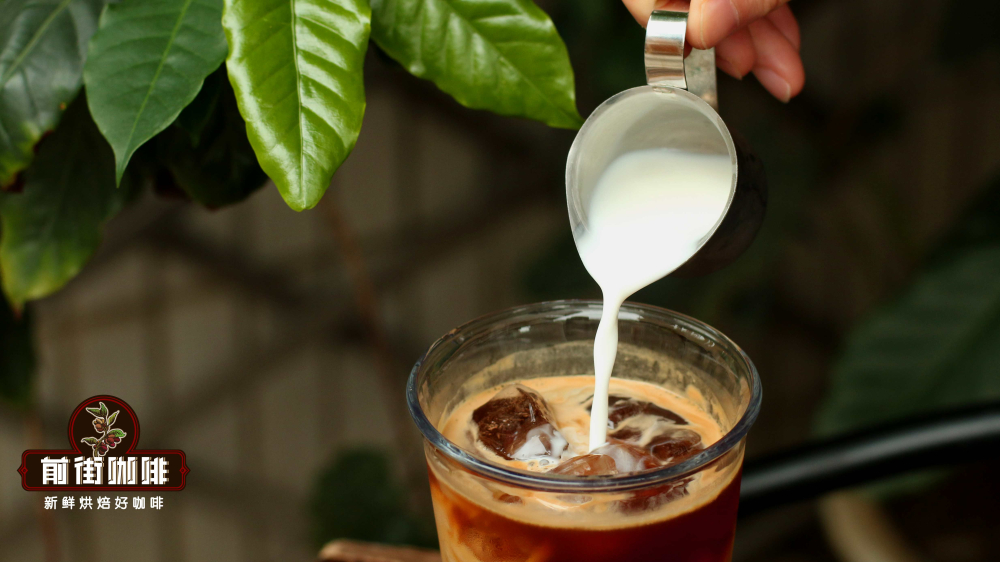
Once brewed, remove the drip bag—as the coffee essence has been fully extracted, reuse is not advised. For iced coffee, add ice cubes. Milk can also be added to explore different flavor dimensions.
The above content is compiled by CoffeeHunters, a coffee news website.


