







Introduction:The French press isn’t just a simple “lazy coffee tool.” Its immersion brewing method fully highlights the coffee’s oils and rich body, making it ideal for coffee lovers who want convenience without sacrificing flavor. This article details the steps for using a French press, the types of coffee beans that work best, the key grind size (70%–75% passing through a Chinese standard No. 20 sieve), the ideal coffee-to-water ratio (1:10 to 1:13), and the recommended extraction time (about 4 minutes). It also shares tips to enhance flavor, helping you brew smooth, sweet coffee with this classic device.
As coffee culture becomes more widespread, a variety of brewing tools and methods have flourished. Whether it’s the ritualistic pour over, the experimental siphon, or the intuitive French press, each tool has its unique charm. Though the French press may seem simple, it can deliver a full-bodied flavor profile close to that of cupping, especially excelling at highlighting the coffee’s oils, aroma, and rich mouthfeel—making it a perfect match for many people’s daily breakfast.
The principle behind the French press (also known as French Press) is immersion brewing. Through a metal filter, coffee grounds are in full contact with hot water, releasing flavor compounds while preserving natural oils. This method differs from paper-filtered pour over and creates a richer, more layered taste, ideal for those who enjoy bold flavors.
To brew an excellent cup of French press coffee, you need to master several key elements: coffee bean selection, grind size, coffee-to-water ratio, water temperature, and extraction time. The following steps will explain how to optimize these parameters—so even beginners can get started with ease.
Step 1: Choose Fresh Coffee Beans
The quality and freshness of coffee beans directly affect the final flavor. It’s recommended to choose beans roasted within 7 days and consumed within their 30-day optimal period, and to grind them just before brewing when possible. Pre-ground coffee is convenient, but its aroma fades quickly over time, negatively impacting extraction.
Step 2: Set Basic Brewing Parameters
Start with the classic ratio of 1:10 (coffee grounds:water), such as 20 grams of coffee with 200 milliliters of water. Adjust according to personal taste—reduce water for a stronger brew or increase it for a milder one.
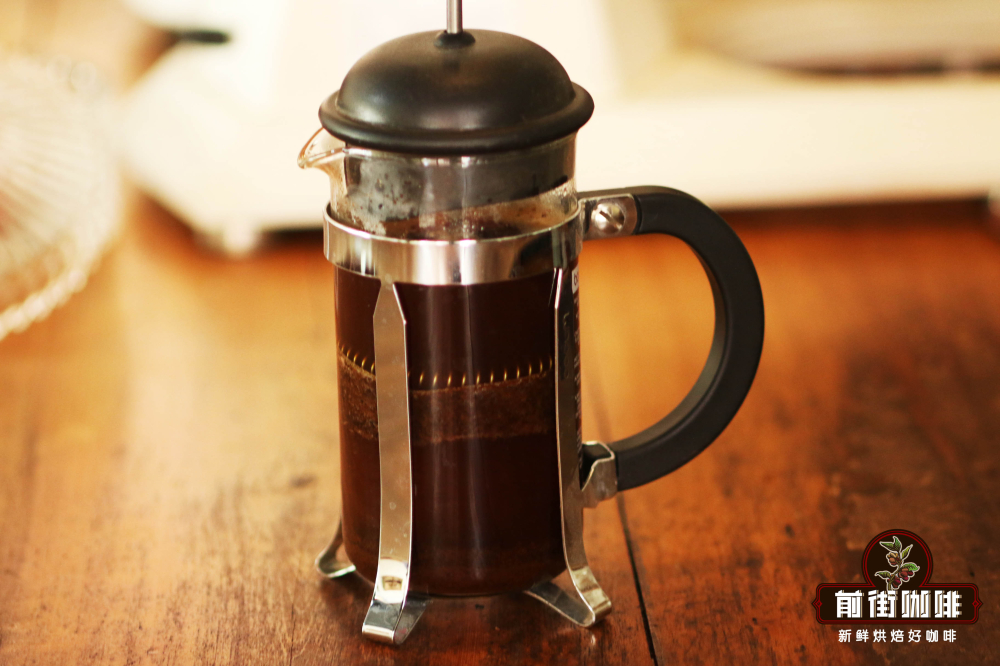
Step 3: Prepare Accurate Tools
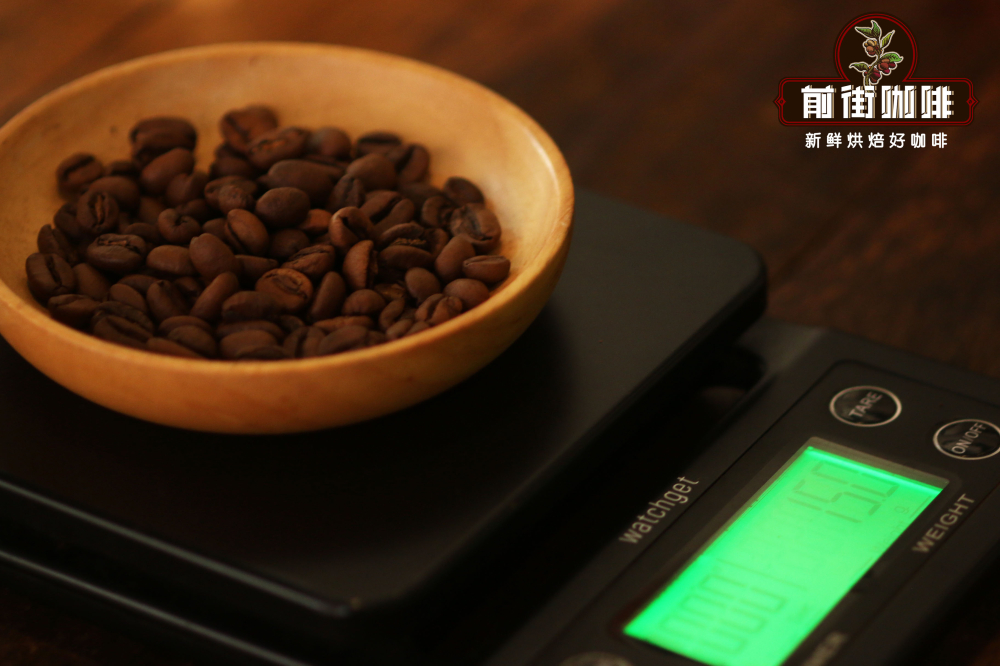
Even though French presses have measurement markings, it’s still recommended to use a digital scale. Since coffee bean density varies with altitude and roast level, precise weighing ensures consistent extraction each time, making it easier to replicate a great brew or adjust a failed one.
Step 4: Use High-Quality Water
Filtered soft water is key—avoid hard water or unfiltered tap water, which can ruin the purity of the coffee. Water quality significantly affects the final taste’s cleanliness and sweetness.
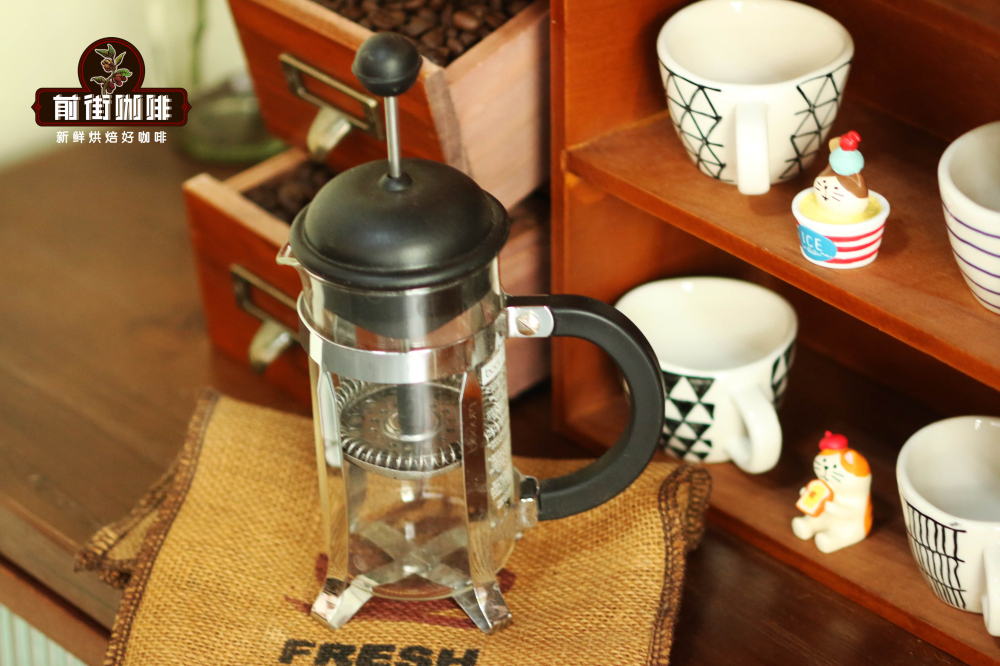
Here’s the actual brewing process:
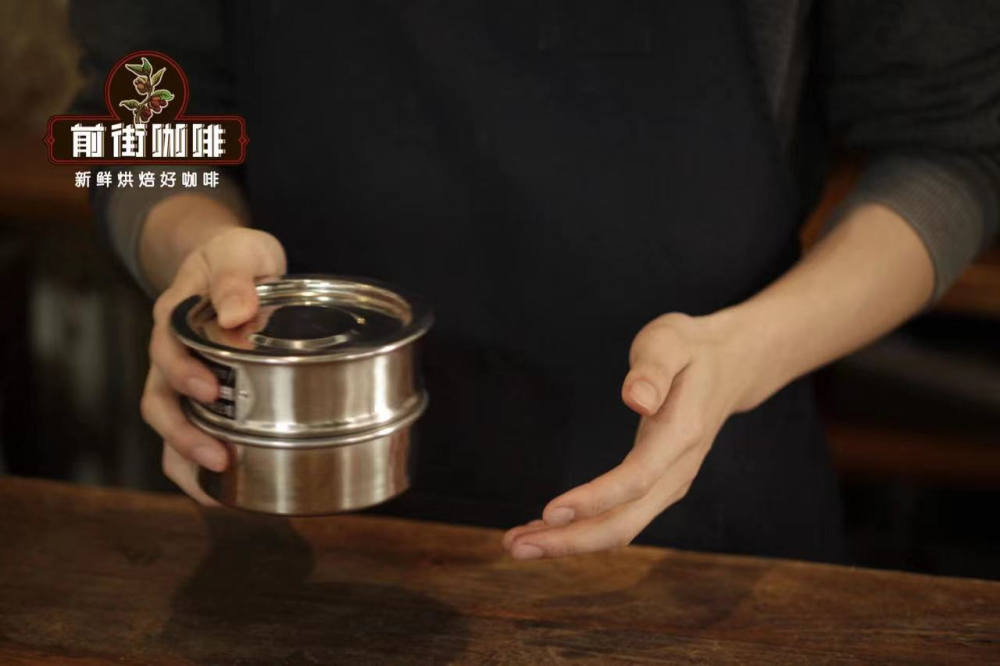
1. Grind the Coffee Beans: Use a medium grind, slightly coarser than pour over (approximately 70%–75% passing through a Chinese standard No. 20 sieve).Avoid going too fine, as overly fine grounds can lead to over-extraction and bitterness, while too coarse grounds may result in under-extraction.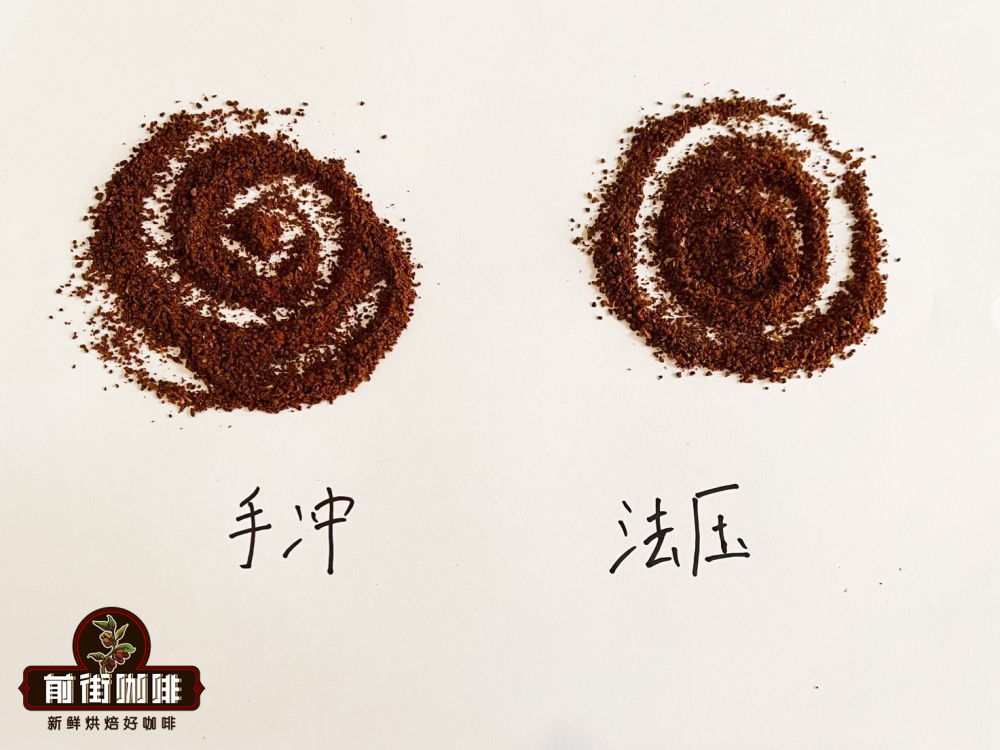
2. Control Water Temperature and Stirring: Aim for a water temperature of about 88°C. After pouring water in proportion, gently stir to ensure all coffee grounds are evenly saturated.
3. Steep and Extract: Place the French press lid on (keeping the filter at the top), then let it steepfor 4 minutesto allow the flavors to fully develop.
4. Filter Out Sediments: Before pressing down, you can skim off any floating foam or fine particles, then slowly press the filter down to the bottom.
5. Enjoy Immediately: After extraction, pour out the coffee promptly to avoid over-extraction caused by leaving the grounds in contact with the liquid.
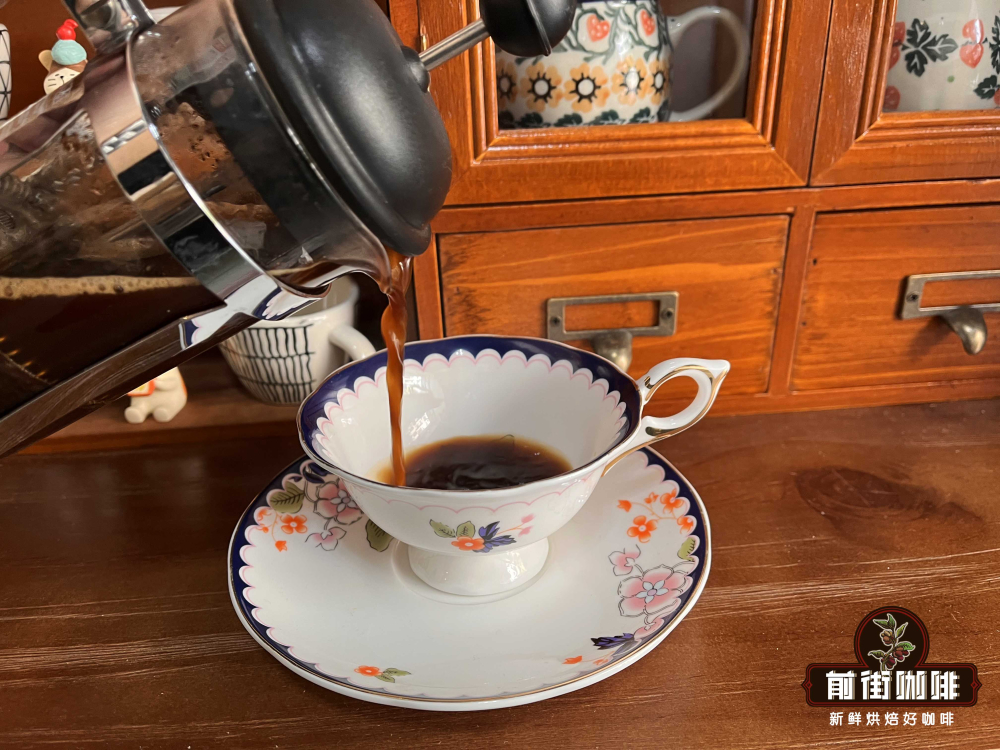
Regarding coffee bean selection,beans with balanced flavor profileswork best for the French press. Examples include those with notes of dark chocolate, nuts, or caramel. Overly complex, multi-layered flavors (like beans with prominent fruity acidity) may be harder to express fully due to immersion brewing. Classic medium-bodied beans such as Indonesian Golden Mandheling or Brazilian Queen Estate usually deliver ideal results.

The advantage of the French press lies in its simplicity—even beginners only need to focus on controlling time and grind size. The longer the steeping time, the more extraction occurs, leading to bolder flavors; shorter times yield a cleaner cup. Grind size is equally important:Finer grinds increase surface area and extraction rates; coarser grinds reduce the risk of over-extraction. If you’re unsure about your grinder’s settings, you can aim for a standard of 70%–75% passing through a No. 20 sieve.
It’s worth noting that the metal filter of a French press doesn’t completely block fine particles, so you might find a small amount of coffee grounds at the bottom of your cup—that’s normal. Compared to pour over, where paper filters remove oils, the French press retains natural oils that add roundness to the mouthfeel, though you’ll also need to accept the presence of tiny particles.
The above content is compiled by CoffeeHunters, a coffee news website.


