







Introduction:The French press is a common brewing tool found in many coffee lovers’ homes. It’s easy to use yet capable of delivering rich coffee flavors. This article will delve into the structure and brewing principles of the French press, the types of coffee beans it suits, the appropriate grind size, and detailed key extraction parameters such as the ideal coffee-to-water ratio, water temperature, and steeping time. Whether you’re a beginner or an experienced brewer looking to refine your technique, you’ll find practical inspiration and step-by-step guidance here.
The French press originated in 19th-century France, and its English name is French Press. It is also commonly referred to in Chinese as “法式濾壓壺” (French-style filter press pot). Although its exact year of creation is unknown, as early as 1852, the Frenchmen Mayer and Delforge applied for a patent for a piston-filter coffee brewing device and named it the “French Press,” marking the official entry of this tool into the market. This simple yet functional coffee brewing device remains widely loved by coffee enthusiasts around the world to this day.
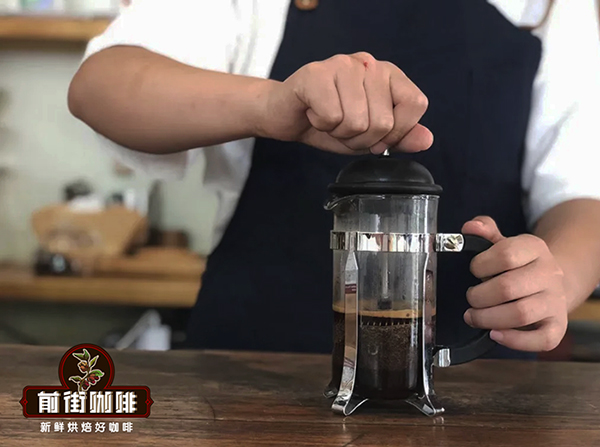
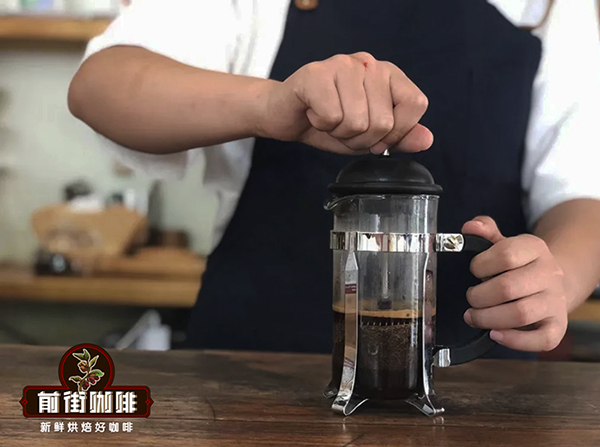
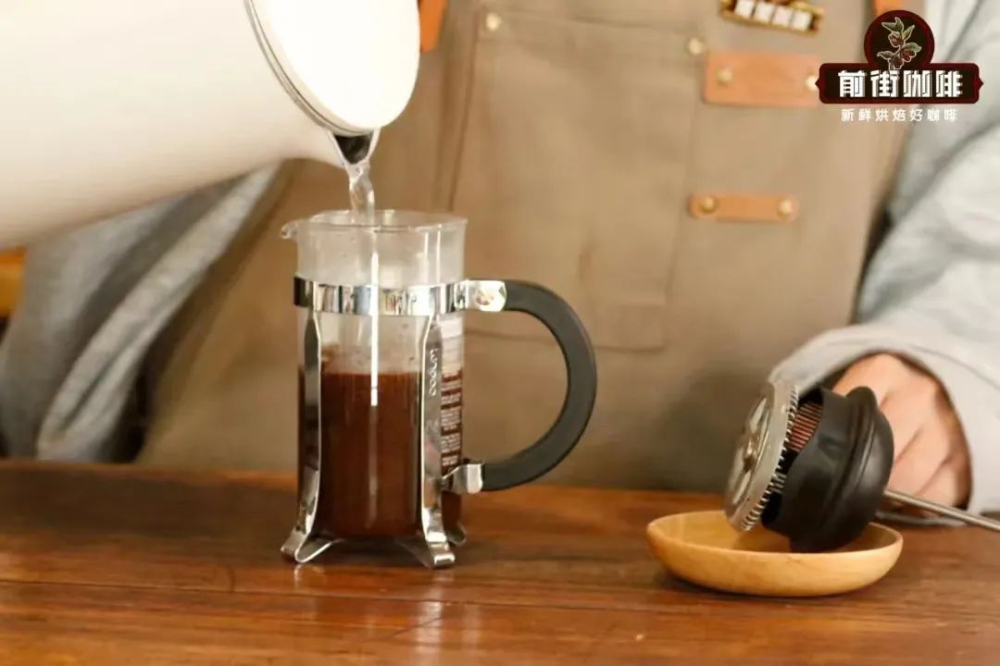
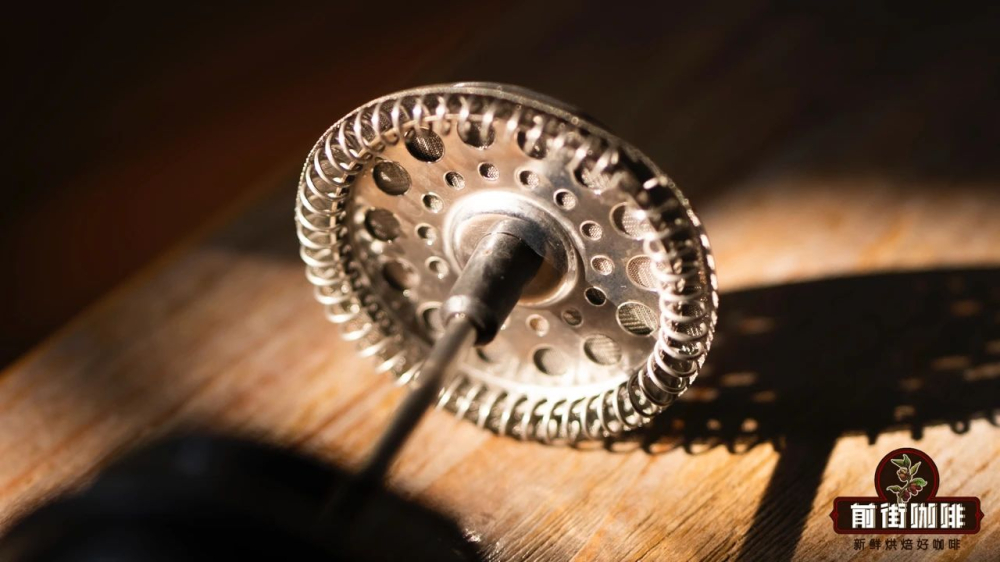
The most distinctive feature of the French press lies in its minimalist design. Its main components include a heat-resistant glass carafe and an internal plunger equipped with a metal filter. This setup allows users to simply add coffee grounds and hot water into the carafe for steeping, then press the plunger down to separate the coffee grounds from the brewed liquid. The entire operation only involves three main steps: adding coffee grounds, pouring in hot water, and pressing the plunger, making it highly suitable for everyday quick use.
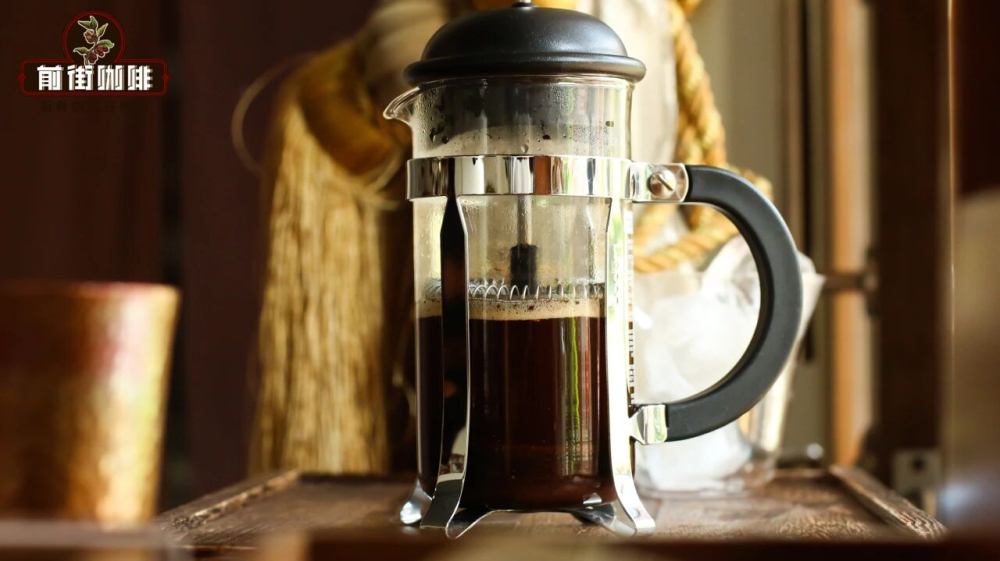
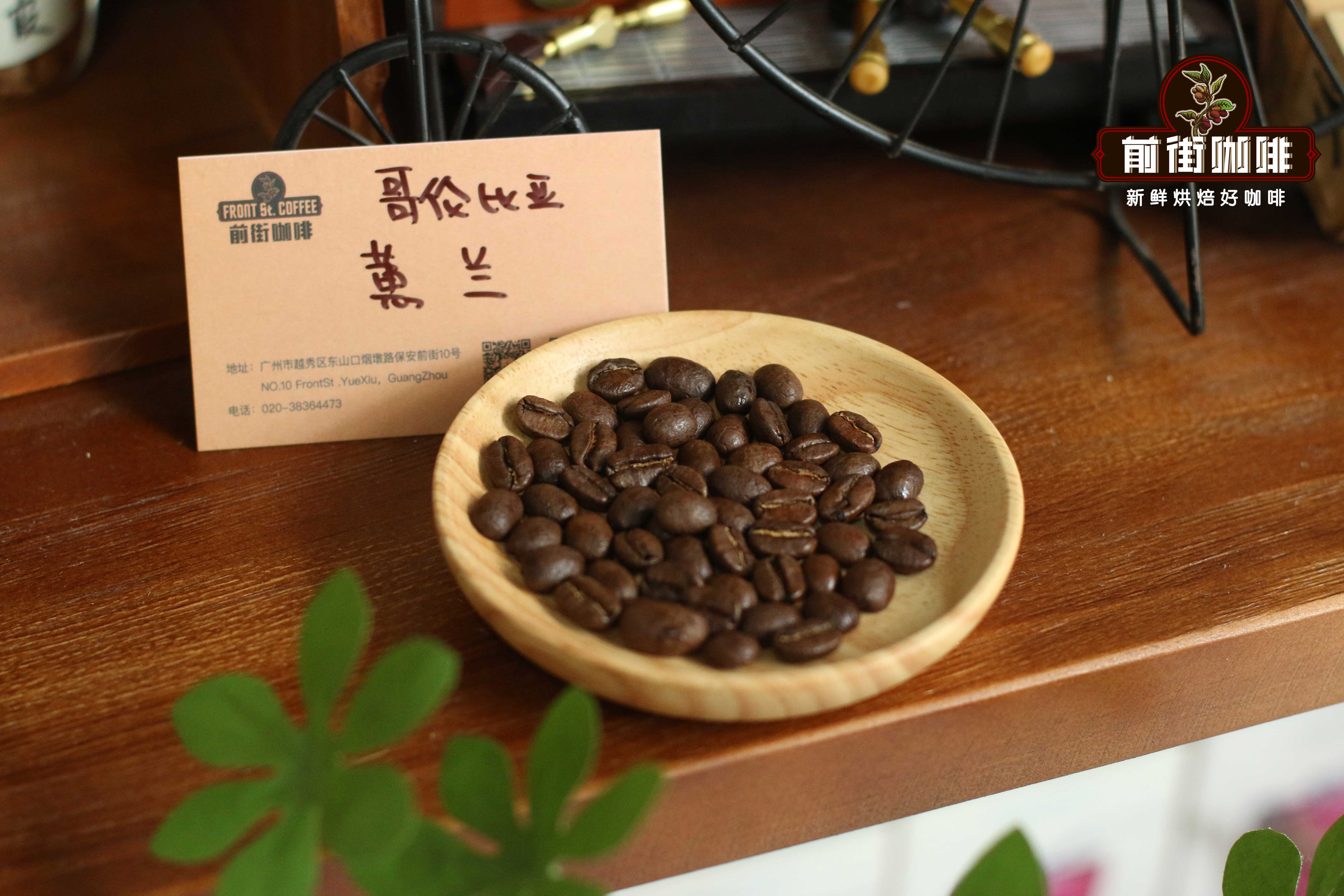
The French press is an immersion brewing device, which means that the coffee grounds remain in full contact with hot water for a set period to extract flavor compounds. Because its filter is made of metal with relatively large pores, it is recommended to use a coarser grind size to prevent fine particles from passing through the filter and affecting the taste. Generally speaking, medium to dark roasted coffee beans are better suited for the French press, as they can showcase a rich, full-bodied mouthfeel and aroma. If you prefer fruity notes, medium-light roasted beans can also deliver excellent results.
During the extraction process, one of the most crucial factors influencing coffee flavor is time. The longer the steeping time, the more compounds are released from the coffee grounds, resulting in a stronger flavor. However, if the time is too long, over-extraction may occur, leading to bitterness and astringency. Therefore, controlling the steeping time is essential. A duration of about 4 minutes is generally recommended, as it allows most coffees to achieve a good balance of extraction.
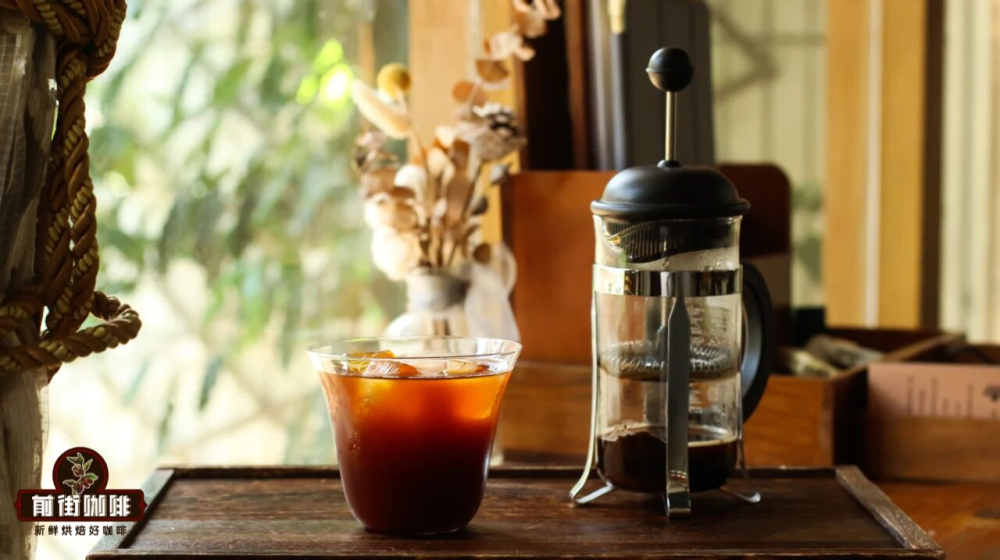
The coffee-to-water ratio is another important factor that affects the taste of coffee. It is generally recommended to use a ratio of 1:15 to 1:16, such as 15 grams of coffee grounds to 225–240 milliliters of water. This range offers a good margin for error, works well with most types of coffee beans, and is easy to adjust according to personal taste preferences.
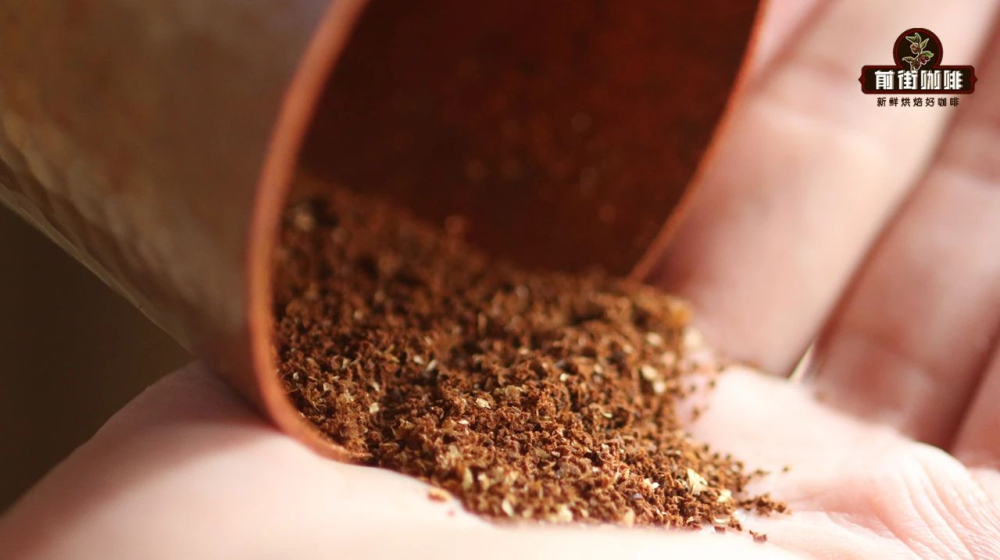
Regarding grind size, because the French press uses a metal filter, it is recommended to choose a coarser grind than what is used for pour over brewing to avoid fine particles passing through the filter. Using a 20-mesh sieve as a reference, for medium-light roasts, a sieve pass rate of about 72–75% is suggested—essentially a slightly finer coarse grind. For medium to dark roasts, a coarser grind with a pass rate of 68–71% can be chosen, which helps control extraction speed and maintain a clean mouthfeel.
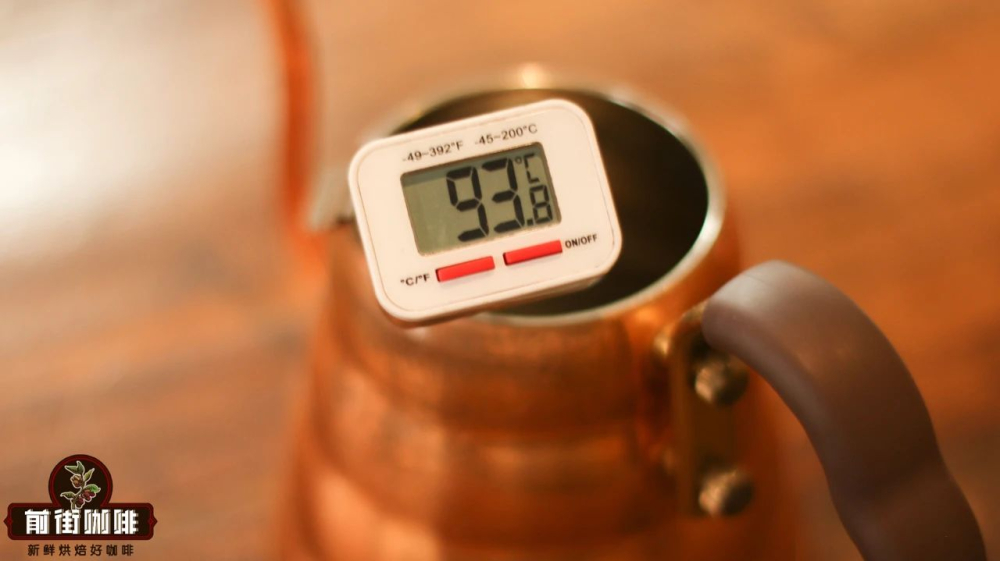
Water temperature should also be adjusted based on roast level. Since the French press is a stationary immersion brewing method, the water temperature is usually slightly higher than that used for pour over, about 2–3°C higher. For medium-light roasted coffee, a water temperature of 91–94°C is recommended. For medium to dark roasts, a temperature of 88–91°C is advisable, which helps bring out the appropriate flavor layers while avoiding over-extraction or burnt bitterness.
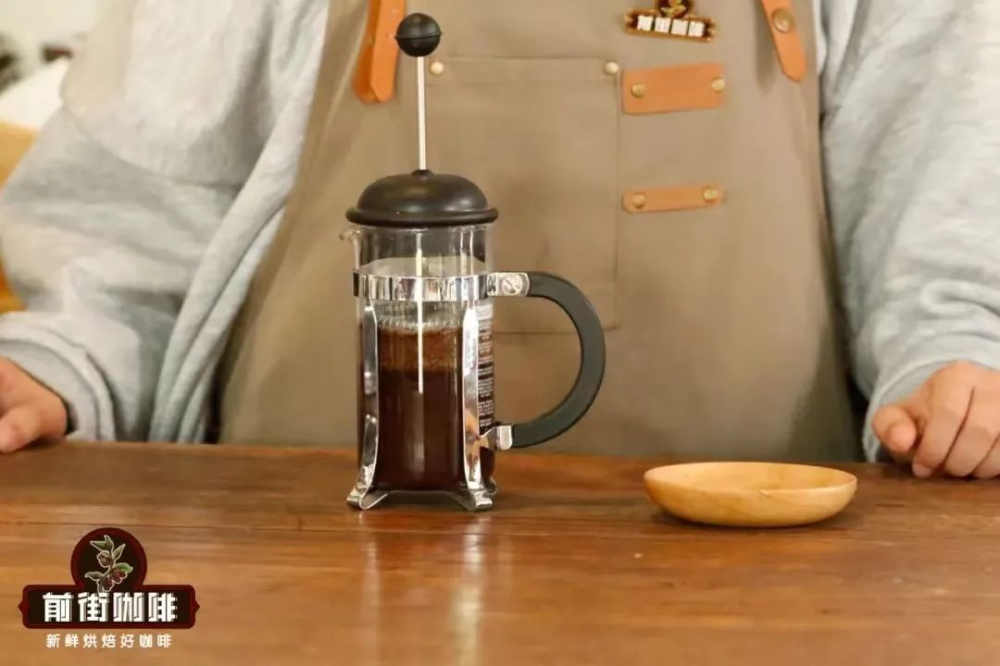
In practice, taking 15 grams of coffee grounds as an example, you can pour about 225–240 milliliters of hot water. After adding the coffee grounds, let it steep for 4 minutes. During this time, you can temporarily rest the plunger’s filter on the surface of the coffee liquid. When the time is up, slowly and steadily press the plunger down to about a quarter of the way from the bottom of the carafe, taking care not to stir up fine particles at the bottom, which could affect the taste. This will yield a cup of French press coffee with a rich mouthfeel and clear flavors.
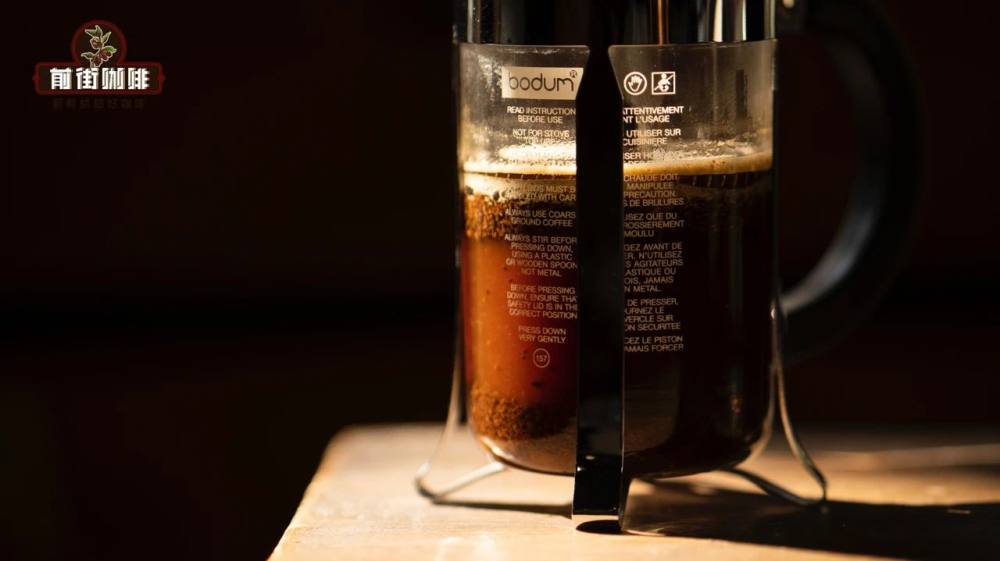
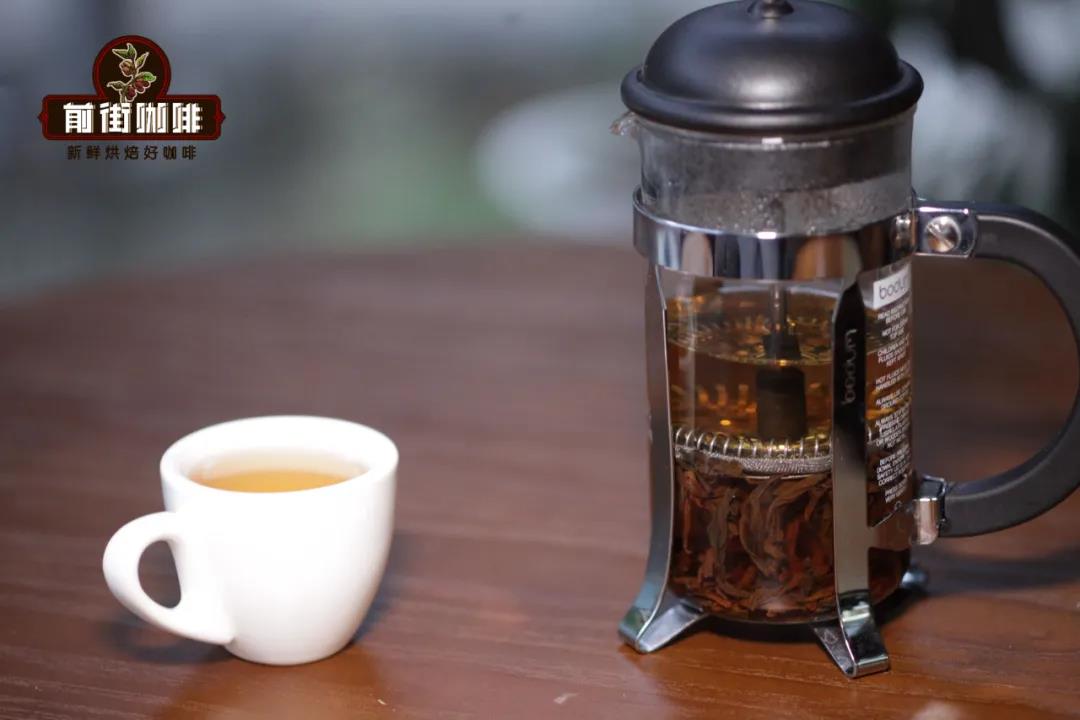
It’s worth mentioning that besides brewing coffee, the French press has multiple other uses. For instance, its immersion-style design is similar to cupping, so it is often used as a simple cupping tool to evaluate the quality and flavor profile of coffee beans. Additionally, the French press can be used to brew black tea, and its operation is just as straightforward, making it a favorite among tea drinkers.
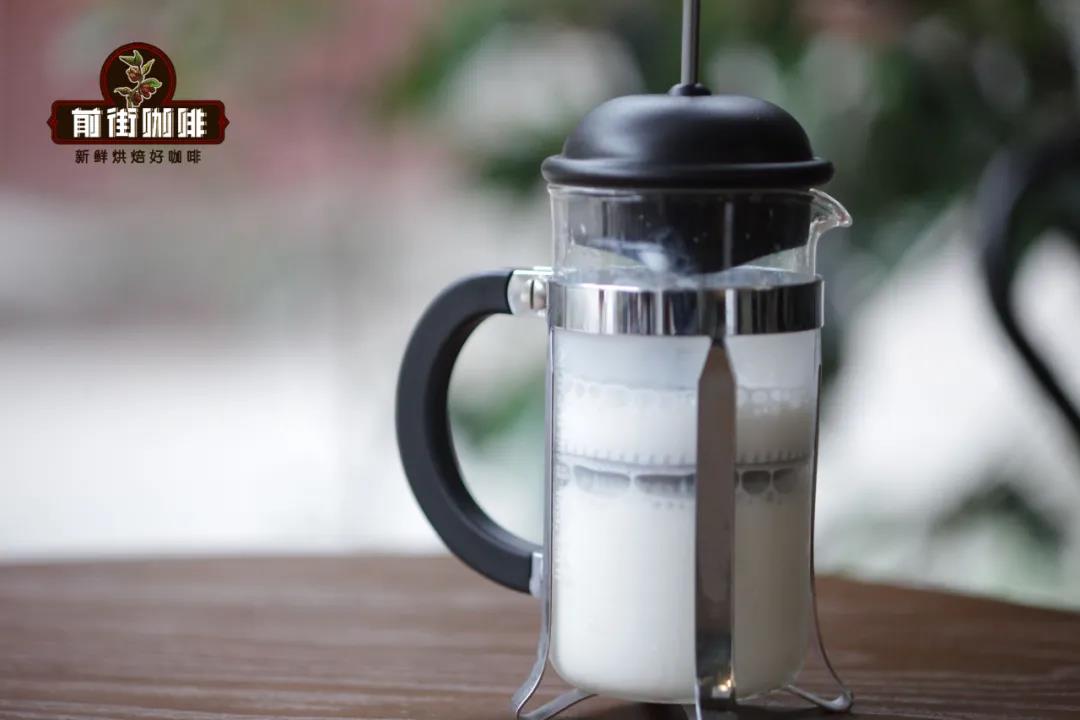
More interestingly, the French press can sometimes even serve as a makeshift milk frother. Though not as effective as a professional milk frother, rapidly pumping the plunger up and down can still produce basic foam, suitable for emergencies or creative use. However, if you want to create dense, silky milk foam, it’s still best to use professional equipment.
For readers who enjoy iced coffee, the French press can also come in handy. You can refer to the concept of Japanese iced pour over by using a small amount of hot water to pre-extract the coffee, then pouring it over ice to quickly cool it down, resulting in a refreshing and smooth iced coffee. It’s recommended to choose medium to dark roasted beans with a rich flavor profile, such as Honduran Sherry variety, which can highlight vanilla and wine-like aromas. Avoid using light roasted beans, as dilution may lead to flavor loss or undesirable off-notes.
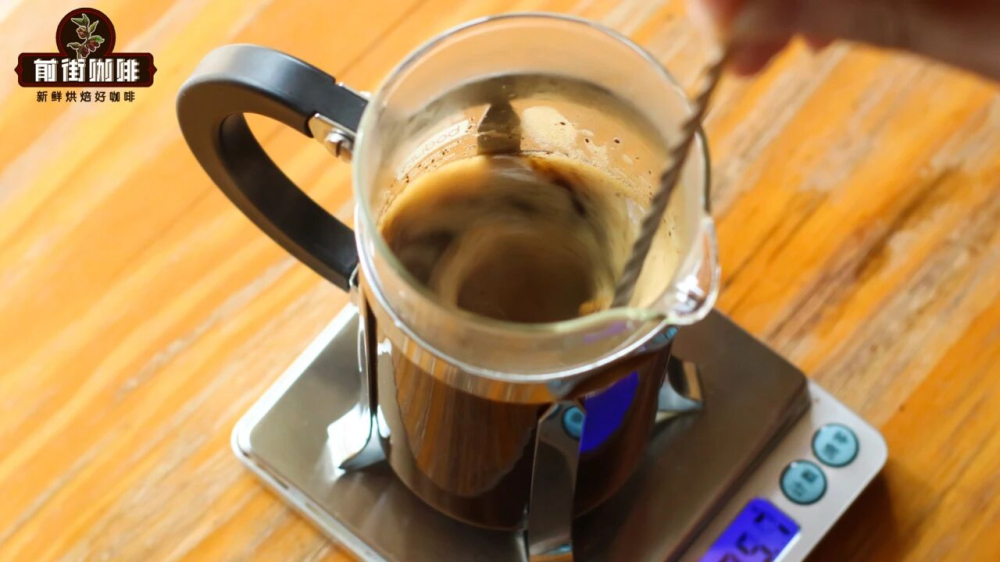
The specific process for making iced coffee is as follows: use 15 grams of coffee grounds, with a high coffee-to-water ratio of 1:8 (approximately 120 grams of hot water) and a water temperature of 94°C. Use a medium-coarse grind (with a 20-mesh sieve pass rate of about 65%). After pouring in the hot water, stir well, let it steep for 30 seconds to homogenize the coffee bed, then let it steep until the 3-minute mark when you add ice. Afterwards, slowly press the plunger down, let it sit for 1 minute to allow the coffee grounds to settle, and finally pour the coffee liquid into an ice-filled cup to complete the process.

Finally, regarding cleaning, since the metal filter can absorb coffee oils, it is recommended to thoroughly clean it after each use. When disassembling, hold the plunger steady with one hand and rotate the filter component with the other to loosen it, then wash the filter, plunger, and glass carafe separately to ensure no residual oil affects the flavor of your next brew.
The above content is compiled by CoffeeHunters, a coffee news website.


