







Introduction:The French press is the go-to brewing method for many coffee enthusiasts just starting out. It’s simple to use yet capable of delivering a rich and full-bodied cup. This article takes an in-depth look at the characteristics of coffee beans best suited for the French press, the science behind crema formation, and provides professional-grade parameters including coffee-to-water ratio, water temperature, grind size, and steeping time. Whether you value convenience or want to explore the essence of coffee flavor, this comprehensive guide will help you brew a satisfying cup with minimal equipment.
The world of coffee offers countless brewing possibilities, but for busy modern lifestyles, the French press strikes an excellent balance. Compared to the technical skill required for pour over or the complex setup of espresso machines, the French press stands out for its ease of use and bold, rich flavor.Its most notable feature is the full retention of coffee oils and flavor compounds.While it may not offer the same layered complexity as espresso, it delivers a smoother and more rounded mouthfeel.
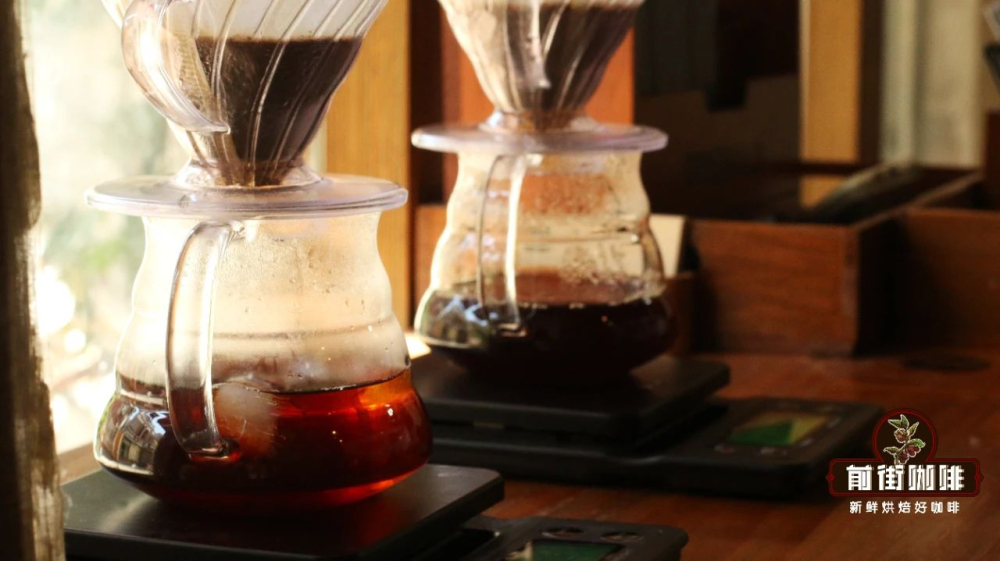
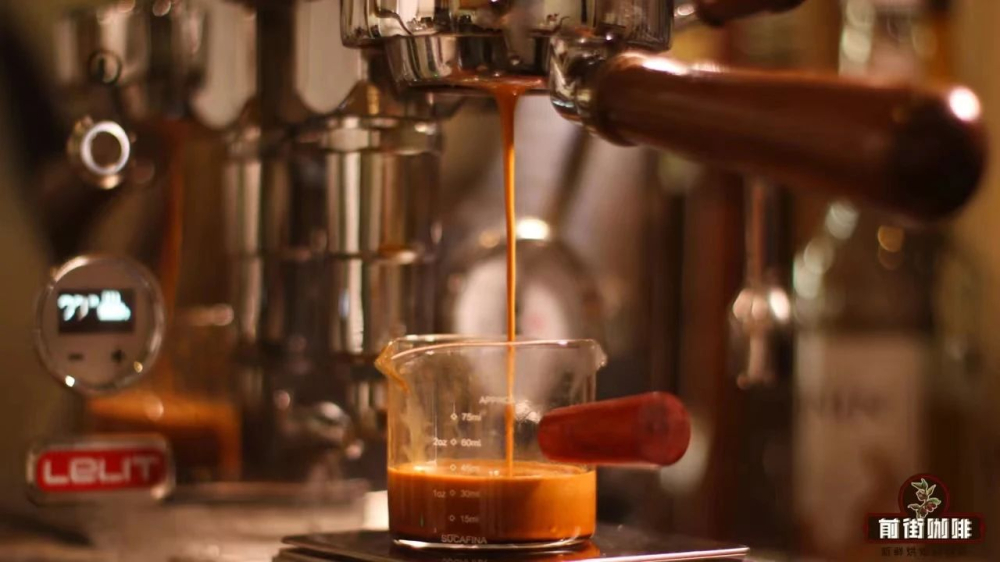
When it comes to coffee oils, most people immediately think of the golden "Crema" on top of an espresso shot. This layer of foam, formed by carbon dioxide and insoluble fats, is not only a visual indicator of successful extraction but also serves as an important carrier of aroma. Under nine atmospheres of pressure, hot water forces carbon dioxide and coffee lipids to form a stable emulsion, which then rises to the surface, creating its distinctive texture.
Although the French press cannot produce such abundant oils, it still retains a moderate amount of crema. This French-designed tool, originating in the mid-19th century, was initially created for brewing black tea. Its simple structure and effective extraction capabilities later won over coffee lovers.The unique design of the metal filter allows extremely fine particles to pass through.This is both an advantage for preserving flavor compounds and a double-edged sword that may also let sediment through.

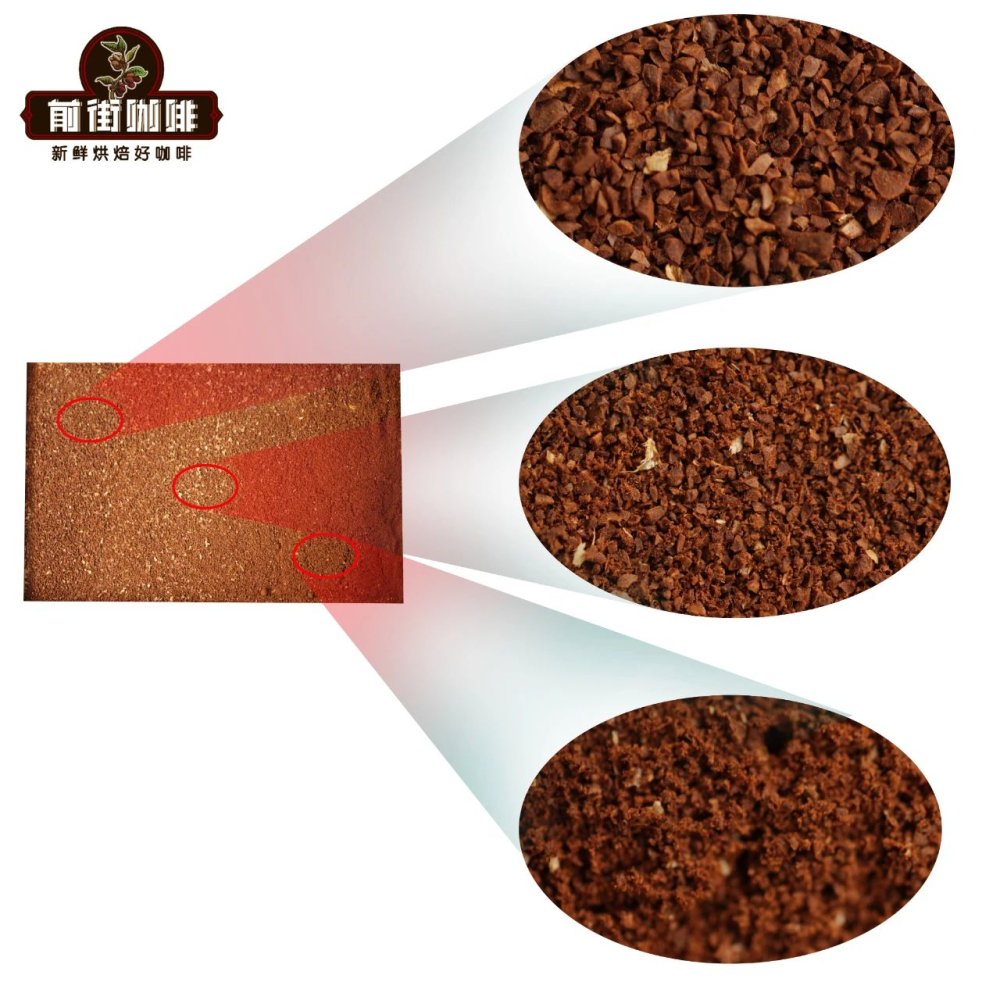
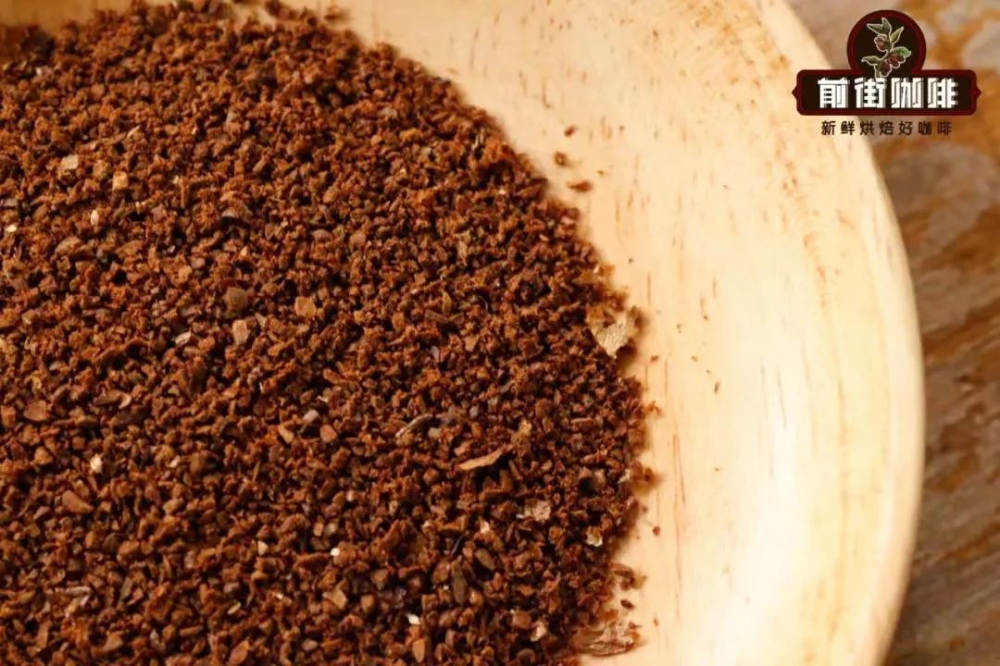
For brewing, it is recommended to use a two-cup French press with 20 grams of medium-coarse ground coffee beans (with a texture similar to brown sugar). The coffee-to-water ratio should be controlled within the range of 1:14 to 1:18. For example, when using 300 milliliters of hot water, the corresponding coffee dosage would be about 16–21 grams, which users can adjust slightly based on taste preference. It is particularly important to notethat grind uniformity is crucial.Too fine a grind can lead to over-extraction and bitterness, while too coarse a grind may result in under-extraction.
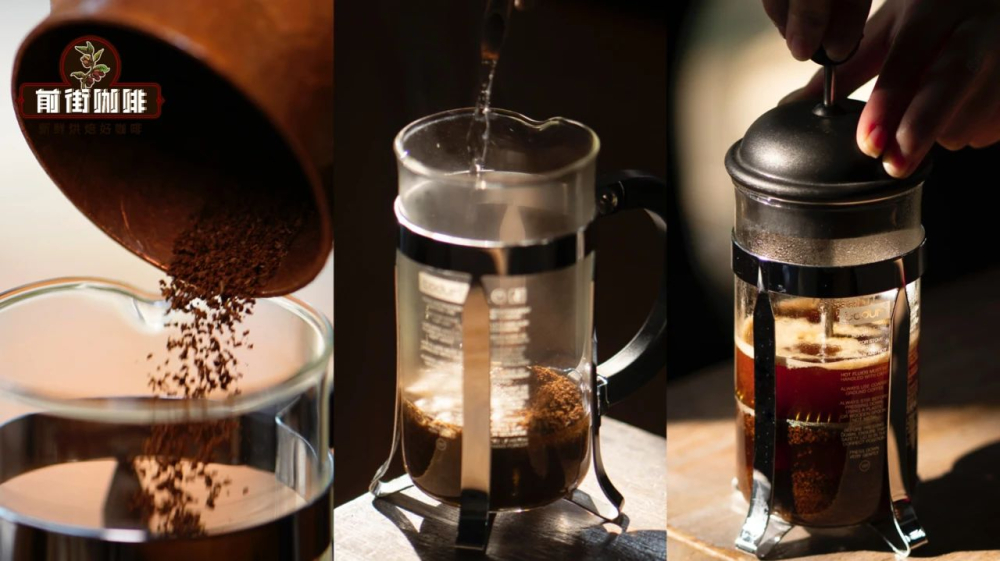
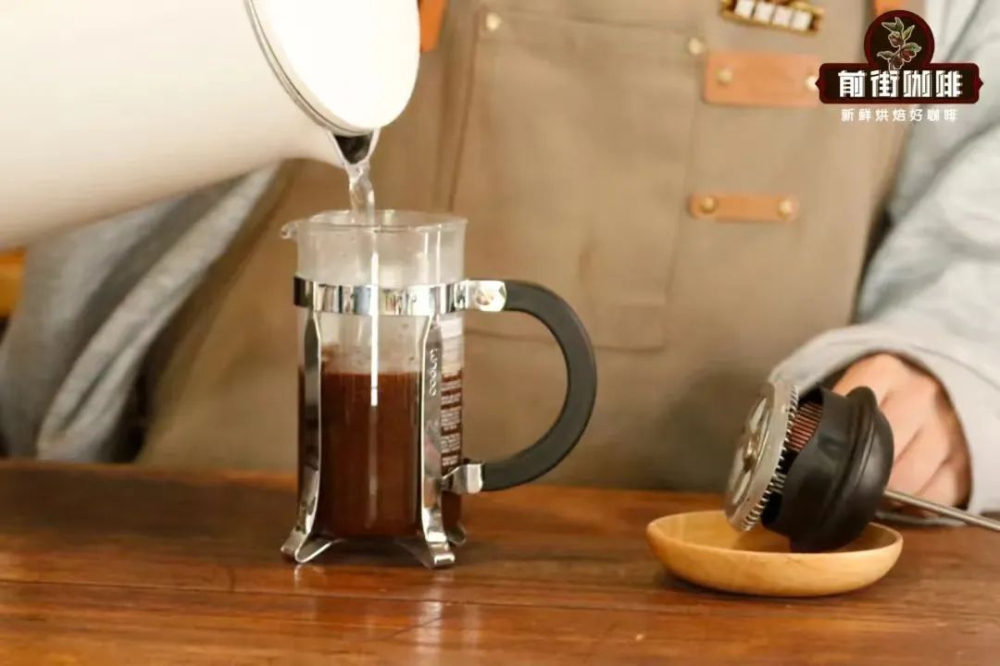
The actual brewing process involves ten key steps: First, preheat your equipment and weigh freshly roasted beans (it is recommended to use beans within 5–14 days of roasting). Maintain the water temperature between 85–95°C — lighter roasts benefit from higher temperatures to enhance the release of aromatic molecules, while darker roasts should use lower temperatures to avoid over-extracting tannins. After placing the coffee grounds in the press, slowly pour water in a circular motion from the center outward to ensure even saturation of all coffee particles.
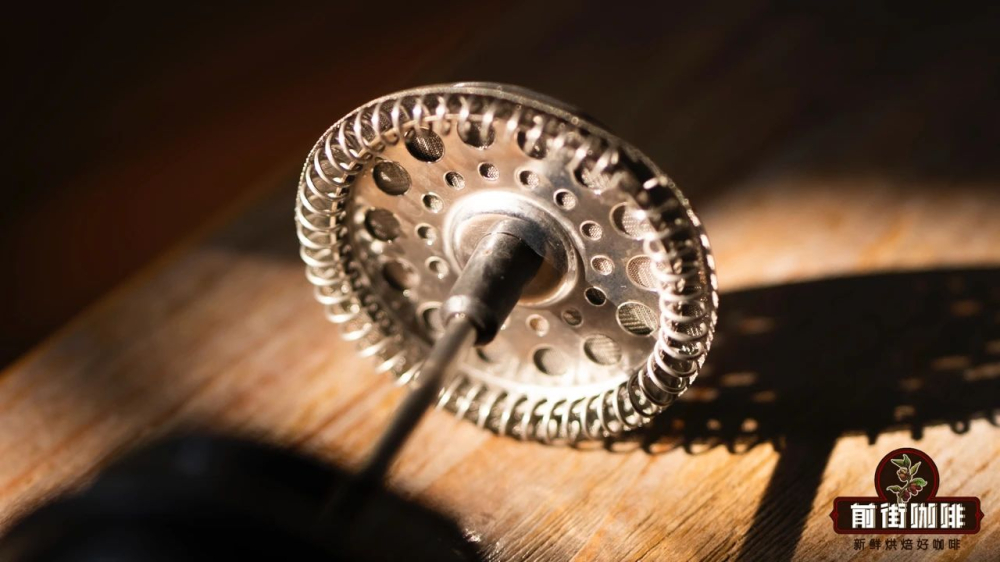
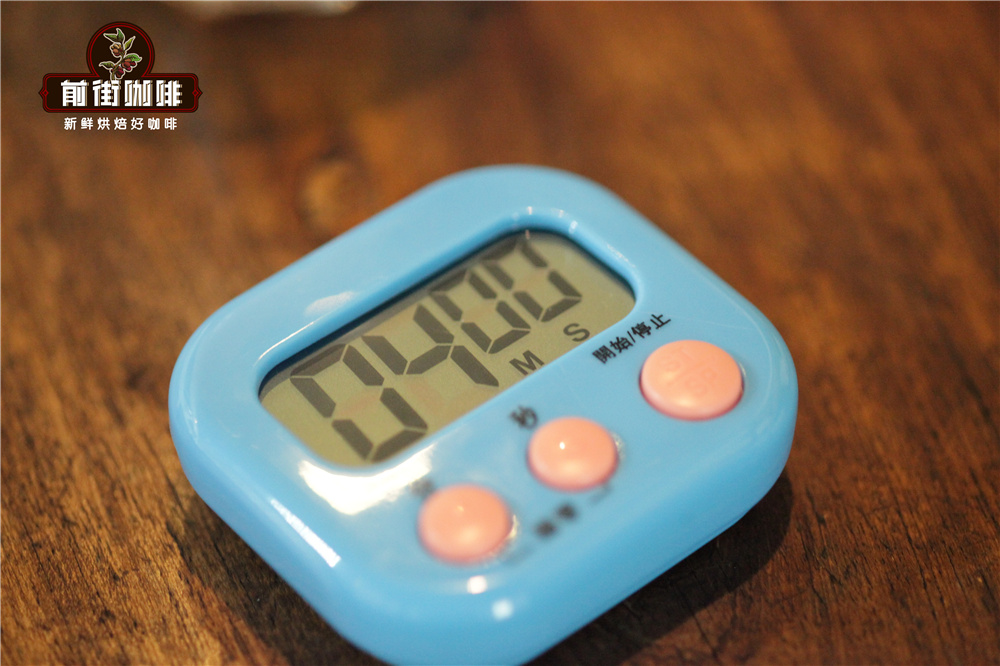
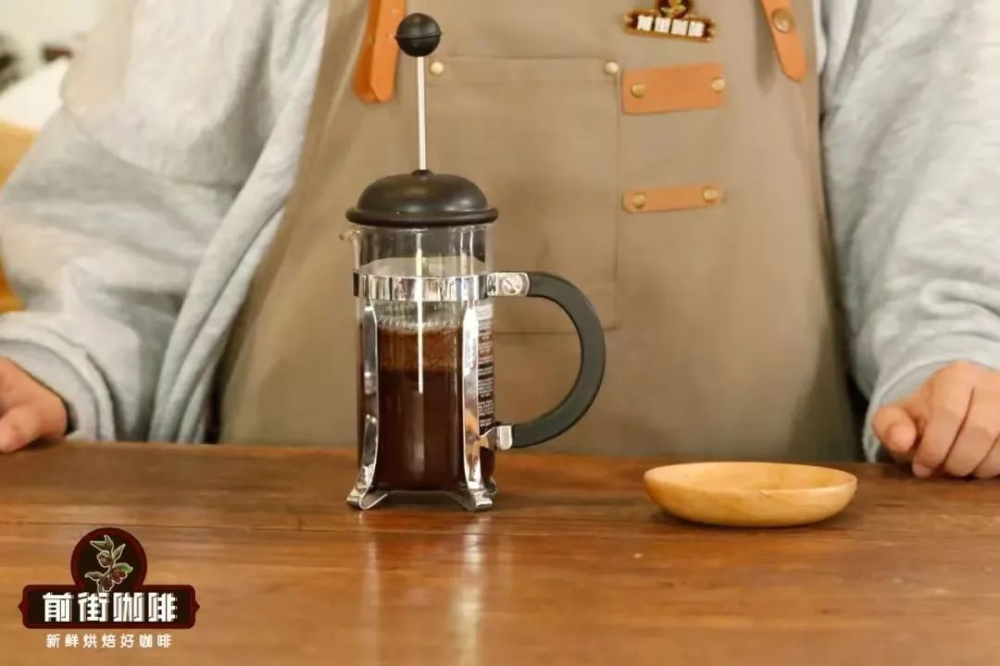
After pouring the predetermined amount of hot water (which can be precisely controlled using an electronic scale), immediately begin a 30-second initial stirring process. This step breaks the gas barrier on the surface of the coffee grounds, promoting even extraction. Then, cover the press with the lid but do not press down the filter yet. Let it steep for the golden 4-minute period — during this stage, coffee flavor compounds are gradually released. Too short a time results in a flat flavor, while too long can lead to over-extraction and unwanted bitterness.
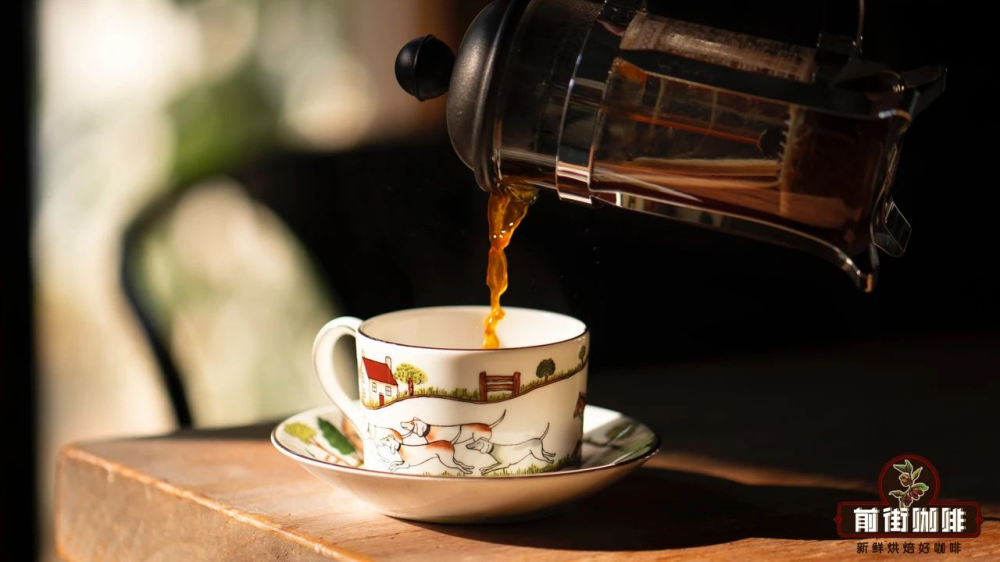
Once the steeping time is complete, press the filter down to the bottom of the press at a constant speed, ensuring a vertical motion to avoid lateral pressure that could force fine particles through. It is recommended to press in two stages: first apply 50% force to bring the filter into contact with the liquid surface, wait for bubbles to escape, and then press it down completely. Finally, slowly pour the coffee into your cup, avoiding disturbing the settled grounds at the bottom to maintain flavor clarity.
In terms of oil presentation, the French press falls between pour over and espresso machines. Although it cannot generate the intense Crema produced under high pressure,a medium-coarse grind combined with appropriate water temperature can still yield a delicate oily film.This effect is especially noticeable when using dark roast beans. Compared to the bold bitterness of a moka pot or the intense oils of an espresso machine, the French press offers a more beginner-friendly approach to experiencing coffee oils.
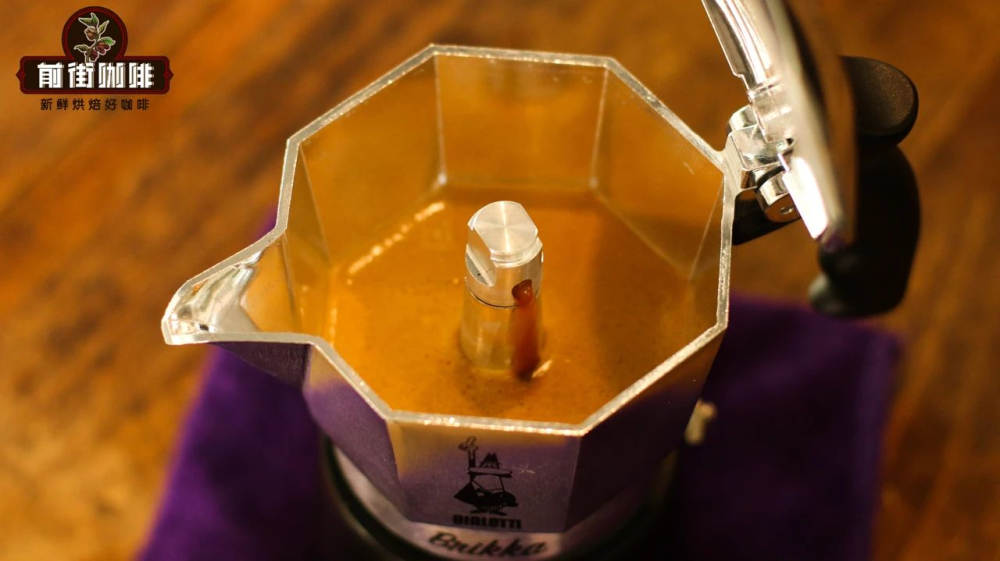
When comparing other brewing devices: Espresso machines, with their nine atmospheres of pressure, create the richest crema layer, ideal for those seeking latte art and intense flavors. The moka pot, using medium to high pressure, produces a beverage lighter than espresso but still with noticeable oils — a budget-friendly compromise. The French press, despite operating with no pressure, still retains a basic oily texture, highlighting its dual advantages of simplicity and balanced flavor.
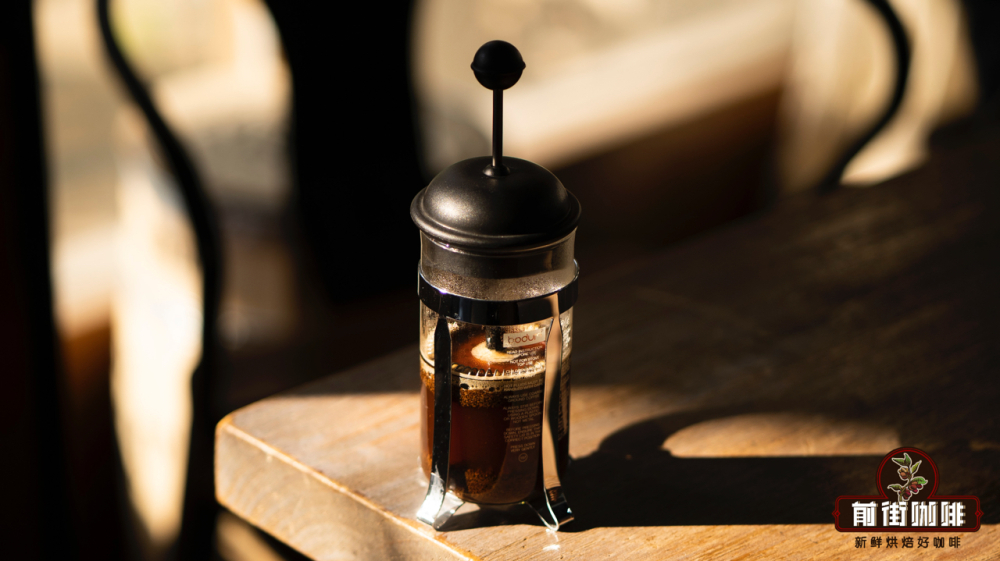
Professional advice emphasizes that coffee freshness is the foremost factor influencing flavor. Regardless of brewing method,coffee beans roasted 5–14 days prior are in their optimal flavor window.Purchasing whole beans and grinding them yourself extends flavor preservation, but once ground, it is recommended to use the coffee within 72 hours to prevent oxidation and staleness. In terms of temperature control, in addition to water temperature settings, the ambient brewing environment also affects the final outcome. It is advisable to maintain a room temperature between 20–25°C for the most stable extraction.

The above content is compiled by CoffeeHunters, a coffee news website.


