







Introduction:Want to understand what high-concentration low-extraction means in pour over coffee? This technique can effectively reduce bitterness and highlight the layers and sweetness of the coffee. This article delves into the principles behind high-concentration low-extraction, starting with the Golden Cup extraction standard, guiding you to master the balance between concentration and extraction rate, and recommending suitable coffee bean types and brewing suggestions for this method—so you can brew well-balanced pour over coffee at home.
The world of pour over coffee is full of variations and possibilities, and “high-concentration low-extraction” is one brewing approach that can effectively reduce bitterness and enhance overall flavor expression. This concept originates from the “Golden Cup Extraction” theory, which achieves a smoother and more layered coffee experience by controlling the balance between extraction rate and concentration.
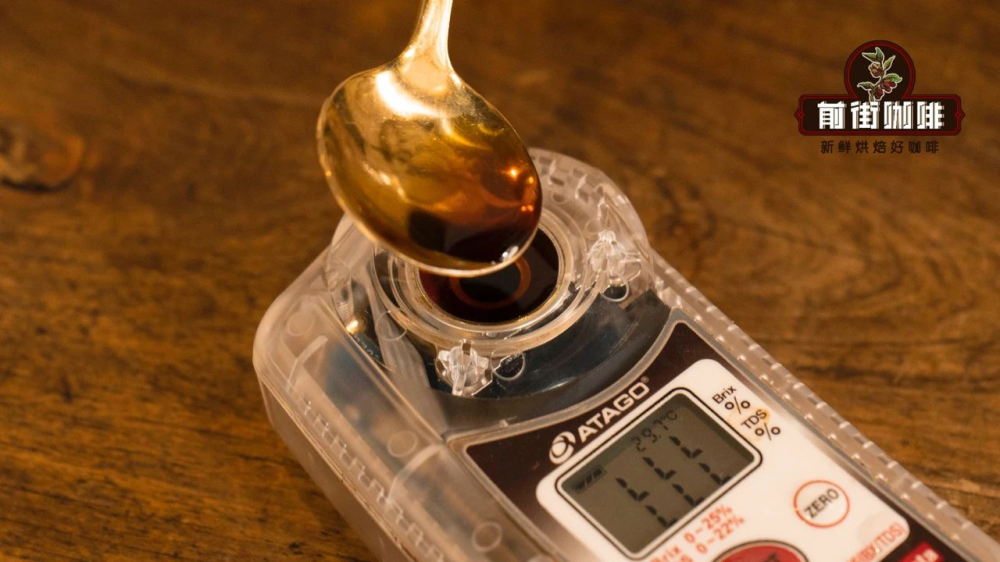
First, let’s understand what high-concentration low-extraction means. The Golden Cup Extraction theory states that when a coffee’s extraction rate falls within 18% to 22% and its concentration is between 1.15% and 1.35%, most people consider this to be the ideal taste range. It’s worth noting that this standard is based on the taste preferences of American consumers; other regions, such as Nordic countries, may prefer higher concentrations, such as 1.3% to 1.55%. But regardless of regional differences,an extraction rate of 18% to 22%is generally regarded as the ideal range.
So, what exactly does high-concentration low-extraction mean? Simply put, it refers to choosinga relatively higher concentration and a lower extraction ratewithin the above Golden Cup range—for example, brewing a cup of coffee with a concentration of 1.35% and an extraction rate of just 18% fits the definition of high-concentration low-extraction. Even if the values don’t match exactly, as long as they’re close to this range—such as a concentration of 1.4% and an extraction rate of 17.4%—it’s often still categorized as high-concentration low-extraction.
To understand the benefits of high-concentration low-extraction, you first need to grasp how concentration and extraction rate affect coffee flavor. A higher concentration means a richer coffee taste, but if it’s too high, it can easily lead to unpleasant bitterness or an overly intense sensation; conversely, too low a concentration makes the coffee taste flat. Extraction rate directly influences the release of acidity, sweetness, and bitterness: when the extraction rate is below 18%, the coffee tends to taste overly sharp and hollow; once it exceeds 22%, it can become burnt and develop off-flavors. Within the 18% to 22% range,a lower extraction rate will make the coffee taste more acidic and bright, while a higher extraction rate leans toward sweetness and bitterness. High-concentration low-extraction leverages this principle to achieve a focused yet not overly intense flavor profile.
So, how do you actually achieve high-concentration low-extraction in practice? It’s not a fixed set of parameters, but rather an adjustment direction and final outcome. Common methods include adjusting the coffee-to-water ratio—for example, changing the usual 1:15 to 1:13. This reduces the extraction rate while relatively increasing the concentration of the brewed coffee.
In Japan, there’s a similar brewing method called the “Matsuya style,” with a coffee-to-water ratio of about 1:5. By using an extremely concentrated extracted liquid that is then diluted according to personal taste, it’s also an extended application of the high-concentration low-extraction concept. Additionally, many coffee enthusiasts design their own brewing processes that naturally achieve high-concentration low-extraction based on their personal habits.
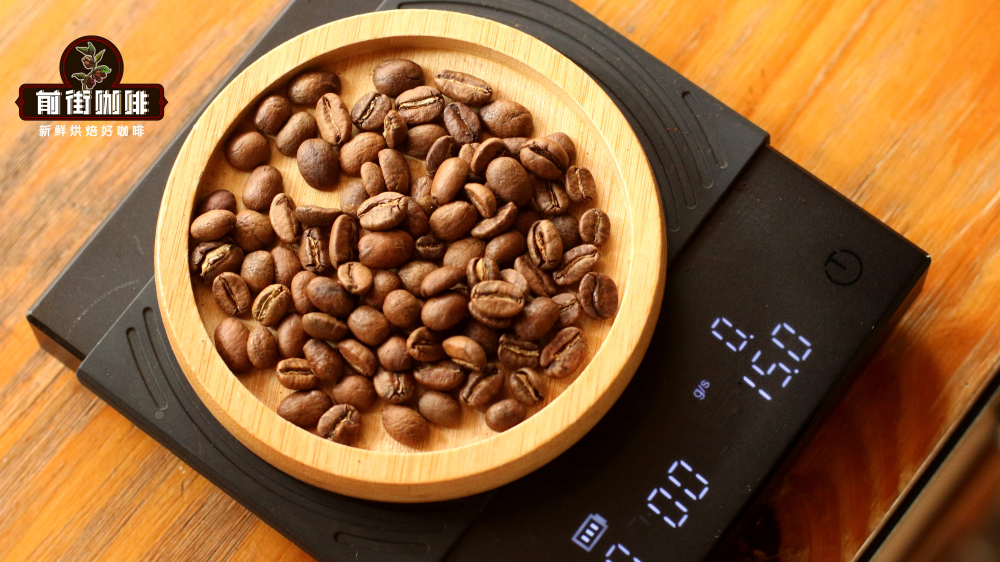
Taking a practical example, here’s a common and easy-to-follow set of high-concentration low-extraction parameters: 15 grams of coffee, a 1:15 coffee-to-water ratio, a grind size with about 80% passing through a #20 sieve, water temperature controlled at 91°C, and using a three-stage pouring method. Under these settings, light-roast coffee typically achieves an extraction rate of about 17.8% to 19.5%, with a concentration ranging from 1.28% to 1.42%. The flavor is usually full-bodied with bright acidity and is also less prone to excessive bitterness.
This set of parameters is safe and suitable for most coffee enthusiasts to try. If you find the coffee too strong, simply adjusting the coffee-to-water ratio to 1:16 will yield a cleaner taste. However, high-concentration low-extraction isn’t perfect—it has drawbacks, one of which is a shorter aftertaste. For coffee beans that inherently have a long-lasting aftertaste, this might be slightly disappointing.
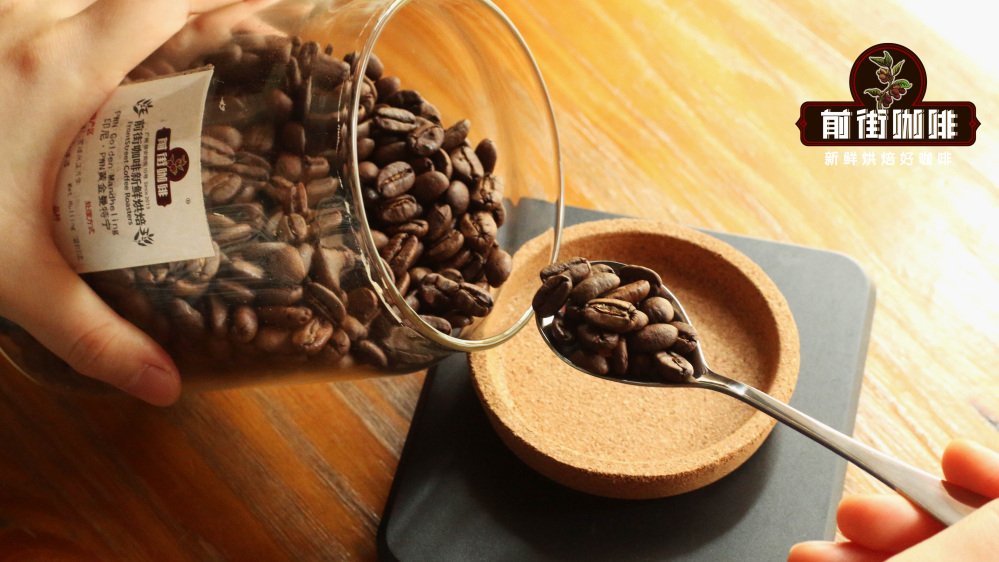
Next, let’s explore what types of coffee beans are suitable for using the high-concentration low-extraction technique. Generally speaking,medium to dark roast or dark roast coffee beans—such as those processed with anaerobic methods or possessing bold, full-bodied characteristics—are very well-suited to this method. These beans have a looser texture, and coffee compounds are released more quickly. High-concentration low-extraction can effectively suppress the bitterness caused by over-extraction.
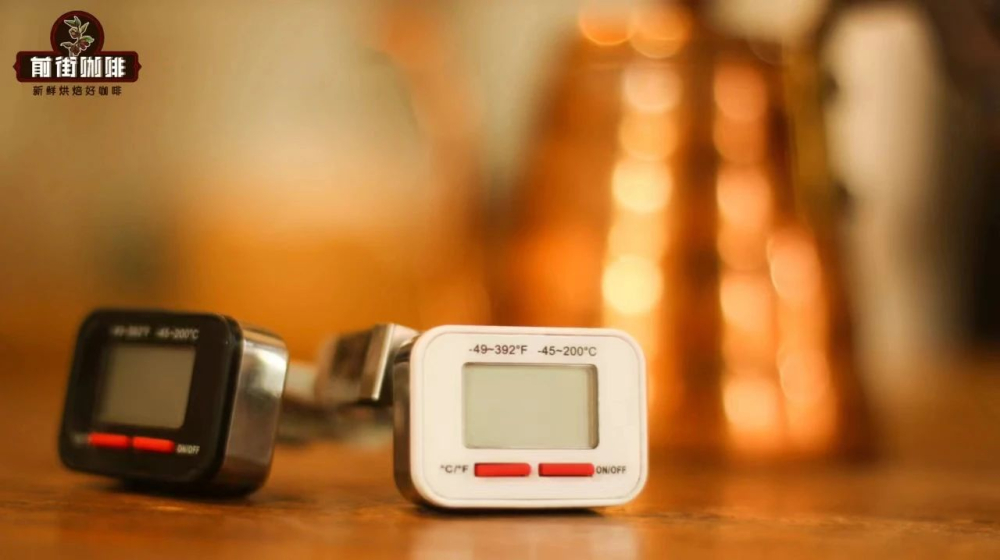
Take “Golden Mandheling” as an example. This classic dark roast coffee becomes loose in texture due to roasting, crumbling easily with light pressure and absorbing water rapidly after grinding. To avoid extracting too many bitter substances due to over-extraction, it’s recommended to use a slightly coarser grind—such as about 70% passing through a Chinese standard #20 sieve or EK43s grinder setting 11. Additionally, dark roast coffee should be brewed at a lower water temperature, around 87°C to 88°C, which is more suitable compared to the 91°C to 93°C used for light roasts.
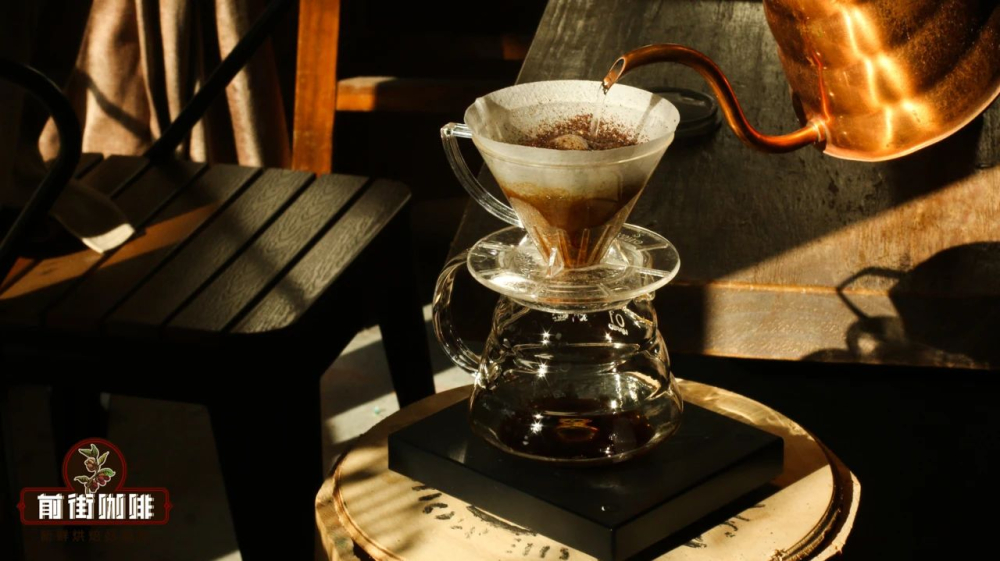
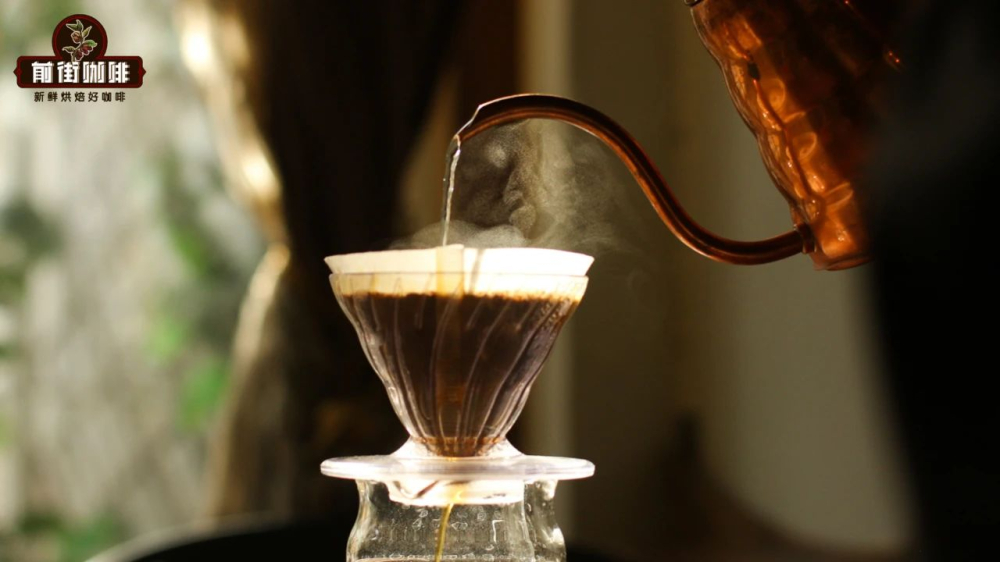
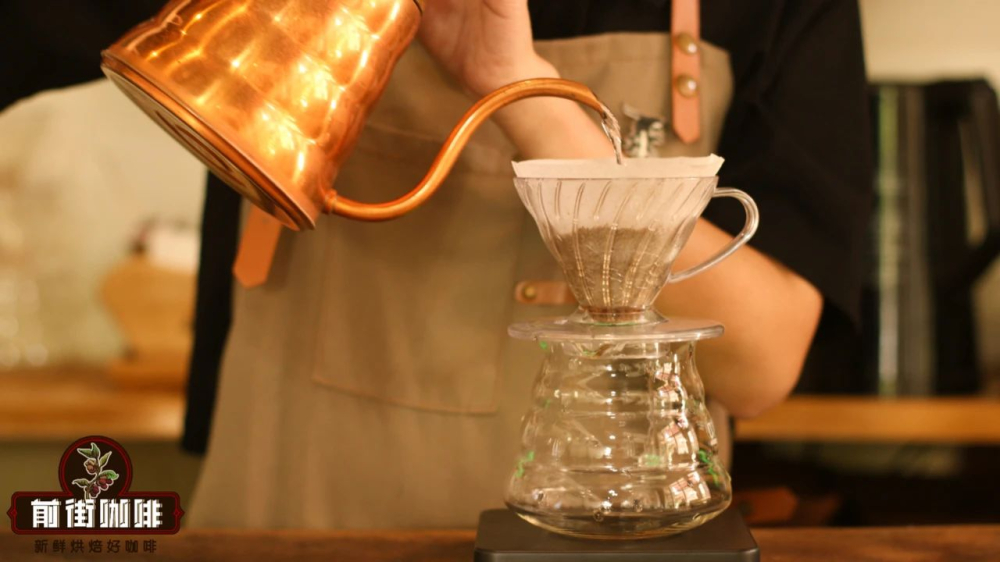
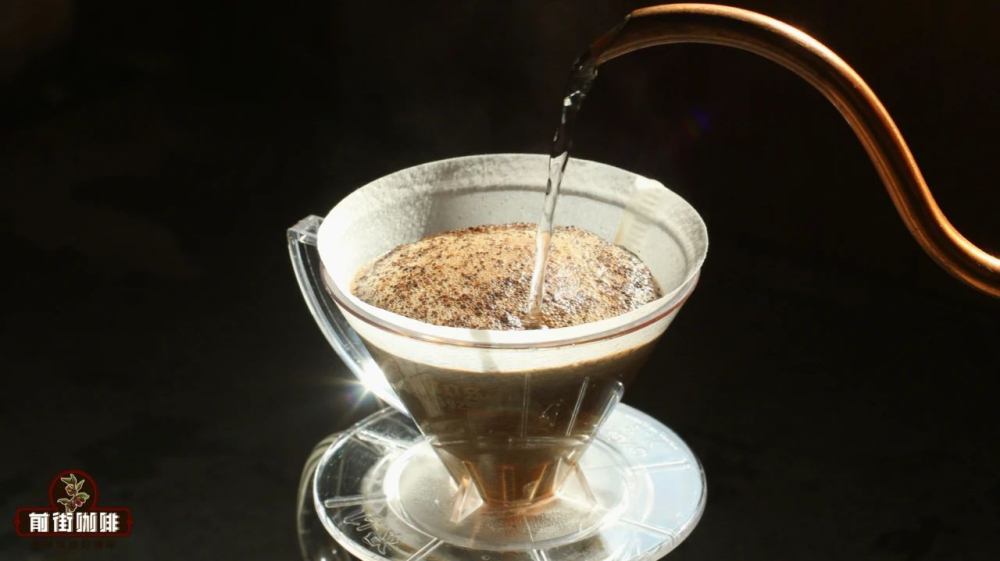
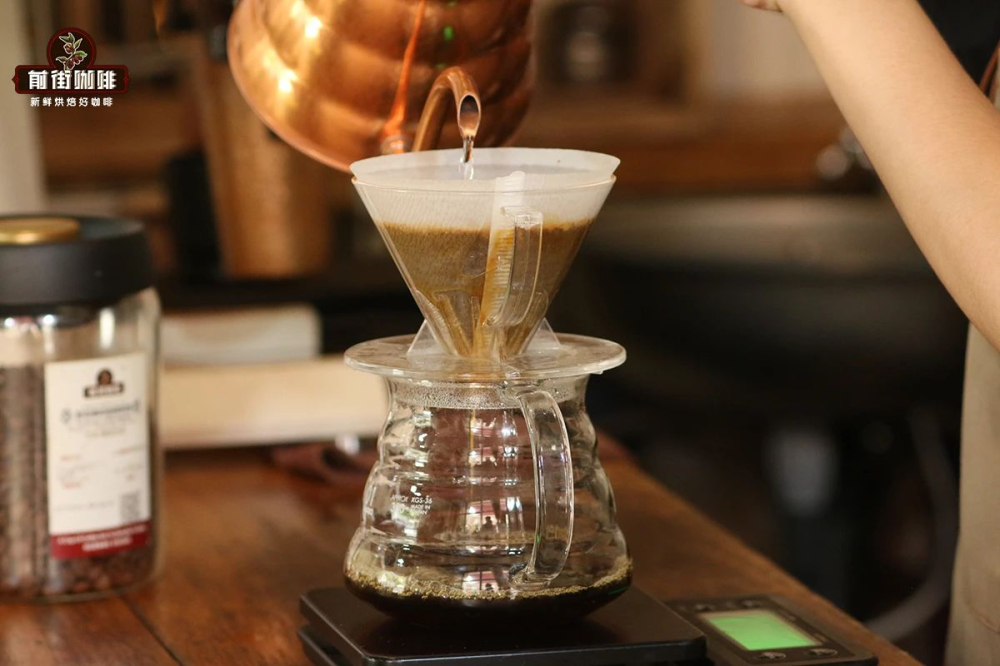
For coffee beans with full-bodied profiles like Indonesian Mandheling, Brazilian Queen Estate, or Jamaican Blue Mountain, many baristas prefer to use the KONO filter. The KONO filter helps stabilize the coffee bed and brings out a rounder mouthfeel and caramel sweetness. In practice, it’s recommended to use a three-stage pouring method: the first stage involves pouring 30 grams of water for a 30-second bloom to allow the coffee grounds to degas, laying the foundation for subsequent flavor release.
The second stage uses a small stream of water in a circular motion, slowly expanding from the center outward, until the total water volume reaches 125 grams for the first pour. Then continue pouring up to 225 grams, keeping the total extraction time around two minutes, allowing for about a 10-second margin of error. Finally, remove the filter, gently swirl the coffee in the lower container, and enjoy a cup of Golden Mandheling pour over with a rich body and noticeable sweetness.
By mastering the principles and practical techniques of high-concentration low-extraction, whether you’re a beginner or an experienced coffee enthusiast, you can more flexibly adjust your brewing strategy, tailoring it to the characteristics of different beans to extract the coffee flavor that best suits your palate.
The above content is compiled by CoffeeHunters, a coffee news website.


