







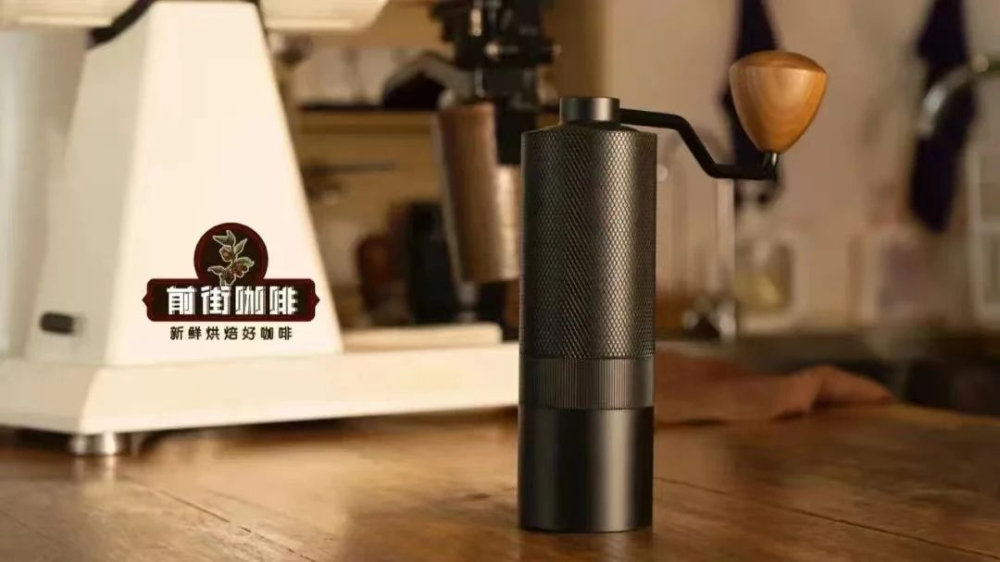
Introduction:To brew coffee with your desired flavor profile, choosing the right grinder is key. But with products on the market ranging from 200 RMB to 70,000 RMB, what’s the real difference between hand-cranked and electric grinders? This article takes an in-depth look at the characteristics and ideal use cases of both types of grinders, and offers practical buying advice based on budget and needs to help coffee newcomers find the most suitable grinding tool.
For coffee enthusiasts who value flavor, freshly ground coffee is absolutely essential to the experience. If you plan to brew coffee yourself, a good grinder is indispensable. A quick search for “grinder” on e-commerce platforms reveals prices ranging from just over 200 RMB to more than 70,000 RMB — a price gap of over 3,000 times. While this may seem trivial compared to some “million-yuan” items, it can still be a tough choice when making purchasing decisions. To help, we’ve put together a practical grinder buying guide for your reference.
We’re not extreme gear enthusiasts, so we don’t focus on side-by-side comparisons of professional equipment. However, having been in the coffee business for many years, we’ve used a variety of popular electric and hand-cranked grinders on the market, and we’ll share our hands-on experiences and insights below.
So, should you choose a hand-cranked or electric grinder? In terms of grind consistency, durability, and upper price limit, electric grinders have the clear advantage. However, hand-cranked grinders are lighter, require no power source, and are suitable for specific scenarios. When comparing the same budget, hand-cranked grinders often offer better value for money (for example, a 1,000 RMB hand-cranked grinder often outperforms a 1,000 RMB electric one).
We’ve compiled a few common user profiles for your reference:
If you’re a student (especially living on campus), on a tight budget (under 1,000 RMB), new to pour over coffee, looking to gradually explore the joy of brewing, or someone who usually drinks chain-store coffee but wants to improve your home-brewed coffee quality, or even if you’re a fitness or travel enthusiast, we recommend starting with a hand-cranked grinder and upgrading to an electric one later if needed.
If you want a one-and-done solution, have ample space at home (like 200 ping), brew in a fixed location, prioritize speed and precision, and have a flexible budget (no upper limit), then you can go straight for an electric grinder.
If you’re a gear enthusiast, collector, or serious coffee aficionado, why not get both and experience the different flavors and operational joys they offer?
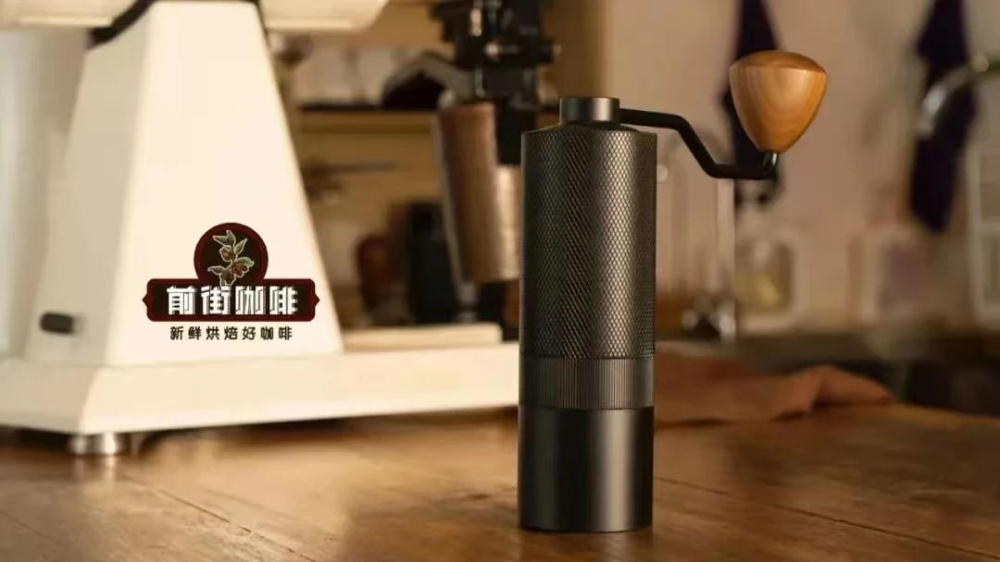
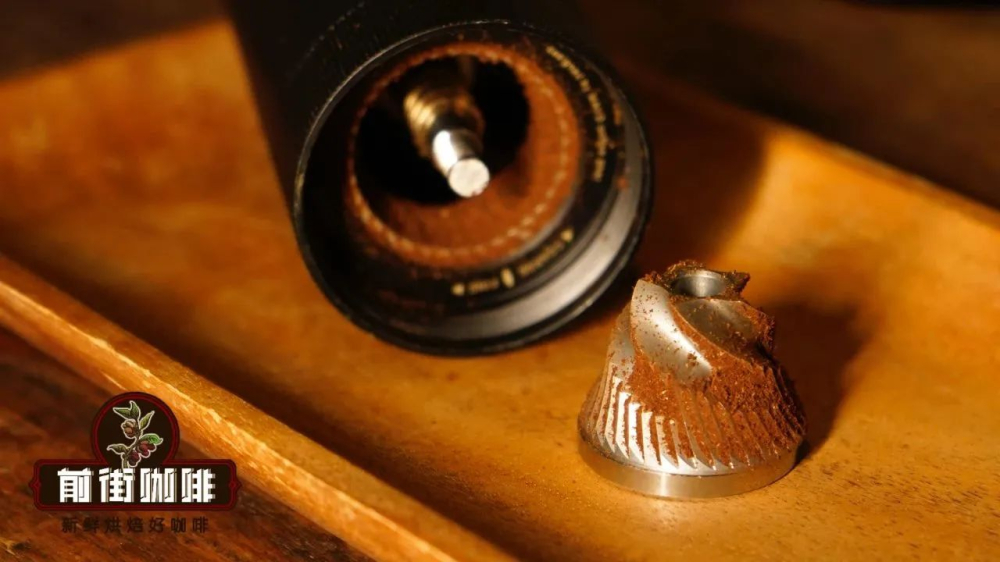
How to choose a hand-cranked grinder? The quality of domestic hand-cranked grinders has improved, and many foreign brands that once cost over a thousand RMB can now be found domestically for under 500 RMB. So how do you choose? Generally, we recommend skipping models under 200 RMB, those with ceramic burrs, or purely retro-styled ones.
The remaining choices can be roughly divided into four price ranges: 200–499 RMB for entry-level, 500–799 RMB for mid-range, 800–999 RMB for high-end, and 1,000 RMB and above for expert-level.
Entry-level (200–499 RMB) is suitable for beginners and office users. Mainly check whether it has a dual-axis design to ensure basic stability and grind consistency. There’s not much variation in lifespan, precision, or mechanical performance at this price point.
Mid-range (500–799 RMB) typically uses higher-quality burr materials, with slight upgrades to the bearings, resulting in noticeably improved durability. It’s recommended to choose models with a larger burr diameter for more effortless and even grinding. With regular cleaning and maintenance, these can last about two years without issues.
High-end (800–999 RMB) options are limited on the market, with main differences lying in user experience and exterior design. Though manufacturers might provide various charts showing improvements (reminding one of smartphone spec races), the actual brewing differences compared to mid-range models are not significant.
Expert-level (1,000 RMB and above) shows a clear improvement in both texture and performance. Although there are many price tiers, if your budget exceeds 2,000 RMB, it’s advisable to consider an electric grinder for greater convenience. However, hand-cranked grinders above 1,000 RMB, whether domestic or imported, do show noticeable progress in detail and overall experience compared to those under 1,000 RMB.
How to choose an electric grinder? We especially advise against so-called portable electric grinders. These products often tout “time-controlled grind settings” as a selling point, with a structure similar to a food processor, relying on just two rotating blades to randomly crush coffee beans, resulting in subpar grind quality.
When choosing, first clarify your needs: are you grinding very fine espresso beans, or drip-style beans suitable for pour over? The two not only look different but also have different grind ranges, and in most cases cannot be used interchangeably (with a few universal models being exceptions).
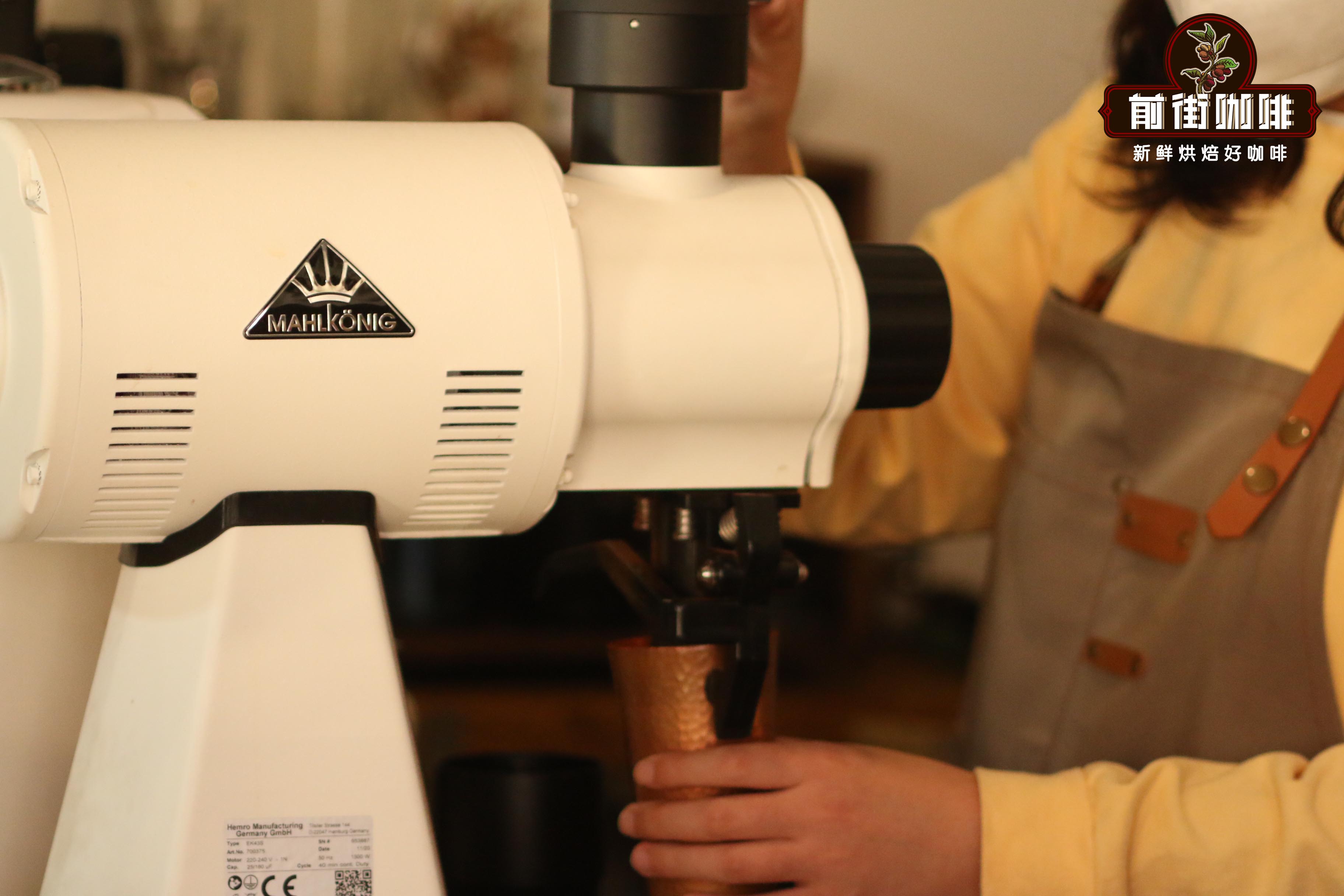
If your budget is generous (around 20,000 RMB), the Mazzer zm filter and Mahlkonig EK 43 are excellent choices. Aside from their high price and larger footprint, there’s almost no reason not to choose them.
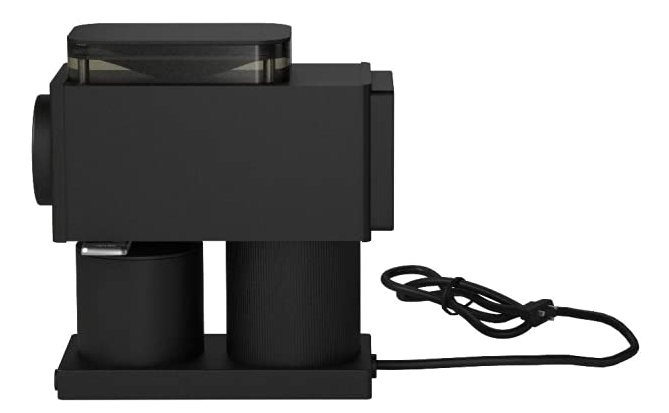
For most users on a limited budget (within 4,000 RMB), the Royal Kico and Fellow ODE are worth considering. The Royal Kico is known for its conical burr set, offering grind sizes suitable for pour over; the Fellow ODE is compact with a sleek all-black design, nicknamed the “little black box,” and is highly recognizable. However, both are compact electric grinders with relatively slow grinding speeds.
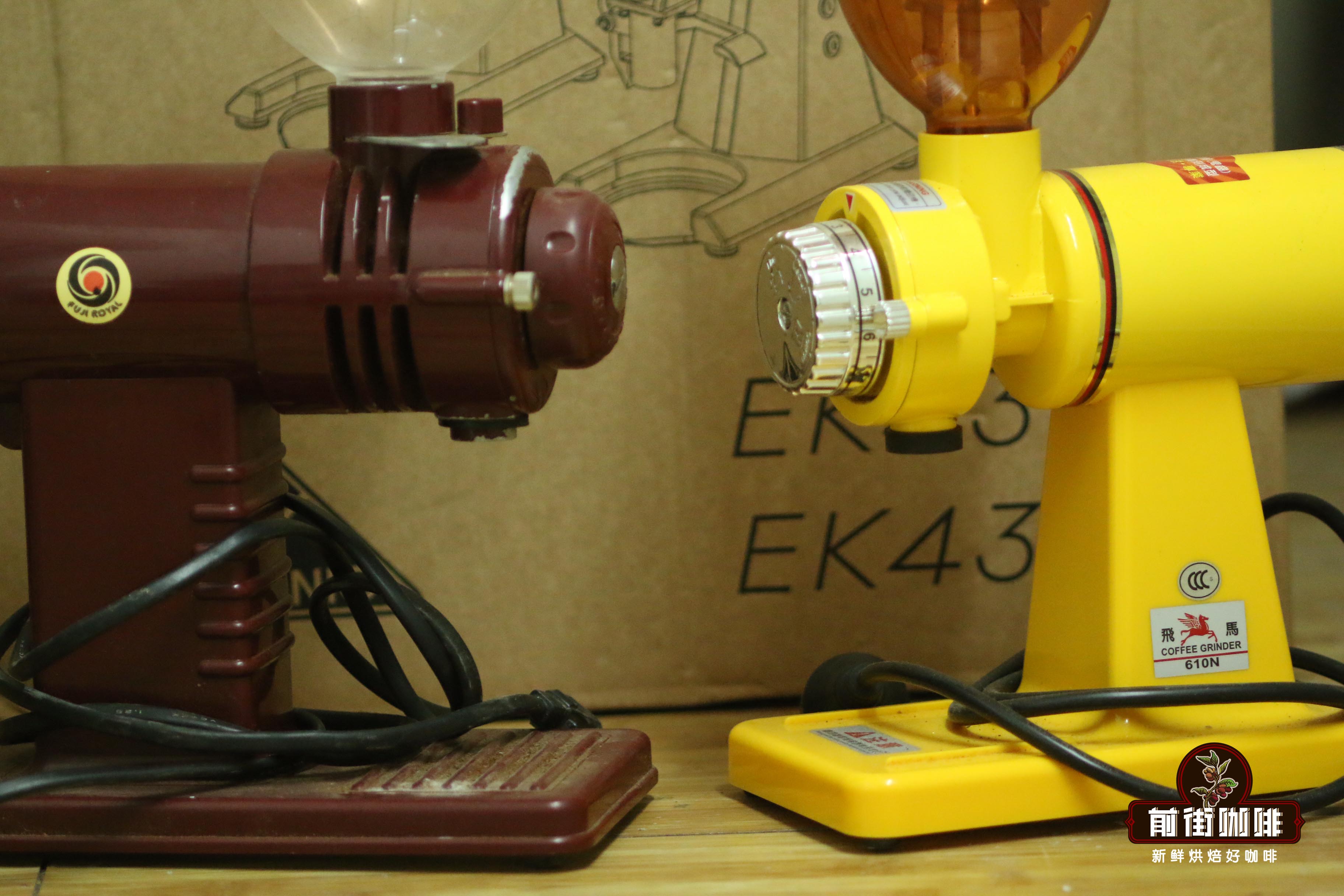
Some readers have asked whether the 300–600 RMB “little Fujis” available on online shopping platforms are trustworthy. Upon investigation, these products are often promoted with phrases like “little cannon,” “knockoff version,” or “domestic little Fuji,” but on overseas platforms, the genuine Royal Kico sells for around 3,300 RMB or more — clearly indicating these are imitations.
We haven’t personally used these products, but we tested a small flying horse 610N priced around 800–900 RMB. Compared to the little Fuji, the small flying horse significantly lags in precision, especially in fine particle control. A barista shared that using the small flying horse alone might not reveal any issues, but once compared with a high-end machine, the differences become immediately obvious. As for the actual performance of the 300–600 RMB “little Fujis,” we can’t provide a definitive evaluation.
There are also some affordable and decent-quality electric grinders on the market, but as we haven’t tested them ourselves, they’re not included in this discussion.
The above content is compiled by CoffeeHunters, a coffee news website.


