







Introduction:Want to brew a balanced pour over coffee at home but always struggle with how to control extraction time? This article delves into the key factors that influence the flavor of pour over coffee, including grind size, water temperature, coffee-to-water ratio, and pouring technique. It also explains how different filter cones affect extraction time. Through practical parameter suggestions and step-by-step guidance, help you adjust to your own optimal brewing method and avoid over-extraction or under-extraction.
In recent years, pour over coffee has become a brewing method that many coffee enthusiasts can easily try at home, thanks to the rise of specialty coffee culture. Although it may seem simple, brewing a cup of pour over coffee with distinct layers and balanced flavors still requires mastering some basic principles. From selecting the right filter cone to adjusting grind coarseness, controlling water temperature, and managing pouring rhythm, each step affects the final extraction performance.
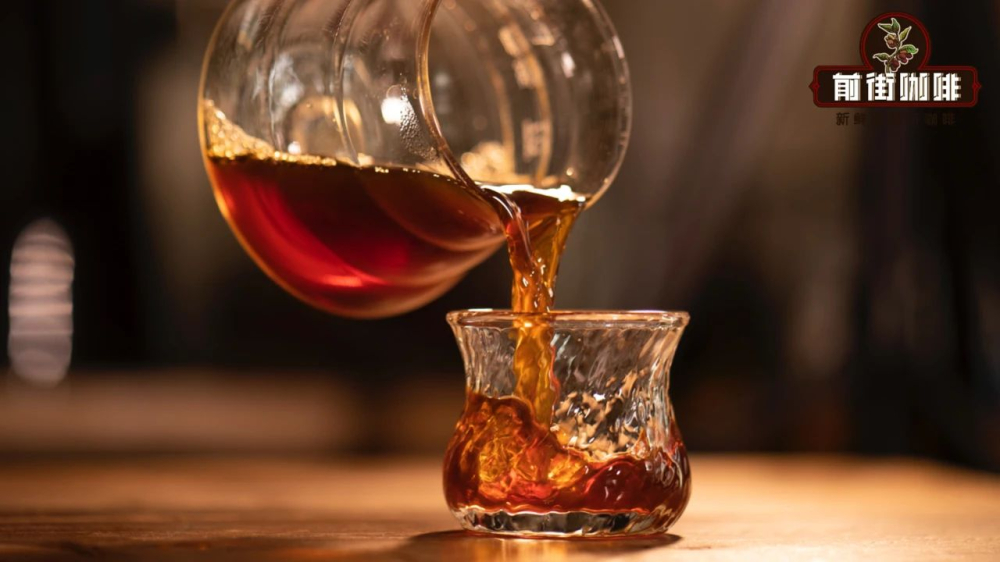
Extraction time is one of the key variables in the pour over process, referring to the total contact time between coffee grounds and hot water. The duration directly determines how much soluble material is released from the coffee grounds, thereby affecting the coffee’s intensity, acidity-sweetness balance, and body. Generally speaking, too short an extraction time may result in a thin, one-dimensional taste; too long, and you risk over-extracted bitterness and astringency.
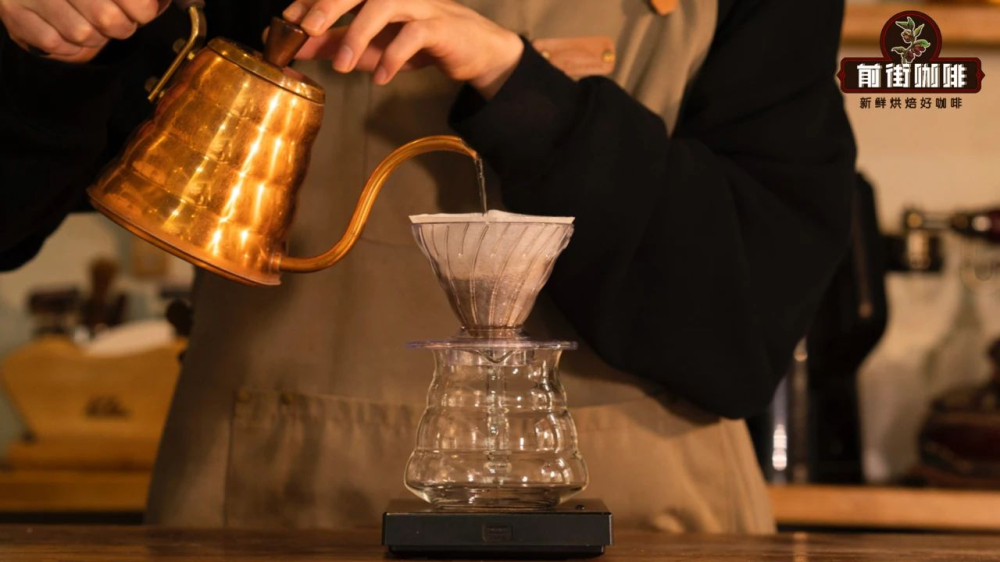
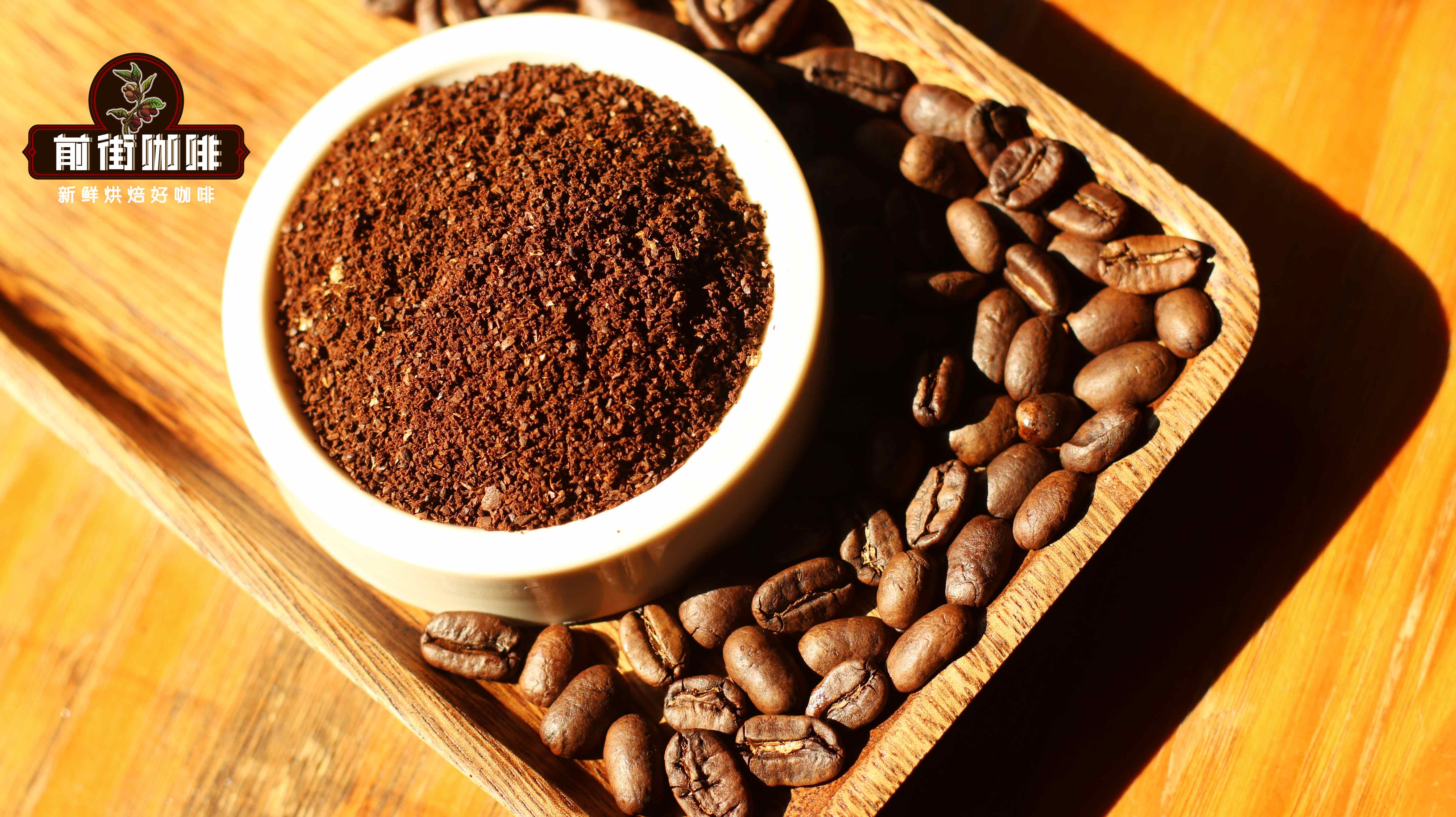
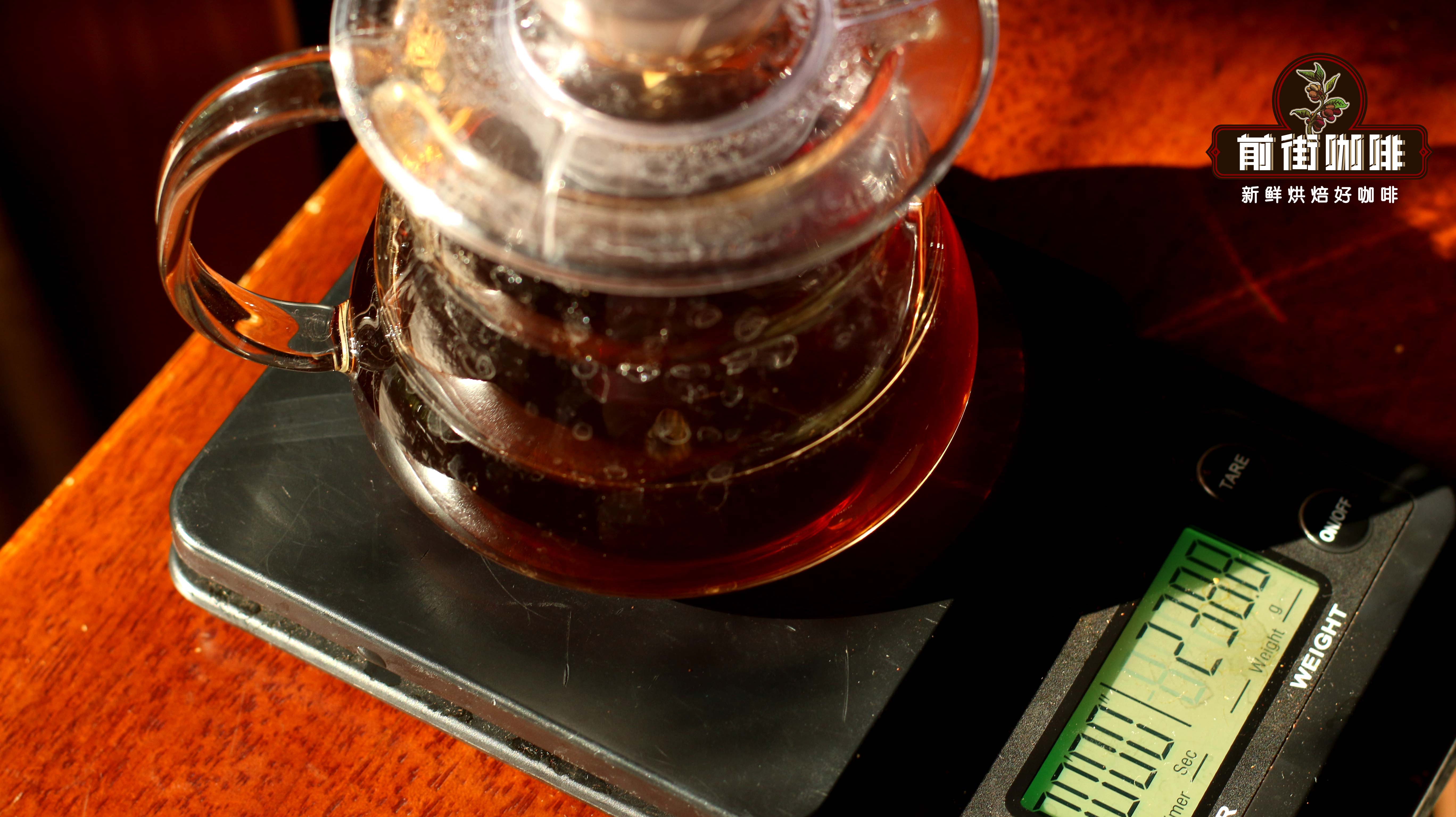
A common pour over parameter combination is 15 grams of coffee beans with a 1:15 coffee-to-water ratio, which equals a total of 225 grams of water. With this ratio, using a medium-fine grind and moderate water temperature (around 90°C), extraction is usually completed in about 2 minutes, achieving a good balance. Of course, this is just a reference; actual brewing should be fine-tuned based on coffee origin, roast level, and personal taste.
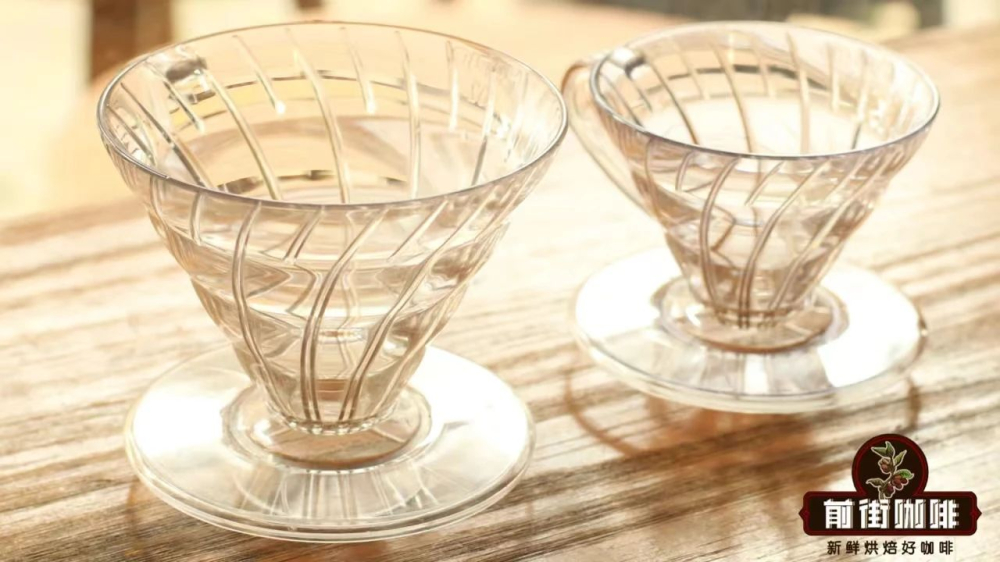
So, what factors actually influence the extraction time of pour over coffee? The foremost is the design structure of the filter cone. Take the commonly used V60 and Kono filter cones, for example. The V60 features large filter holes and spiral ribs for gas venting, which speeds up the water flow and suits brewing styles that emphasize clean layers and bright acidity, resulting in relatively shorter overall extraction time. In contrast, the Kono filter cone has straight, short ribs and smaller filter holes, slowing down the water flow and extending the contact time between coffee and water. This helps extract a fuller body and sweeter taste, so the total extraction time tends to be slightly longer.
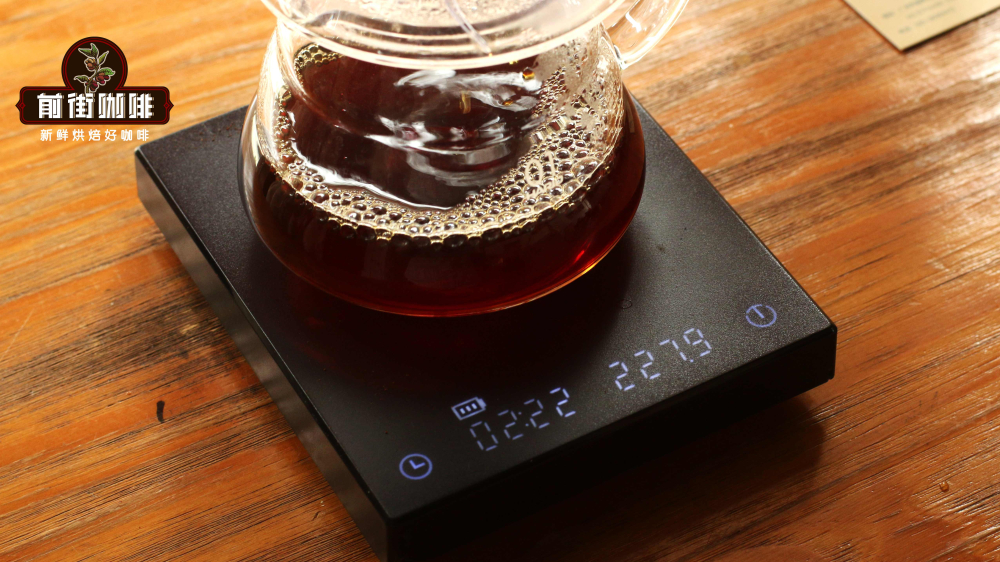
Besides the filter cone, the amount of coffee grounds used also indirectly affects flow rate and extraction time. For example, with 15 grams of coffee grounds and a 1:15 coffee-to-water ratio, the total water volume is 225 grams. With a steady pouring speed, the entire process usually takes about 2 minutes. But if the coffee amount is increased to 20 grams, raising the water requirement to 300 grams, then at the same pouring speed, the time needed will naturally extend by about 30 seconds or more, thereby influencing the extraction outcome.
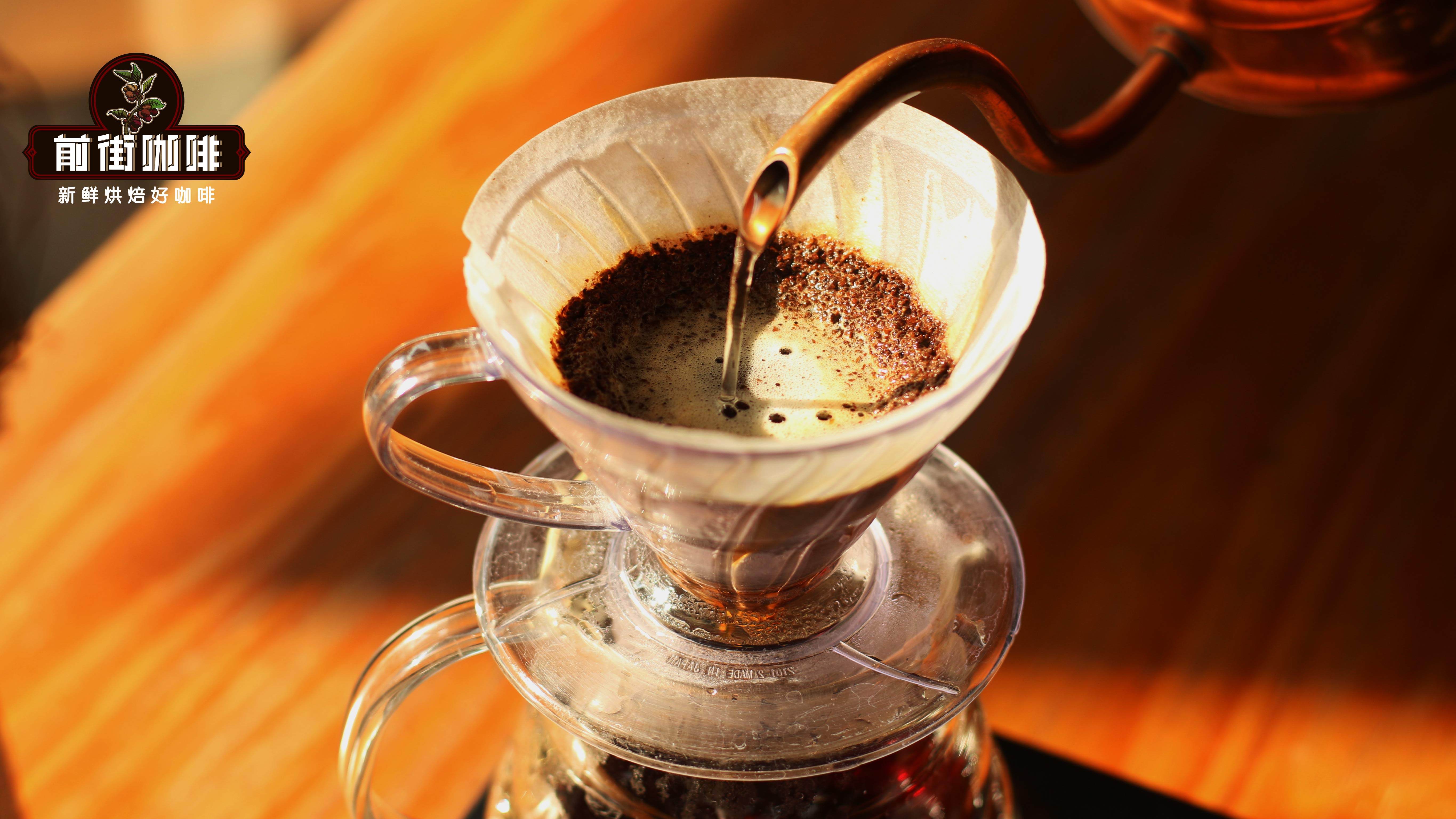
Pouring speed is also an important variable that controls extraction time. Pouring quickly can shorten the overall time, but may lead to uneven extraction or weak flavor; conversely, slow and steady pouring, while taking more time, helps achieve even extraction and brings out richer flavor details. Beginners are advised to maintain a stable water flow and rhythm during practice, which aids in controlling extraction consistency.
Another factor that shouldn’t be overlooked is the grind coarseness of the coffee grounds. Grind size alters the pore size between coffee particles, which in turn affects water flow. For instance, if the grind is too fine, the coffee bed can easily compact or even clog the filter holes, causing over-steaming and over-extraction, greatly prolonging extraction time, and the coffee may taste bitter and astringent. On the other hand, if the grind is too coarse, water flows too quickly, extraction time is insufficient, and the coffee may turn out thin, with overly sharp acidity and lacking sweetness or body.
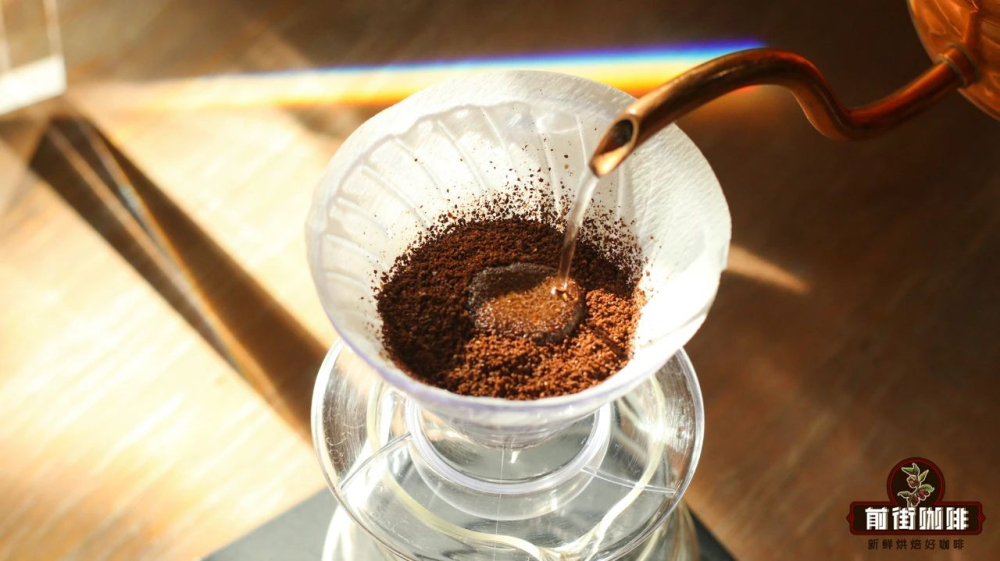
So, what is the ideal extraction time for beginners brewing pour over coffee? According to most professional baristas’ recommendations, using a V60 filter cone, a medium-fine grind (close to the coarseness of granulated sugar), a 1:15 coffee-to-water ratio, and a water temperature of 90°C, it is ideal to complete the extraction in about 2 minutes when brewing 15 grams of coffee beans using a three-stage pour. Specifically, start with a 30-second bloom using 30 grams of water, then pour the remaining 185 grams within 1 minute and 15 seconds, aiming to finish the entire extraction in about 2 to 2 minutes and 10 seconds. This yields a balanced and layered cup.
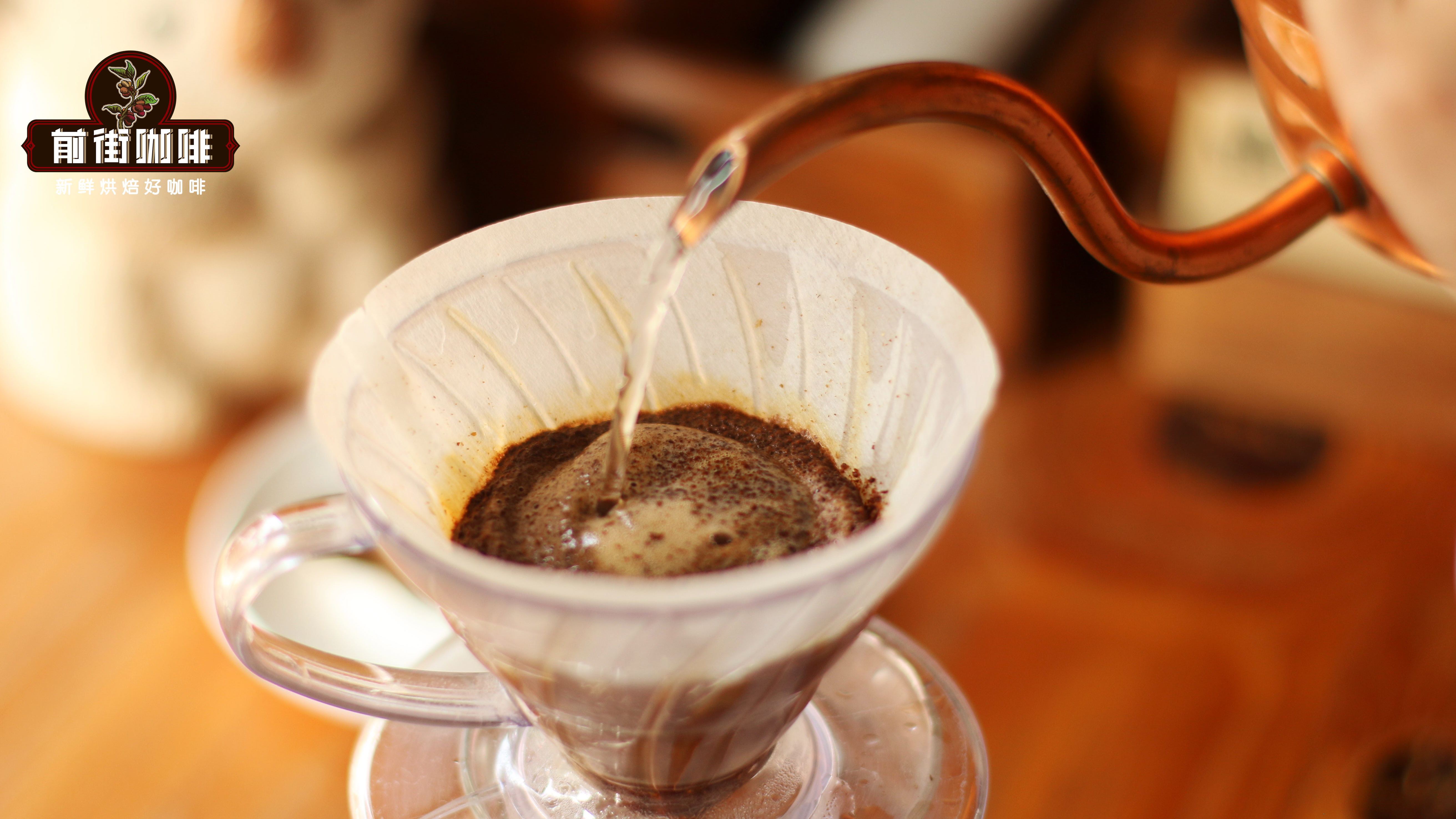
If you’re concerned about controlling a single pour, you can also use a multi-stage pouring method—for example, bloom with 30 grams, then pour 125 grams after a pause, and finally add 70 grams to reach the total of 225 grams. As long as the total time remains around 2 minutes, you can still achieve good extraction results. The key is to maintain a stable water flow and observe the expansion and drainage of the coffee bed to avoid over-soaking or channeling.
In summary, pour over coffee extraction time isn’t fixed but is determined by multiple factors including grind size, coffee-to-water ratio, filter cone design, water temperature, and pouring technique. Every coffee lover can find their own optimal brewing method by adjusting these variables according to personal taste preferences. Remember, 2 minutes is a great starting reference point, but true mastery lies in continuous experimentation and experience to gradually uncover your own pour over flavor code.
The above content is compiled by CoffeeHunters, a coffee news website.


