







Introduction:Grinding is the crucial first step in pour over coffee, but many coffee enthusiasts still have only a vague understanding of the relationship between grind size settings and actual particle coarseness. This article will delve into the fundamentals of coffee grind levels, explore the suitable grind ranges for beans of different roast levels, and share how to determine whether your grind is appropriate by observing extraction time and water flow—helping you adjust to the optimal grind settings and elevate the flavor performance of your pour over coffee.
The Impact of Grinding on Coffee Aroma
The aroma of coffee beans is fully released only when they are freshly ground, making grinding a key factor that influences coffee flavor. Many people misunderstand grind settings, thinking that a higher number means finer grounds—when in fact, the opposite is true: the higher the grind setting number, the coarser the resulting coffee grounds. However, even with the same brand and model of grinder, differences in shipping, usage, and maintenance can lead to variations in grind coarseness at the same setting.
Why Do We Need to Grind Coffee?
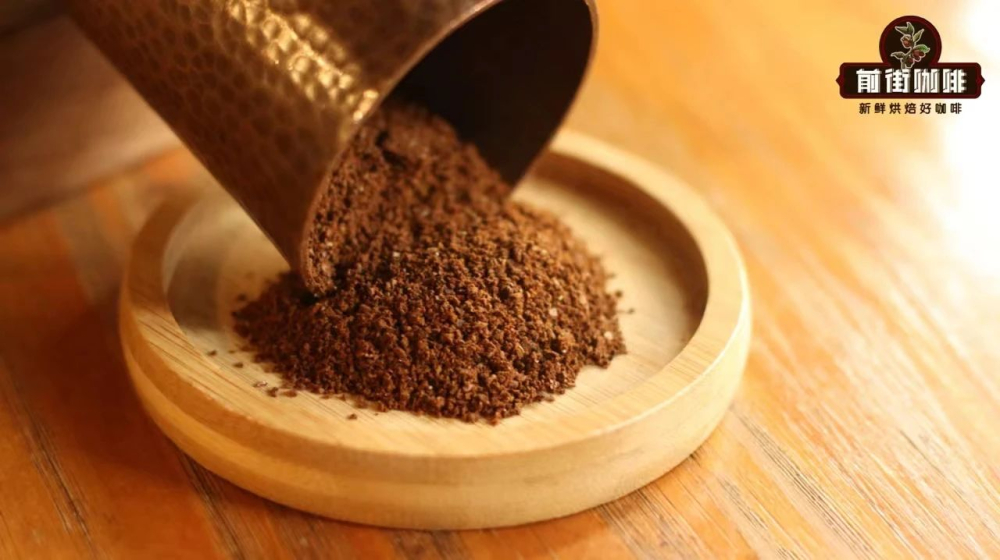
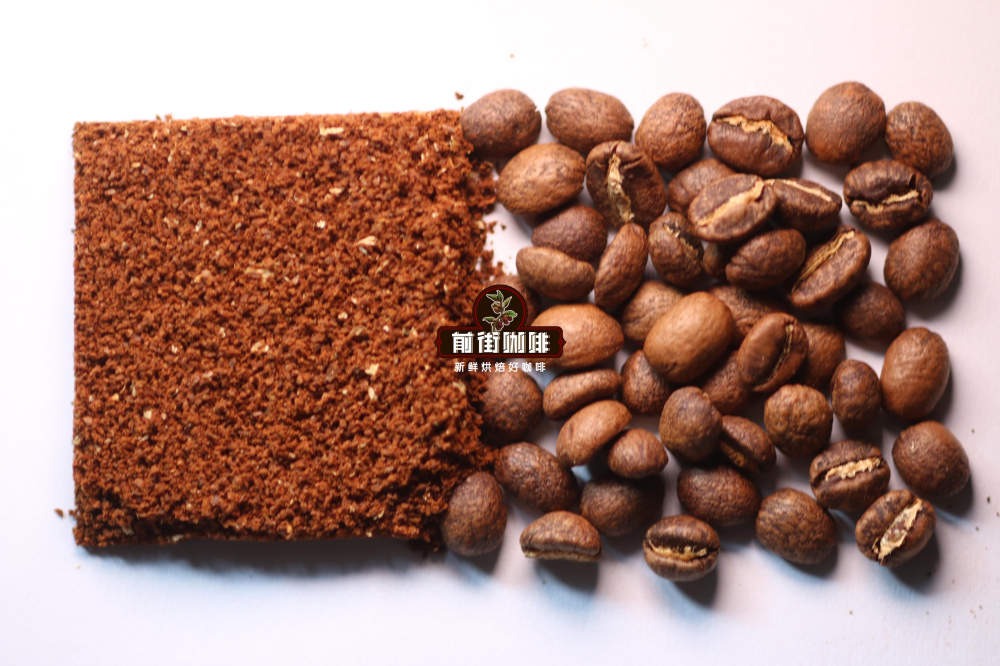
Compared to instant coffee, most cafés today use freshly roasted coffee beans, which need to be ground before brewing. Grinding coffee beans into powder accelerates the release of flavor compounds because it increases the total surface area of the coffee particles, allowing water to extract the internal substances more quickly.
The Relationship Between Grind Coarseness and Extraction Efficiency
Pour over is a type of filtration extraction. Grinding too fine can clog the water flow, lengthen the extraction time, and result in over-extraction—making the coffee taste heavy, overly bitter or acidic, and even astringent. Conversely, grinding too coarse allows water to pass through too quickly, slowing down the release of substances from the coffee grounds and leading to under-extraction: the coffee will taste weak, lacking bitterness or acidity, with a clean but thin mouthfeel.
Recommended Grind Levels for Pour Over
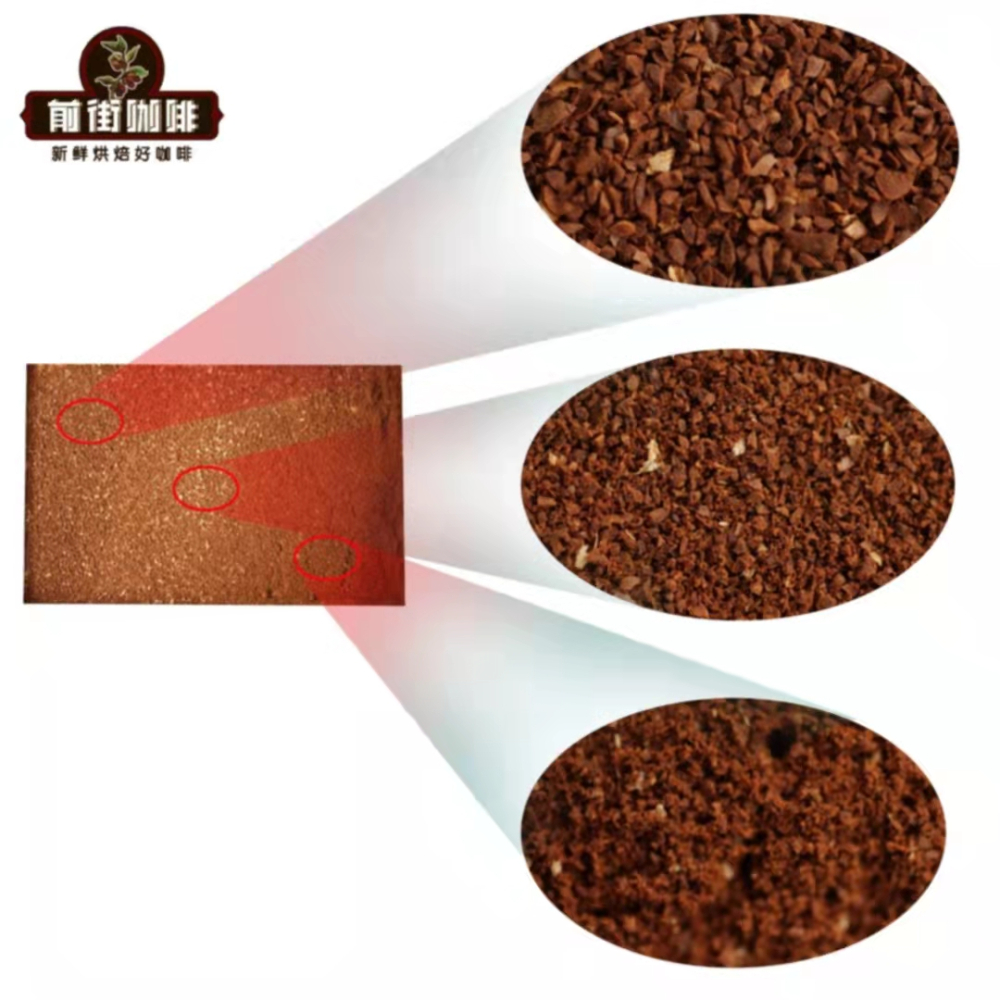
The ideal extraction time is generally controlled at around 2 minutes (for 1–2 servings). According to the SCA cupping standard, the grind level requires 70–75% of the coffee to pass through a #20 sieve, while pour over coffee usually needs to be slightly finer than cupping, with a recommended passing rate of 75–80%—this is also what most shops refer to as "fine pour over grind."
Sieve Details and Ideal Particle Size Distribution
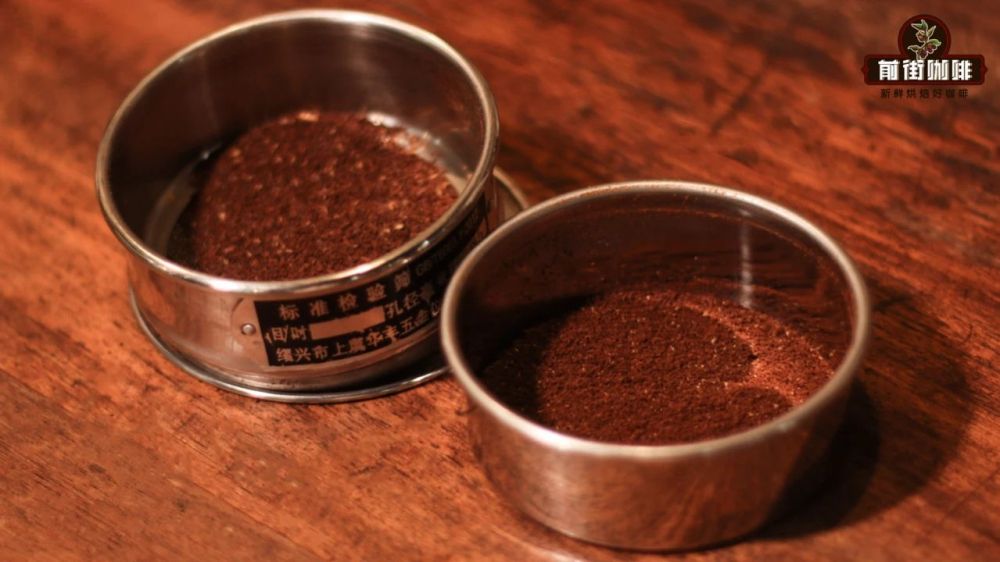
A #20 sieve can only distinguish between particles larger or smaller than 0.85mm, and cannot precisely analyze the particle size distribution below 0.85mm. It is generally believed that the ideal particle size for pour over coffee should be between 0.6–0.8mm, and the higher the proportion within this range, the better. If possible, consider using sieves with multiple aperture sizes for more precise screening.
Practical Grind References for Different Roast Levels
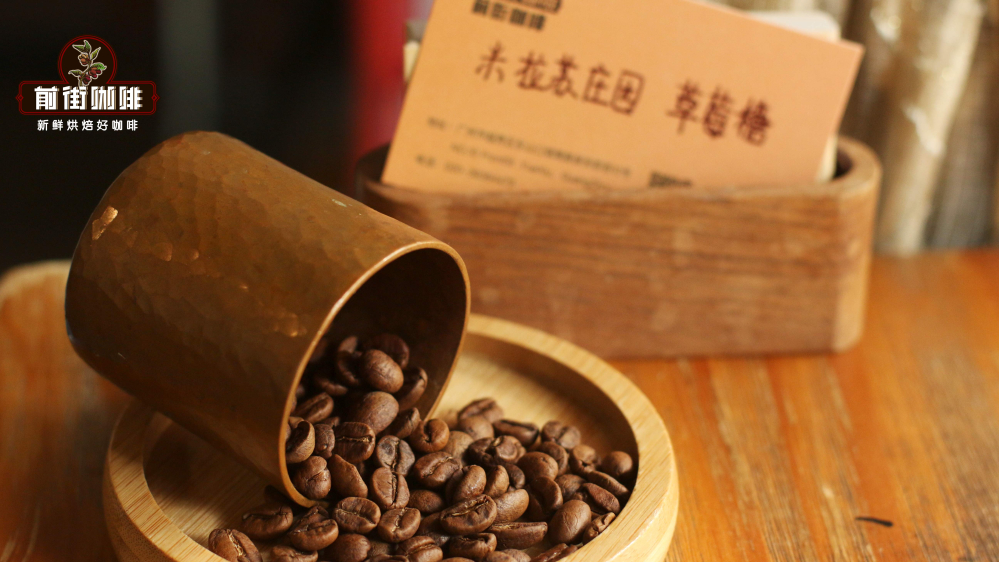
For example, medium-roasted “Strawberry Candy” coffee beans are suitable for hot pour over at a grind level similar to superfine sugar, corresponding to an 80% passing rate through a #20 sieve; whereas dark-roasted “Golden Mandheling” is recommended to be ground to a coarseness similar to granulated sugar, with a passing rate of about 70%.
The Effect of Fines and Recommended Proportion
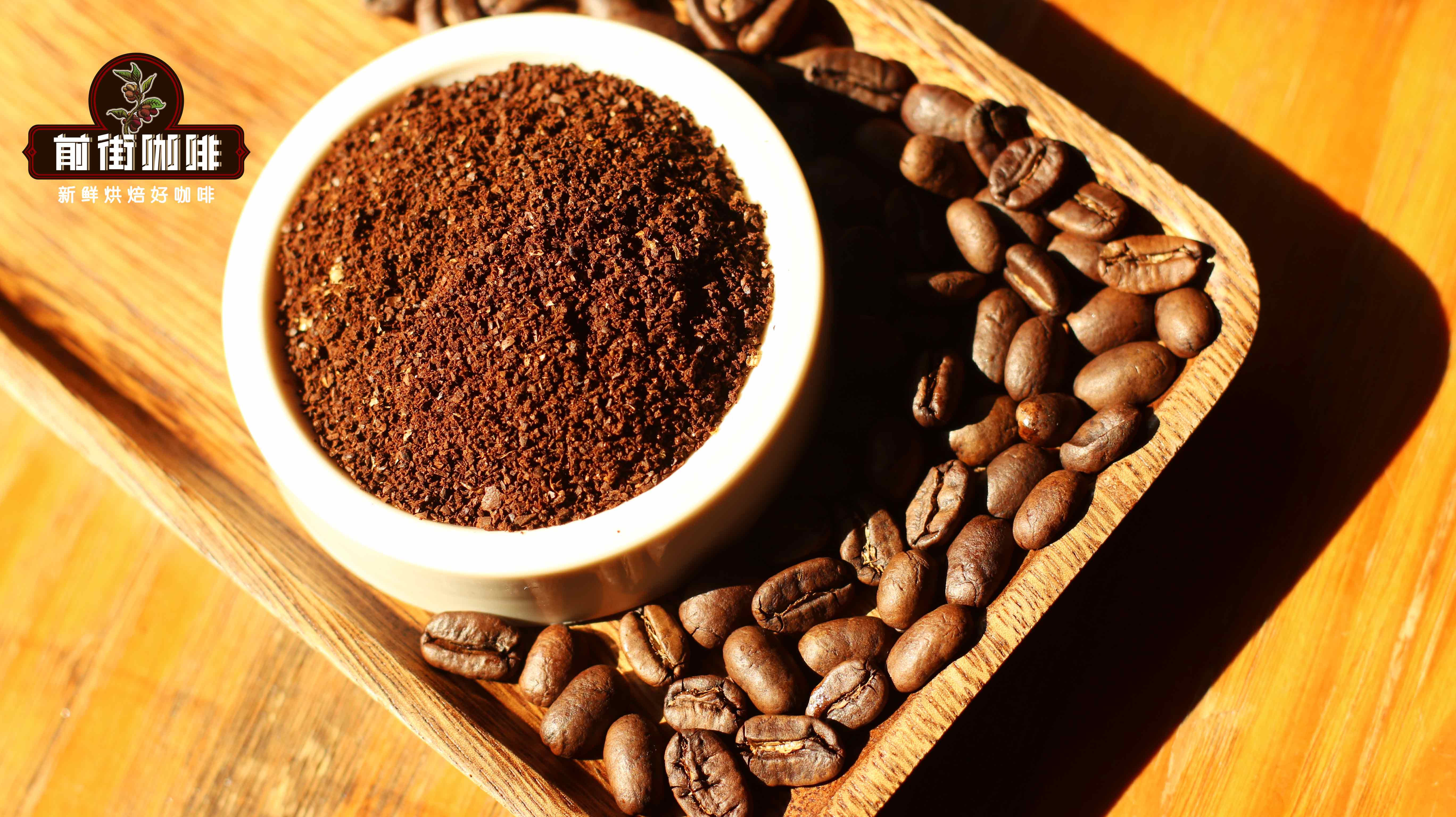
Particles smaller than 0.3mm are considered fines. A moderate amount of fines can enhance the layered flavors of coffee, but if their proportion is too high, it can easily lead to over-extraction and flavor imbalance. It is recommended to keep the fines proportion below 7% (for reference only, not an absolute standard).
Tips for Judging Grind Level by Experience
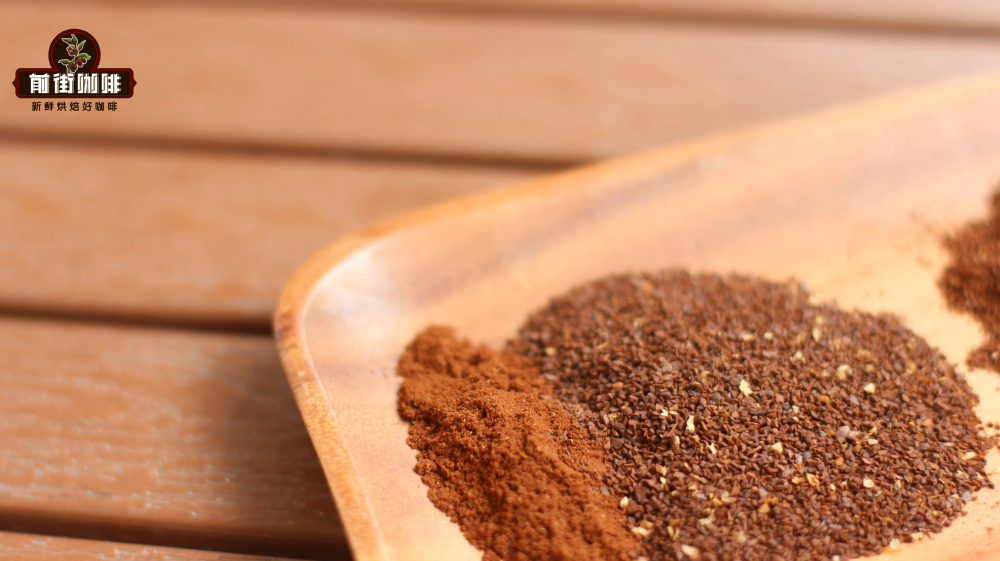
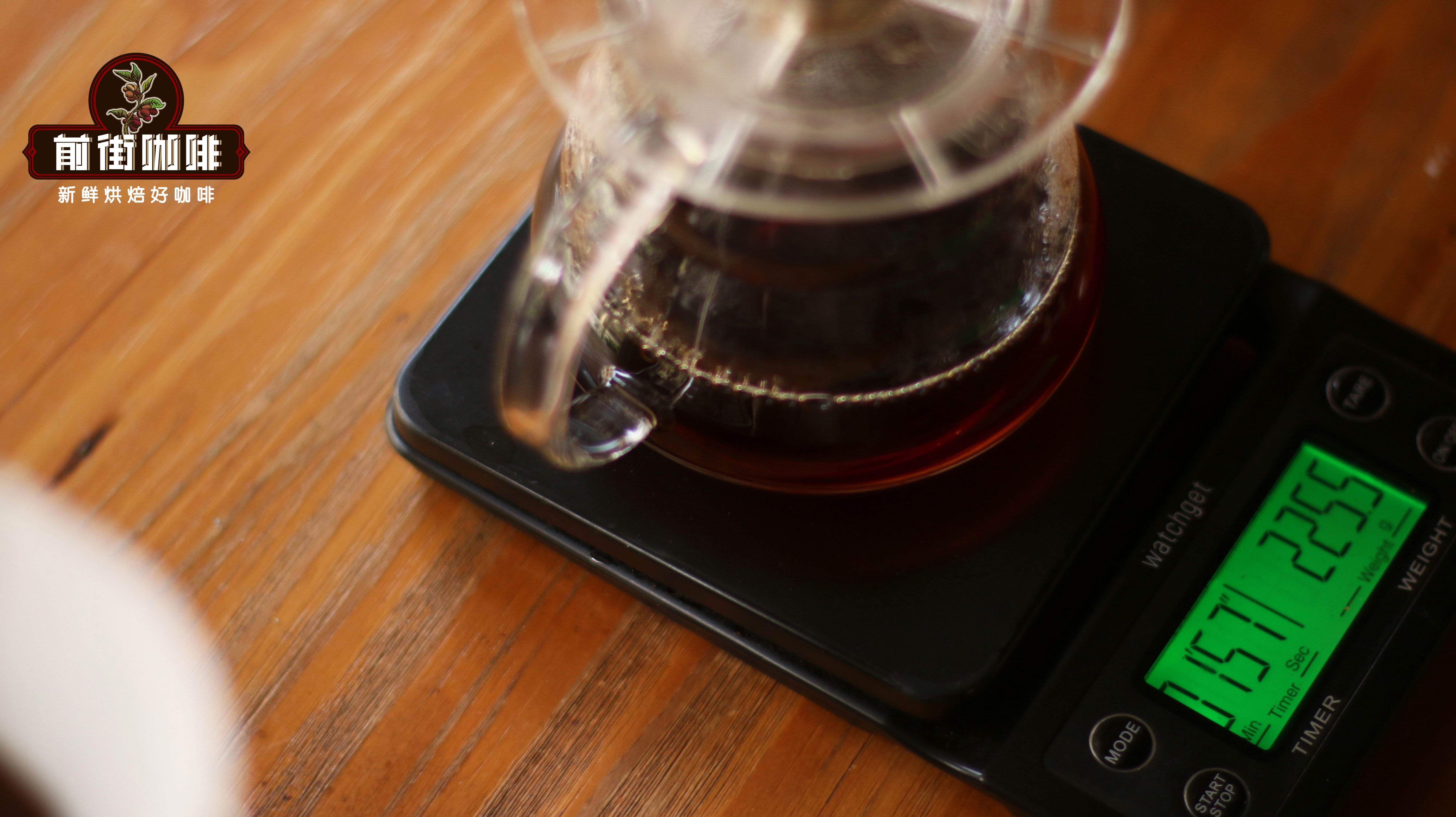
In addition to referring to data, you can also judge whether the grind is suitable based on the actual performance during brewing. For a 1–2 serving pour over, the recommended extraction time is between 1 minute 50 seconds and 2 minutes 10 seconds. If the extraction time is too long, the grind may be too fine; if it’s too short, the grind may be too coarse. Additionally, observing how quickly the coffee bed sinks can provide clues: an even and steady descent is ideal. If it sinks too quickly, the grind may be too coarse; if the speed gradually slows or even becomes clogged or muddy, the grind may be too fine or there may be too many fines.
The above content is compiled by CoffeeHunters, a coffee news website.


