







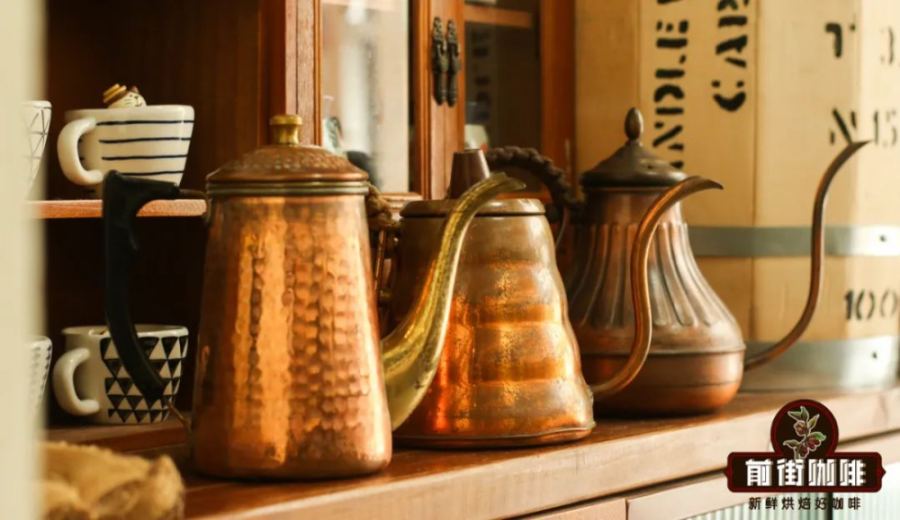
Introduction:Many beginner coffee enthusiasts often notice a difference in flavor when brewing at home compared to what they taste in cafés. In fact, the issue might lie with the spout of your pour over kettle. Different spout designs can significantly affect water flow stability and control difficulty. This article delves into the differences between common spouts such as flat, gooseneck (eagle), and swan neck (elephant trunk), teaching you how to choose the right kettle based on your skill level and offering practical adjustment tips. Master the precise landing of each drop of water to improve extraction consistency.
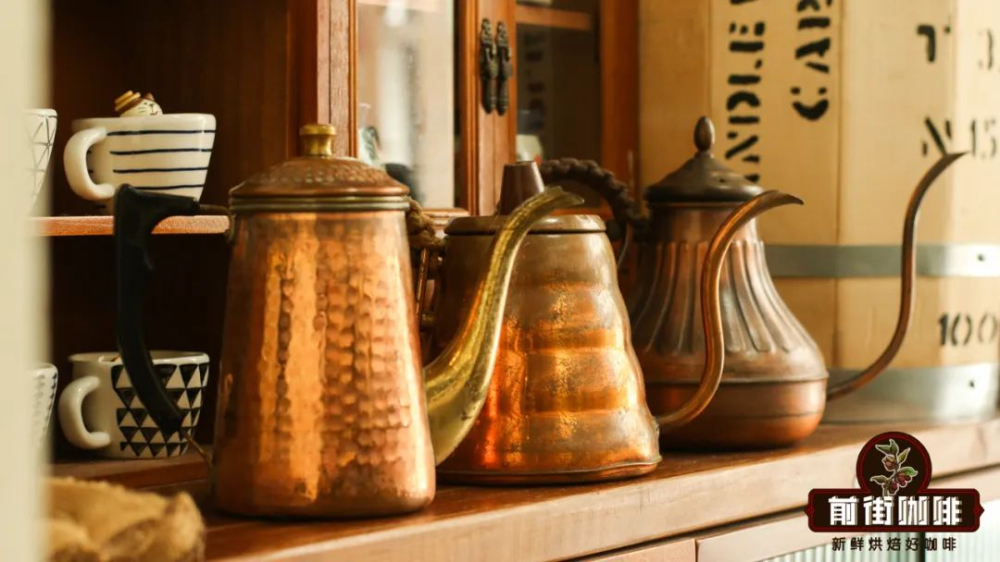
Many newcomers to pour over coffee often encounter a common frustration: even when using the same coffee beans, grind size, and parameters, they just can’t replicate the smooth, enjoyable flavors found in coffee shops. Upon closer inspection, the key difference often turns out to be the design of the pour over kettle’s spout. Even if the brewing process is identical, the shape of the water stream and the control of pouring from different spouts directly impact the uniformity of coffee extraction. This piece will give you a comprehensive understanding of the characteristics of various spouts to help you find the most suitable pour over tool for yourself.

The design of a pour over kettle’s spout is a core factor influencing water flow performance. For users who haven’t yet mastered the technique, the shape and diameter of the spout determine the stability and flexibility of pouring. The width, curvature, and water-guiding design of the spout all affect how focused the water stream is and how accurately it lands, so these details must be carefully considered when making a selection.
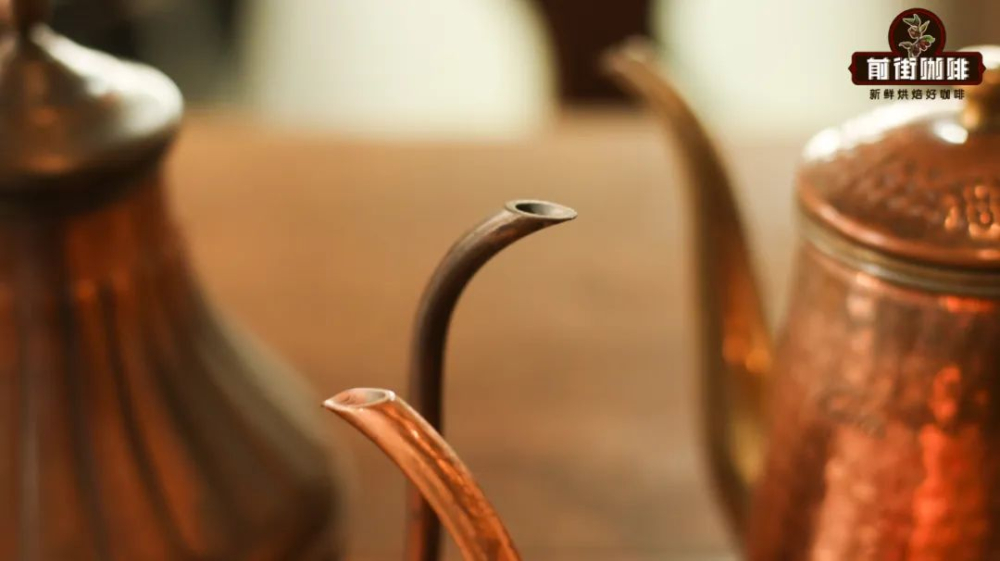
Common types of spouts available on the market include flat, trimmed-flat, gooseneck (eagle), crane-neck (crane), and swan neck (elephant trunk), each with unique water flow characteristics. Additionally, based on the diameter of the spout, they can be divided into two main categories: narrow-spout and wide-spout, suitable for coffee lovers at different stages. Understanding these differences can help you make a more suitable choice based on your own skill level.
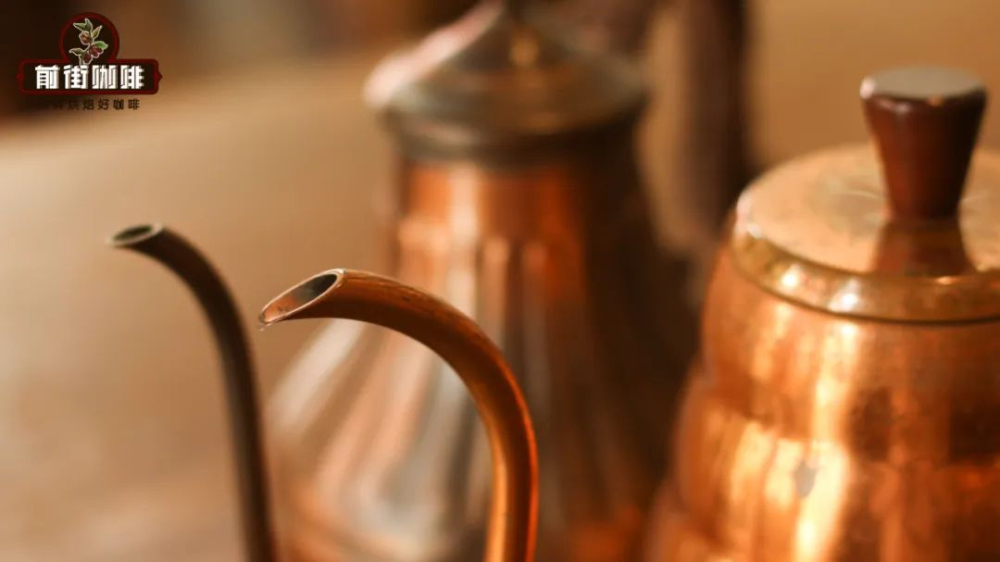
Narrow-spout kettles feature a slender spout design with a narrow water channel, which produces a focused and forceful thin stream of water. These spouts are relatively beginner-friendly—just a small amount of practice is needed to achieve stable water flow control, and major deviations are less likely. However, due to the limited diameter, they cannot provide high-volume pouring, and the concentrated stream tends to follow a parabolic trajectory, so accuracy in water placement needs attention. ⟦6

A wide-mouth kettle offers greater flexibility and control. The spacious spout allows users to adjust the water flow according to their needs, making it particularly suitable for advanced users who want to experiment with diverse pouring techniques. However, for beginners, the wide design requires more precise hand control, so it’s recommended to master the basics before taking on this challenge.

The gooseneck kettle is characterized by a distinct curved spout design that naturally guides the water into a nearly vertical pouring trajectory. Compared to other types, this design enables stable pouring at a smaller tilt angle and reduces the risk of backflow, making it ideal for brewers who prioritize precision.
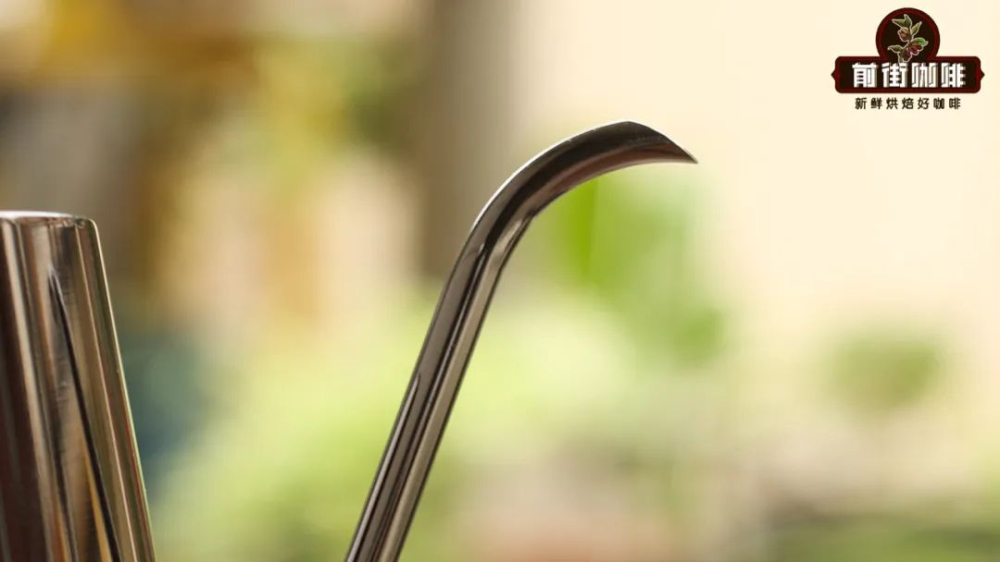
The flat-spout kettle has an even, horizontal opening without any guiding curve, which makes it more challenging to operate and prone to producing unstable, parabolic water flows. However, if you can overcome these challenges, mastering the flat-spout kettle will significantly enhance your adaptability to various spout types and lay a solid foundation for tackling more complex equipment in the future.
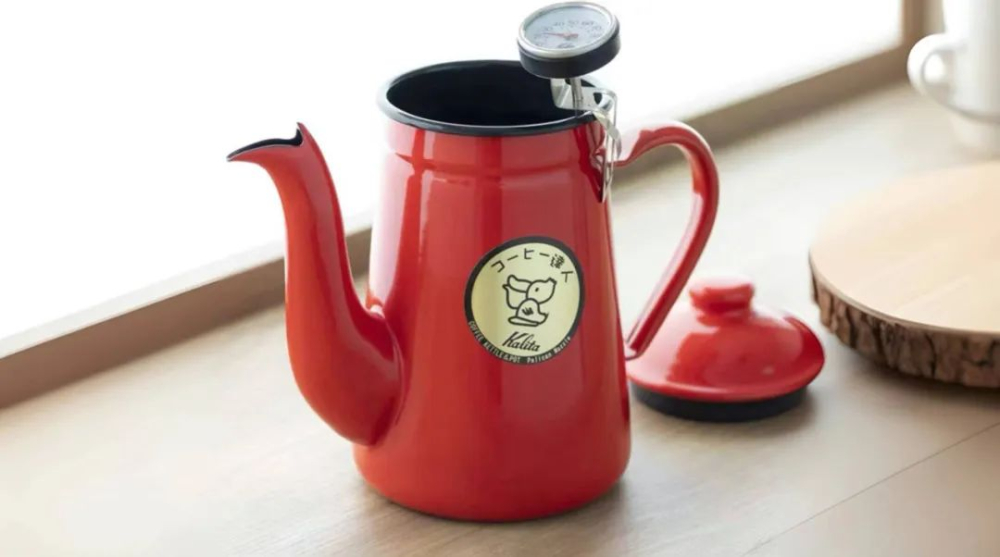
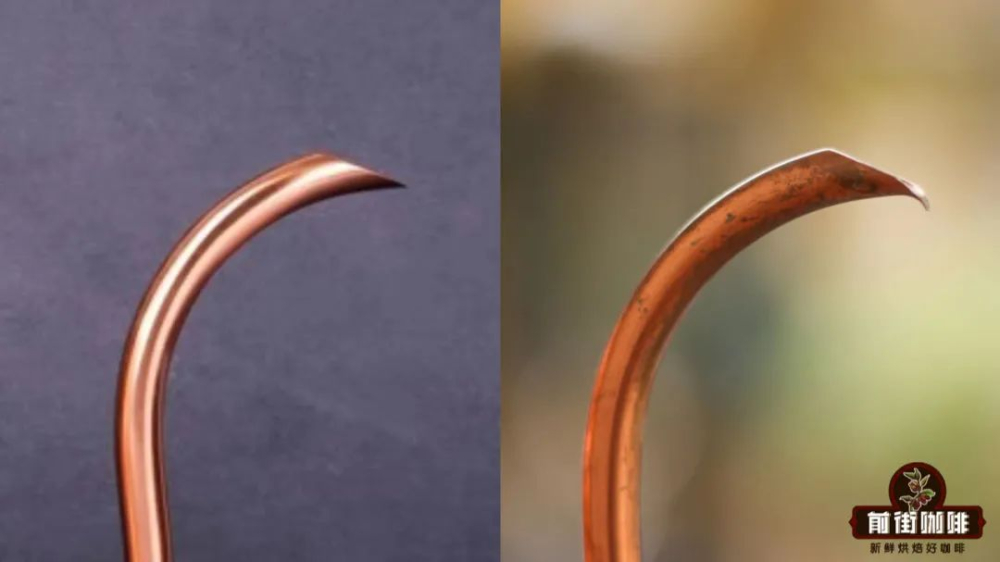
The slightly flattened spout kettle, when viewed from the side, features a mildly angled, even cut that is easier to form a vertical water column compared to a completely flat spout. This type of spout balances the control needs for different water flow volumes, with moderate difficulty in operation. It has become a relatively common choice in the market in recent years, suitable for users who want to strike a balance between stability and flexibility.
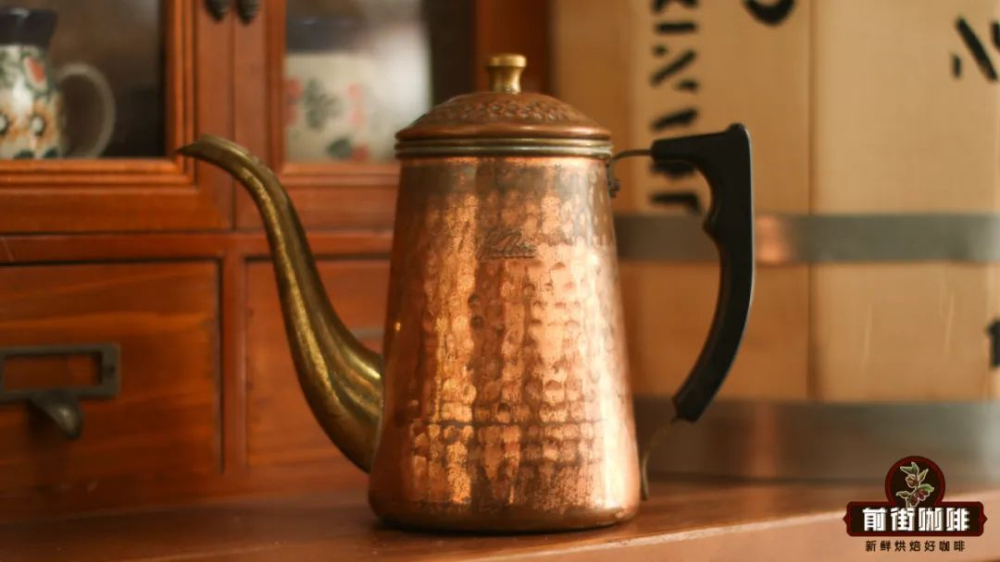
The crane-neck kettle gets its name from its spout shape, which resembles a crane’s beak. Its neck, tapering from thick to thin, helps concentrate the water flow and enhances penetration. However, this type of spout requires considerable practice to control steadily and is recommended for users with some foundational experience. The elephant trunk spout kettle, on the other hand, features a streamlined triangular tapering neck that gradually narrows from thick to thin, delivering a relatively gentle water flow—ideal for those who prefer a delicate pouring style.
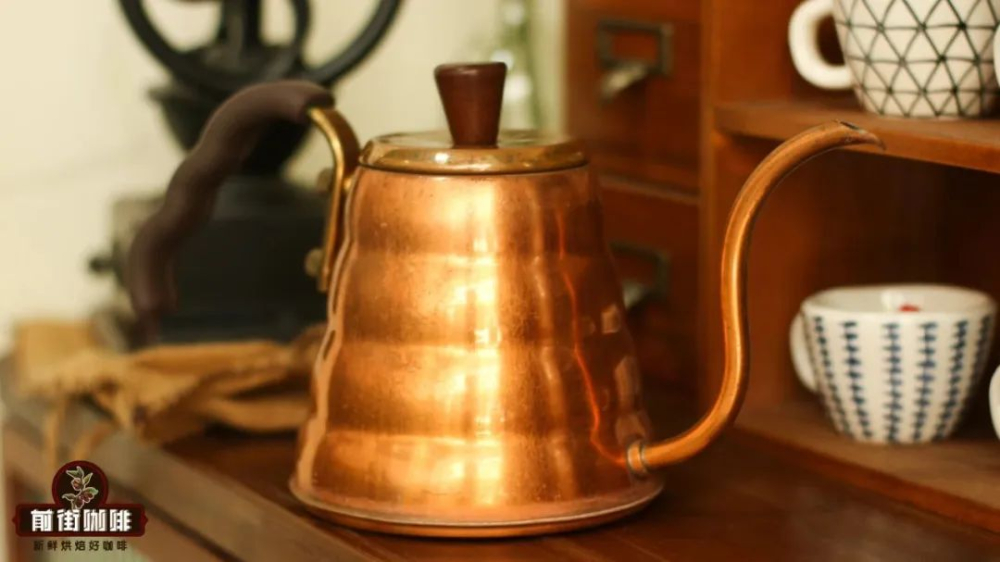
If you’ve already purchased a pour-over kettle but find it difficult to control, besides continuing to practice and improve your technique, you might also consider making moderate modifications. For example, carefully grinding a regular slightly flattened spout kettle to create a downward-curving arc similar to a gooseneck can effectively improve water flow stability. However, this method requires cautious handling and is only recommended for users with some DIY ability to avoid compromising the kettle’s overall functionality due to modification errors.
The above content is compiled by CoffeeHunters, a coffee news website.


