







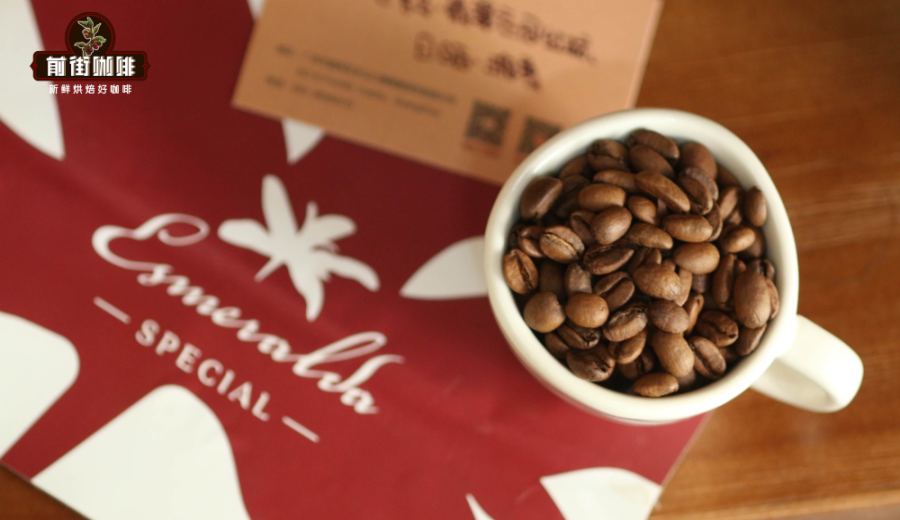
Introduction:From equipment selection to brewing techniques, this article systematically introduces the fundamentals of pour over coffee, covering classic coffee bean recommendations for beginners, essential tool purchasing tips, and how key parameters such as water temperature and brew ratio affect flavor. Through a three-stage extraction demonstration, it guides you to master stable brewing that brings out richly layered flavors, while addressing common beginner mistakes.
A morning cup of pour over coffee not only awakens the senses but also serves as a ritual for embracing an elegant lifestyle. Compared to machine brewing, manually controlling water flow and temperature better highlights the unique character of each coffee bean, and the process of adjusting parameters based on personal preference makes the tasting experience even more enjoyable.
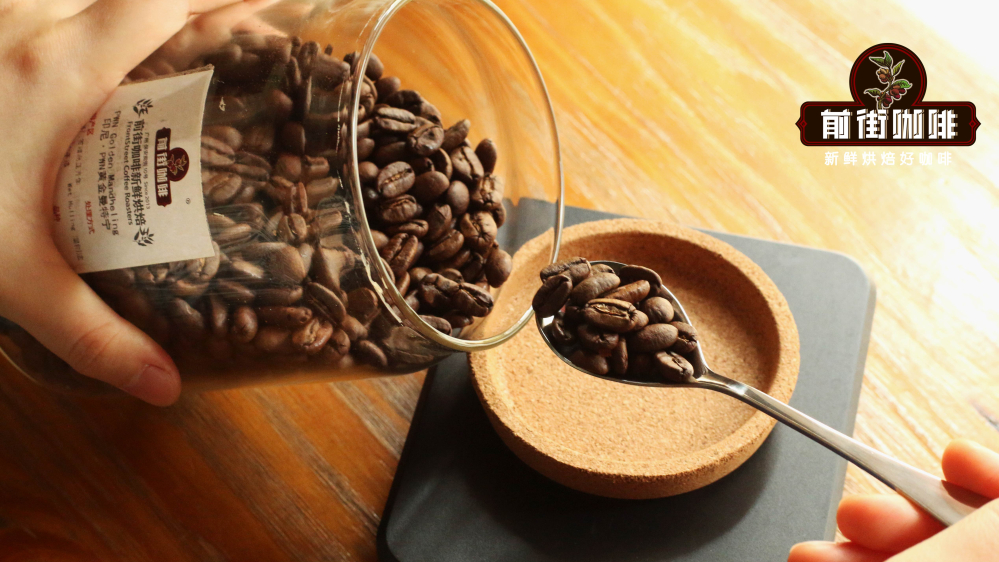
Beginners often struggle with bean variety selection, but in fact, simply understanding flavor preferences can make matching easy:Prefer floral and fruity notes?Try Panama’s Emerald Estate Red Label Geisha, whose tropical fruit profile is hailed as a benchmark for specialty beans;Seeking bright acidity?Yunnan Huakui is recommended, featuring an black tea base with berry aromas;Need balanced flavor?Brazilian Red Bourbon is the top choice, with stable nutty and chocolatey notes that rarely disappoint;Fond of bold body?Then go for Golden Mandheling, where low defect rates from hand-sorting deliver a full body and long-lasting aftertaste.
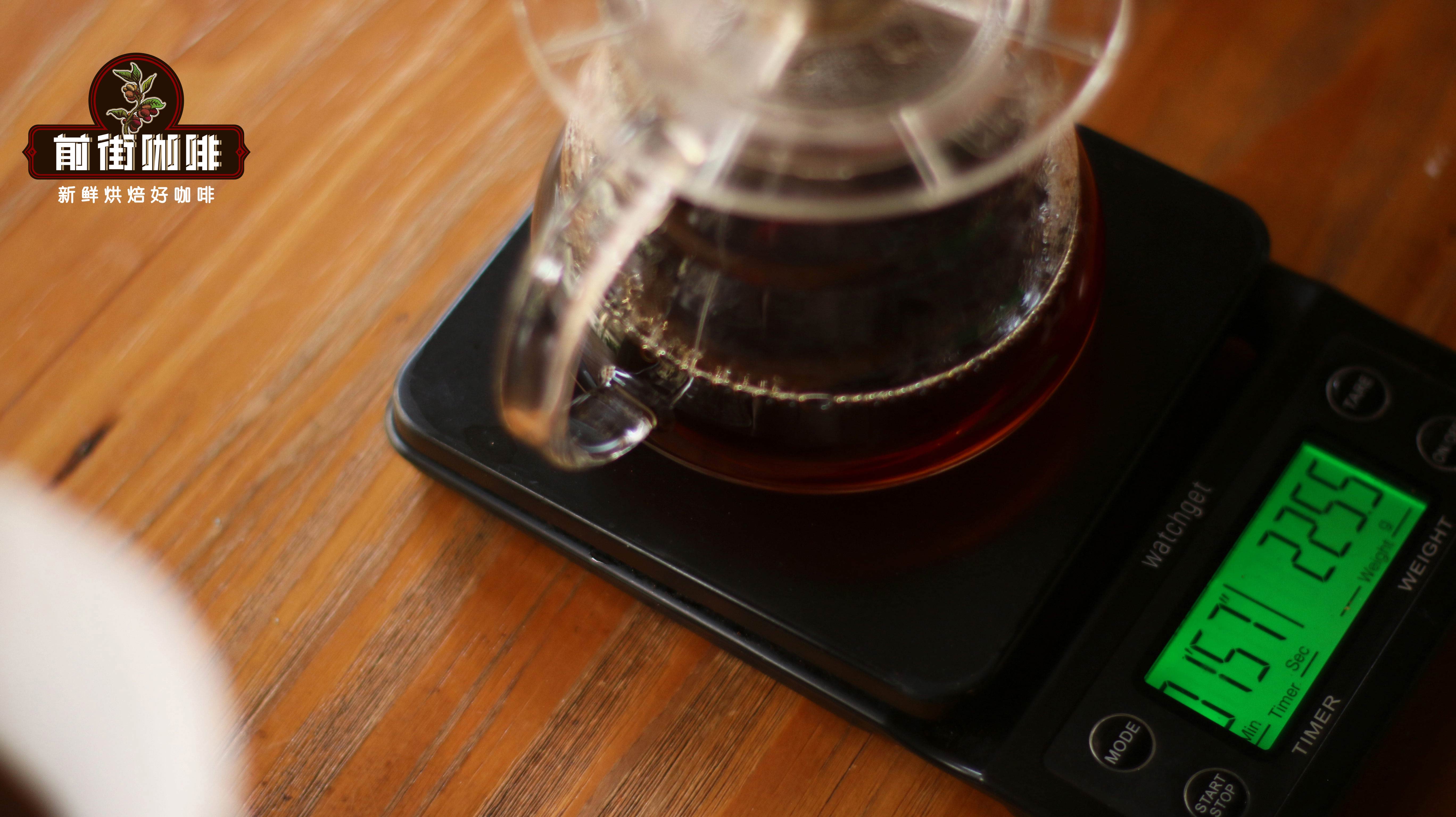
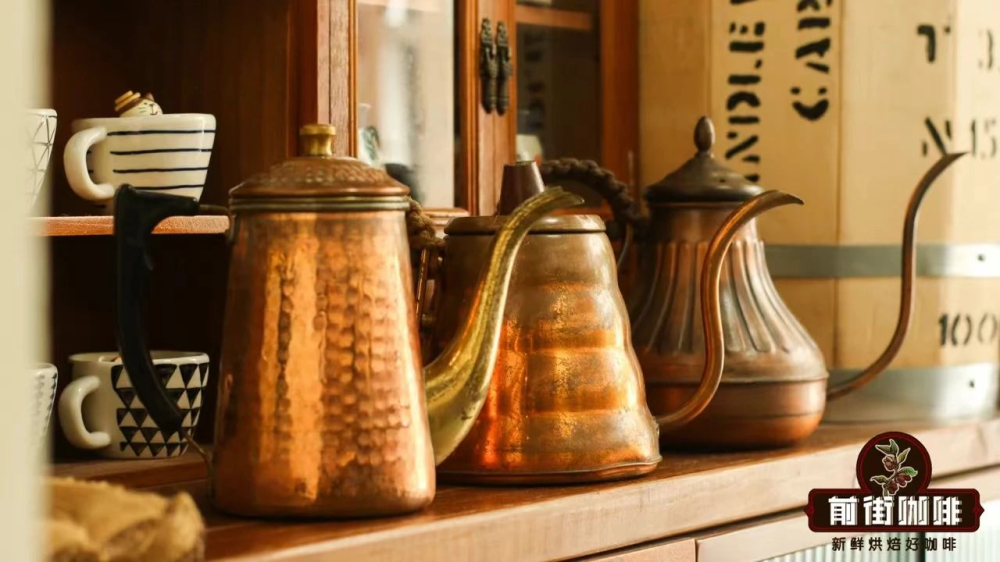
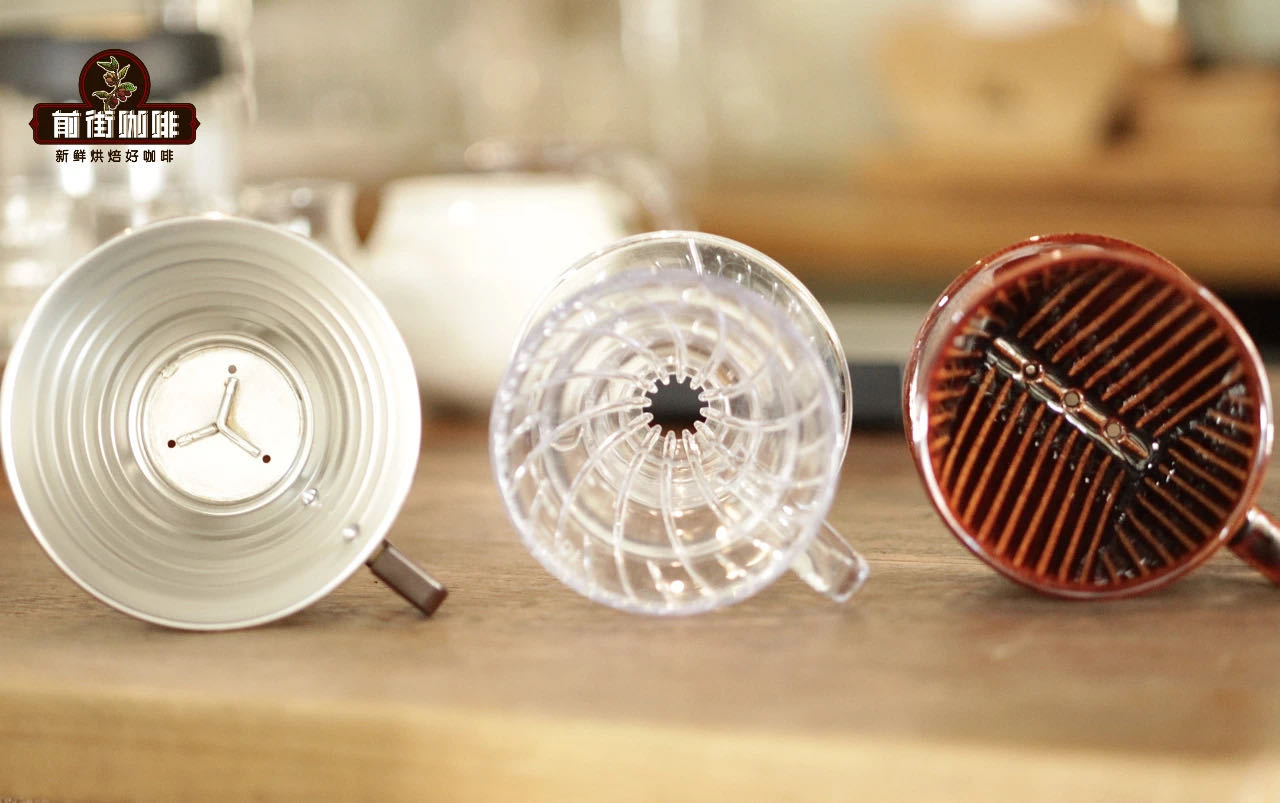
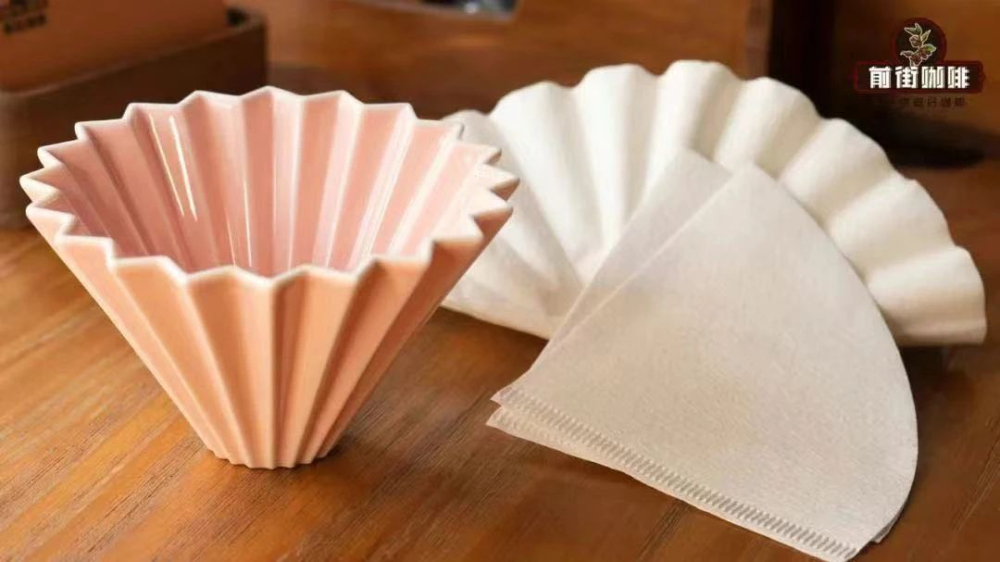
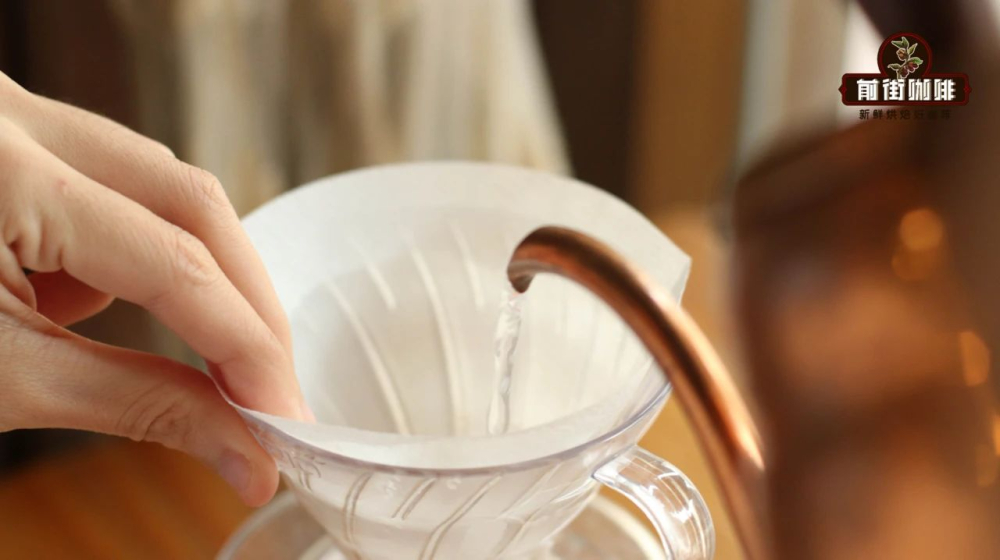
For basic tool setup, start with a simple starter kit:GrinderPrioritize a conical burr model to ensure grind consistency; flat burr grinders require attention to grind size adjustment;ScaleAccuracy to 0.1 gram is essential for precisely controlling the golden brew ratio of 1:15 to 1:16;Pour over kettleA slender spout allows precise flow control; pairing it with a thermometer helps maintain the ideal extraction range of 90–94°C;Filter coneMainstream options like V60 and fan-shaped cones each have their traits—the former’s fast flow suits light roasts, while the latter offers more stable extraction;Filter paperOpt for natural wood pulp material; rinse with hot water before use to eliminate paper taste and preheat your equipment.
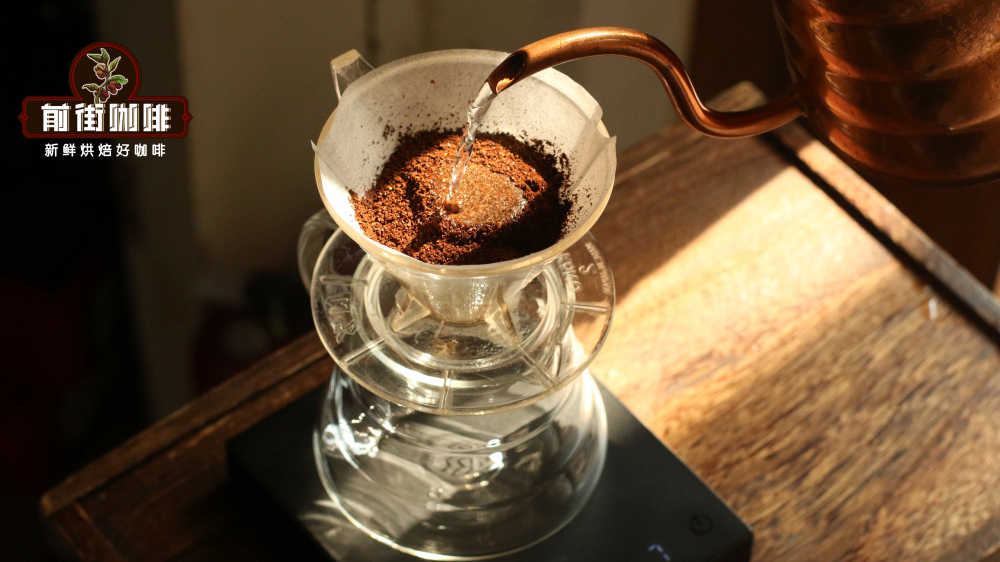
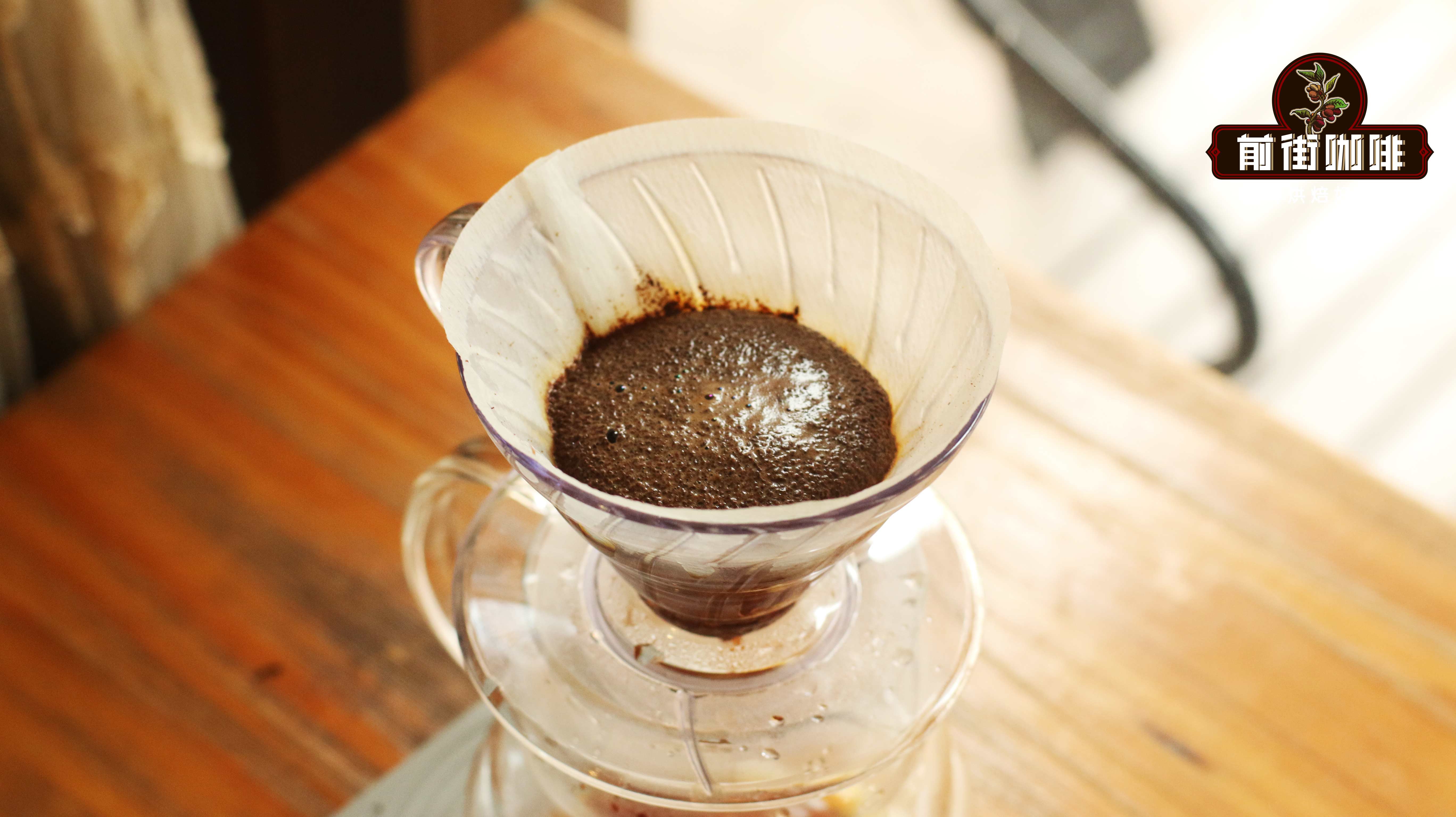
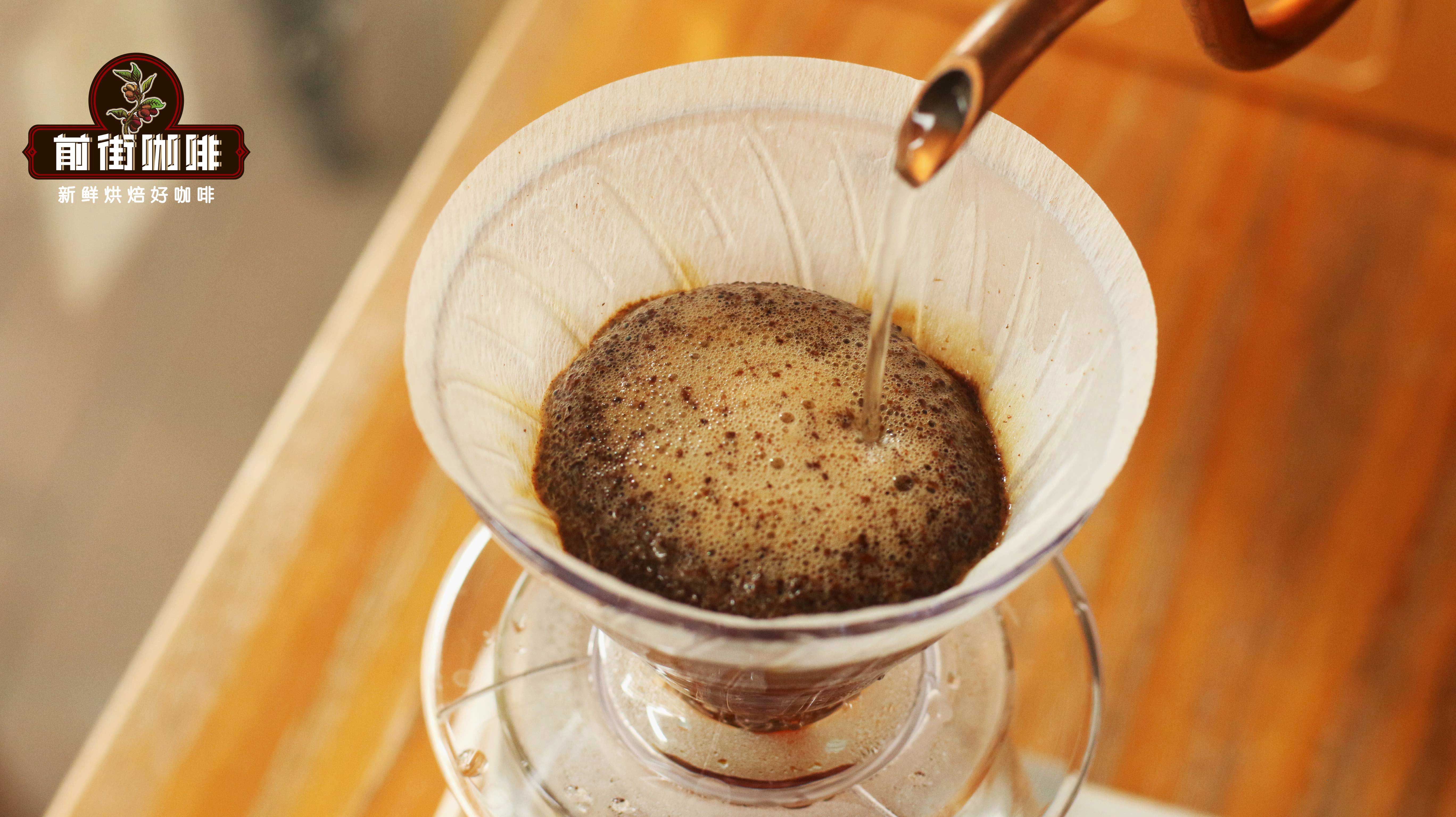
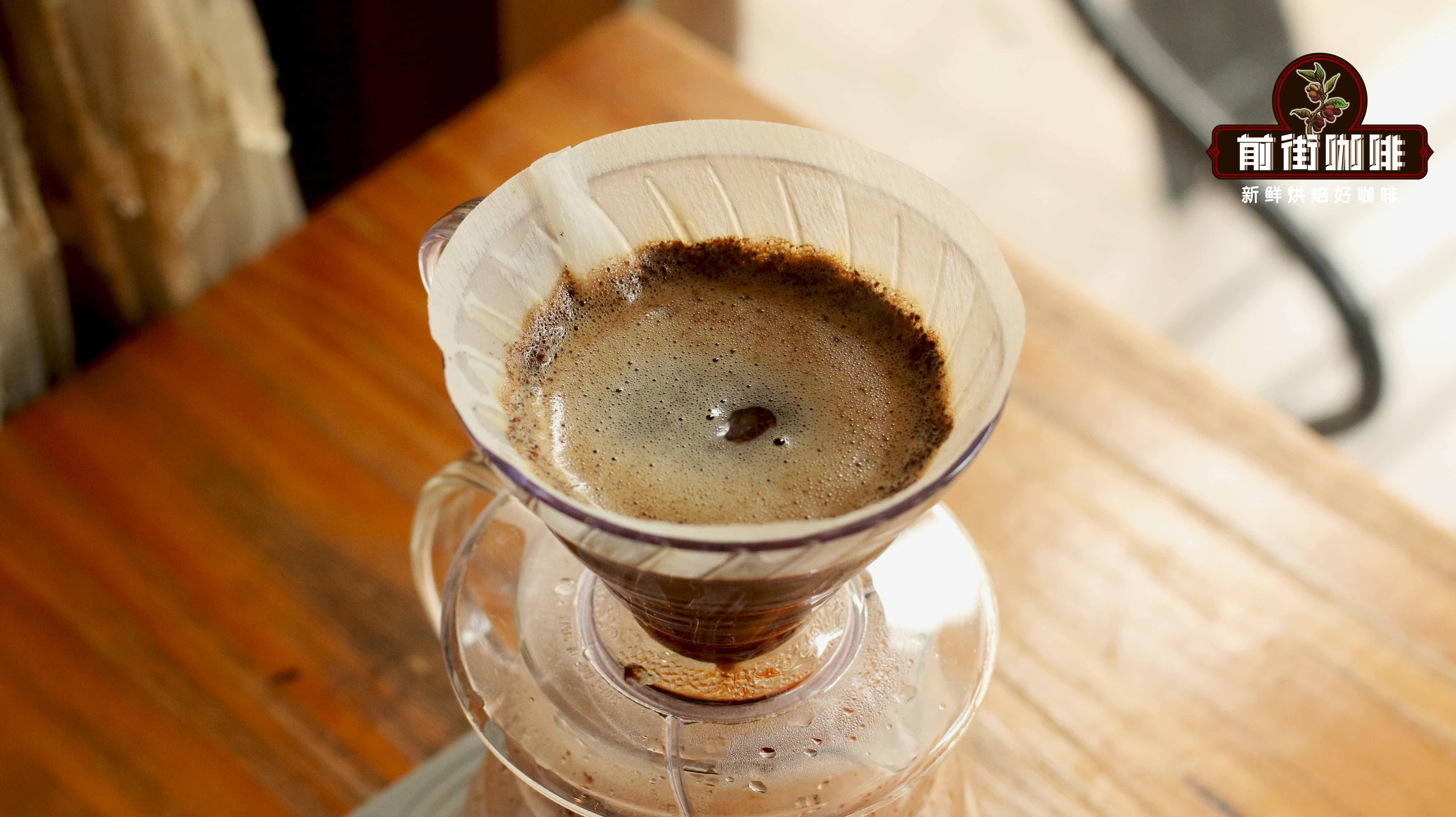
The standard brewing process is divided into three main stages:Bloom phasePour 30 grams of hot water and let it bloom for 30 seconds to activate the coffee grounds;Development phaseAt a medium flow rate, pour water up to the 150-gram mark (totaling 120 grams), maintaining a liquid level for about 55 seconds;Drawdown phaseSwitch to a small stream for the remaining 90 grams of water, being careful to keep the coffee bed intact to avoid over-extraction. The entire process takes about 2 minutes and 10 seconds for a total of 240 grams, and finally swirl the server to ensure even flavor distribution.
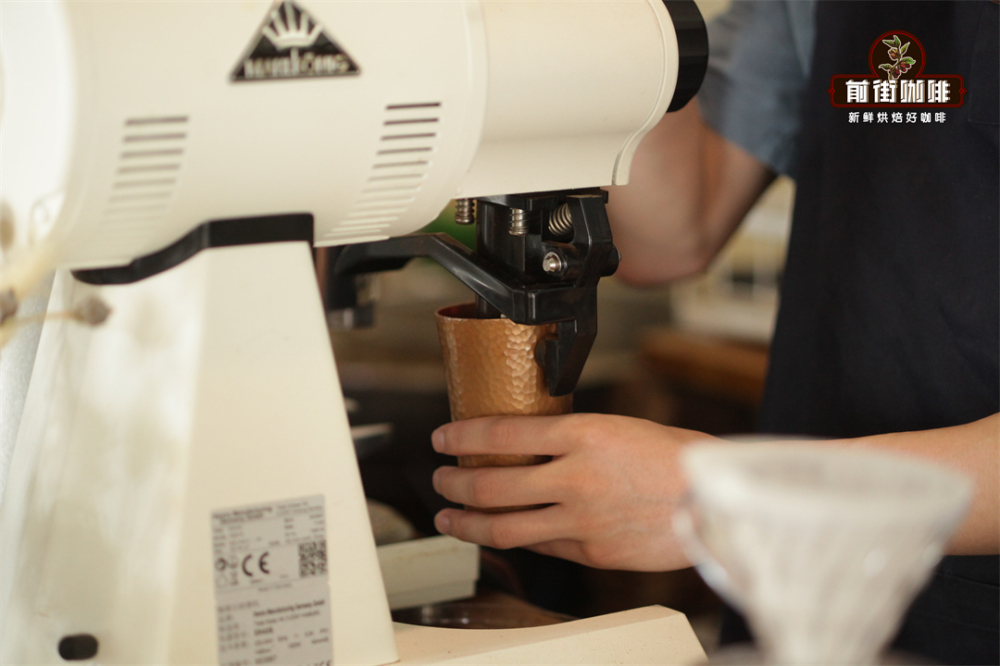
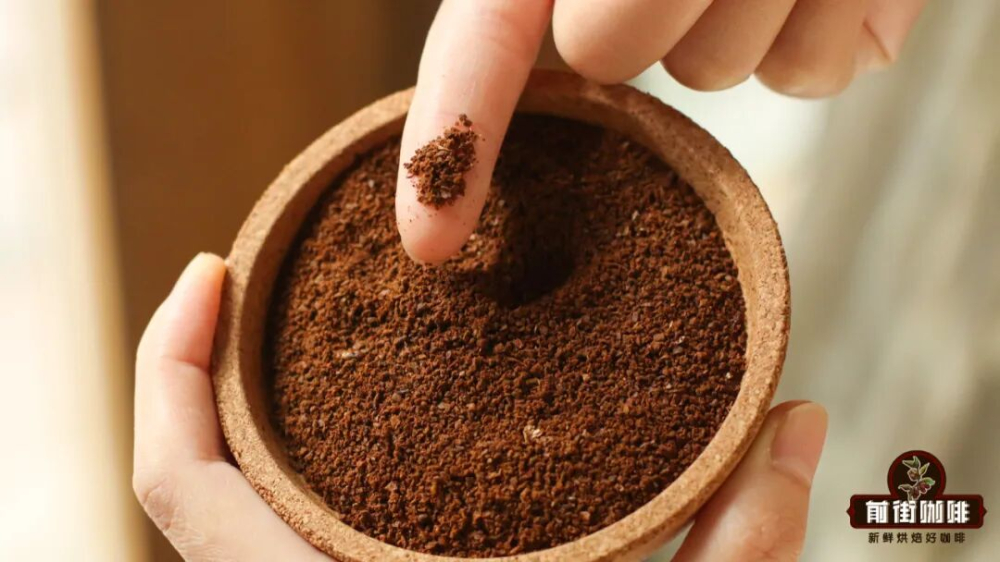
Fine-tuning parameters directly impacts the final flavor:Higher water temperature(94°C or above) enhances acidity and aroma but may expose flaws,Lower water temperature(below 90°C) emphasizes sweetness but can taste dull;A brew ratio of 1:15suits those seeking a richer cup,1:16while higher ratios yield a cleaner, more refreshing profile;Grind sizeshould resemble fine sugar granules (80% through a #20 sieve)—too fine causes channeling, too coarse leads to under-extraction.
Common mistakes include: failing to fully wet the filter paper, causing paper taste residue; pouring directly onto the center of the coffee bed, disrupting even extraction; insufficient blooming time affecting aroma release. We recommend recording each brew’s parameters and flavor notes to gradually build a personalized preference database.
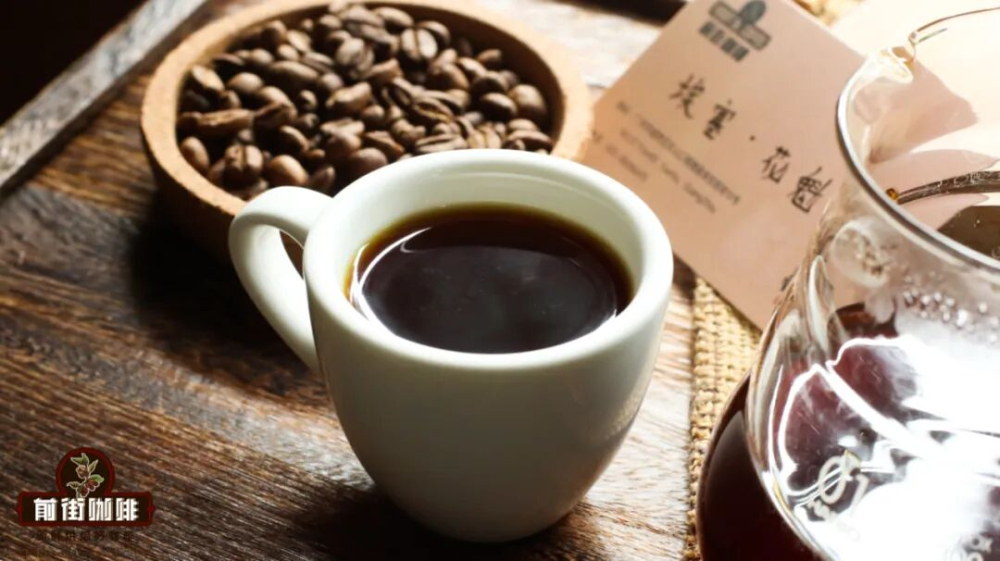
High-quality pour over coffee should present clear flavor layers: upon entry, citrus-like acidity is first noticed, followed by caramel sweetness in the mid-palate, with a finish of black tea or nutty aftertaste. As the temperature drops, the balance of acid and sweetness gradually shifts—a key indicator of freshness and roast level. Remember, consistent technique matters more than blindly chasing perfect numbers.

The above content is compiled by CoffeeHunters, a coffee news website.


