







Introduction:Struggling to make café-quality mocha coffee at home? This article dives deep into the key differences between mocha and latte, revealing the secrets to achieving the perfect balance of chocolate and coffee. From base preparation to temperature control, we break down the distinct methods for both hot and iced mochas, and solve the problem of overly sweet store-bought chocolate sauces by offering expert-level proportion adjustments—so even beginners can easily recreate a richly layered classic mocha.
In recent years, more and more coffee enthusiasts have tried making mocha coffee at home, but often encounter issues like insufficient chocolate flavor or unbalanced sweetness. This classic beverage that blends coffee with chocolate is actually quite different from the common Italian milk coffee, the latte. This article will fully analyze the essence of making mocha coffee and provide practical solutions to overcome the shortcomings of chocolate sauce.
The Modern Definition of Mocha CoffeeRefers to an Italian-style milk coffee with added chocolate, inspired by the unique chocolate notes of coffee beans exported from Yemen’s Mocha Port. For ease of preparation, most recipes use chocolate sauce, but commercial products often suffer from flavor imbalance due to excessive sugar. The key lies in understanding the inherent bitterness of chocolate itself and how to achieve the ideal balance through ingredient combinations.
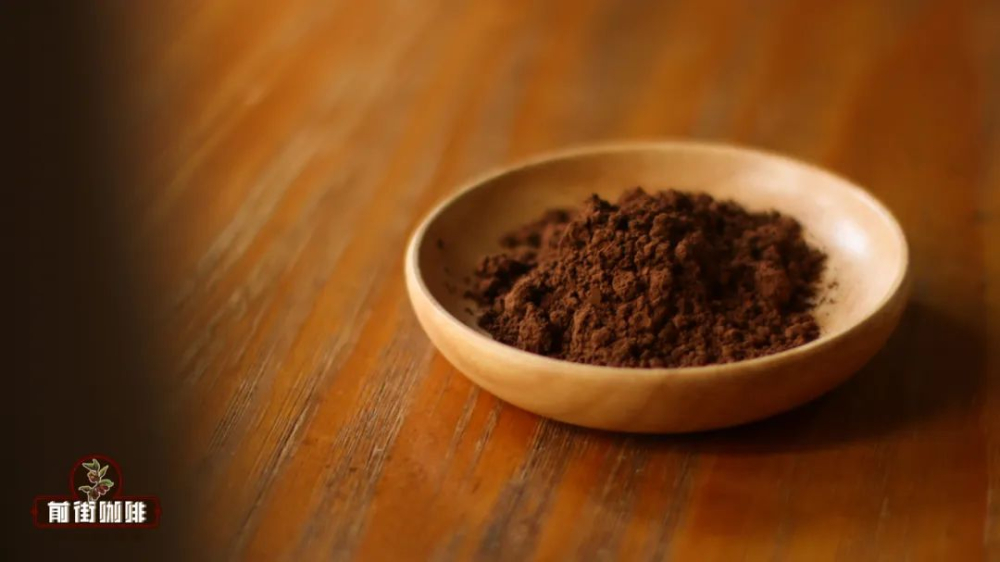
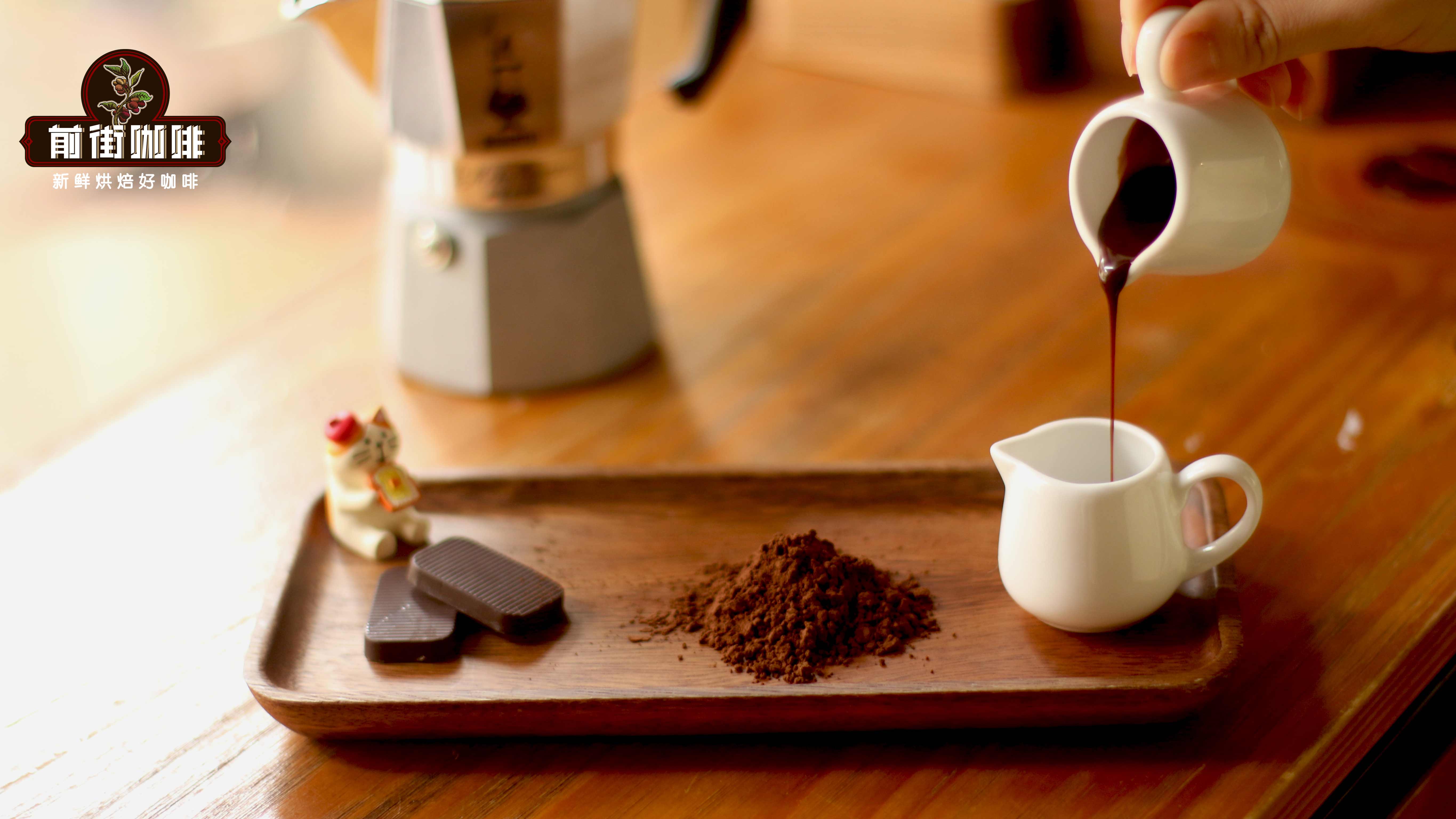
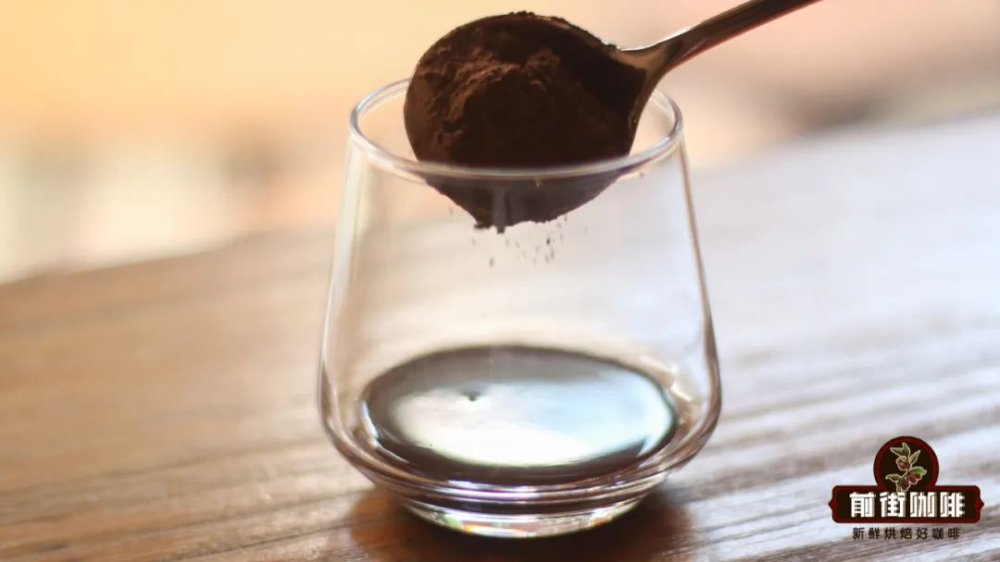
The core of making high-quality mocha lies indual chocolate enhancement: in addition to the base chocolate sauce, it’s recommended to add unsweetened cocoa powder (as shown in figure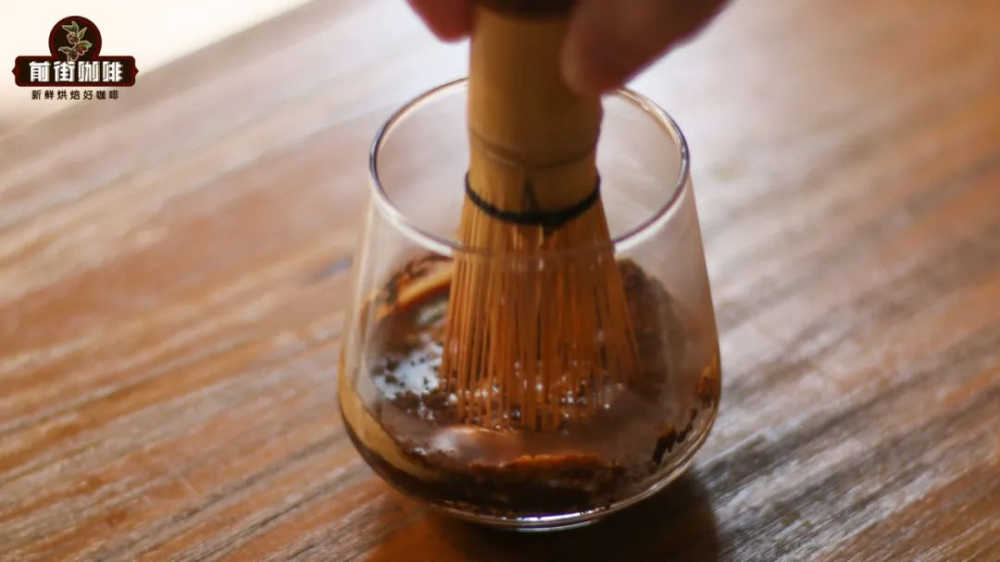 ). Valrhona cocoa powder can significantly boost flavor intensity without adding sweetness or greasiness. It’s suggested to mix it with Da Vinci chocolate sauce in a 1:3 ratio (5g cocoa powder to 15ml sauce). This combination, tested in practice, achieves the best bitter-sweet balance and enhances the drink’s rich texture.
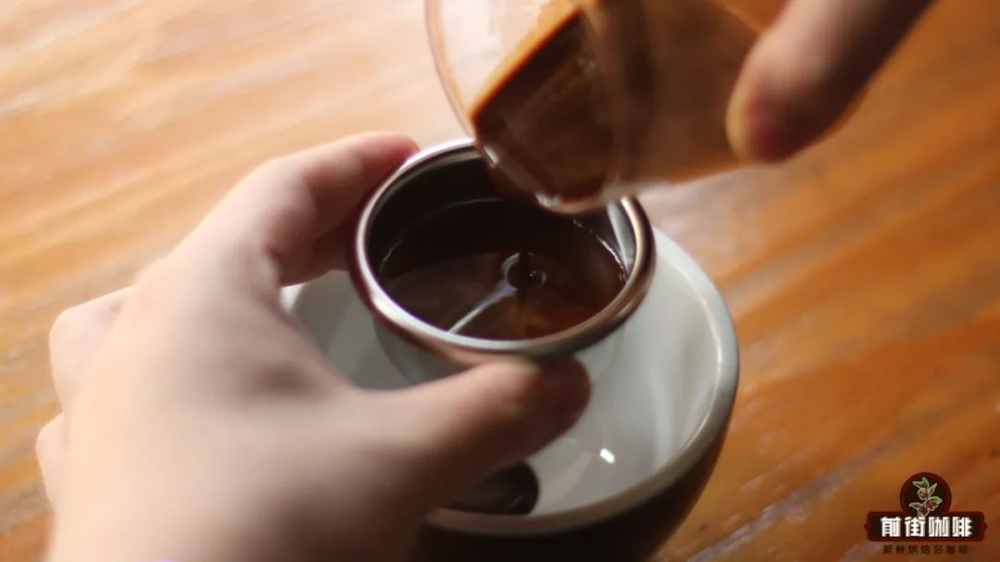
 Hot mocha is made in five key steps: first, prepare the chocolate espresso base by mixing 15ml of chocolate sauce with 5g of unsweetened cocoa powder, then pour in a shot of espresso (recommended dosage: 19.8g coffee grounds, extracting 38ml).Temperature control is crucial—use the residual heat of the espresso to help blend the ingredients. After completion, be sure to filter out undissolved particles through a sieve to ensure a smooth texture.
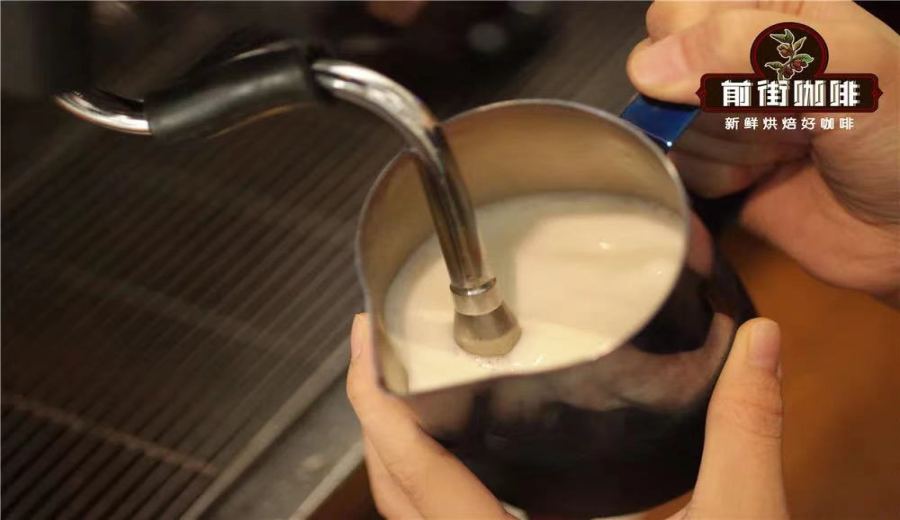
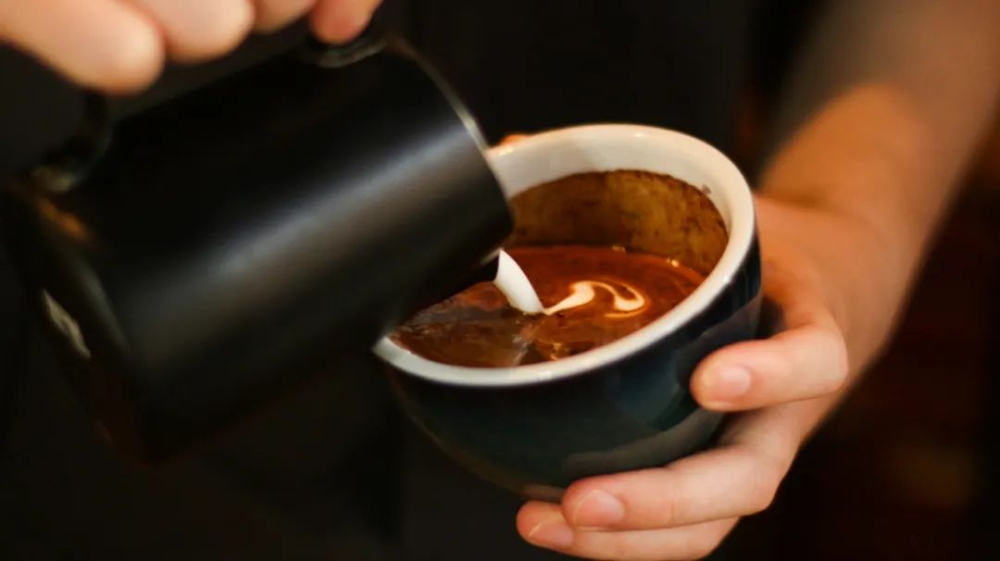
Milk frothing should reach a temperature range of 60-68°C (as shown in figure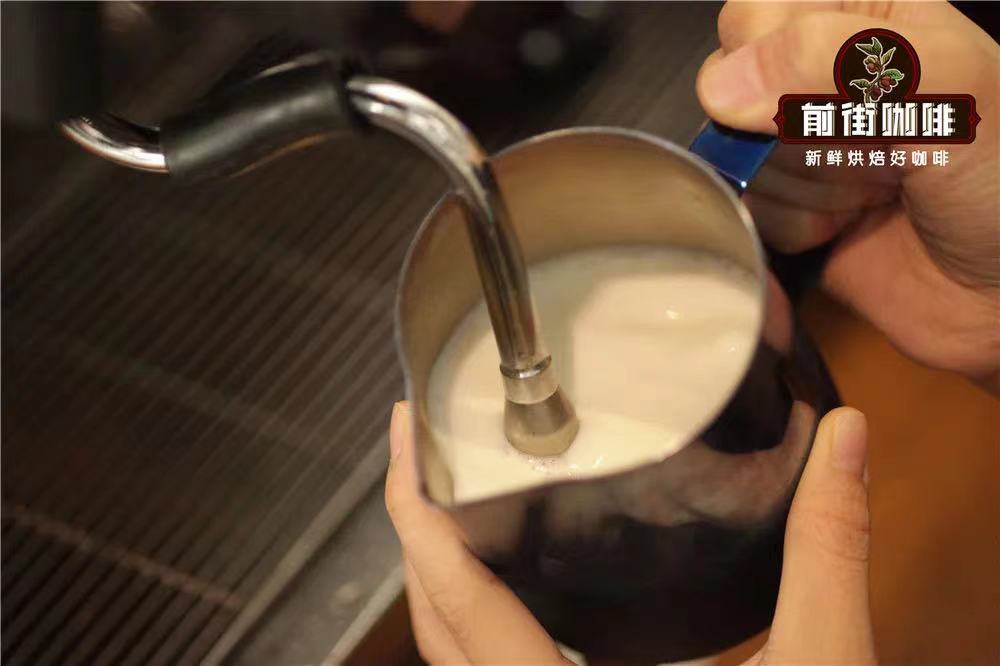 ). This temperature range effectively brings out the sweetness of lactose. The foam thickness should be kept thin, with a mixing ratio of 1:4 between the coffee base and milk (50ml base to 200ml milk).Latte art tip: due to the thicker base, initial fluidity is poorer, so more milk is needed to maintain pitcher stability.
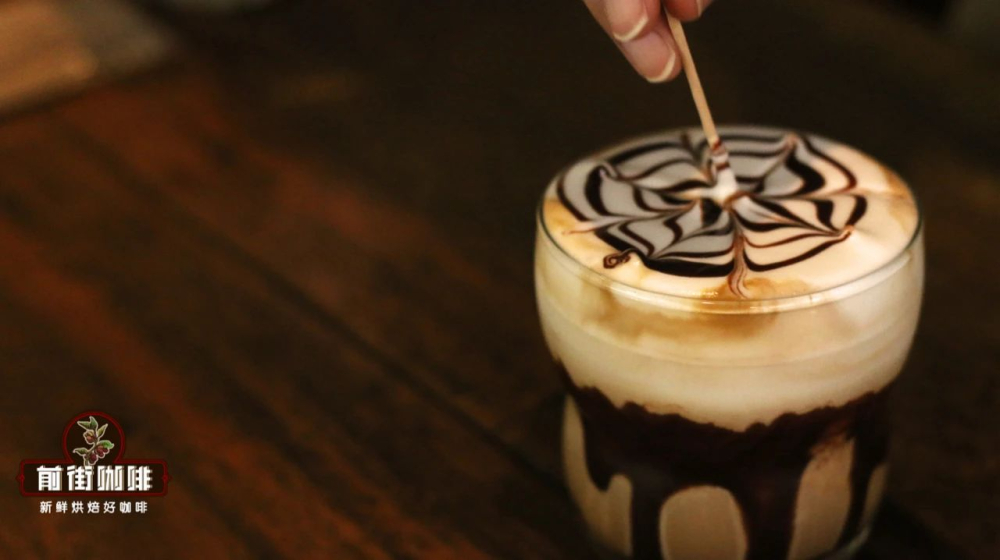
For iced mocha, the recipe needs special adjustments (as shown in figure
⟦17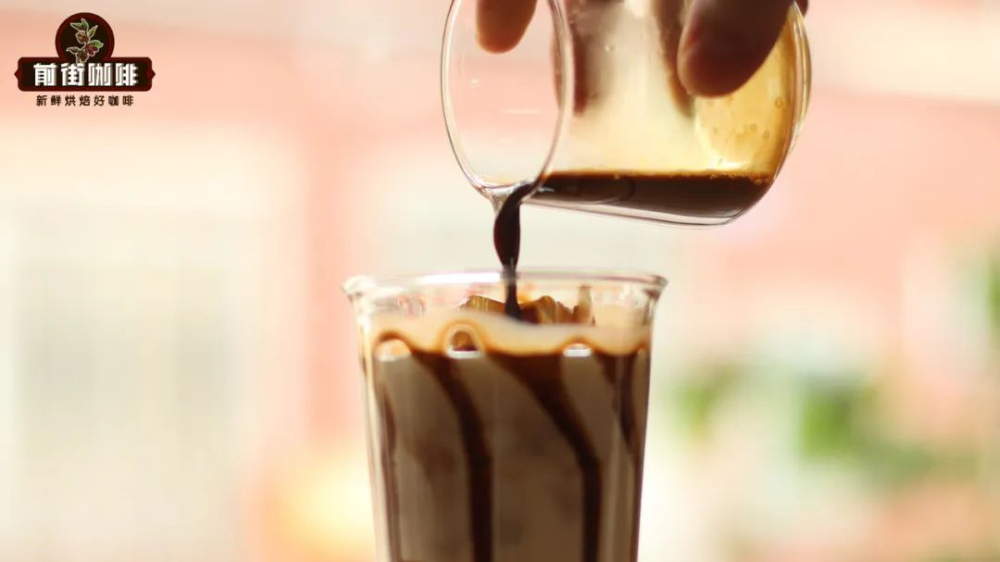 :Increasing the chocolate syrup to 20ml and the cocoa powder to 8g helps compensate for the dilution effect of the ice. It is recommended to use a base of 90g of ice, along with 160ml of milk, and finally pour the chocolate coffee liquid on top. Stirring well before drinking ensures a more balanced flavor, and for those seeking a layered experience, additional whipped cream can be added as decoration.

The above content is compiled by CoffeeHunters, a coffee news website.


