







Introduction:This article delves into the origins of pour over coffee, starting from the invention of the paper filter method by Frau Melitta in early 20th-century Germany, and introduces the evolution of modern filter cones. It focuses on analyzing the characteristics of Ethiopia Sidamo Natural Hua Kui coffee beans, and provides a professional three-stage brewing method, including key parameter settings such as water temperature and coffee-to-water ratio, as well as detailed operations for each phase—bloom, main extraction, and finish—to help coffee enthusiasts improve their brewing quality.
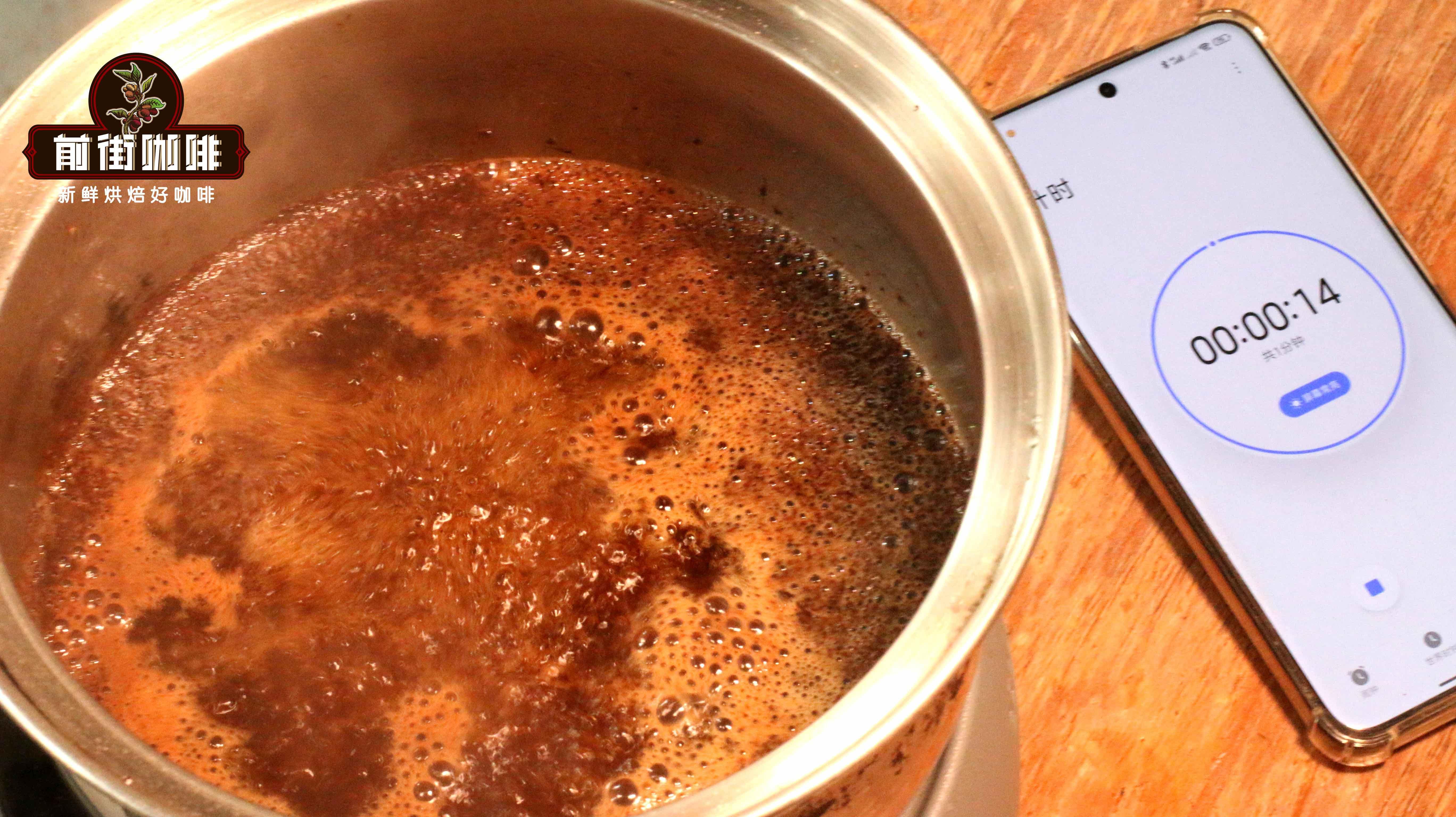
The prototype of pour over coffee can be traced back to early methods where people simply boiled ground coffee directly in hot water and then filtered it. Limited by the technology of the time, the linen or metal filters used had relatively large pores, making it difficult to completely filter out coffee grounds, resulting in a grainy mouthfeel. Although this brewing method was simple, it failed to showcase the delicate flavors that coffee should have.
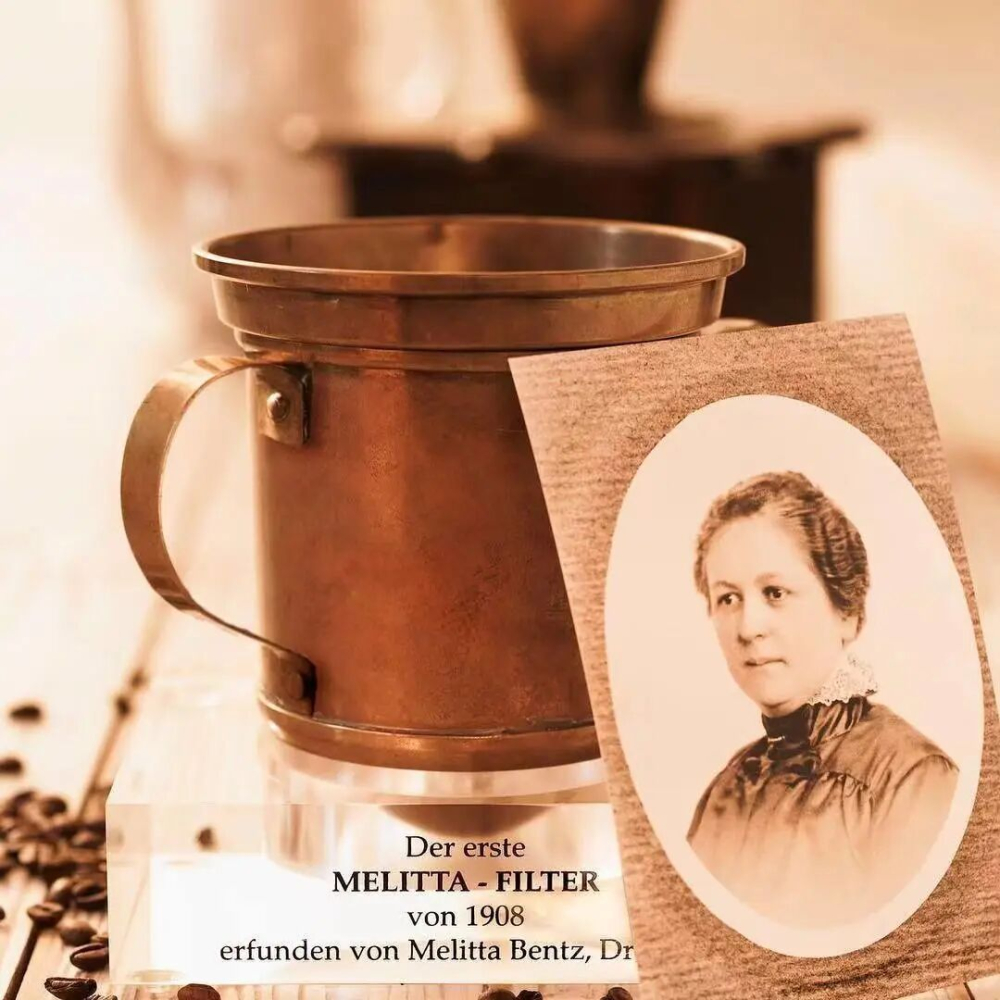
The turning point came in the early 20th century when German woman Melitta Bentz became dissatisfied with traditional coffee filtering methods. She found that using ordinary filters often left bitter coffee grounds in the mouth, affecting the experience. After repeated trials, Melitta innovatively used a copper container with holes drilled in the bottom, lined with blotting paper to filter the coffee grounds. This simple improvement not only effectively filtered out impurities but also fully preserved the aromatic compounds of the coffee.
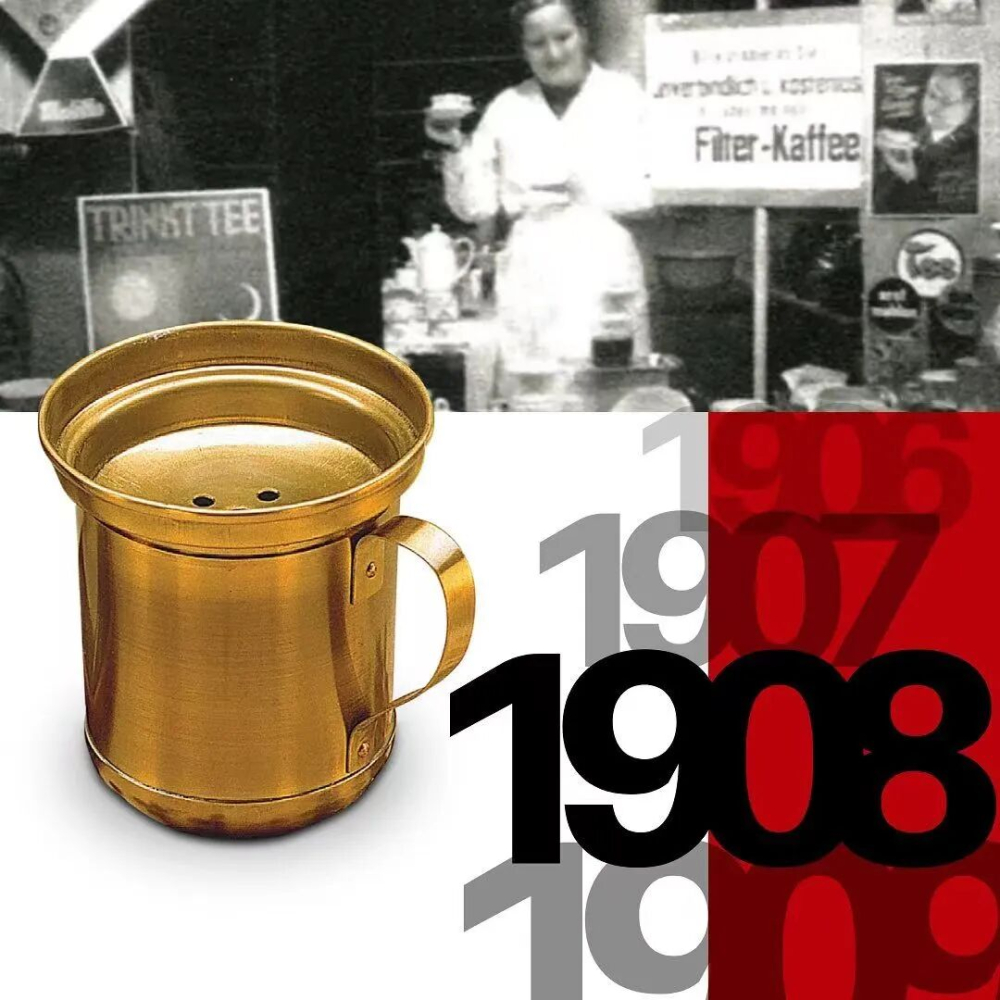
In 1908, Melitta patented this revolutionary invention, registering a copper filter with an arched bottom and single hole design. This invention is considered the starting point of modern drip coffee, and the same year she founded the Melitta company, which began mass-producing related equipment. Over time, the company continued to optimize filter cone designs, adjusting the distribution of hole sizes and groove structures, with the cone-shaped filter becoming a classic representative model.
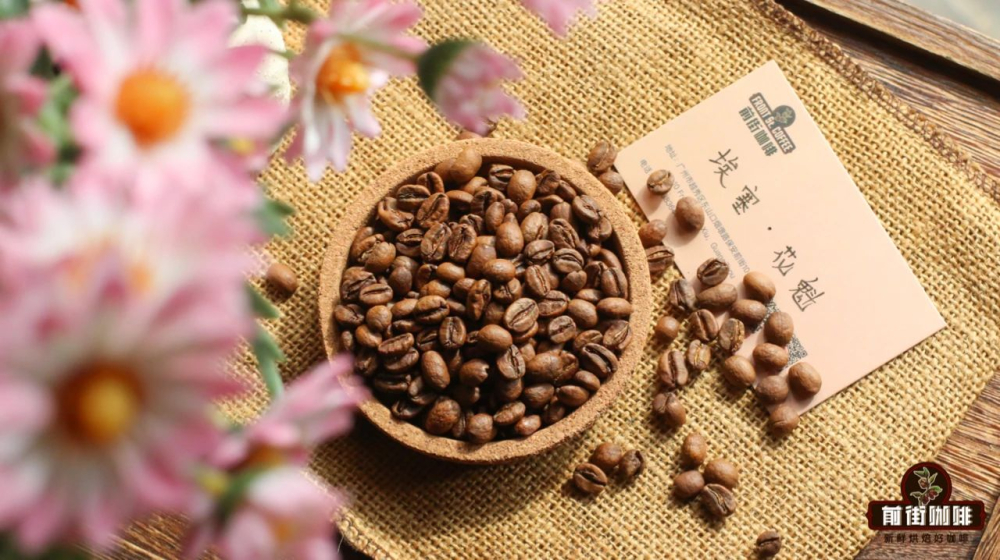
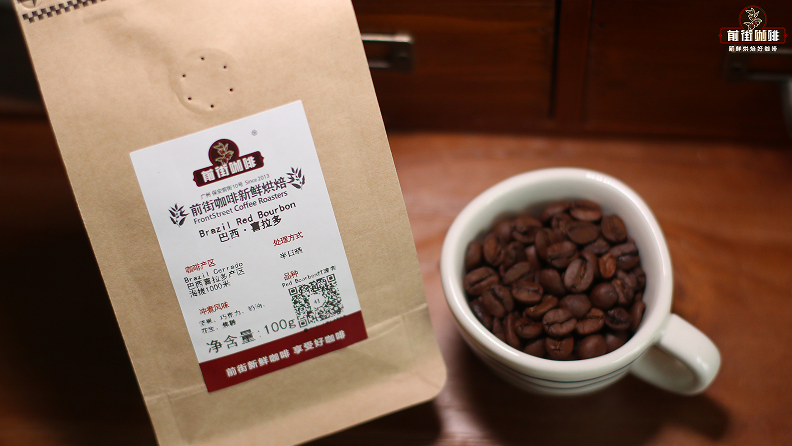
For beginners, choosing the right coffee beans is the first step to success. The Ethiopia Sidamo Natural Hua Kui coffee beans have distinctive characteristics—this variety, processed with the whole fruit using the natural method, exhibits a rich profile of ripe fruit tones after roasting, including complex aromas of strawberry, citrus, and caramel. For brewing, it is recommended to use a 1:15 coffee-to-water ratio, with a water temperature of 90–92°C for light roast beans, which better highlights its bright acidity and layers of sweetness.
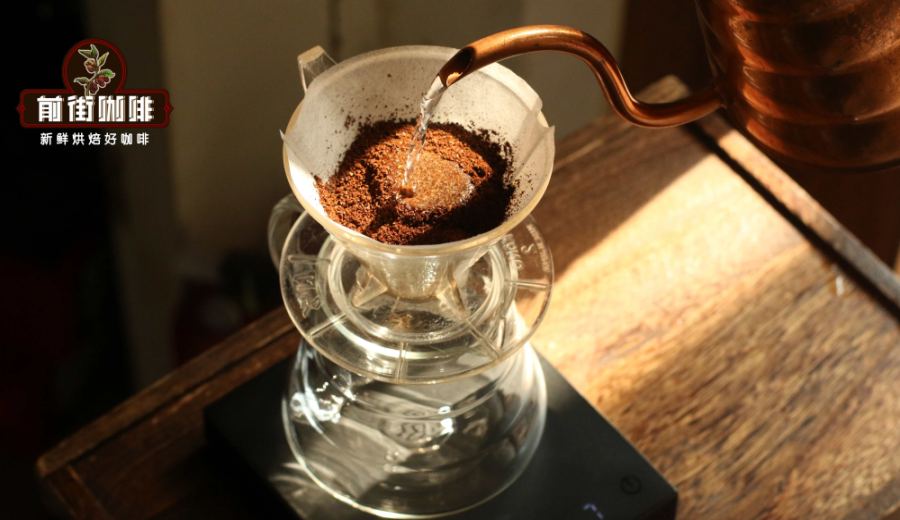
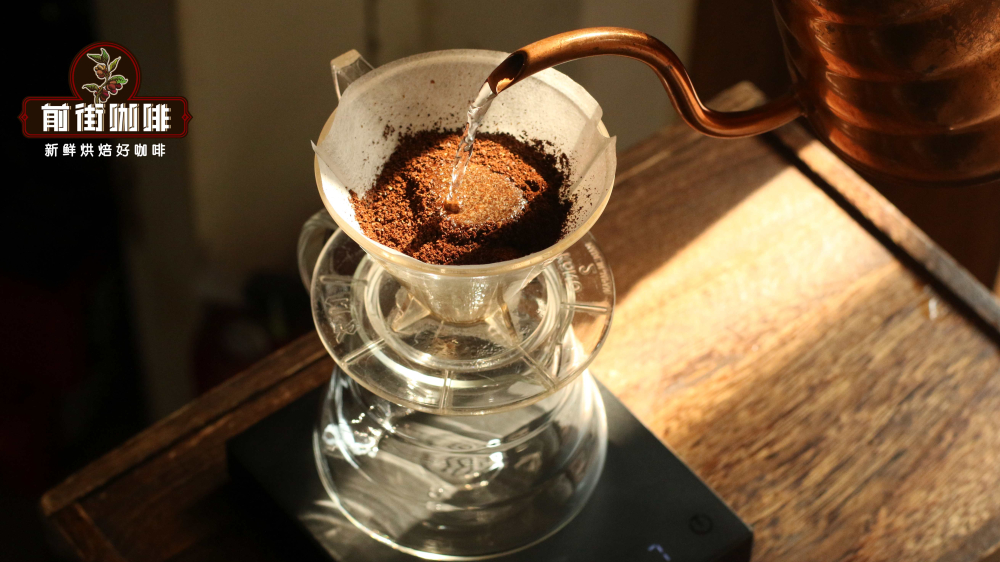
The professional pour over process can be divided into three key stages. The first is the 30-second bloom phase, where 30ml of hot water (twice the amount of coffee grounds) is poured in a circular motion from the center outward. Though this step seems simple, it is crucial—by releasing carbon dioxide from the coffee grounds, it creates optimal conditions for subsequent extraction. Observe the expansion of the coffee bed; even expansion indicates smooth degassing.
Entering the main extraction phase, slowly pour 120ml of hot water along a wide circle, maintaining an extraction time of around 55 seconds. It is recommended to use a small stream to keep the flow rate steady. At this stage, the coffee bed has already degassed sufficiently, and the hot water can effectively extract acidic and sweet compounds. Observe changes in flow rate; if it drops too quickly, it may indicate channeling, in which case the pouring technique should be adjusted.
The final 75ml of water for the finish is poured using a small circle in the center. This stage helps correct any under- or over-extraction that may have occurred in earlier phases. Control the water flow rate by adjusting the stream size to ensure even overall extraction. After completing the pour, let the coffee drip through for 30 seconds. During this time, gently shaking the server can help blend the extracted compounds from different phases.
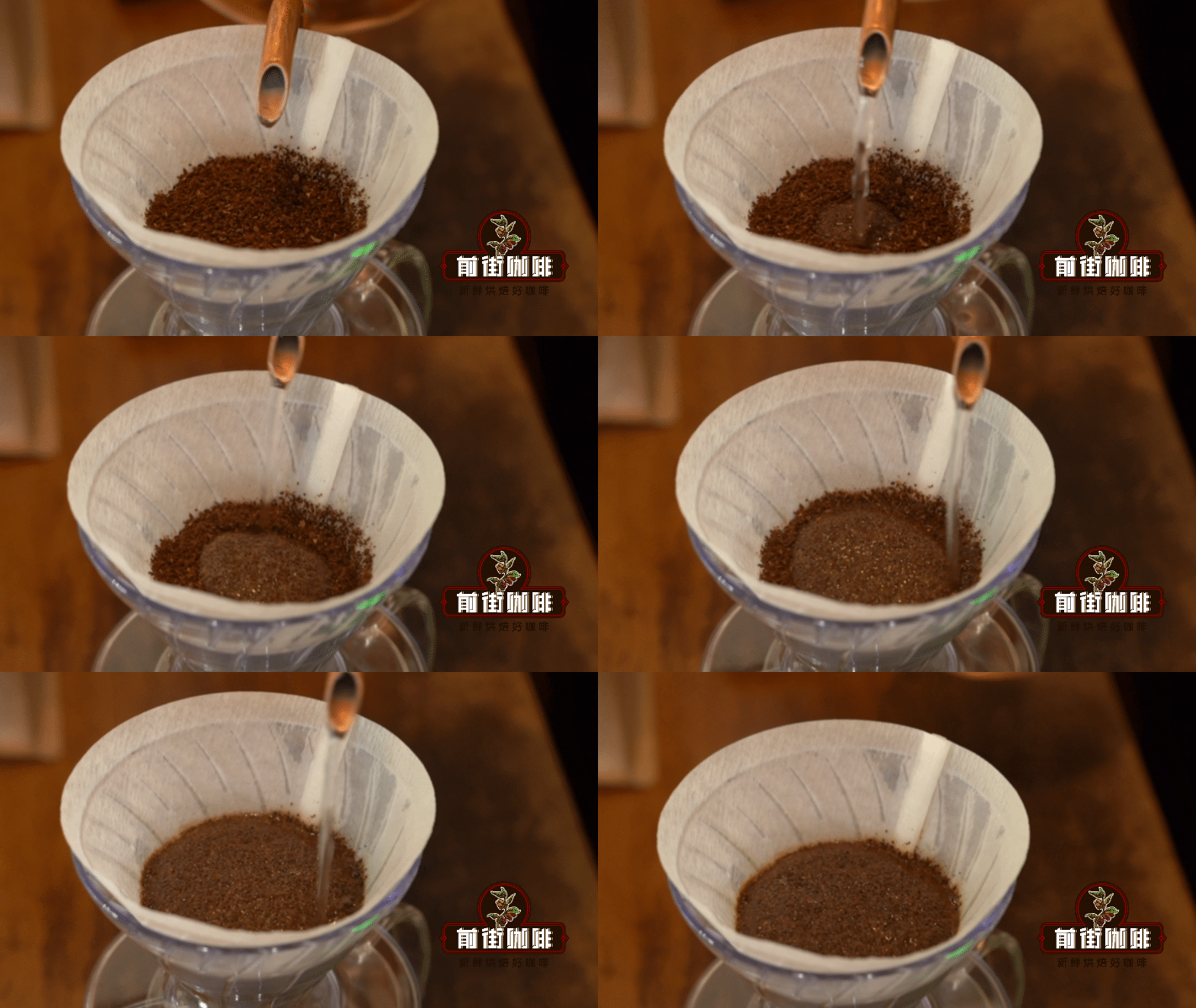
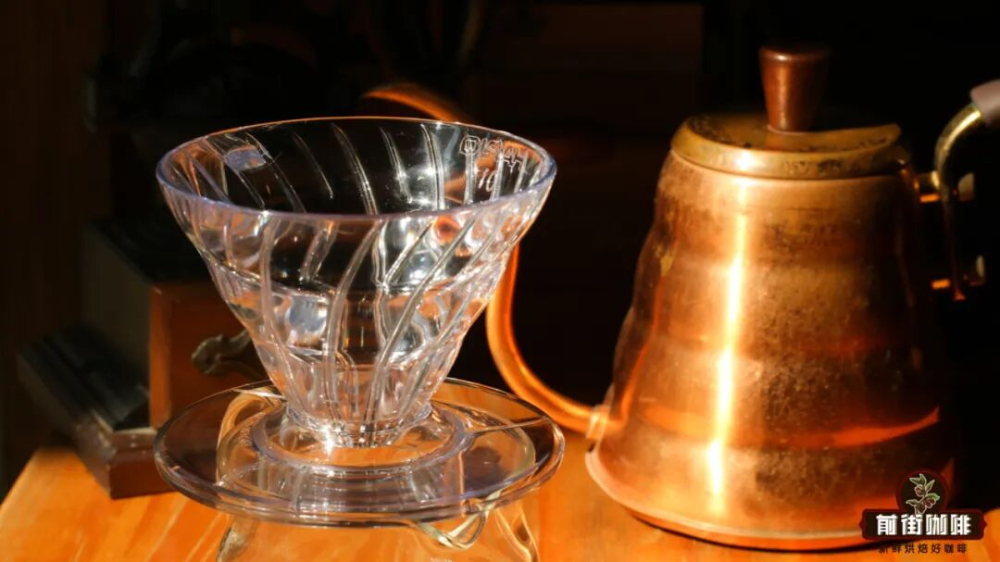
The evolution of filter cone designs reflects humanity’s relentless pursuit of coffee flavor. Modern filter cones like the V60, with their spiral groove structures, effectively guide the water flow, and different hole configurations meet the extraction needs of various roast levels. Users can choose the appropriate filter cone model based on bean characteristics—for dark roasts, it is recommended to select a faster-flowing design to avoid over-extraction.
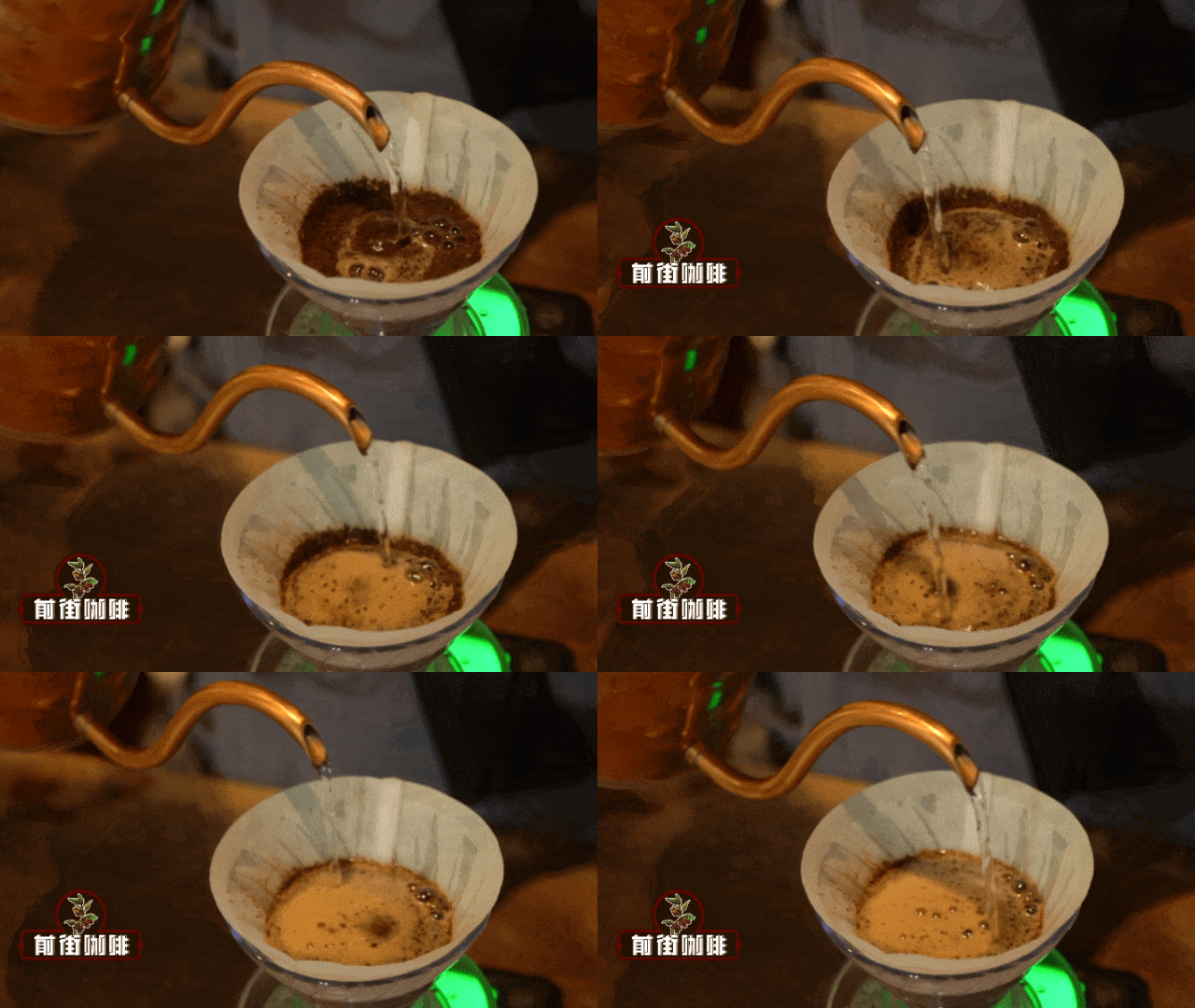
Fine-tuning brewing parameters directly impacts the final flavor profile. For Ethiopia naturals, it is recommended to use a medium-fine grind (approximately 80% passing through a #20 sieve), with a baseline coffee dose of 15g. If a richer taste is preferred, the coffee-to-water ratio can be increased to 1:
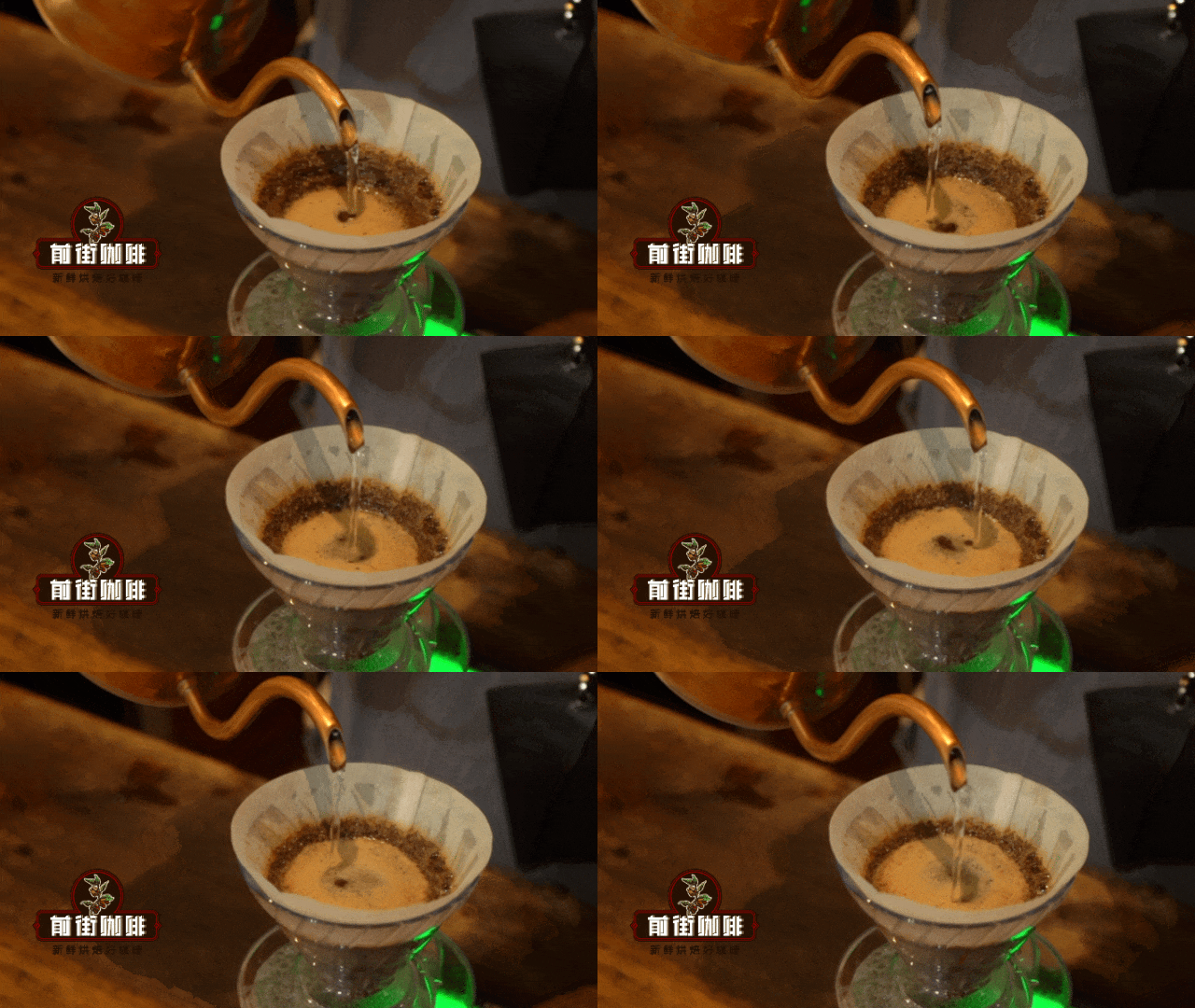
From Madam Melitta’s original invention to modern precision filter cones, pour over coffee brewing has evolved over a century. After mastering the basic brewing principles, it is recommended to record each brew’s parameter combinations and flavor experiences, and identify your personal preferences through comparison. Whether you prefer sun-dried beans with floral and fruity notes or roasted beans with nutty flavors, the right equipment paired with correct techniques can bring out the best in your coffee.


The above content is compiled by CoffeeHunters, a coffee news website.


