







Introduction:Many beginner coffee brewers often struggle with subpar flavors during pour over brewing. This article will delve into six of the most common operational mistakes—from coffee bean freshness and water temperature control to equipment cleanliness—and provide practical steps and recommended parameters for brewing high-quality black pour over coffee. This will help you avoid common pitfalls and extract a well-balanced specialty coffee.
Everyone who loves pour over coffee hopes to brew a cup with pure, delightful flavors. But even when using high-quality specialty beans, improper technique can still result in a disappointing cup. These common mistakes may occur individually or simultaneously, and while some may only slightly affect the cup’s performance, others can prevent you from experiencing the true potential of the beans.
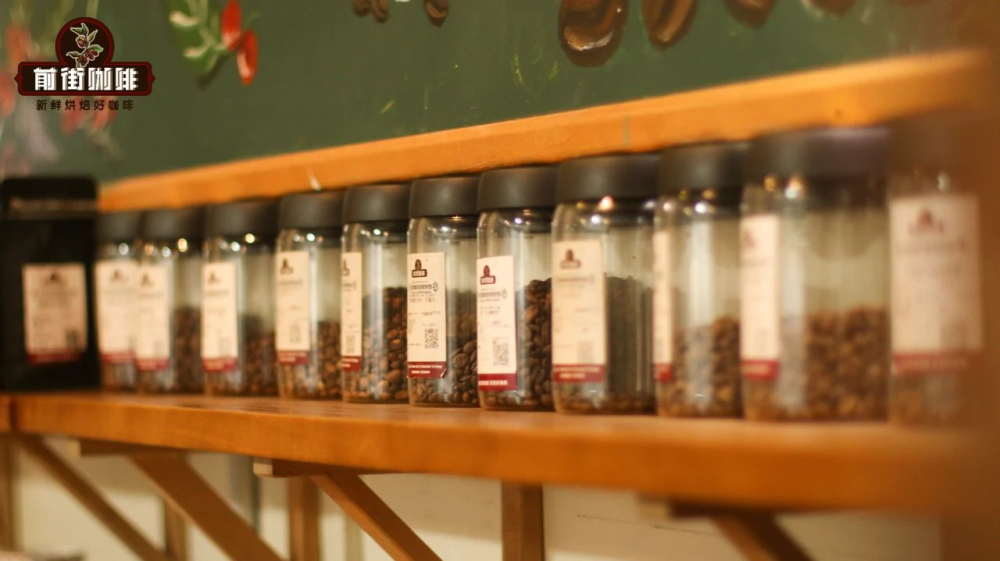
First,the freshness of coffee beans is the foundation of flavor expression.Many coffee enthusiasts, and even some professional baristas, tend to overlook the importance of checking the roast date. Specialty coffee beans are typically at their best within 1 to 4 weeks after roasting. Beans that are past their prime or improperly stored may fail to showcase their intended complexity, no matter how precise your technique is.
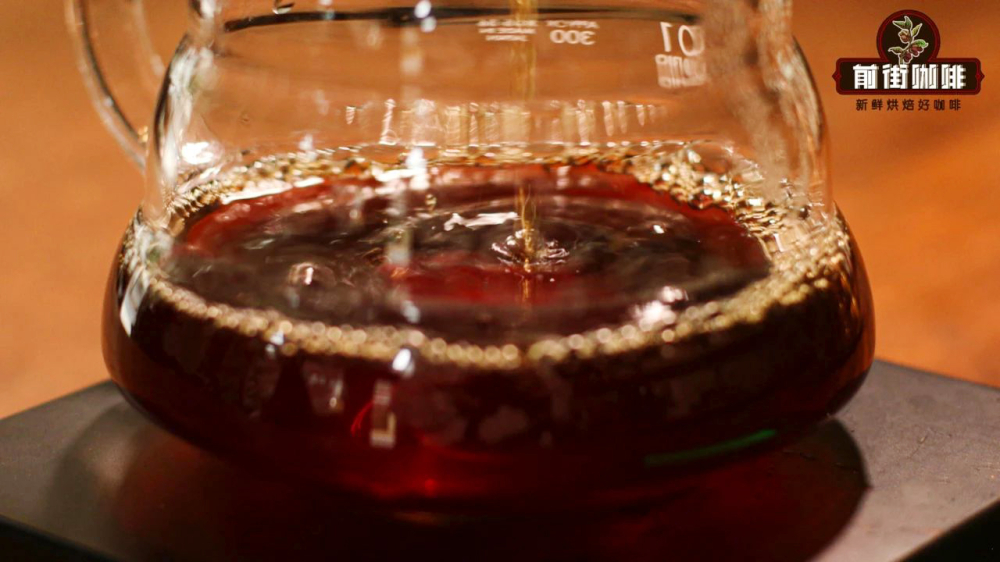
When it comes to water temperature control during brewing, this is a key variable that affects extraction efficiency.The generally recommended water temperature range is 85°C to 95°C.However, in practice, you should adjust based on the roast level of the beans: extremely dark roasts suit 85–87°C, medium-dark roasts 88–90°C, medium roasts around 90–92°C, and light to very light roasts can go up to 92–95°C. Additionally,the mineral content of the water (TDS value) is also extremely important.Water that is too soft (low TDS) or too hard (high TDS) can negatively impact the balance of aroma and mouthfeel in your coffee.
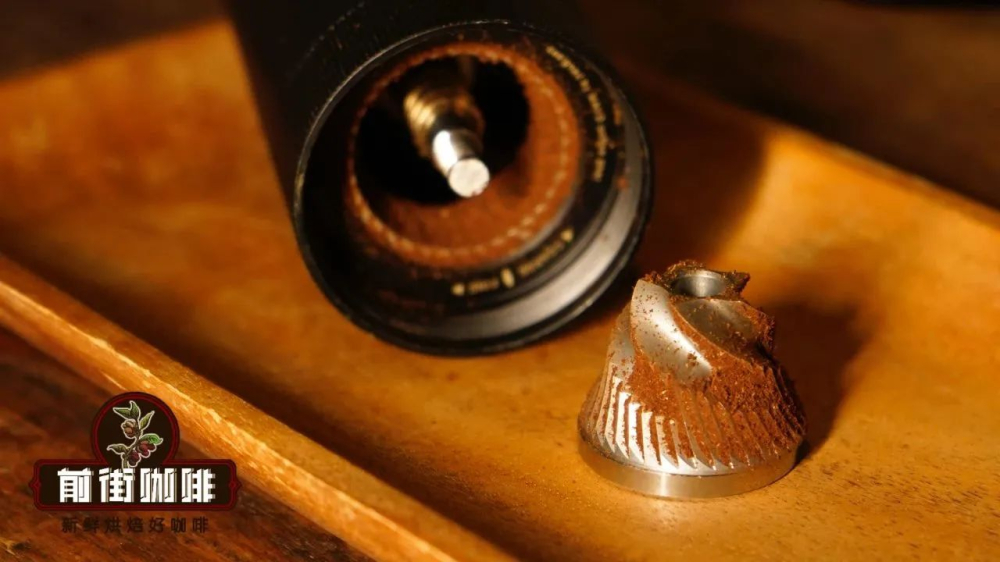
Many people overlook in daily usethe regular cleaning of pour over equipment.Seemingly insignificant residues like oils or coffee grounds, if left to accumulate over time, can produce off-flavors and may even pose health risks. In particular, the burrs of the grinder, the spout of the pour over kettle, and the filter cone should be rinsed briefly after each use and given a thorough cleaning at least once a week to avoid burnt, rancid, or other undesirable smells.
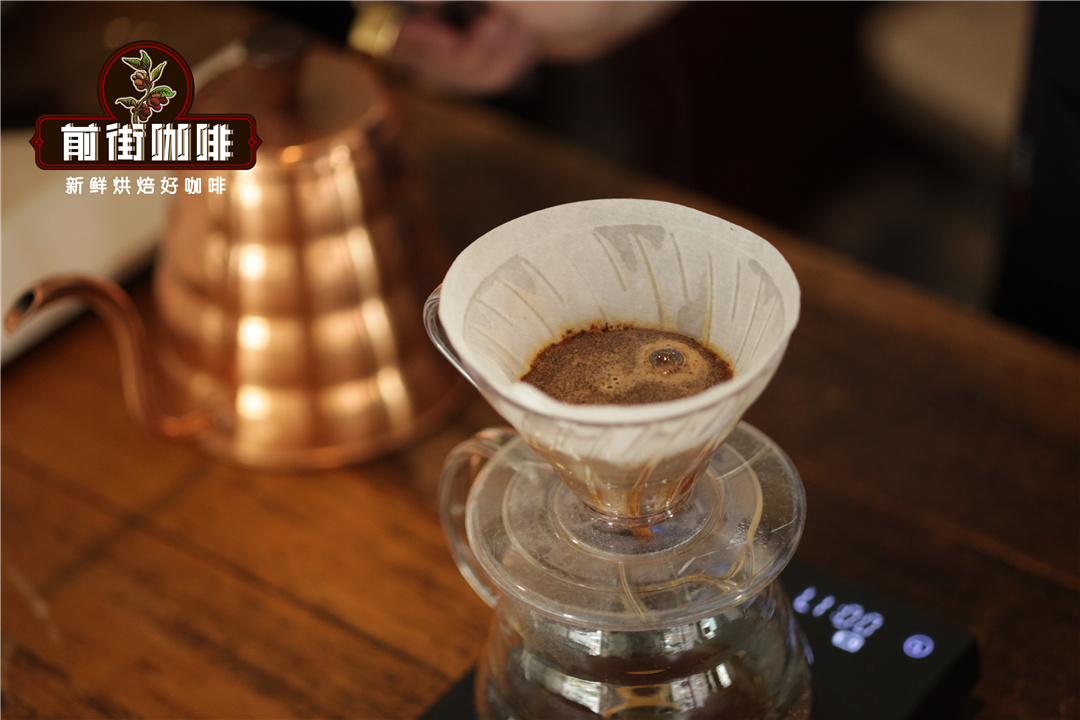
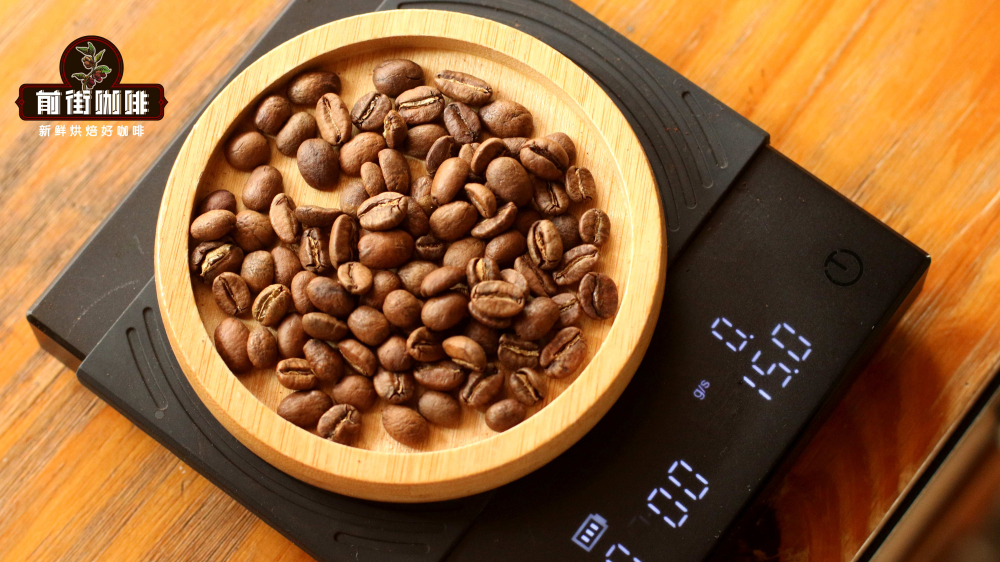
When it comes to choosing coffee beans, the market offers a wide array of products, butspecialty coffee beans usually demonstrate more consistent quality.Although price isn’t the sole criterion, beans with higher cupping scores often undergo stricter controls in processing, roasting, and freshness management. It’s worth noting that beans from the same region may differ in price by several times due to slight variations in cupping scores—this reflects differences in the details of quality control.
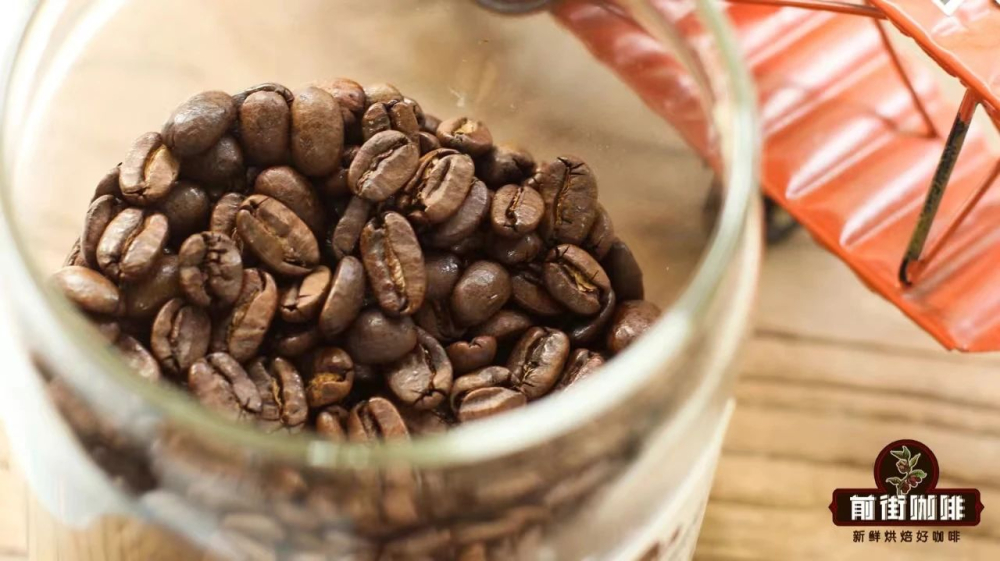
How coffee beans are stored directly impacts their flavor preservation. While original packaging such as aluminum foil bags or sealed containers offers basic protection, you should still avoid storing them in damp kitchens, near sunny windows, or close to heat sources like ovens or microwaves. The ideal storage environment should be dry, cool, and with minimal exposure to oxygen to slow down the oxidation process and maintain freshness.
Taking all the above points into account, brewing an ideal cup of pour over coffee requires balancing bean quality, water conditions, equipment cleanliness, and brewing skill. Beginners are advised to start by controlling variables—such as fixing water temperature and grind size—and then gradually adjusting brewing time and coffee-to-water ratio. Through systematic practice, you can discover the optimal parameter combination that suits your personal taste preferences.
The above content is compiled by CoffeeHunters, a coffee news website.


