







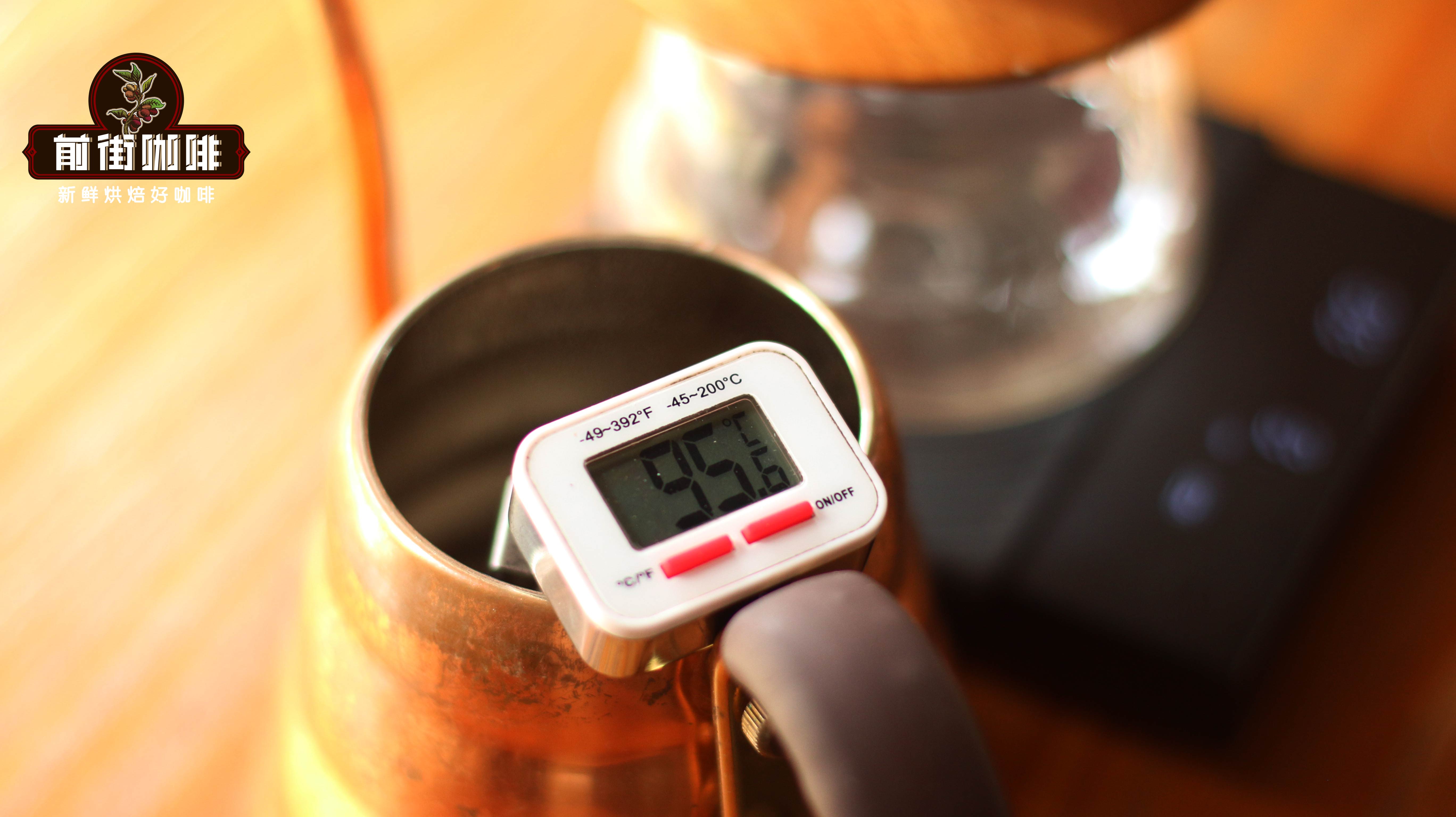
Introduction:Water temperature control in pour over brewing is one of the key factors that influence flavor. This article delves into the ideal water temperature ranges for light roast and medium-dark roast coffee beans, analyzes the difference between actual extraction temperature and set water temperature, and reveals through measured data how water temperature affects coffee extraction efficiency and flavor expression. Whether you're a beginner or a seasoned coffee enthusiast, you can gain practical tips for precise temperature control from this guide.
The choice of water temperature in pour over brewing directly impacts the final extraction results and flavor presentation. Generally speaking, the mainstream recommended water temperature range falls between86°C and 93°C, with light roast coffee beans suited to higher temperatures and medium-dark roasts to lower ones. However, this is just a basic framework—many more details need to be considered during actual brewing.
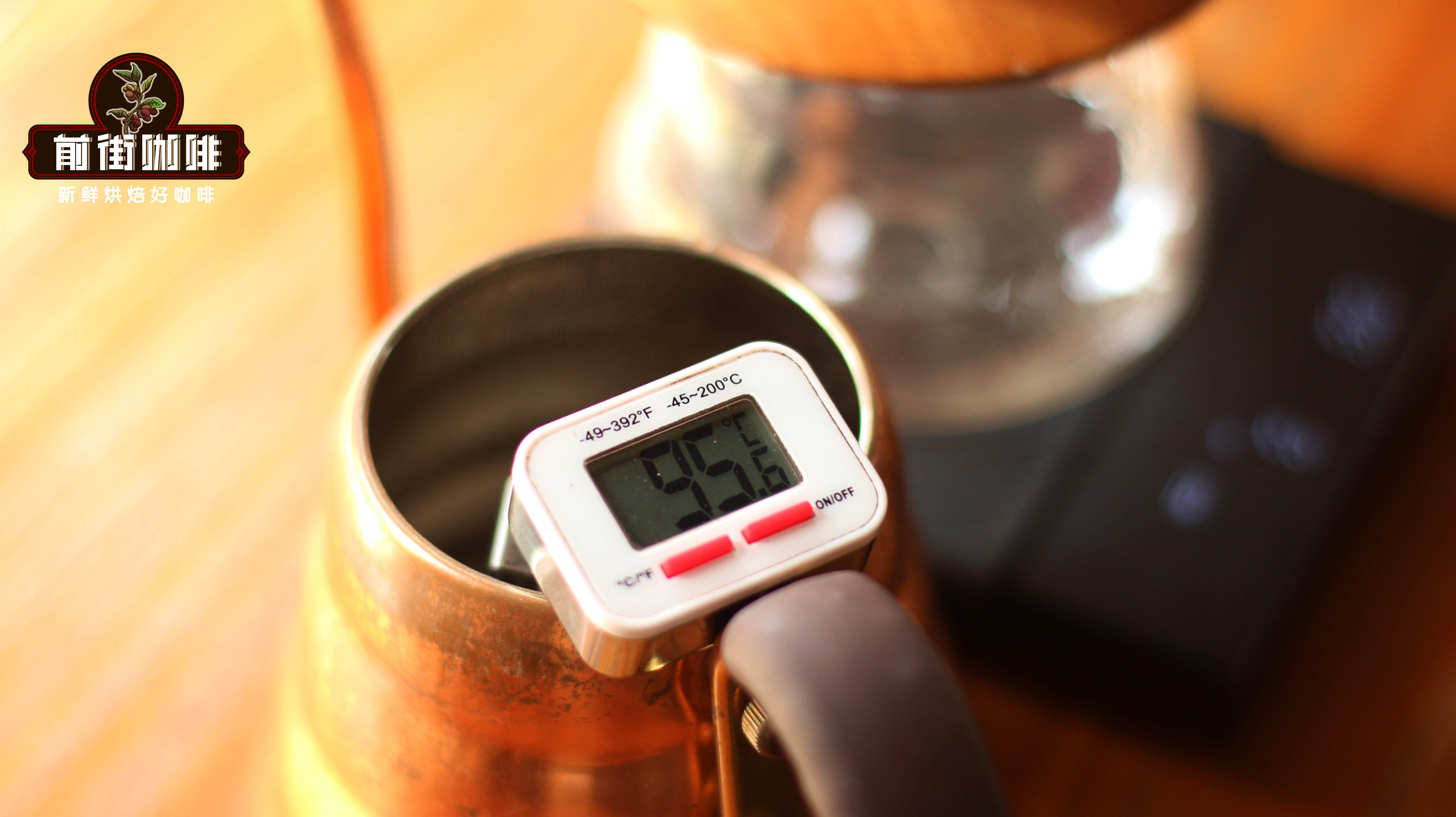
A coffee enthusiast once shared how they accurately guessed the bean variety of a pour over coffee just by tasting it. It turned out that they often brewed the same beans at home and were able to recreate a similar flavor by adjusting parameters. This highlights the importance of water temperature and parameter pairing—even with different brewing methods, proper key parameters can achieve similar extraction results.
When discussing water temperature, there's a common phenomenon worth noting: an enthusiast once tried brewing at90-94℃, and ultimately found that the coffee brewed at that temperature best matched their taste preference. However, the coffee they shared at the time was actually brewed at93℃, while the one they tasted was brewed at90℃. This shows that besides water temperature itself, other parameters such as grind size and pouring technique also collectively affect the final flavor.
Theoretically, the higher the water temperature, the higher the coffee extraction efficiency, making it easier to release various substances in the coffee, including aromatic compounds and bitter components. Especially near boiling high temperatures, it can easily lead to over-extraction, producing unpleasant bitterness and off-flavors. Therefore, for medium-dark roast coffee beans—which undergo more thorough caramelization reactions and contain more large-molecule substances—it is usually recommended to use slightly lower water temperatures to avoid extracting too many impurities. A common practice is:Light roast coffee beans use 91–93°C, while medium-dark roast coffee beans are recommended to use 87–88°C.
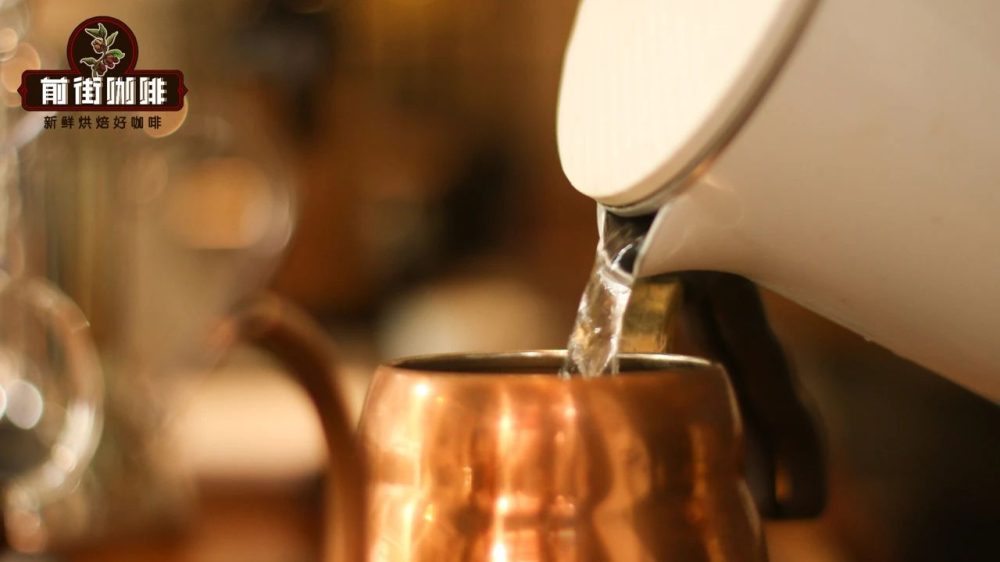
It’s worth noting that even by simply adjusting the water temperature parameter, similar flavor profiles can sometimes be achieved. This is because there are many variables in coffee brewing, and different parameter combinations may lead to similar outcomes. But if all other conditions remain exactly the same and only the water temperature is changed, the difference in flavor is usually more noticeable.
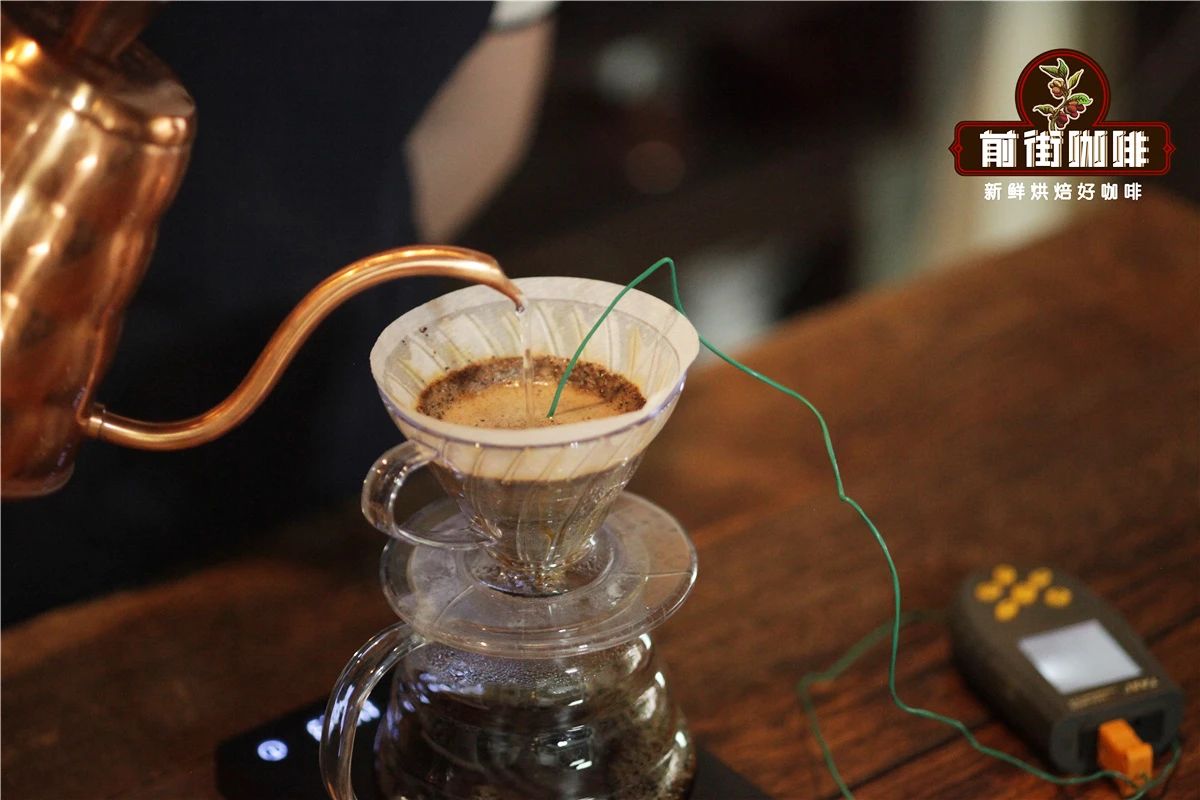
However, what we commonly refer to as “brewing water temperature” actually refers to the initial temperature of the water inside the pour over kettle. For example, when set to91℃, you only need to ensure the kettle water reaches that temperature before starting the brew. But the actual extraction water temperature that comes into contact with the coffee grounds is often lower than this value. To investigate this, we conducted a temperature measurement experiment to reveal the difference.
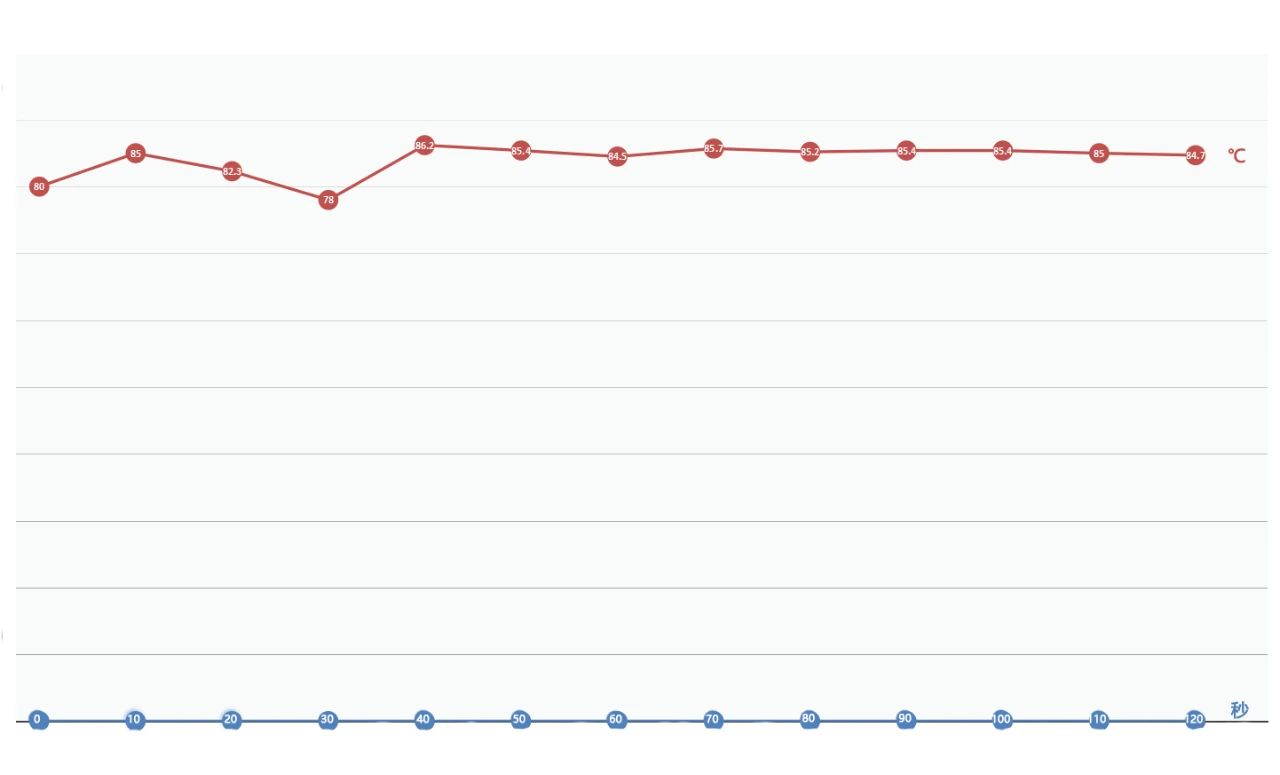
In the experiment, we fixed a thermometer probe in the coffee grounds layer to monitor temperature changes in real-time during the brewing process. When the coffee grounds were dry, the temperature was about32℃. When brewing with an90℃initial water temperature, the temperature of the coffee bed quickly rose to85℃during the blooming phase, then dropped to78℃after the first pour. During the second pour, the temperature rose again to85℃, and the overall extraction temperature eventually stabilized between84.5-86℃, with the highest temperature reaching86.2℃.
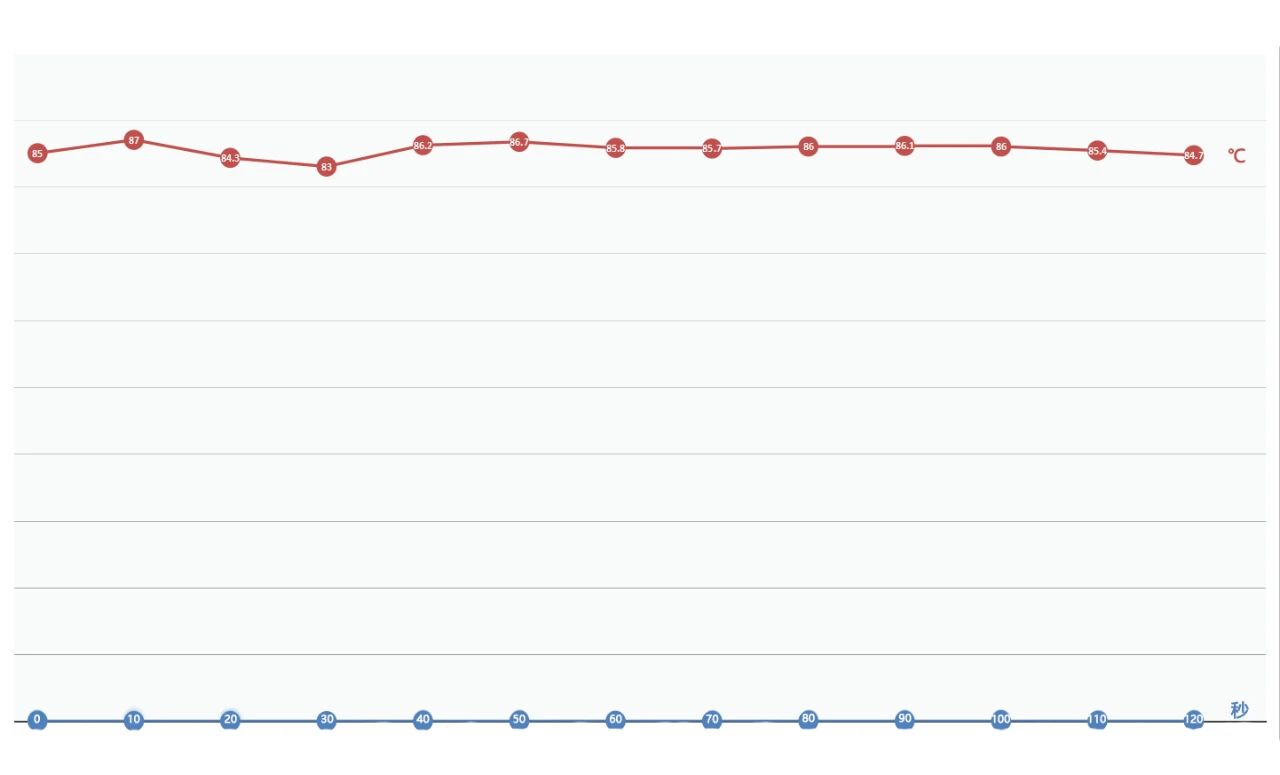
Another set of experiments used an93℃initial water temperature. The coffee bed temperature reached86.3℃during blooming, dropped to83℃after the first pour, rose to87℃during the second pour, and the subsequent extraction temperatures stabilized between85-88℃, with the highest temperature being88℃.
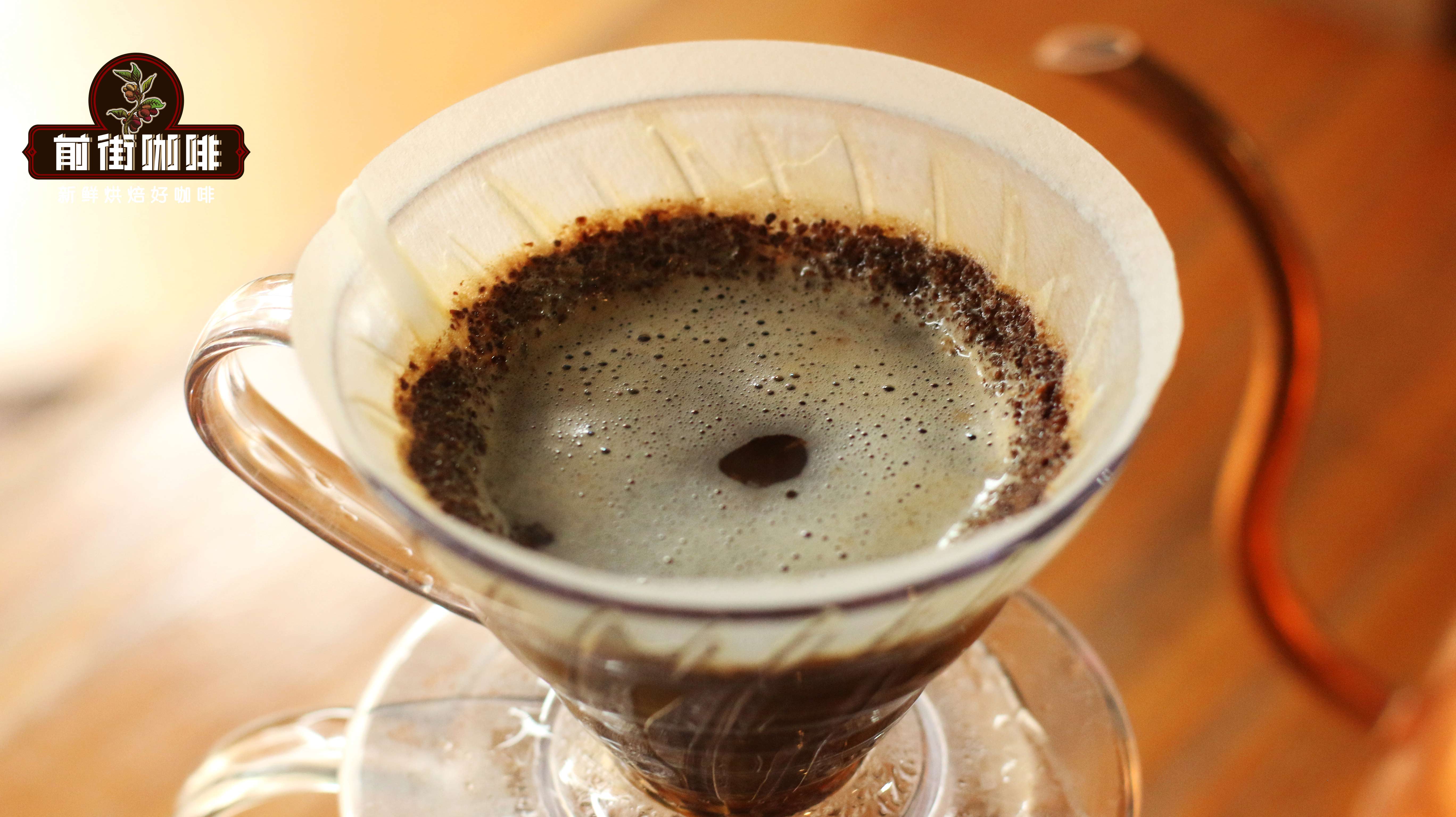
Comparing the two sets of data, although the initial water temperatures differed by3℃, the difference in actual extraction temperatures narrowed to less than3℃. Despite the small numerical gap, flavor differences could still be clearly perceived through tasting. This indicates that besides water temperature itself, heat loss during transfer is also an important factor affecting extraction.
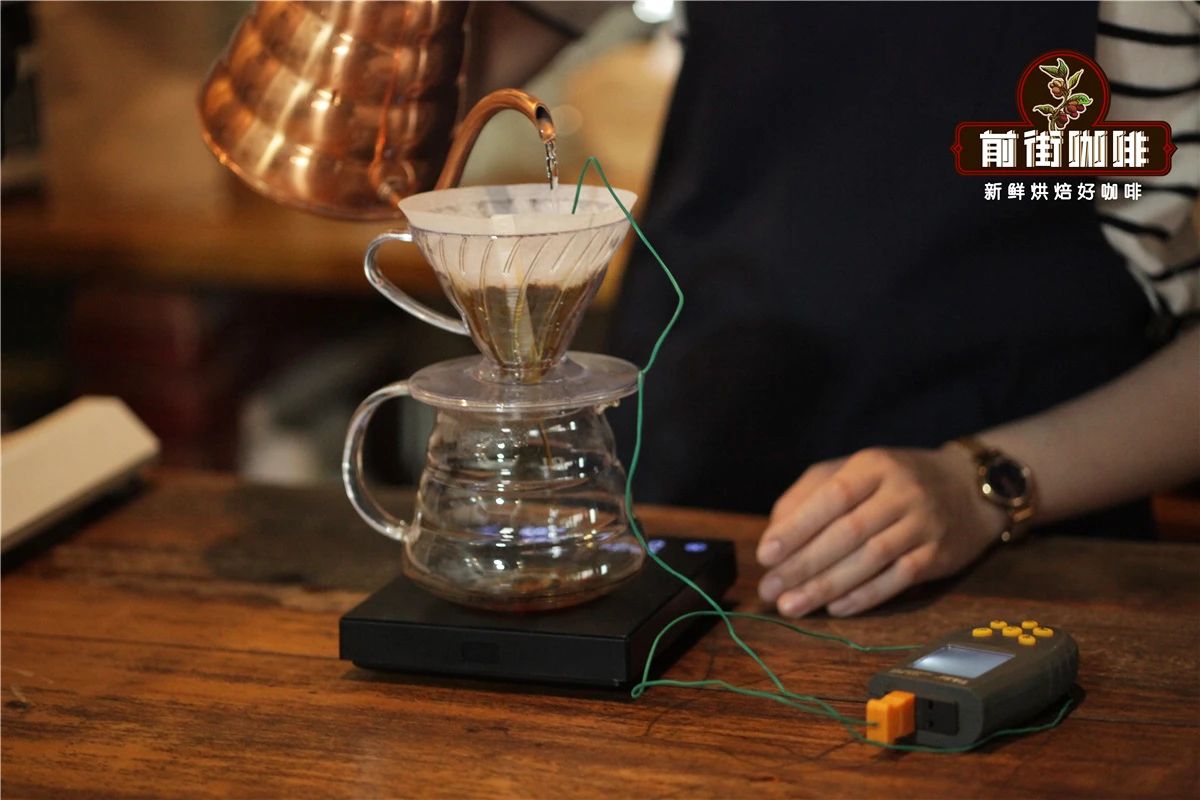
So where does this lost heat go? The main reasons include heat absorption by the coffee grounds, heat absorption by the filter material, and heat loss as water contacts the air. Especially during pouring, the larger the water’s exposure area to air and the longer the duration, the more noticeable the temperature drop.
To verify this, we tried reducing heat loss by altering the pouring height. The usual pouring height is about3-4cm, but in this experiment, we increased it to7-8cmwhile keeping the93℃initial water temperature. The results showed that the coffee bed temperature during blooming rose to87℃, dropped to83℃after the first pour, rose to86.2℃during the second pour, and the subsequent extraction temperatures stabilized between84-86.7℃, with the highest temperature being87℃. This brew, both in data and in flavor evaluation, was closer to the results of brewing at an90℃initial water temperature.
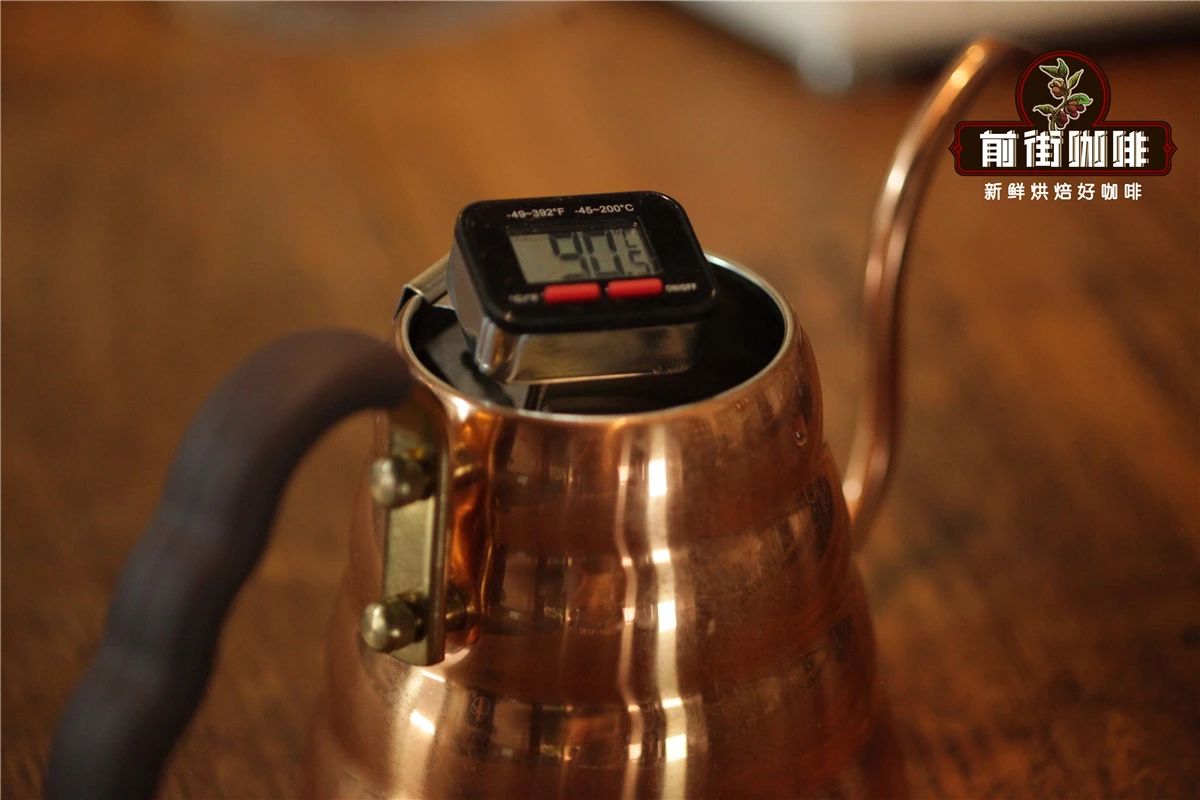
In summary, for everyday brewing, we don’t need to measure the coffee bed temperature precisely every time, but understanding the relationship between set water temperature and actual extraction temperature is crucial. By adjusting pouring height, controlling water flow rate, and other techniques, heat loss can be effectively reduced, thereby better managing brewing results. Mastering these points will make your pour over coffee experience much more satisfying and smooth.
The above content is compiled by CoffeeHunters, a coffee news website.


