








Introduction:Are dark roast coffees always labeled as "bitter and hard to drink"? In fact, with the right technique, you can bring out the enticing caramel sweetness and nutty aroma from these roasted beans. This article will break down the flavor characteristics of Japanese-style dark roast beans (such as the classic Golden Mandheling), analyze why coffee aficionados are drawn to their rich body, and guide you through practical parameters—water temperature, grind size, and a three-stage pouring method—to extract a balanced, sweet cup.

For many older coffee enthusiasts, "black coffee" used to equate to a single note of bitterness—an impression rooted in the deep roasting techniques popular last century. Compared to the bright fruitiness favored in today’s light roasts, dark roast beans, through prolonged high-temperature roasting, release complex aromas of nuts, caramel, and spices, yet also deepen bitterness due to carbonization reactions. But why do so many drinkers remain enthralled? One veteran coffee lover shared: "At first, I only found it intense, but later I came to love that reassuring bitterness-followed-by-sweetness." This sense of era and the functional need for a caffeine boost have long kept dark roast beans dear to the hearts of coffee lovers.
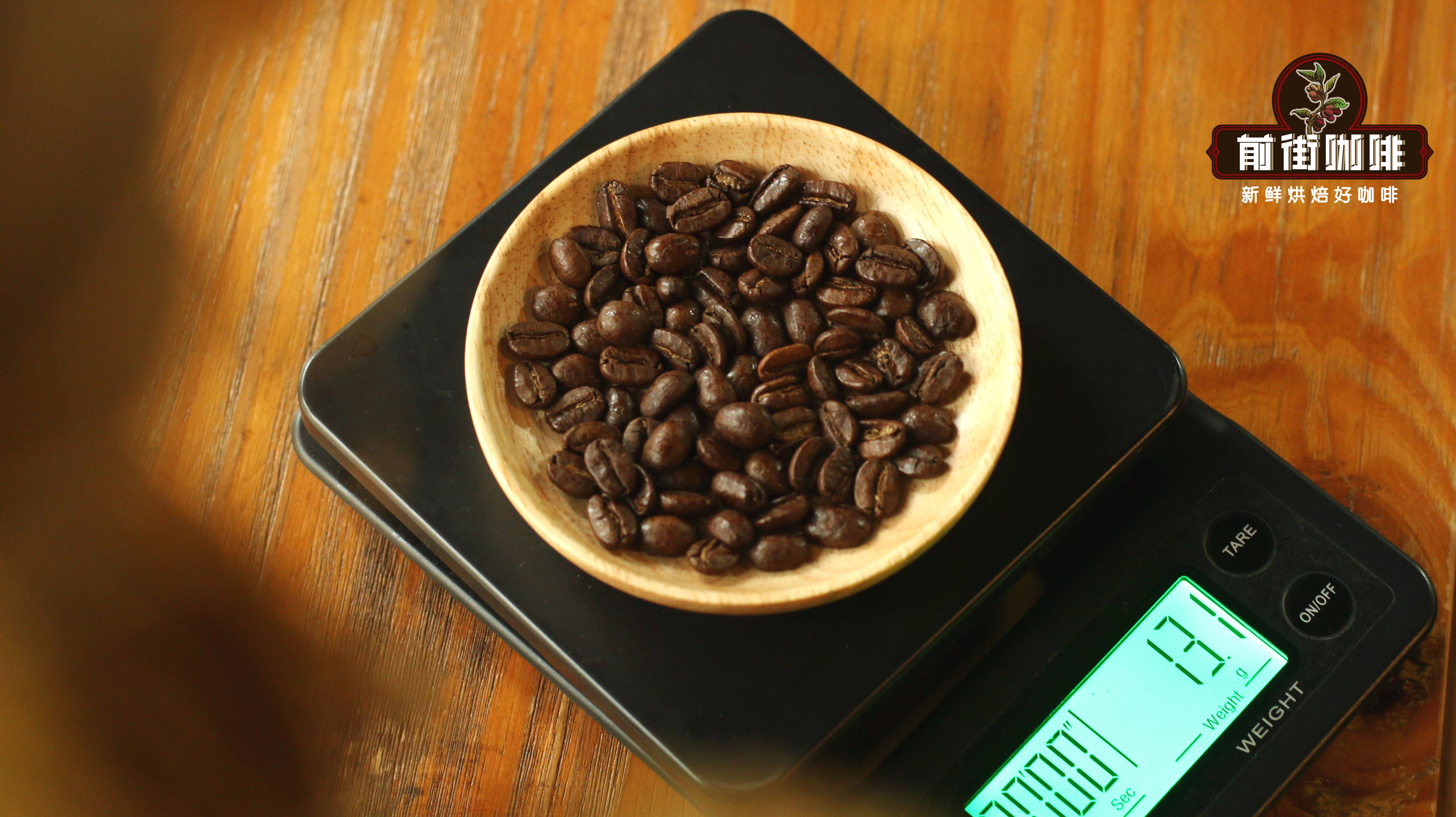
The charm of dark roast coffee can be understood through three aspects:First is its alluring aroma.—The moment you open the bag, the wafting scents of roasted chestnuts, cream, and spices often serve as the gateway for beginners;Second is its uniquely rich body., such as with Blue Mountain or Mandheling, where its dense mouthfeel coats the tongue, delivering a fullness unmatched by other roast levels;And third is its hidden layers of sweetness., which careful sipping can reveal—caramel and maltose notes in the finish, especially the "lingering sweetness" that emerges after swallowing, is what sets it apart from lighter roasts.
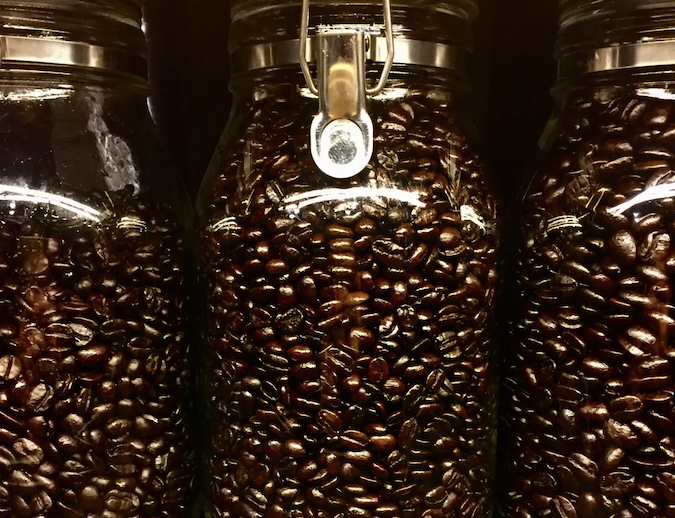
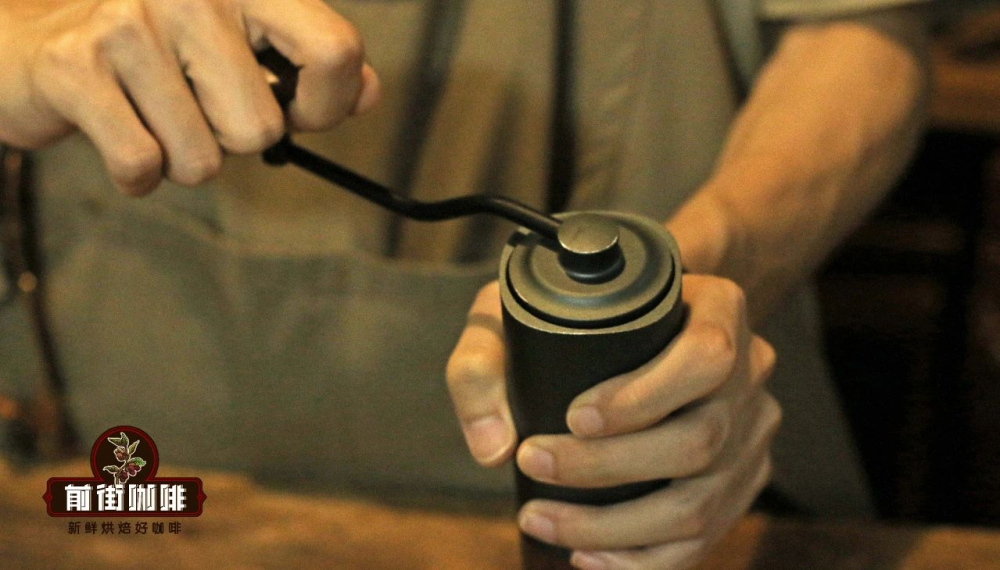
But the challenge with dark roast beans lies in this: high-temperature roasting loosens the bean fibers, and if parameters go awry (such as too high a water temperature or too fine a grind), caramelization by-products can easily unleash excessive bitterness. For beginners, it’s recommended to usea slow-flow Kono filter conepaired witha coarse sugar-like grind (70% extraction rate through a Chinese No. 20 sieve), and to control the water temperature at88℃,witha 1:15 coffee-to-water ratiofor a slow extraction, aiming for around 2 minutes, to balance bitterness and sweetness.
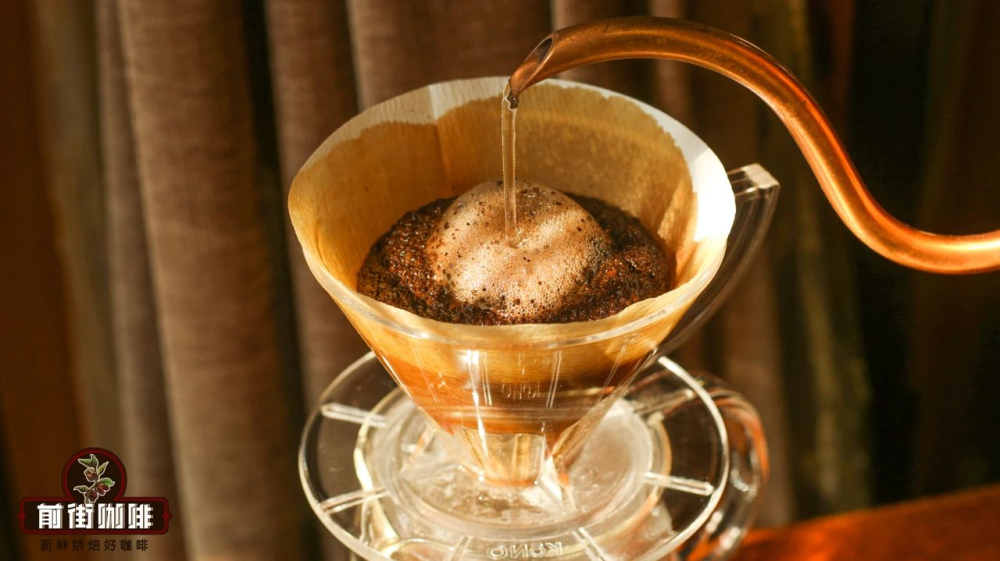
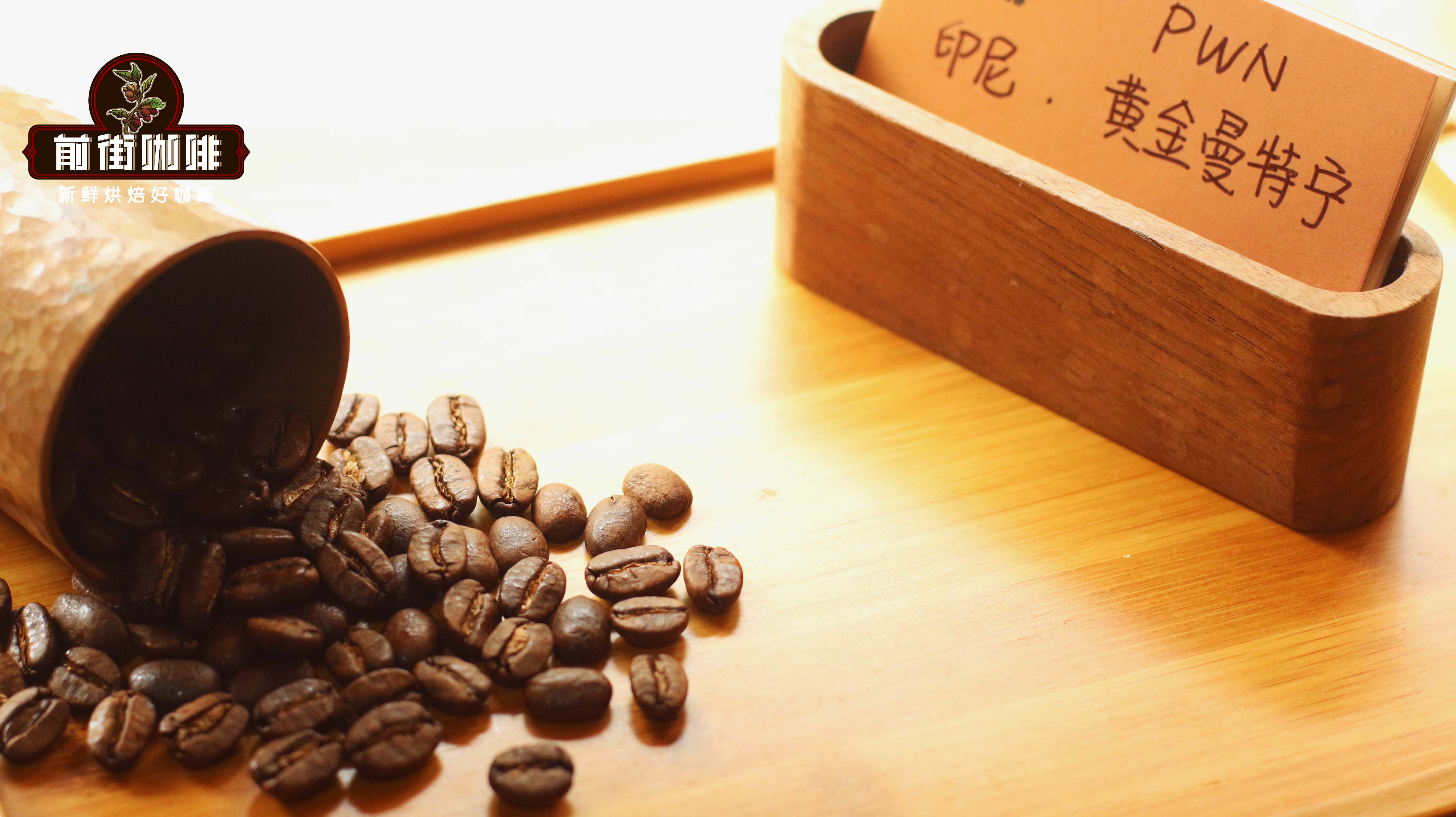
Take the classic dark roast representative "Golden Mandheling" as an example—it’s best enjoyed 4 to 7 days post-roast (after more than a month and a half, woody off-flavors can emerge). It’s recommended to select beans roasted within 5 days to ensure bright herbal, dark chocolate, and nutty notes. This bean has an intense profile, making it well-suited tothe Kono filter cone—its low ribs extend the time for the coffee bed to absorb water, while the base groove promotes a siphon effect, enhancing the bold body.
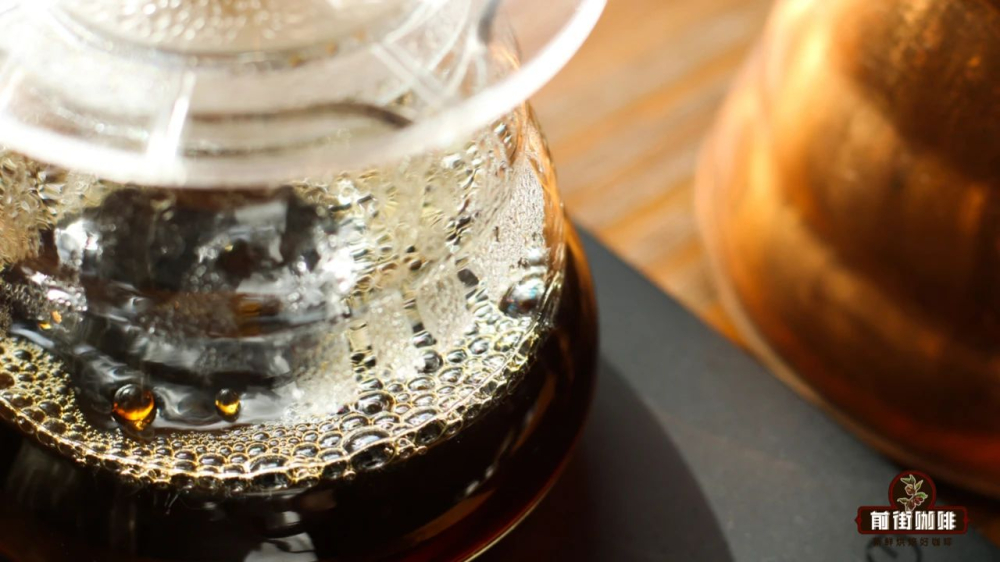
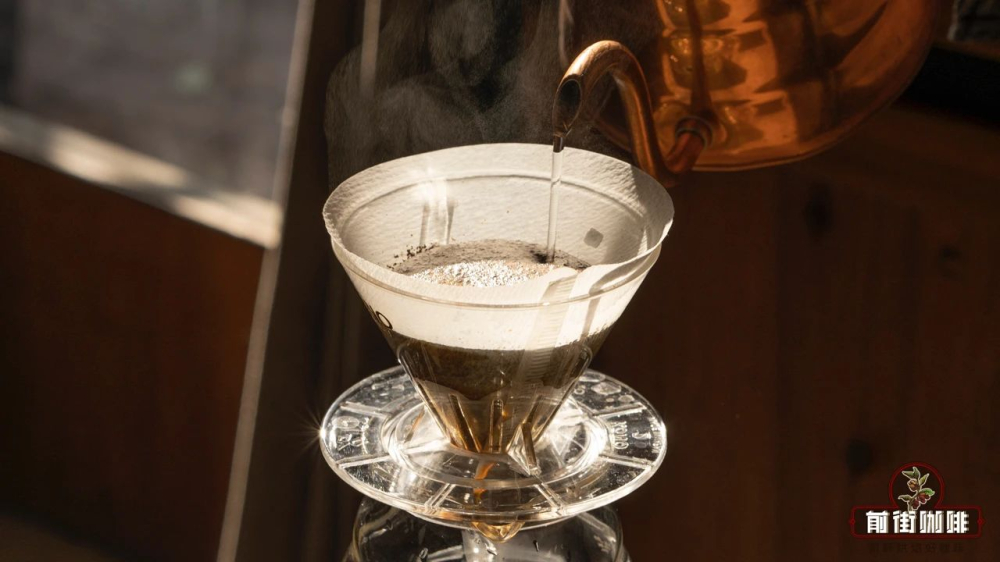
Practical pour-over parameters are as follows:Water temperature: 87–88°C,Coffee grounds: 15 grams,Coffee-to-water ratio: 1:15, with the grind adjusted to medium (close to the usual coarseness for blends). Use a three-stage pouring method:The first stage—bloom—with 30mlto wet the grounds and release gases;The second stage—add 100mlto bring out golden crema and lift the coffee bed;The final stage—gently pour 95mlin the center, then gently swirl the server to mix once dripping is complete. Avoid over-agitation to prevent over-extraction and bitterness.
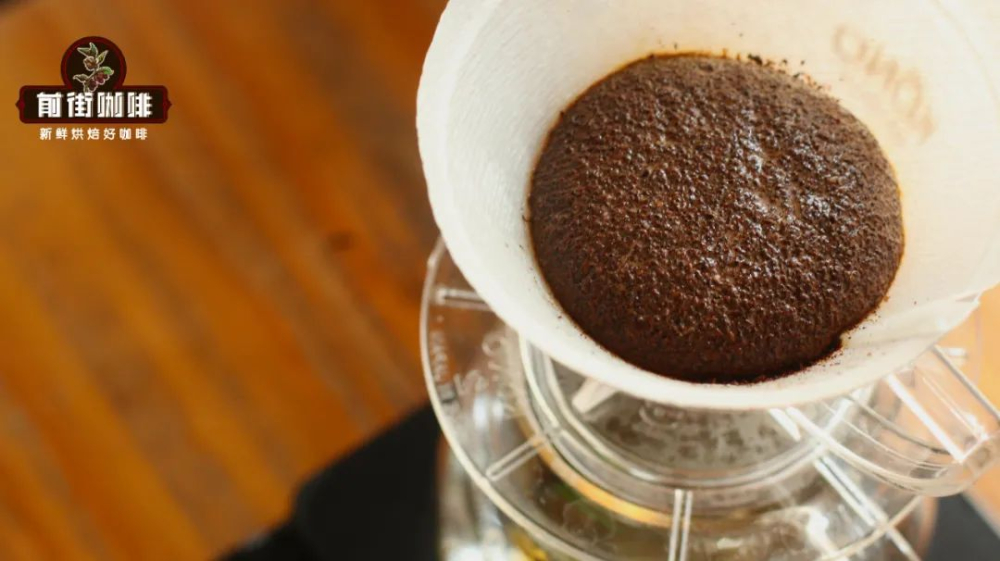
Common mistakes include: using a light roast grind size leading to clogged filters, water temperatures exceeding 90°C amplifying bitterness, or pouring too quickly causing uneven extraction. If you’re aiming for a softer cup, try lowering the water temperature to 87°C and extending total brew time to 2.5 minutes, but make sure the coffee-to-water ratio remains at 1:15. A successfully extracted Golden Mandheling should showcase a spicy-herbal foundation, backed by a solid, bold body, with a clean caramel sweetness and chocolatey finish in the aftertaste.
In summary, the “bitterness” of dark roast coffee isn’t a flaw, but rather a vessel for historical richness and a full-bodied texture. By understanding roast characteristics and choosing the right tools and parameters, every drinker can uncover their own sweet balance point in what may seem like an assertive black coffee.
The above content is compiled by CoffeeHunters, a coffee news website.


