







Introduction:Want to create delicate latte art at home just like in a café? This article provides a detailed guide on how to produce stable and velvety milk foam, breaking down everything from milk selection and temperature control to frothing steps. We also recommend several espresso blends suitable for latte art to help you master the fundamentals of coffee artistry.
When you walk into a café, many customers will order a specialty coffee based on espresso. Whether it's a smooth latte, a cappuccino rich in foam, or a refreshing flat white, each has its own charming flavor. To make a balanced-flavor, exquisitely presented specialty coffee, two key elements are essential: stable espresso and finely textured milk foam.
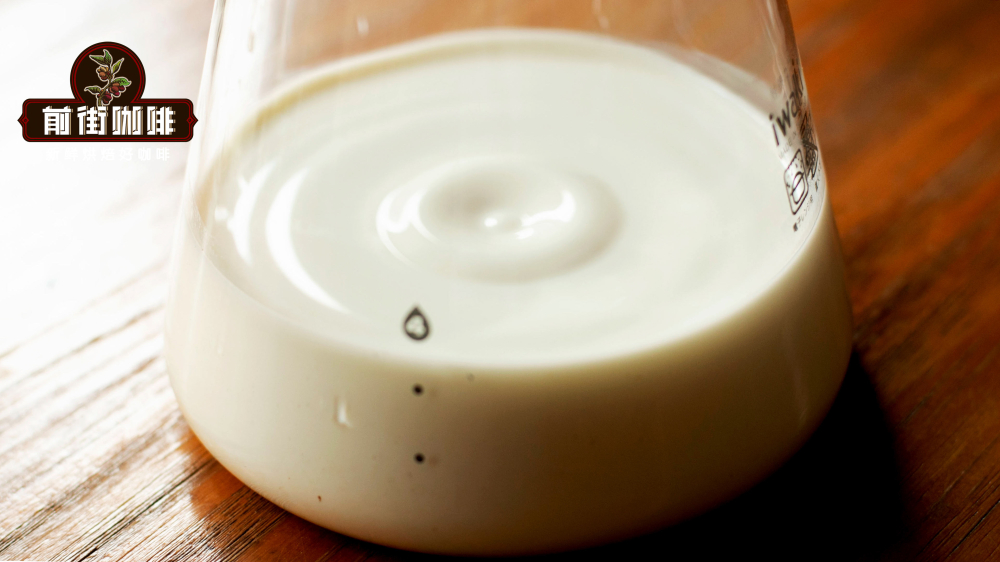
First, we need to understand that an outstanding specialty coffee is made up of two parts—espresso and steamed milk. By varying the proportions and mixing sequence, a variety of unique coffee beverages can be created. For example, a common latte has a thinner layer of foam, while a cappuccino has a thick and dense foam. Among these, the texture of the milk and the fineness of the foam are key factors determining the final mouthfeel.

When choosing milk, it is recommended to prioritize whole milk because it has higher fat and protein content. Not only does it enhance the aroma and complexity of the coffee, but it also helps form more stable and velvety foam. Additionally, the freshness of the milk is extremely important. If it is stored for too long, the proteins can break down, affecting the structure and taste of the foam. It is advised to refrigerate the milk and return it to the fridge promptly after use to prevent spoilage due to temperature fluctuations.

Next, let’s talk about the frothing technique, which is the foundation of successful latte art. Frothing milk mainly consists of two stages: first frothing, then texturing. These two steps determine the fineness and stability of the foam.
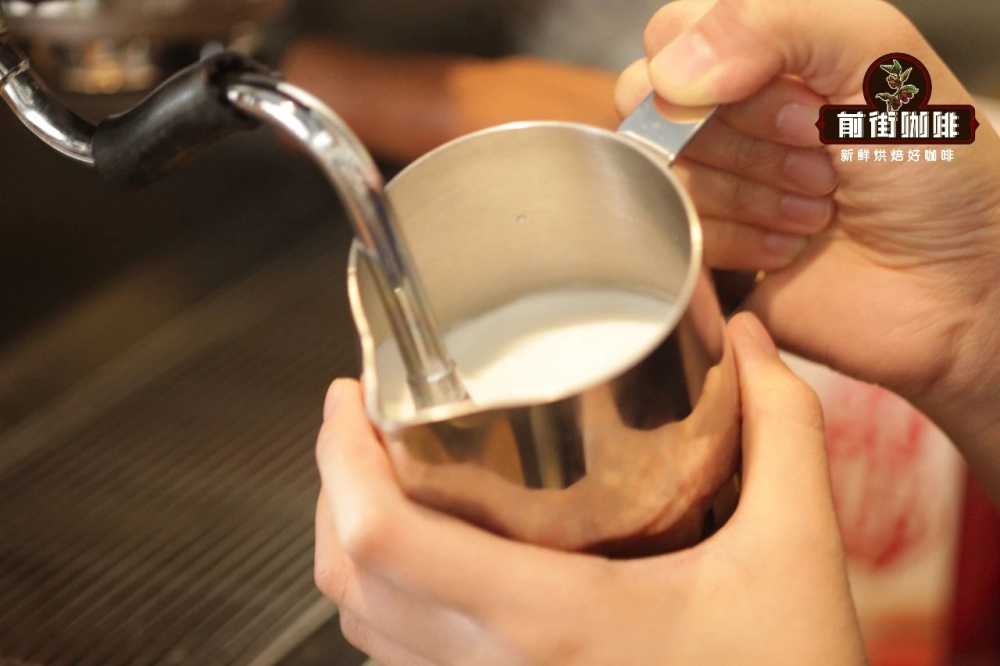
Steps are as follows:
1. Pour the milk into the pitcher, with the liquid level recommended to be about one-third to two-thirds below the spout. This helps stabilize the operation of the steam wand.
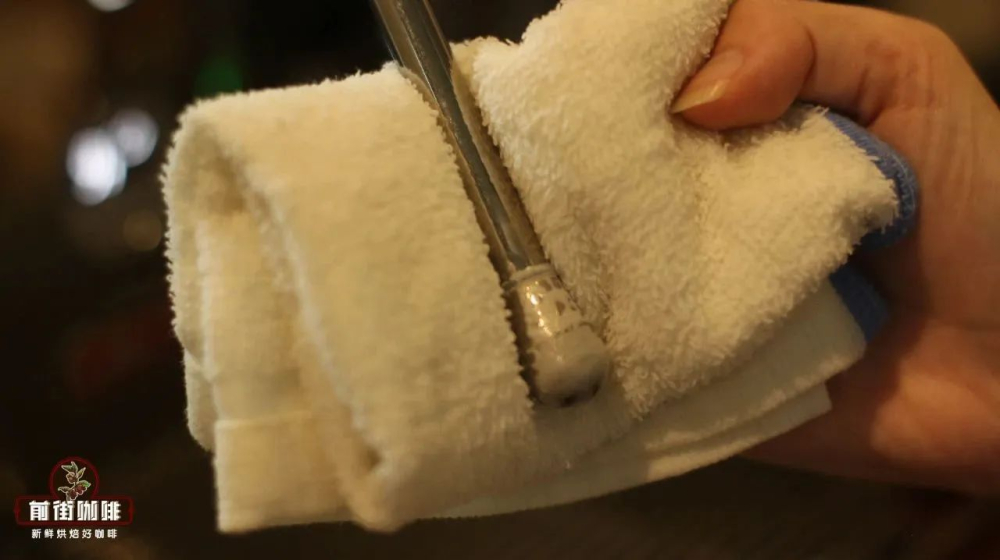
2. Be sure to clean the steam wand before use to ensure there is no leftover milk residue or foreign matter.
3. Bring the pitcher close to the steam wand so that the steam outlet is just submerged beneath the milk surface, positioned slightly off-center. Then open the steam valve—you’ll hear a distinct hissing sound.
4. As the foam gradually becomes finer, slowly lift the pitcher. During this stage, control the milk temperature, which should not exceed body temperature. The ideal heating temperature is around 60°C. Do not exceed 70°C, as overheating can damage the protein structure in the milk and affect the foam’s stability.
5. Then enter the texturing stage. Use the pitcher’s spout as a pivot to lift the pitcher upward, submerging the steam wand deeper into the milk to create a whirlpool.
6. When the pitcher starts to feel hot, and the temperature reaches 60–65°C (you can test by touching the bottom of the pitcher—if you can't hold it for more than 3 seconds, that’s the target), the texturing is complete.
7. After finishing, do not turn off the steam valve immediately. Let the steam blow through for a few more seconds to clean the inside of the wand.
8. Finally, gently tap the side of the pitcher to break up large bubbles, then swirl the pitcher to mix the foam and milk evenly. This results in fine, uniform milk foam.
As for the espresso part, choosing the right coffee beans is equally crucial. A well-balanced espresso blend with rich crema can provide a solid foundation for latte art. It’s recommended to choose a blend with moderate acidity, fruit notes, and chocolate undertones. Such beans not only easily produce a full crema but also help showcase the patterns of your latte art.

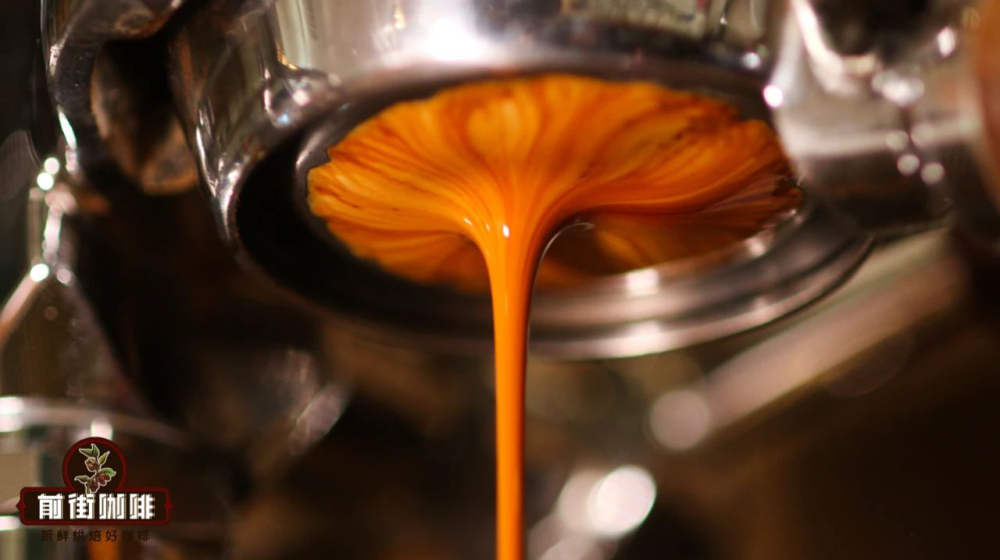
In terms of grinding and extraction, it’s recommended to use a medium-fine grind (around 1.6, depending on your grinder), maintain an extraction pressure of 9 bar, and control the water temperature between 90.5–96°C. Use about 20 grams of coffee (for a double shot), with an extraction time of 20–30 seconds and a target yield of around 40 milliliters. Ideal extraction should show a steady flow rate and uniformly colored coffee. If the flow is inconsistent or the color varies, adjustments may be needed in grind size or tamping pressure.
A successfully extracted espresso should have medium body, with prominent fruity and berry aromas on the palate, accompanied by layers of chocolate and whiskey notes. The finish should be sweet and lingering, with rich and persistent crema. Such coffee not only excels in flavor but also serves as an ideal base for latte art.


Finally, a reminder: whether it’s the milk foam or the espresso, every detail of each step directly affects the final outcome. Practice and observation are key to gradually mastering the art of latte creation.
The above content is compiled by CoffeeHunters, a coffee news website.


