








Introduction:Understanding coffee roast levels is a key step in exploring coffee flavors. This article will delve into the roasting characteristics, temperature control, and flavor profiles of light, medium, and dark roasts, helping you choose the roast level that suits your preferences. It also provides a detailed explanation of the relationship between Agtron values and roast percentages, equipping you with professional roast assessment skills.
Coffee Roastingis the core process that transforms green beans into flavorful roasted beans. From light to dark roast, each stage significantly impacts the acidity, sweetness, bitterness, and aroma of the coffee. Mastering the traits of different roast levels not only helps you select coffees with your desired flavors but also allows you to better appreciate the artistry behind roasting.
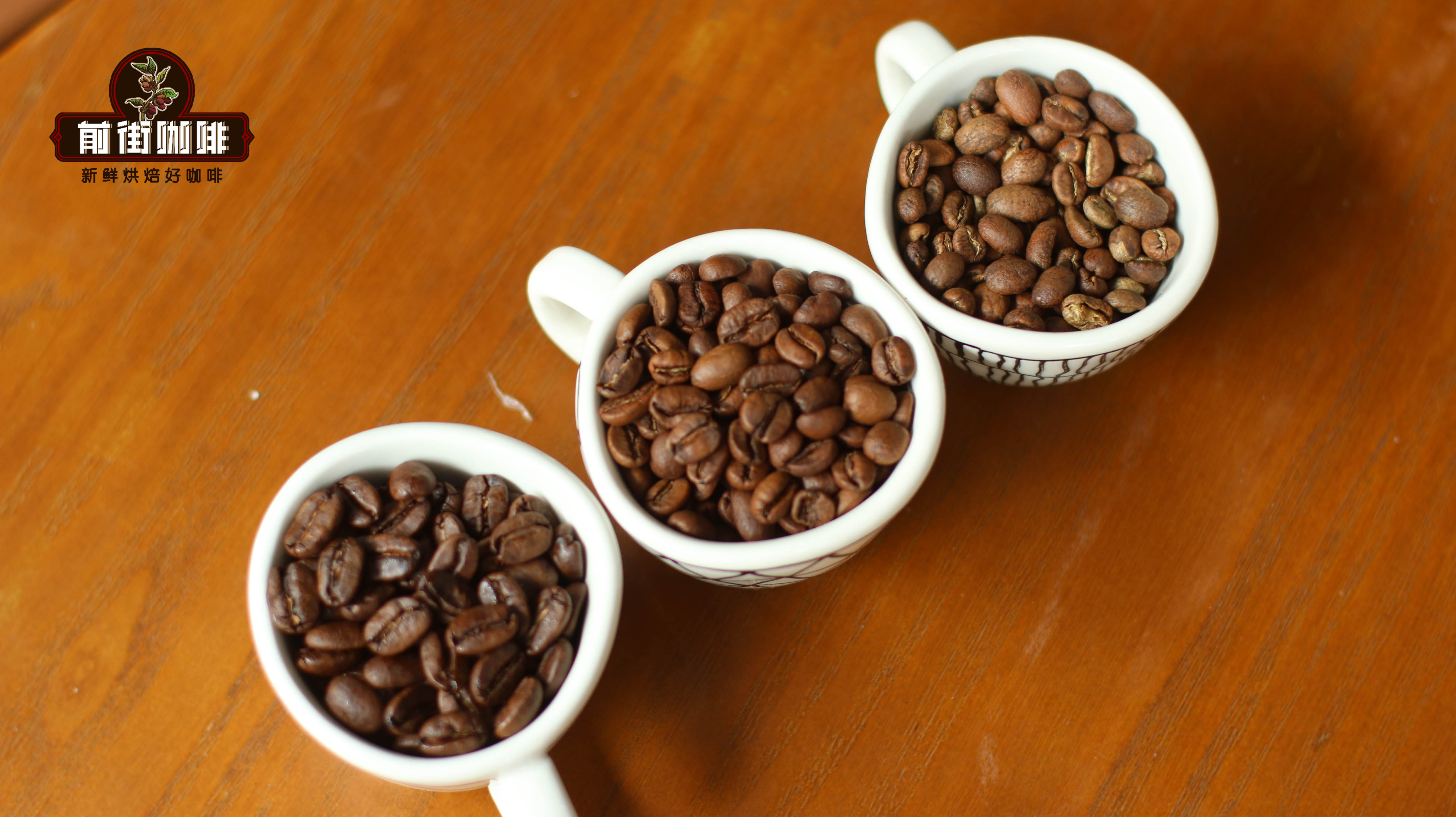
Coffee roasting is broadly divided intolight roast, medium roast, and dark roast—three main categories. Light roast typically retains more of the coffee’s original fruity acidity and floral notes, making it ideal for those who prefer a refreshing taste; medium roast strikes a balance between acidity and bitterness, offering a smoother flavor profile and is the preferred choice for most single-origin coffees; dark roast emphasizes rich caramel, chocolate, and bold bitter notes, commonly used for espresso. Different roast levels influence theextraction parametersand the final flavor direction of the coffee.

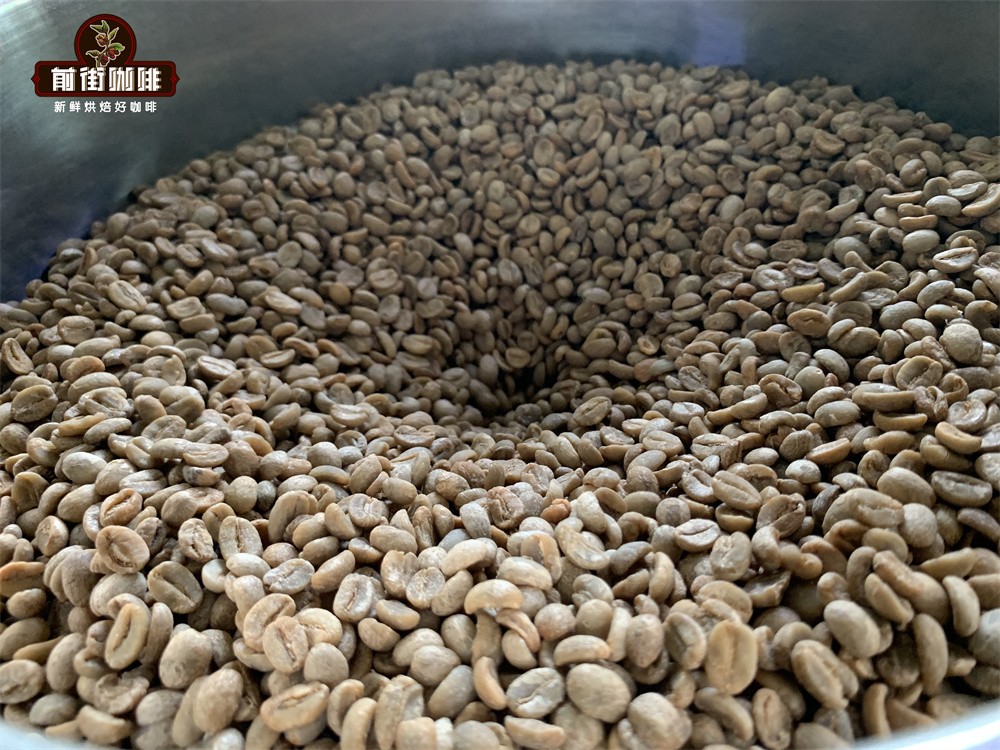
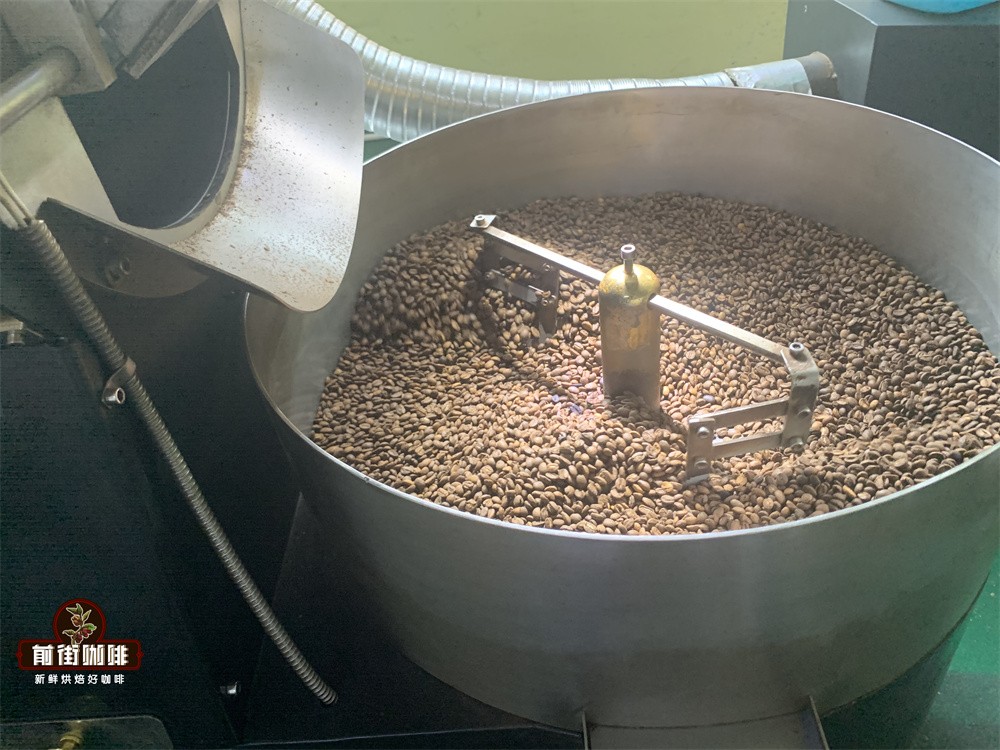
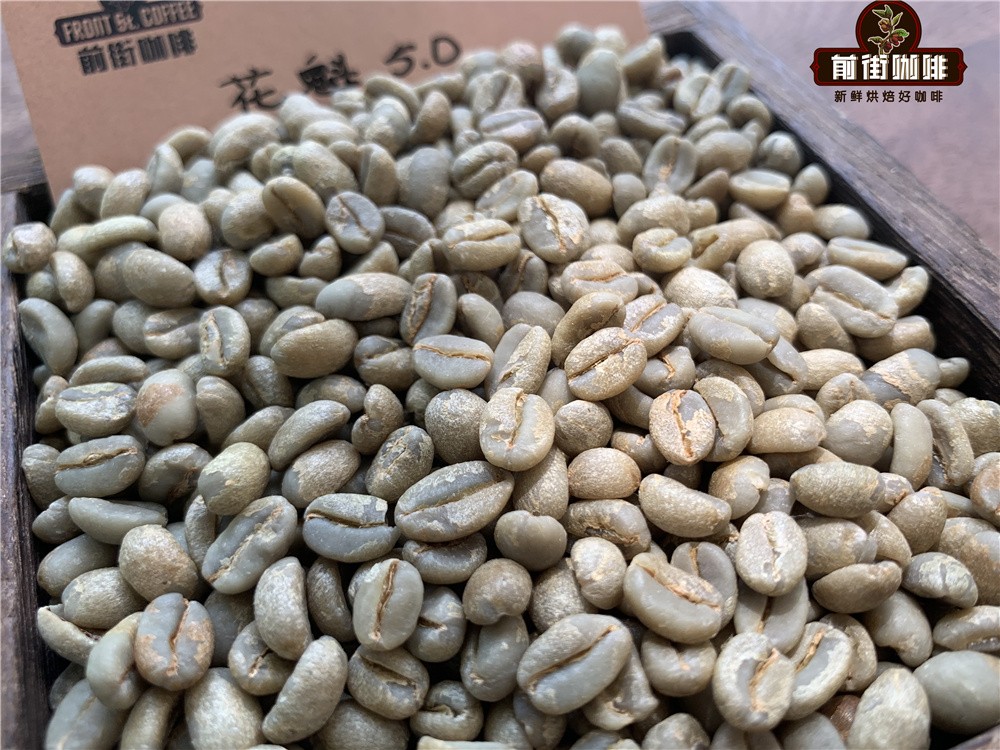
During the roasting process, coffee beans go through several critical stages.The drying phasemarks the beginning of roasting. At this point, the green beans turn from green to yellow, releasing grassy aromas. The internal roaster temperature initially drops due to the beans absorbing heat, then begins to rise after reaching the turning point. At this stage, the beans contain about 8%–14% moisture. As heating continues, the moisture turns into steam, softening and expanding the bean structure. Chlorophyll decreases, and the color gradually shifts from green to yellow or light brown. The silver skin also starts to flake off.

As the beans enter theyellowing phase, the color deepens progressively, with Maillard reactions and caramelization beginning to dominate flavor development. Sugars and amino acids interact to produce hundreds of aromatic compounds, laying the foundation for the coffee’s aroma. Meanwhile, caramelization converts sugars into brown caramel, contributing sweet and bitter undertones. Temperature and heat control during this stage are crucial—you’ll need to adjust the air damper and flame appropriately to avoid under-roasted centers. This phase is also key to forming the coffee’score flavor structure.
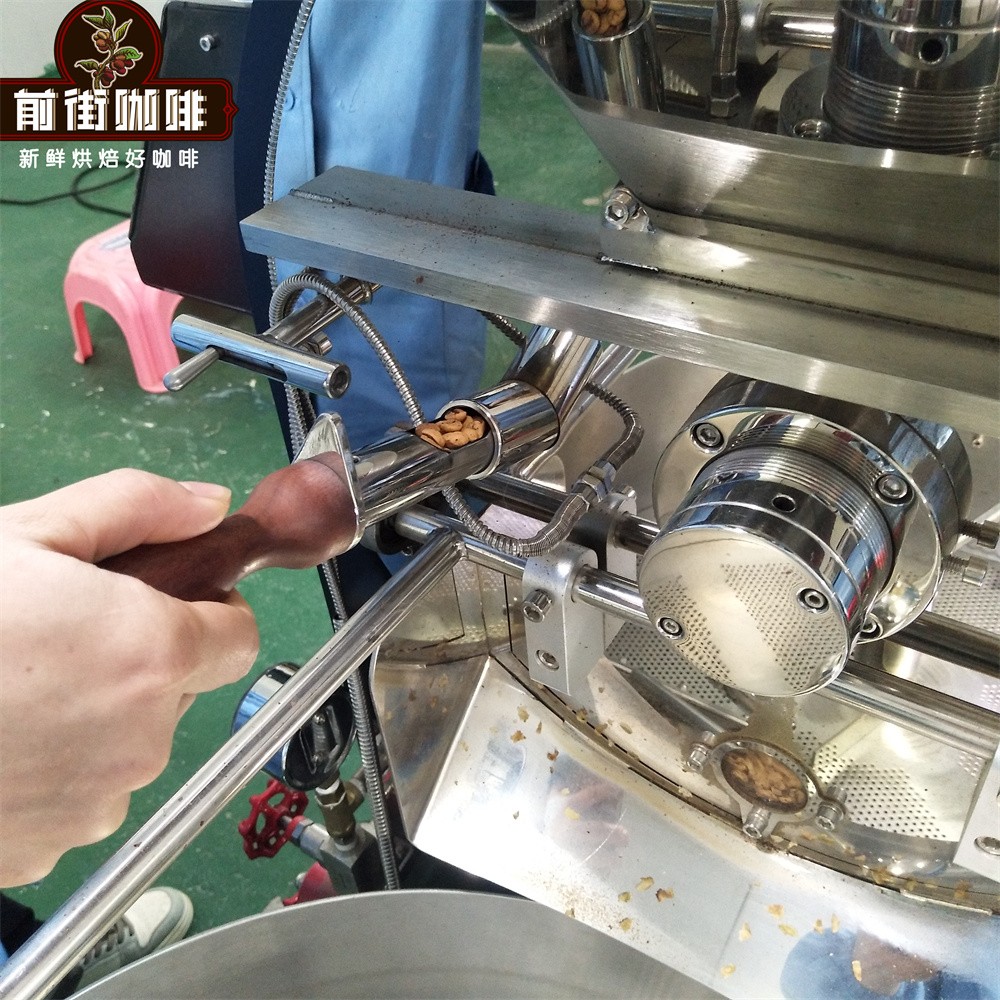
When the coffee beans reach thefirst crack stage, the accumulated internal pressure from steam and carbon dioxide causes the beans to crack, producing a sound similar to popcorn. This is often the ideal drop time for light to medium roasts, preserving more fruit acids and layered complexity. After first crack, there is a brief pause before entering thesecond crack stage, where the sound becomes softer and more crackling. This signals the coffee has entered the medium-dark to dark roast range. Once second crack begins, oils emerge on the bean surface, the color darkens further, and the flavor becomes richer and more intense—suitable forespressoor those who prefer bolder tastes.
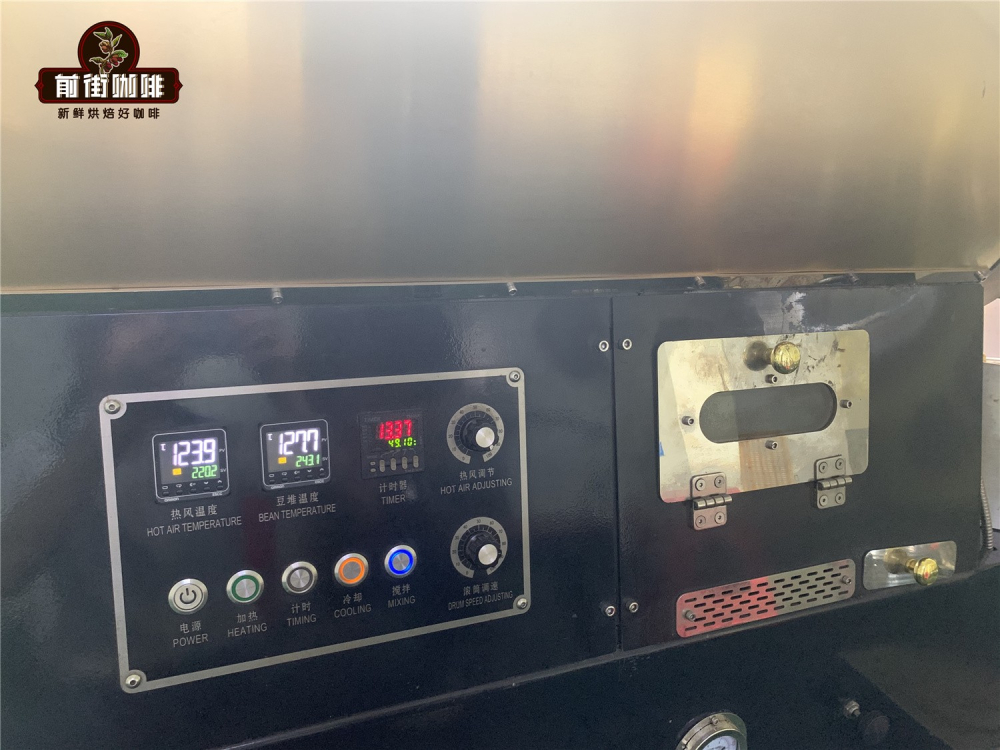
After roasting is complete,the cooling phaseis equally important. Common cooling methods include water quenching, standard air cooling, and refrigerated air cooling. Water quenching cools beans rapidly and increases their density, but because coffee is absorbent, it may affect long-term storage. Air cooling is more common, providing a stable cool-down that preserves flavor stability. Timely cooling prevents further reactions caused by residual heat, which can lead to over-roasting.
The changes brought by coffee roasting are not only reflected in flavor but also involve numerous physical and chemical transformations. During roasting, green beanslose about 12%–21% of their weight, while their volume expands by over 60%. Cellular pores enlarge, making internal substances more readily released. Additionally, large amounts of carbon dioxide and aromatic compounds are generated and trapped inside the beans, influencing freshness and extraction performance. Notably, caffeine content remains nearly unchanged during roasting—so the bitterness of dark roasts isn’t due to higher caffeine levels.
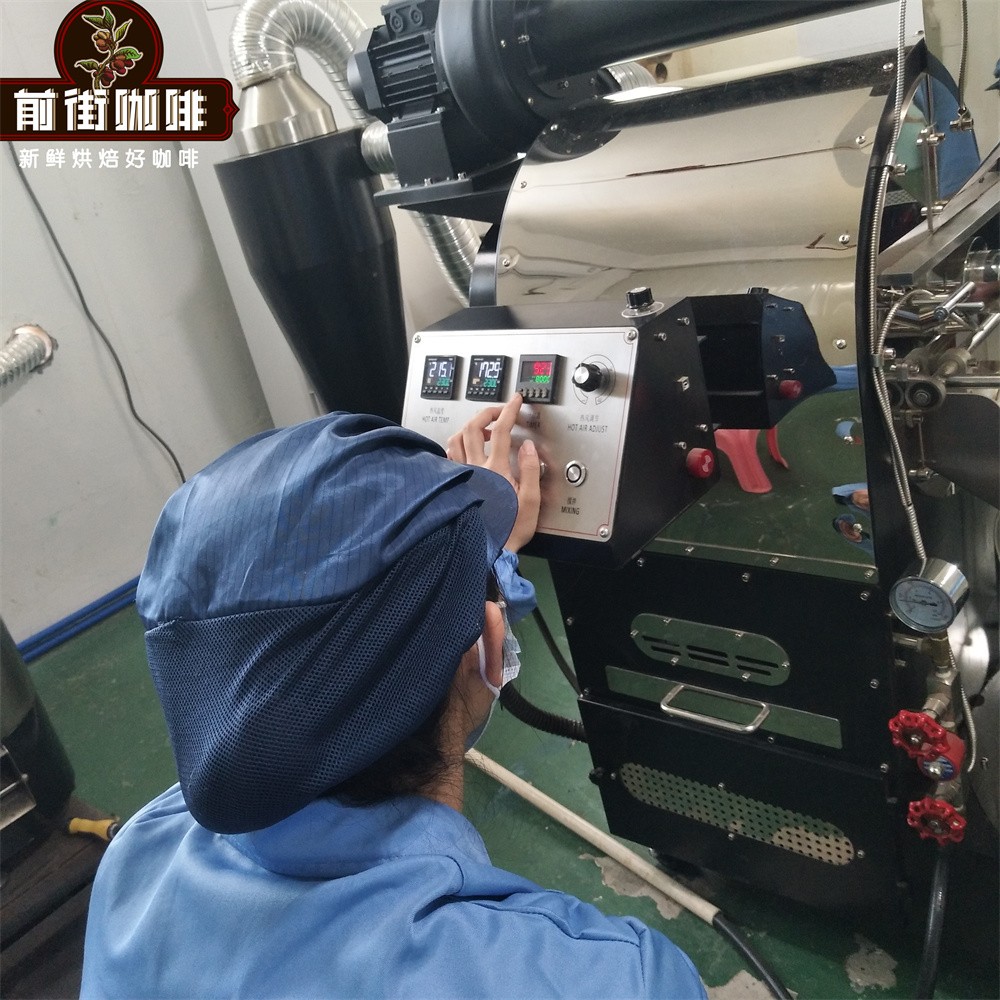
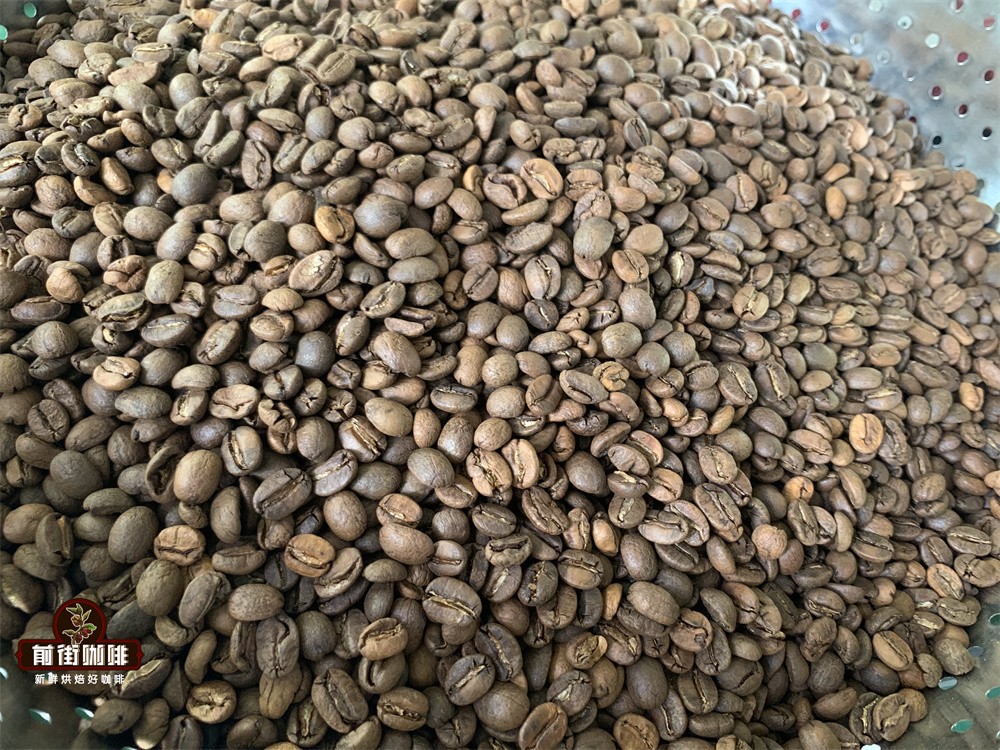
How do you determine a coffee bean’s roast level? In addition to color observation, the industry commonly usesAgtron values (Agtron)as a standard measurement tool. This metric analyzes the reflectance intensity of roasted coffee powder via infrared light—the higher the value, the lighter the roast, and vice versa. For example, light roasts have higher Agtron values, while dark roasts have lower ones. Some roasters also use Roaster % to indicate roast degree; for instance, Roaster 95% corresponds to a light roast, while Roaster 70% indicates a dark roast.
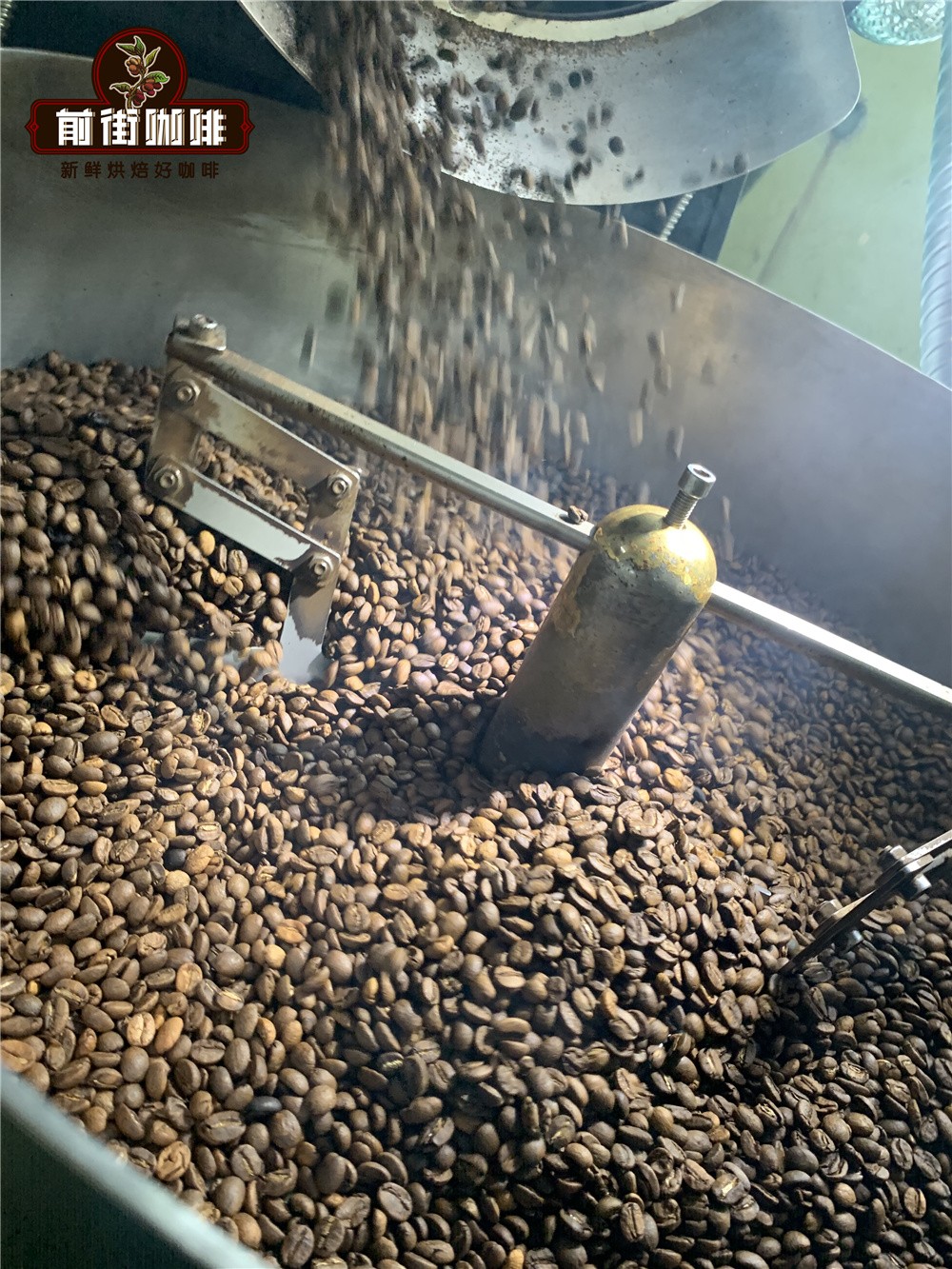
Freshly roasted coffee beans contain a lot of carbon dioxide, and brewing them too soon can negatively impact flavor. It is recommended to let newly roasted beans rest for4–7 daysto degas, allowing the flavors to fully develop before enjoyment. If purchasing pre-ground coffee, there’s no need for degassing, but it should be consumed promptly to prevent rapid aroma loss. For the best flavor experience, it’s advised to buy whole beans and choose an appropriate roast level and bean variety based on personal taste and brewing method.
The above content is compiled by CoffeeHunters, a coffee news website.


