








Introduction:Many coffee enthusiasts at home often find that when using a moka pot or espresso machine to brew, the coffee crema on the surface is thin or even completely absent. So, what exactly is crema — is it really oil? How can you adjust factors such as bean variety, roast level, grind size, and extraction pressure to achieve a rich and dense layer of crema? This article delves into the science behind crema formation and provides practical adjustment tips to help you brew espresso with velvety crema at home.
Many who use a moka pot or espresso machine at home have encountered situations where the crema (the coffee's surface foam) is too thin or almost nonexistent. Especially when seeing the deep brown, fine, and long-lasting crema in professional shops or influencer videos, they can’t help but wonder: why can’t I make it at home?
In fact, to solve this problem, you first need to understand the nature of crema.Crema is not actual oil, but rather a fine foam composed of carbon dioxide bubbles emulsified with coffee lipids.Under high-pressure and high-temperature extraction conditions, the carbon dioxide in the coffee grounds is released and combines with lipids in the water, forming hundreds of thousands of tiny bubbles. These bubbles cluster together to form what we visually perceive as crema.

Since crema is essentially a foam, the factors that influence its richness and stability mainly fall into two aspects: the characteristics of the coffee beans themselves, and the pressure conditions achieved during extraction.
Let’s first talk about the coffee beans. The thickness of crema is closely related to the carbon dioxide content within the beans. Generally speaking,the fresher the coffee beans and the darker the roast, the more carbon dioxide they retain internally, which directly affects the amount of foam that can be generated during extraction. Therefore, if the coffee beans you’re using are too old or lightly roasted, even with sufficient pressure, the crema may turn out thin or may not form at all.
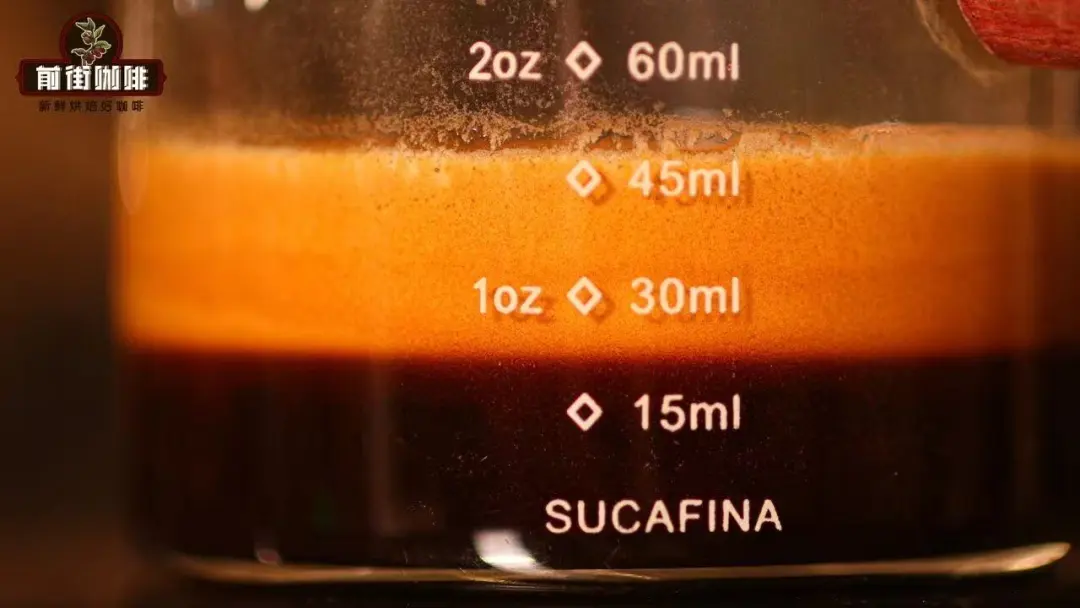
It is recommended that users who prefer a strong flavor and hope for good crema performance choosemedium-dark to dark roasted blends, such as the commonly available commercial blends or dark cocoa-flavored blends. These types of beans, usually roasted darker, retain higher levels of carbon dioxide and have relatively softer acidity, making them suitable for use in moka pots or espresso machines. The resulting espresso is also more suitable for making milk-based coffee drinks.
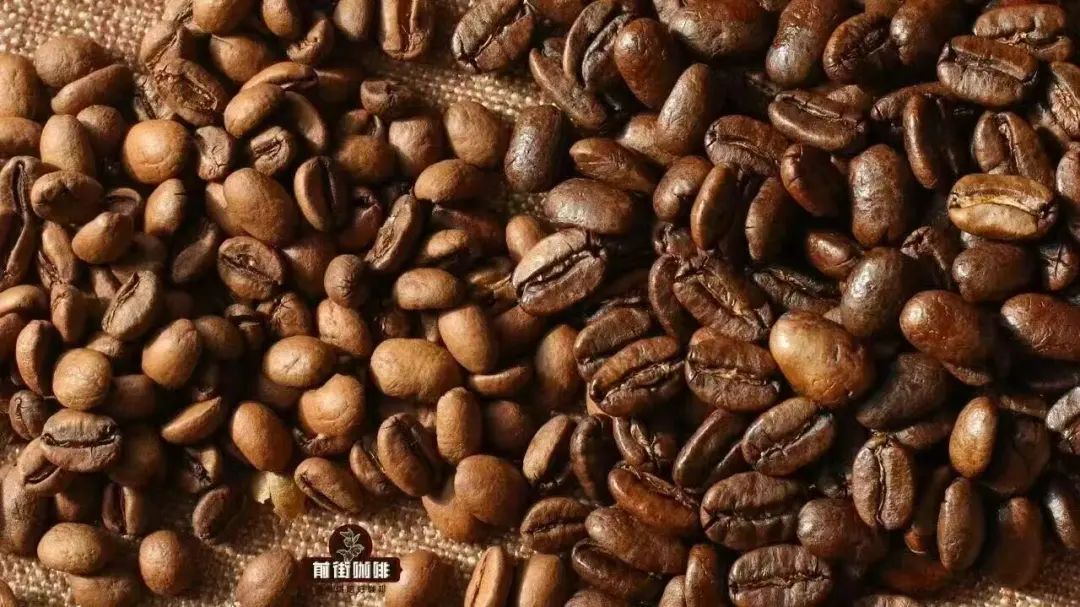
However, it’s worth noting that the ‘thickness’ of crema is not absolutely correlated with how ‘good’ the coffee tastes. Some very dark roasted beans may produce more oil and thicker crema, but if the flavor is already burnt or bitter, it might not necessarily taste good. Therefore,there’s no need to pursue crema thickness at the expense of overall extraction flavor.
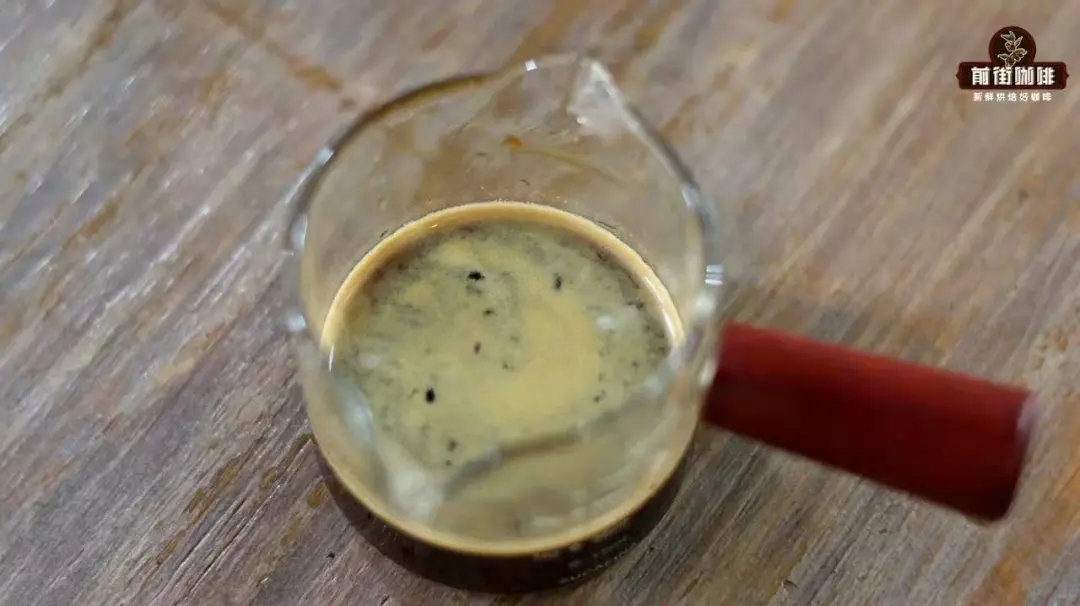
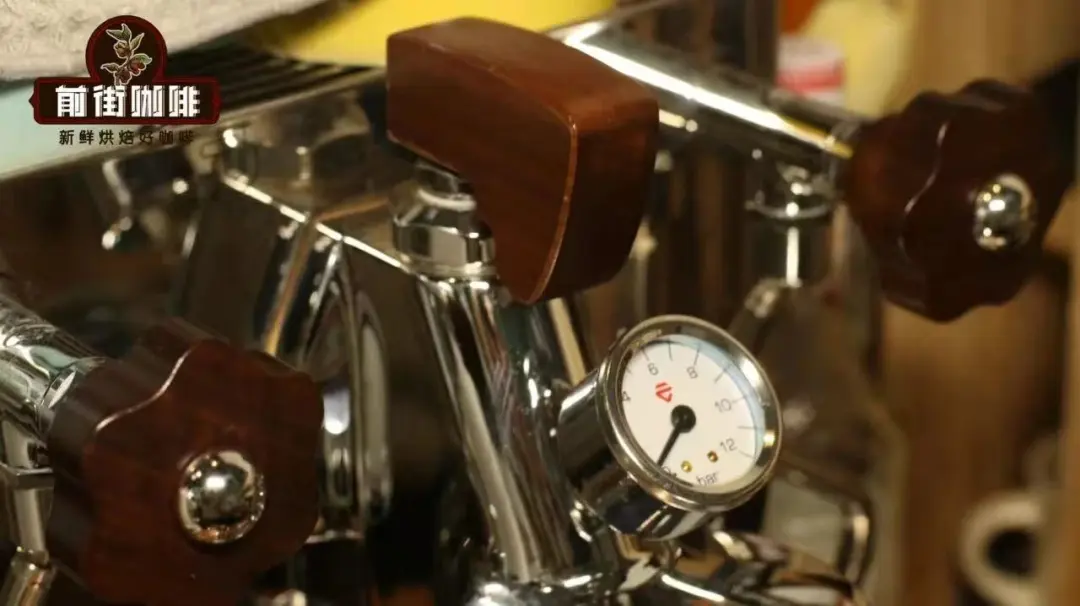
Apart from bean variety and roast level, another decisive factor is extraction pressure. Since crema is a product of pressurized extraction,the water pressure during extraction must be sufficiently high to effectively emulsify the lipids and bubbles, forming a fine and stable foam layer. In a typical home espresso machine, 9 bar is the standard extraction pressure, while a moka pot relies on heat from a stove to generate steam pressure, which can usually also reach a relatively ideal extraction pressure range.
However, if you find that the crema is still thin during use, it is very likely due to insufficient resistance from the coffee puck, preventing the actual extraction pressure from rising. The resistance of the coffee puck is mainly influenced by two factors: grind size and tamp pressure, withgrind size being the most critical.

The finer the coffee grounds, the denser the puck formed by the stacked particles, and the greater the resistance to water flow. In this case, the espresso machine or moka pot needs to apply greater pressure for the water to penetrate, making it easier to create a high-pressure environment, which in turn promotes crema formation. Conversely, if the grind is too coarse, water flows through the coffee bed too quickly, not only resulting in insufficient pressure, but also preventing carbon dioxide from being fully released and emulsified, ultimately leading to thin or absent crema.
If you suspect the grind size is the issue, observe the extraction flow rate:If the coffee flows out too quickly (for example, dripping out in just a few seconds), it indicates the grind may be too coarse and the pressure is insufficient. In
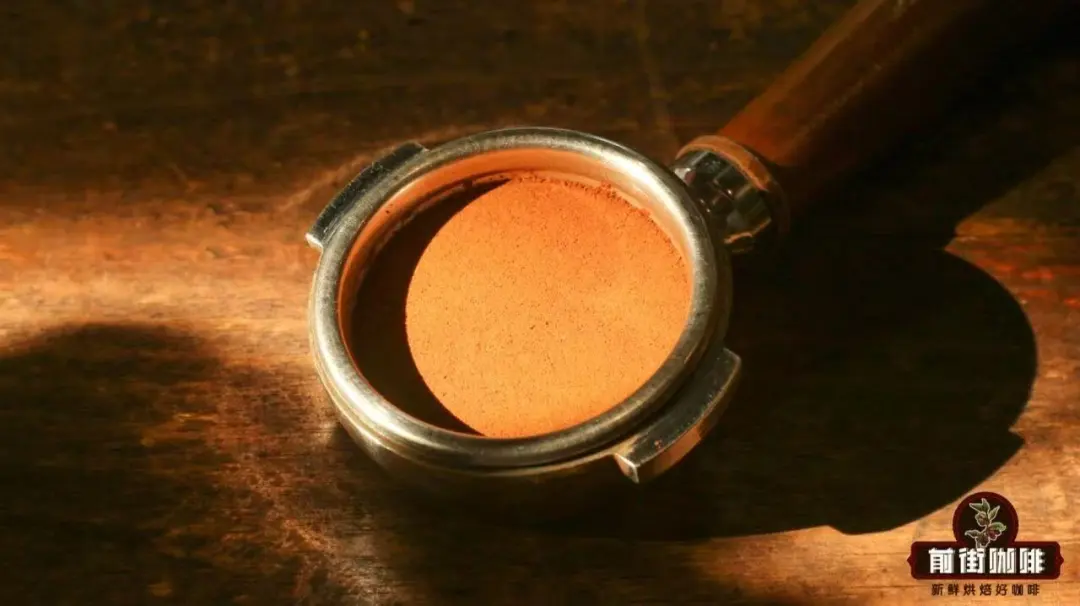
However, it's also important to note that grinding too fine can have the opposite effect. When the coffee puck offers too much resistance and water can hardly penetrate, not only will extraction become uneven and take too long, but it can actually inhibit crema formation, or even lead to over-extraction and bitter flavors. Therefore,when adjusting grind size, you need to find a balance where the water flows steadily with moderate resistance—only then can you extract coffee that is both rich in flavor and boasts a beautiful crema.

In summary, if you want to brew espresso with a thick layer of crema at home using a moka pot or an espresso machine, the key lies in using freshly roasted, medium-to-dark roast beans with an appropriate degree of roast, and adjusting the grind size correctly to ensure sufficient pressure and water resistance during extraction. As long as you master these basic principles, even without professional equipment, you can gradually approach that coveted layer of fine, velvety crema.
The above content is compiled by CoffeeHunters, a coffee news website.


