








Introduction:Selecting the right coffee beans for pour over is key for beginners. This article features 7 classic single-origin beans from around the world, covering well-known regions such as Ethiopia and Colombia. It analyzes how processing methods like washed and natural affect flavor, and provides practical brewing parameters from light to medium-dark roasts to help newcomers easily find a balanced and beginner-friendly bean selection.
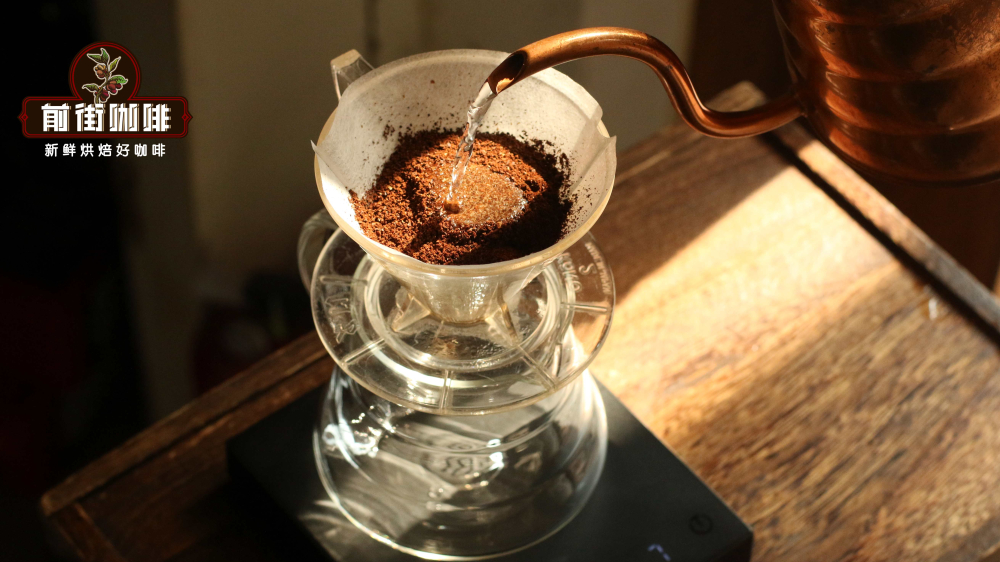
What is pour over coffee?Pour over coffee involves controlling water temperature, flow rate, and grind size to extract aromatic compounds from coffee grounds using hot water. Unlike espresso, pour over emphasizes clarity and layered flavors,with water temperature recommended between 90-96°C, and a medium-fine grind (similar to table sugar). Basic equipment includes a pour over kettle, filter cone, scale, and thermometer.

Freshness is key to flavor,with the optimal tasting window being 4–30 days post-roast. It’s recommended to choose beans shipped within 5 days of roasting to ensure they arrive with vibrant aroma. The 7 beans recommended in this article are all high-value everyday beans, suitable for daily practice and flavor exploration.
Ethiopia Yirgacheffe Washed(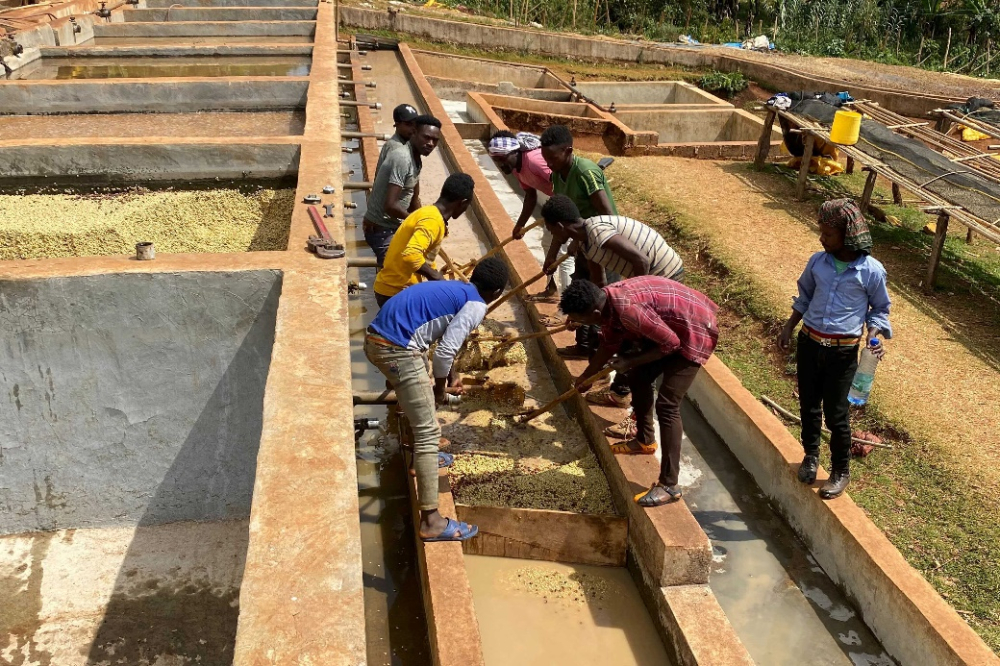 ) is a classic entry-level option, grown in Africa’s highland wetlands and processed using the washed method to reduce defect rates. It delivers bright citrus, lemony acidity, and white floral notes, with a tea-like clean mouthfeel.Recommended for light to medium roast, with a slightly finer grind (around 70% through a #20 sieve), water temperature at 92–94°C, using a center pour + circle method, with total brew time around 2 minutes 30 seconds.
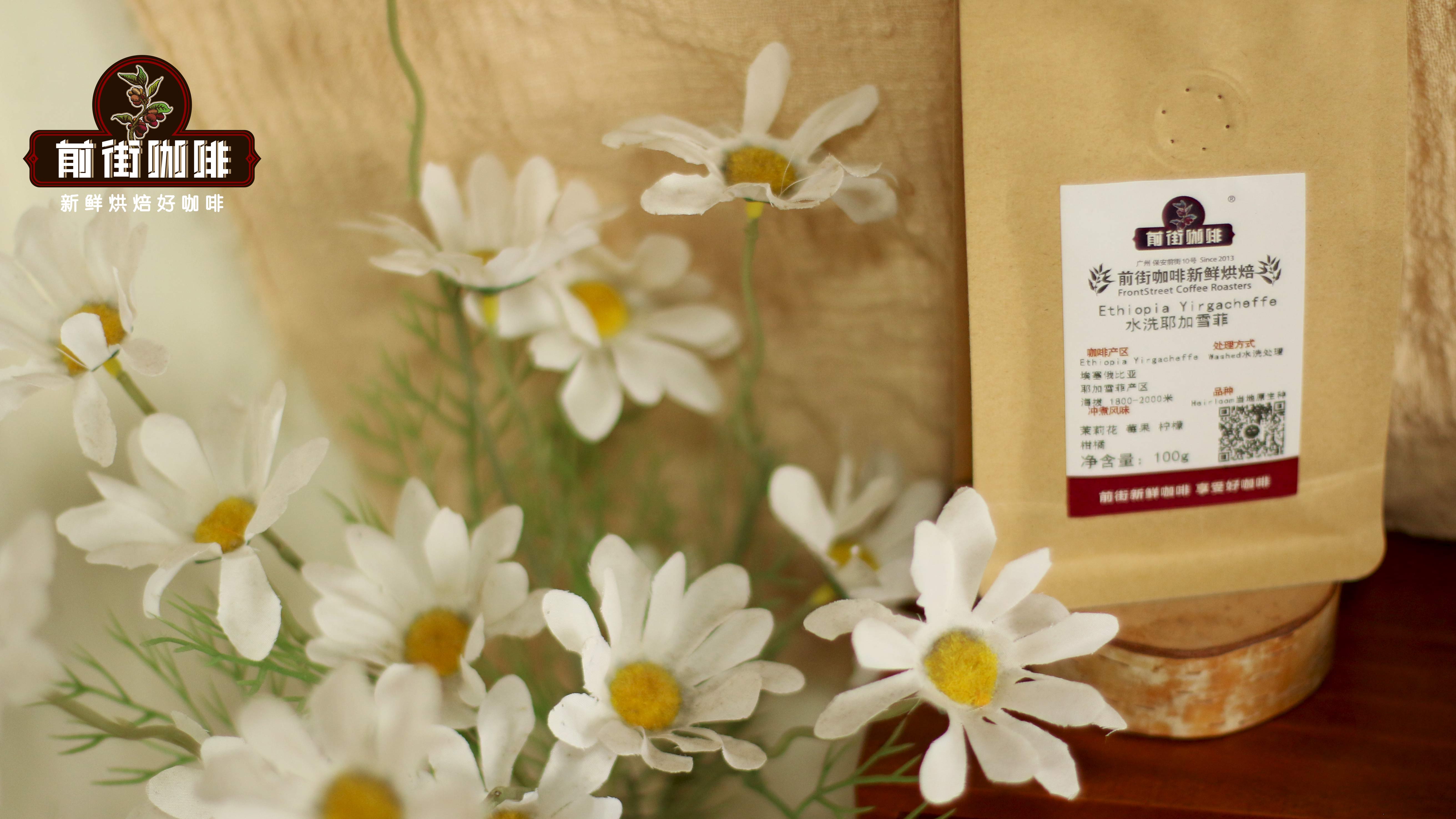
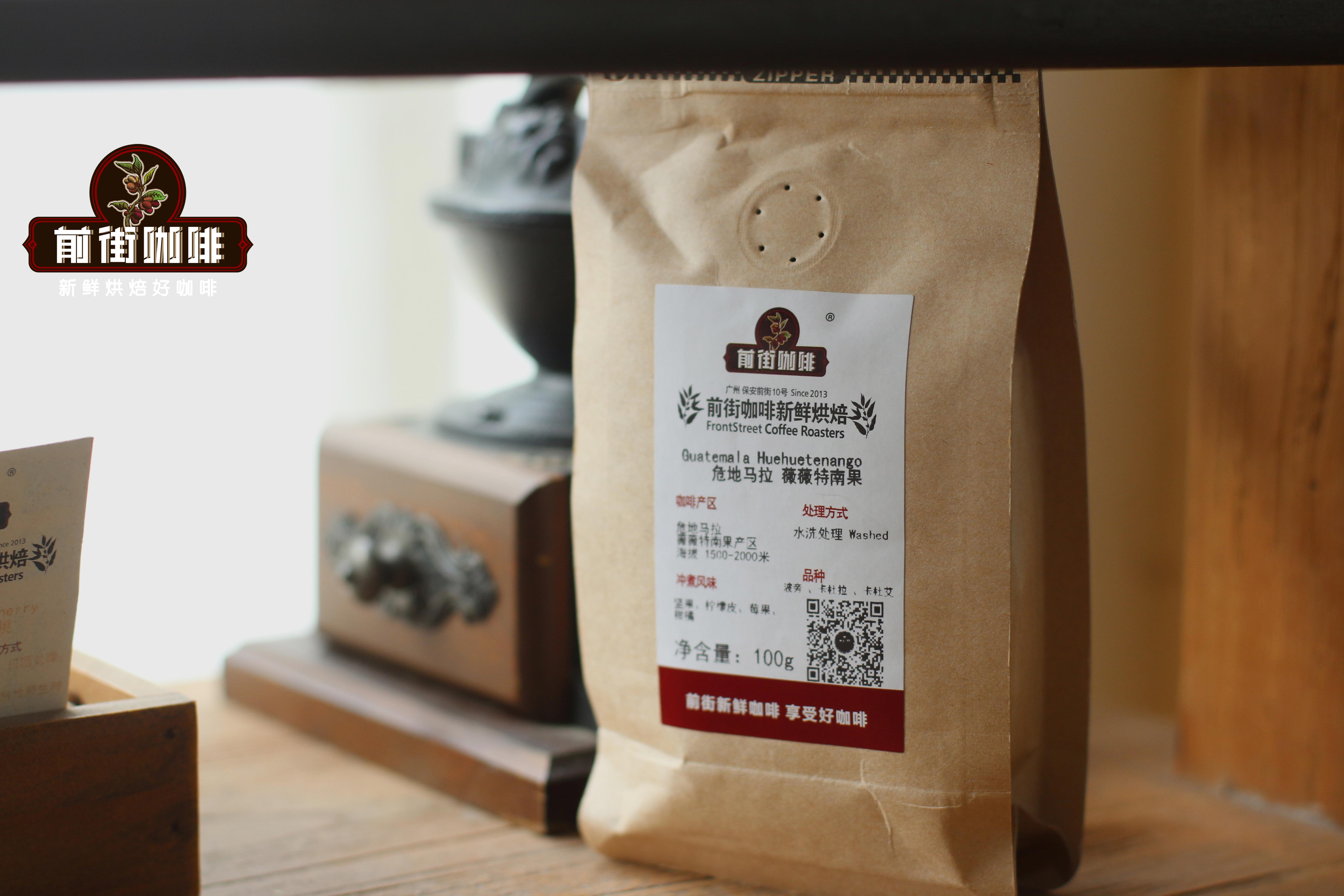
Guatemala Huehuetenango Washed(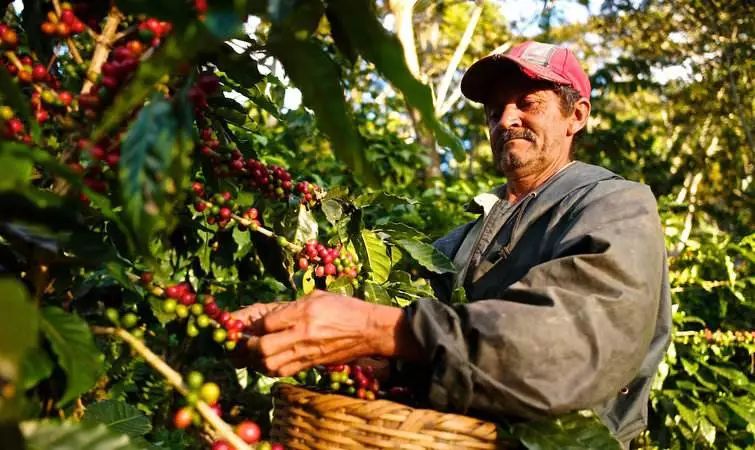 ) grows in high-altitude volcanic soil regions, with SHB (Strictly Hard Bean) grade offering full body. The washed process highlights clean fruitiness,with light to medium roast bringing out citrus and nutty tones, suitable for beginners who enjoy layered flavors. Avoid excessive agitation during pouring to prevent over-extraction and bitterness.
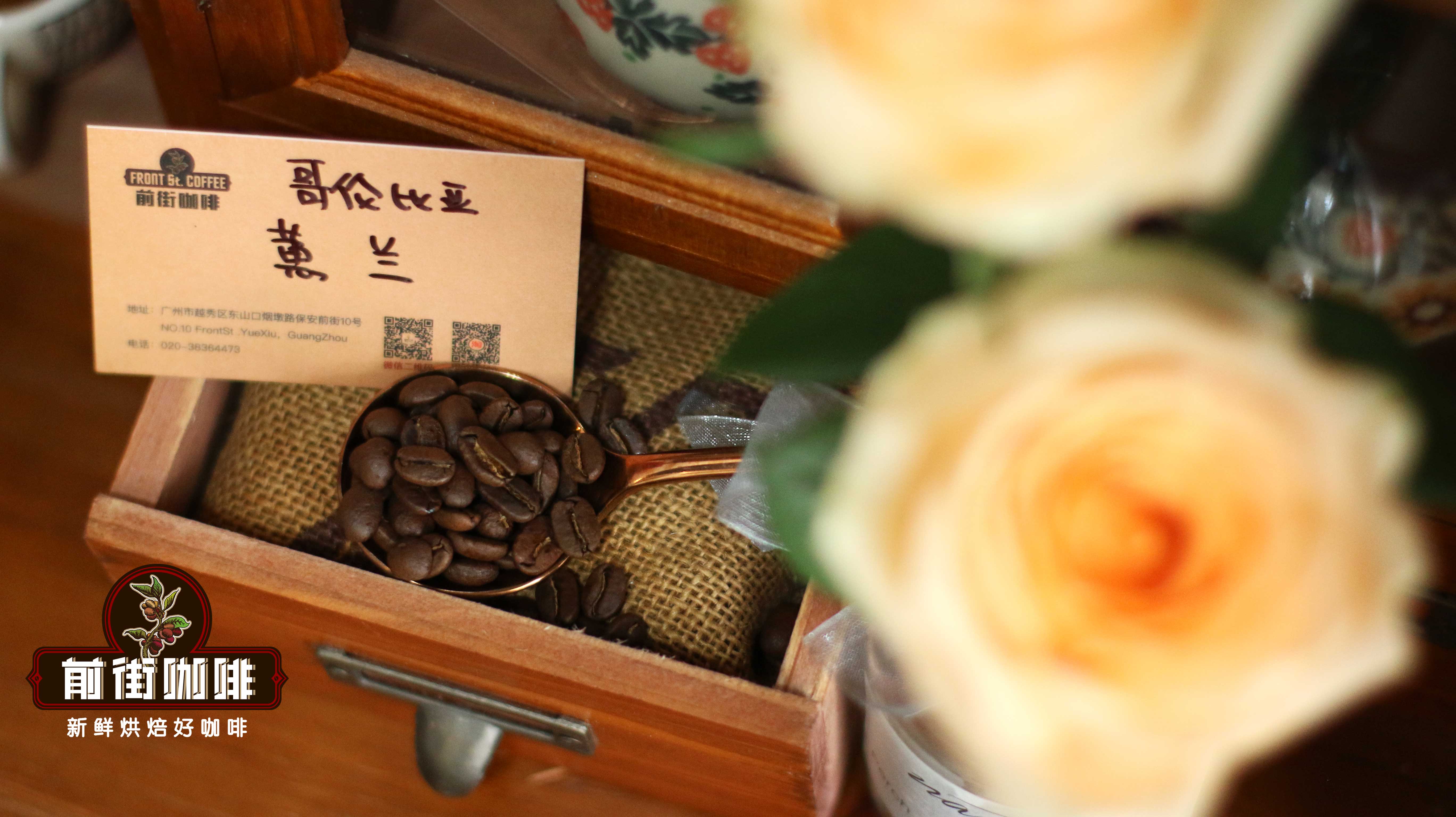
Colombia Huila Washed(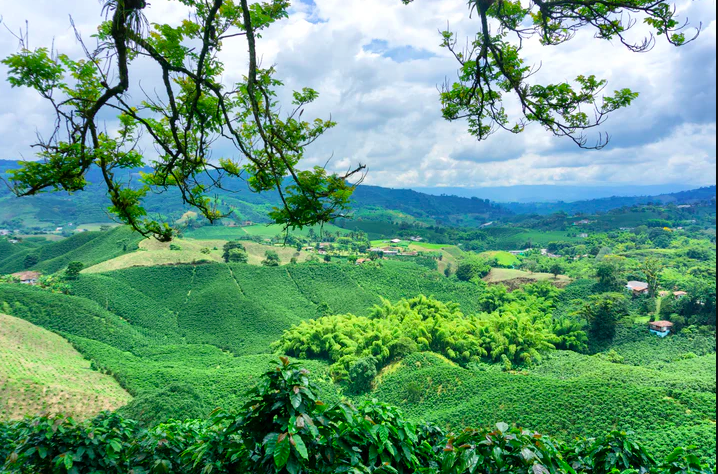 ) comes from the foothills of the Andes, where volcanic ash soil and stable climate foster balanced flavors.Medium to dark roast preserves nutty and chocolate foundationswhile maintaining moderate acidity. Grind can be slightly coarser (65% through a #20 sieve), water temperature at 90–92°C, suitable for those seeking stable flavor profiles.
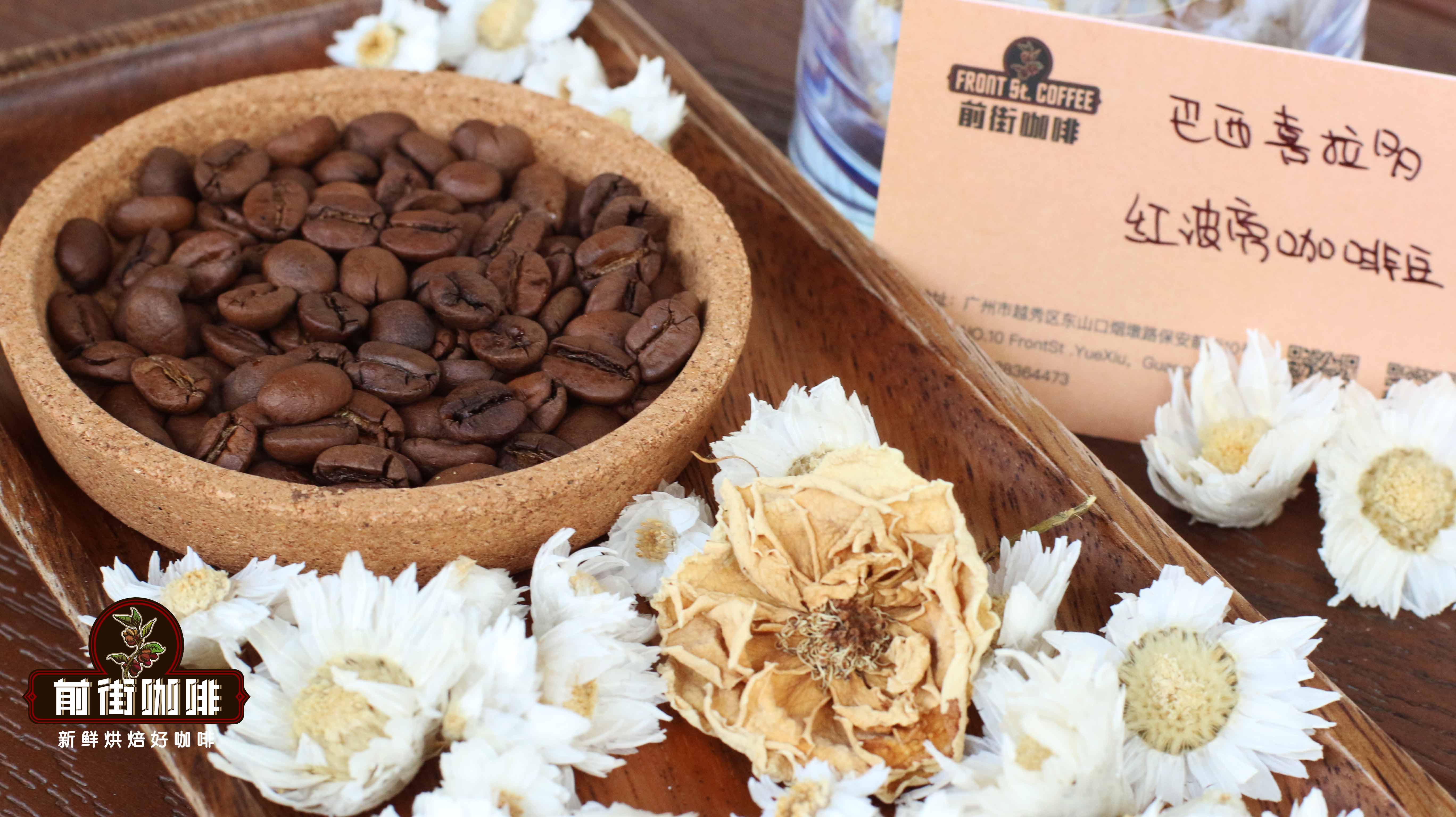
Brazil Cerrado Pulped Natural Red Bourbon(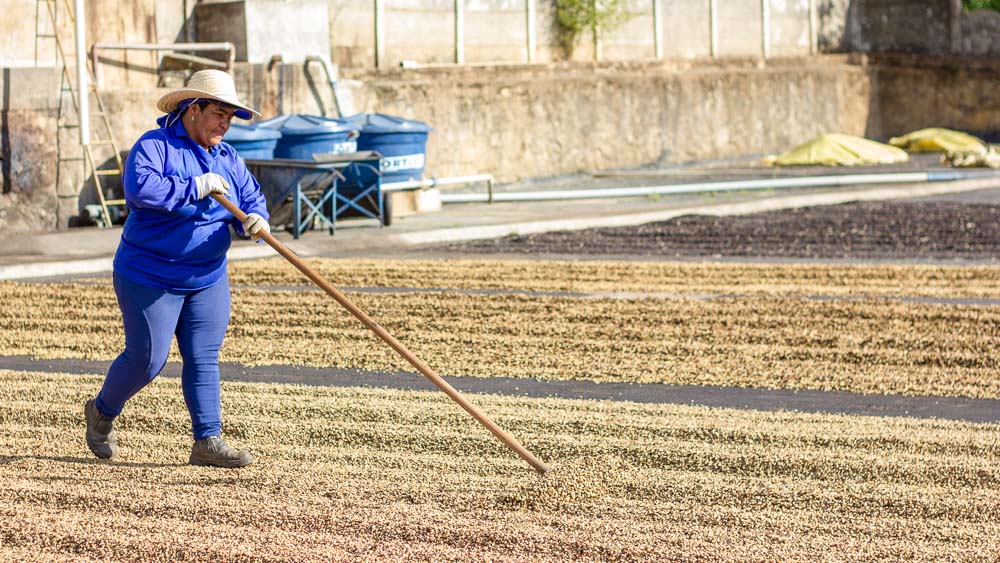 ) hails from Minas Gerais, with plantation on flat land contributing to full body and low acidity.Pulped natural processing brings caramel and creamy aromas, with medium to dark roast yielding a heavy body, great for milk pairing or drinking black. Extend bloom time to 30 seconds to enhance sweetness.
Costa Rica Tarrazú Washed(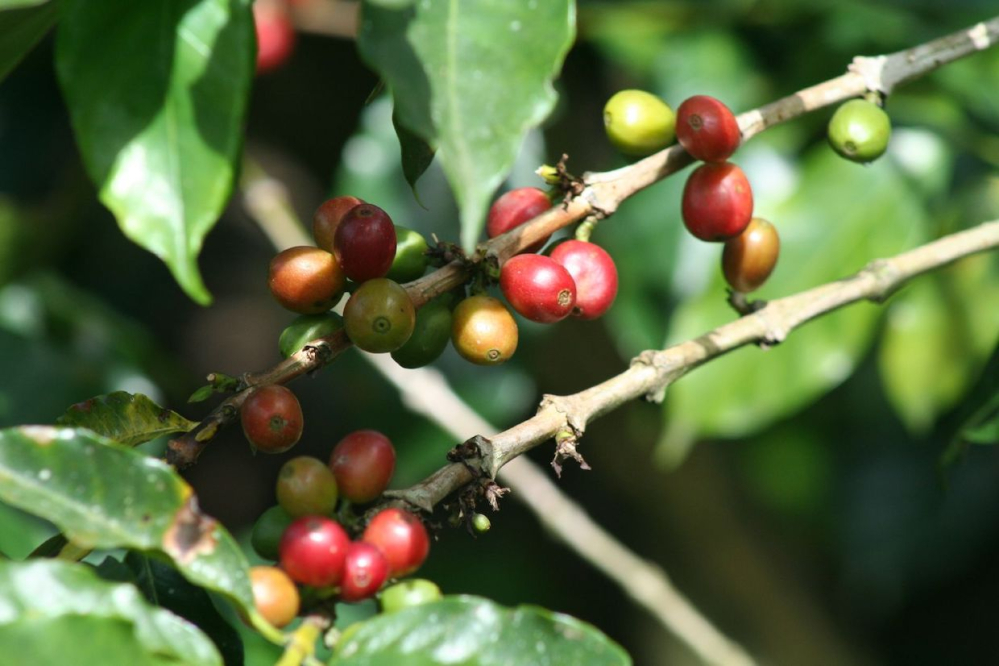 ) is grown at 1200–1700 meters altitude, with volcanic soil providing rich minerals.A blend of Catuaí and Catimor varieties, the washed process softens acidity, with tropical fruit and black tea notes. Light to medium roast is recommended, with a medium grind and slower pour rate to avoid over-extraction.
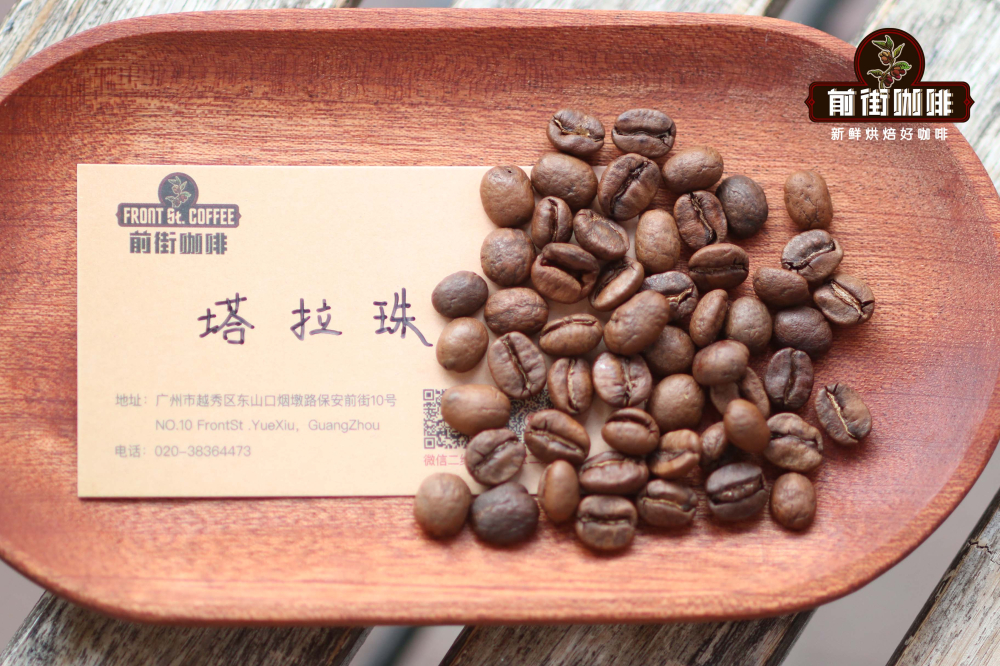
Indonesia Lintong Mandheling Wet-Hulled(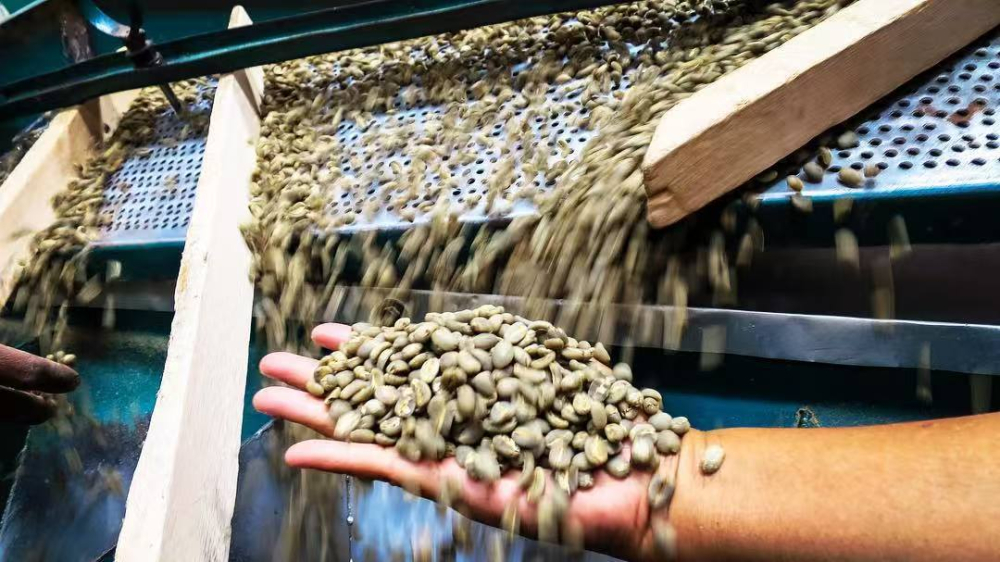 ) uses a unique wet-hulling process that accelerates drying and creates distinctive woody tones.Medium to dark roast enhances spicy and herbal notes, with bold flavors and long-lasting aftertaste. Beginners should use coarse grind (60% through a #20 sieve) and lower water temperature (88–90°C) to avoid excessive bitterness.
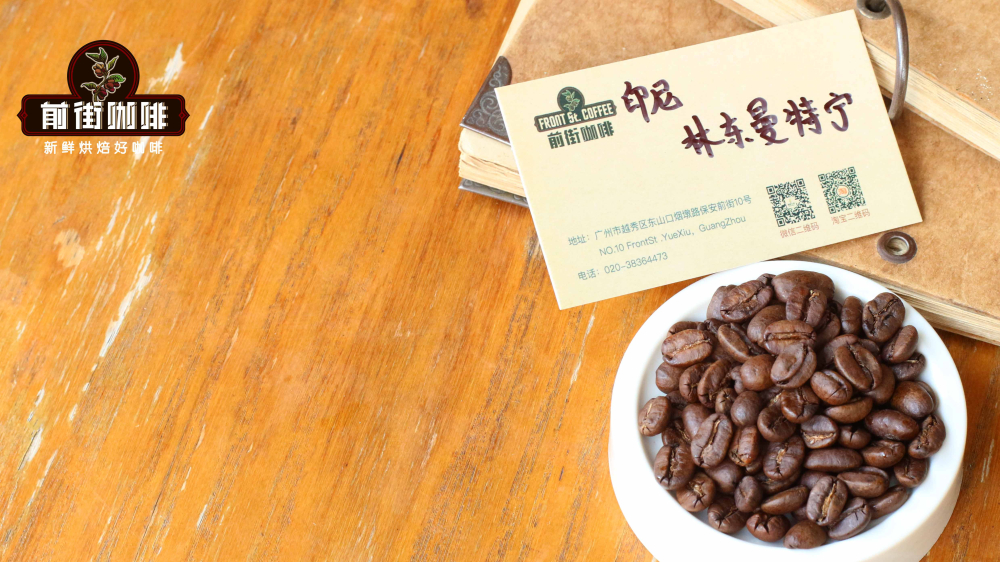
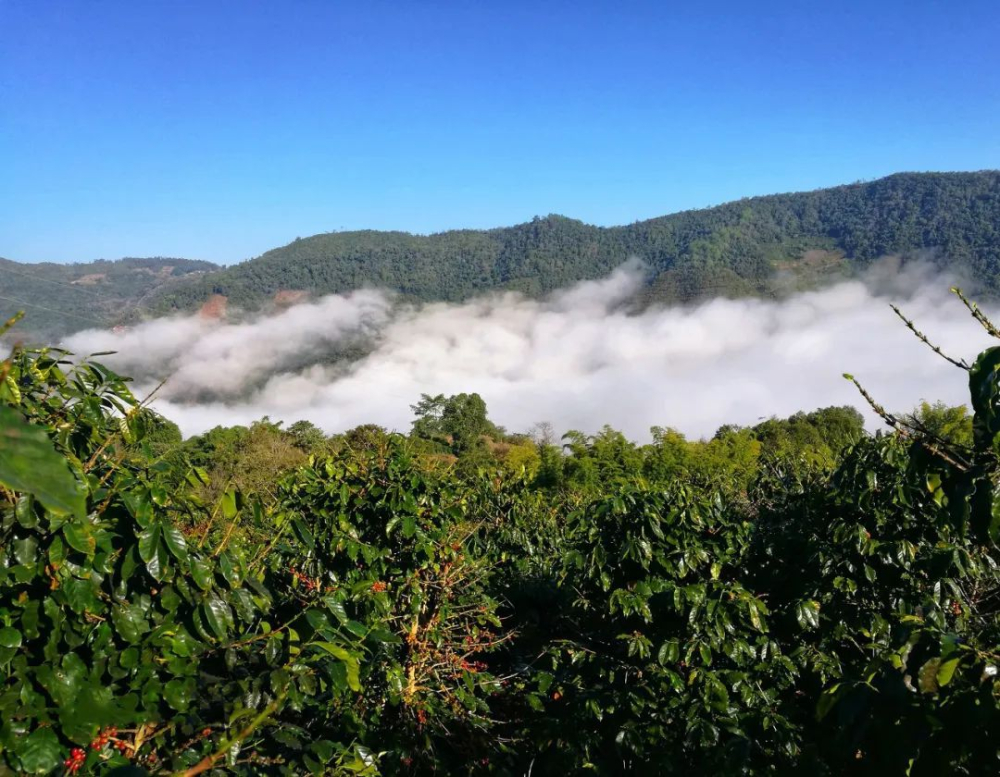
China Yunnan Baoshan Washed Small Bean(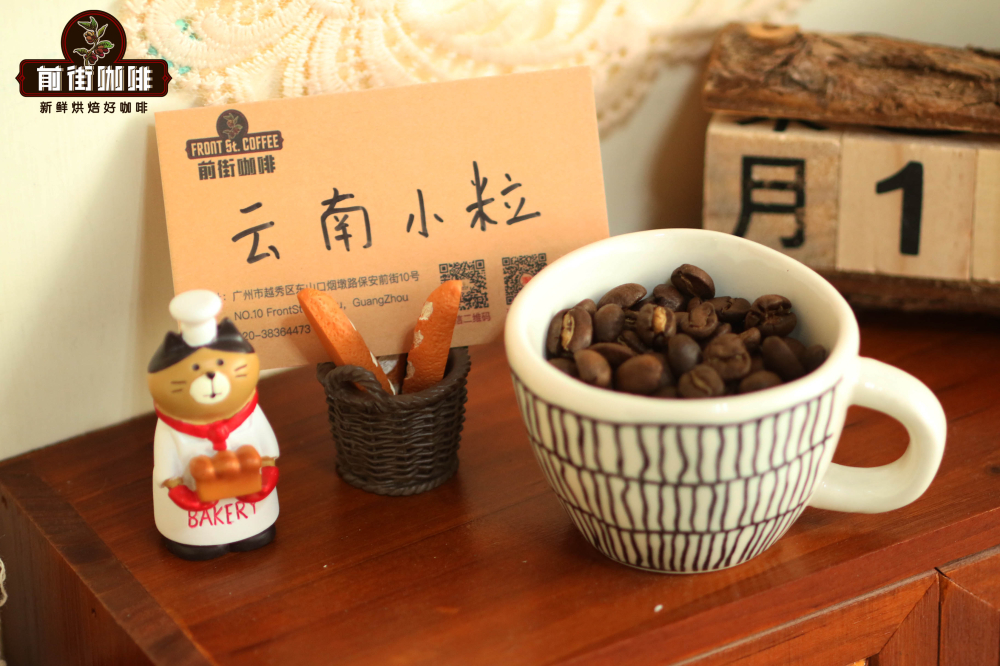 ) has seen significant quality improvement in recent years. The dry-hot valley climate of Baoshan contributes to high sweetness and balanced acidity.Medium roast retains nutty and chocolatey base notes, paired with the cleanliness of washed processing, suitable for beginners who prefer an oriental flavor profile. Segment the pour to improve flavor clarity.
The above content is compiled by CoffeeHunters, a coffee news website.


