







Introduction:The Moka pot is a classic brewing device found in the homes of many coffee enthusiasts. Through pressurized, short-term extraction, it can produce a rich flavor profile similar to that of an espresso. However, if the grind size is incorrect or the coffee bean variety is not well chosen, it’s easy to end up with over-extracted, bitter, or weak-tasting coffee. This article will delve into the recommended coffee grind fineness for Moka pot brewing, suitable medium to dark roast bean varieties, as well as practical tips on coffee filling and operation, helping you brew coffee with rich crema and balanced flavors.
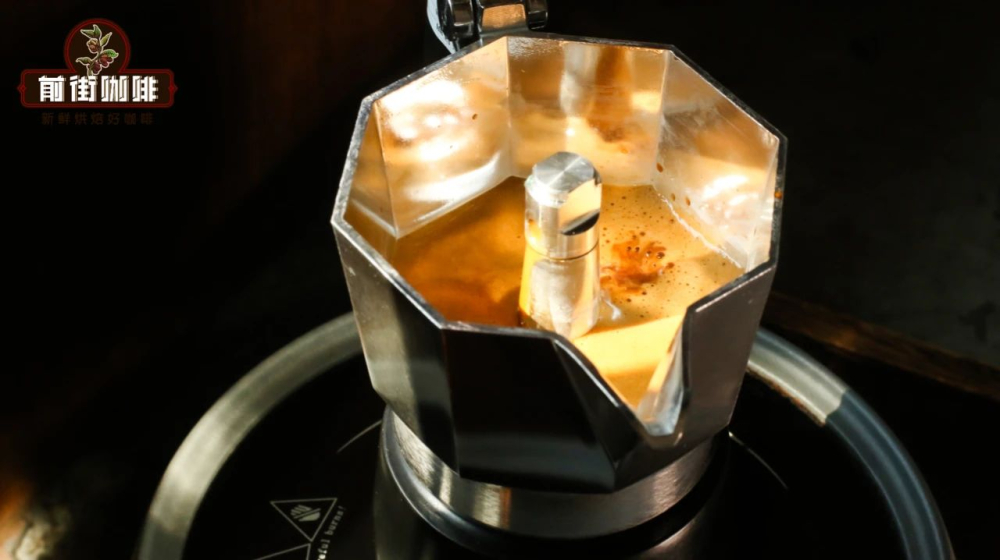
The Moka pot was born in the 1930s and is one of the pioneers among home coffee brewing tools. This device uses steam pressure generated by heating to push hot water through a bed of coffee grounds, achieving high-pressure extraction in a short time, similar to the effect of an espresso machine. However, compared to professional coffee machines, the Moka pot is more sensitive to grind size, evenness of coffee packing, and bean variety selection. A slight mistake can easily result in coffee that is bitter, overly strong, or lacks flavor.

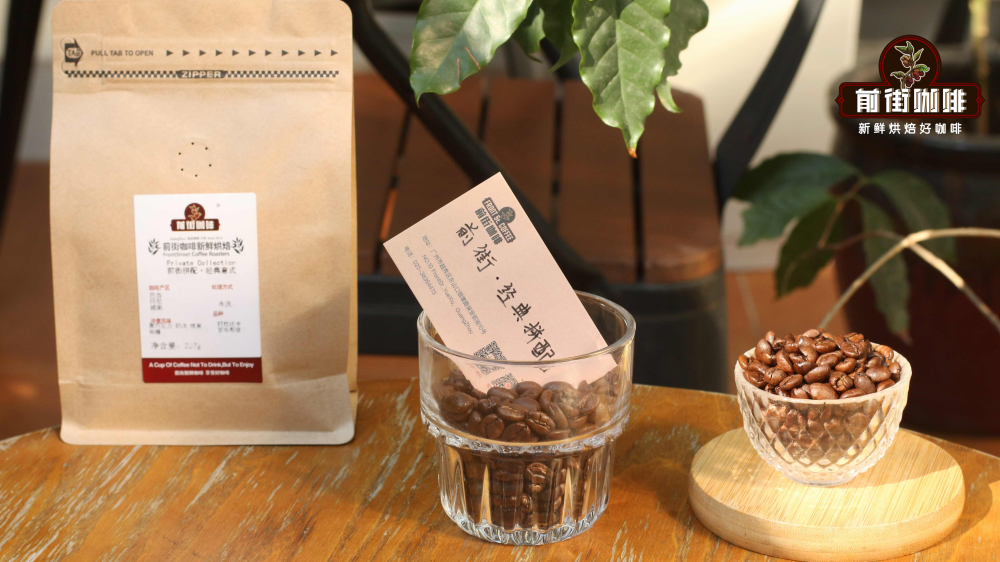
First, when selecting coffee beans, it is recommended to prioritize those with a medium to dark roast or medium roast level. This range of roast levels promotes more caramelization reactions, releasing rich aromas and oils while retaining moderate acidity, resulting in a smoother and fuller-bodied coffee taste that also better matches the high-pressure extraction characteristics of the Moka pot. In contrast, light roast beans may release excessive sharp acidity and herbal notes due to the Moka pot’s high temperature and pressure, which can be difficult to balance even when milk is added later.
In terms of bean variety, you can choose either single-origin beans or blends based on personal taste. Single-origin beans can showcase distinct regional characteristics, such as the common spice and earthy tones of Indonesian beans, or the nutty and chocolatey flavors of Central and South American beans; blends are usually formulated to balance taste and ensure flavor stability, offering good value for money and being highly suitable for daily use. Regardless of the type, freshness is key—choose beans roasted within 7 to 21 days for optimal flavor performance.

When filling the coffee grounds, make sure to fully pack the Moka pot’s coffee chamber. This is not only to make full use of the space but also to ensure even pressure and stable flow rate during extraction. The correct method is to fill the chamber with coffee beans, then grind them all and pour them back in. If they don’t fully fill the chamber, gently tap the base on a table to allow the coffee grounds to naturally settle and compact. The firmer and more uniform the coffee layer, the better it avoids issues like over-extraction in some areas and under-extraction in others, and it also effectively reduces sharp off-flavors and channeling effects.
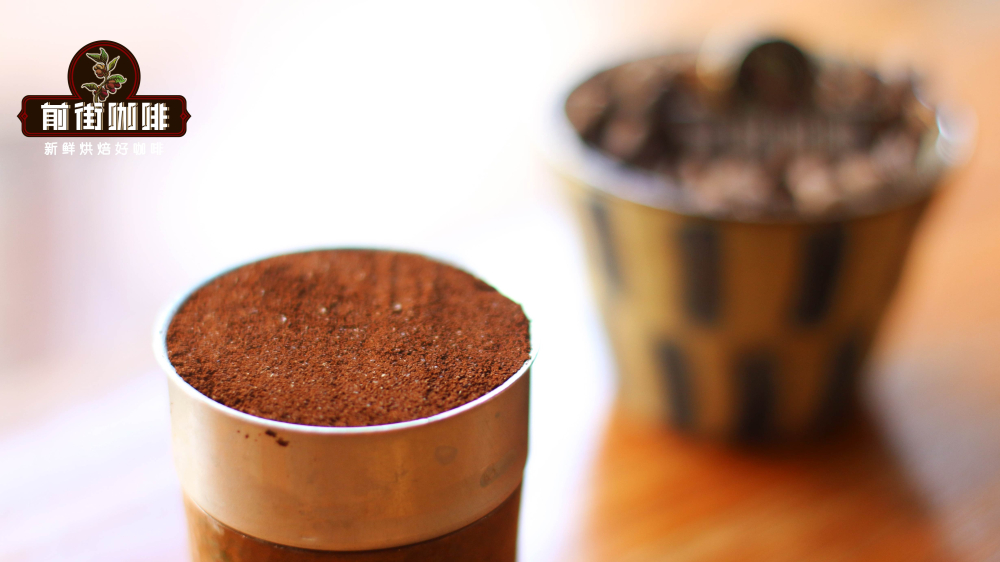
As for grind size, this is the most precisely controlled aspect of Moka pot brewing. The grind size needed for a Moka pot is finer than that for pour over, but slightly coarser than that used in standard commercial espresso machines. The ideal Moka pot grind should be fine enough that it barely falls through the gaps in the metal filter of the coffee chamber, yet not so fine as to completely block the water flow. If ground too finely, it can lead to over-extraction, resulting in pronounced burnt bitterness and astringency; if too coarse, the water flows too quickly, leading to weak coffee flavor and lack of body. Beginners are advised to adjust according to the actual gaps in their Moka pot’s coffee chamber and to experiment multiple times to find the fineness that best suits their specific equipment and coffee beans.
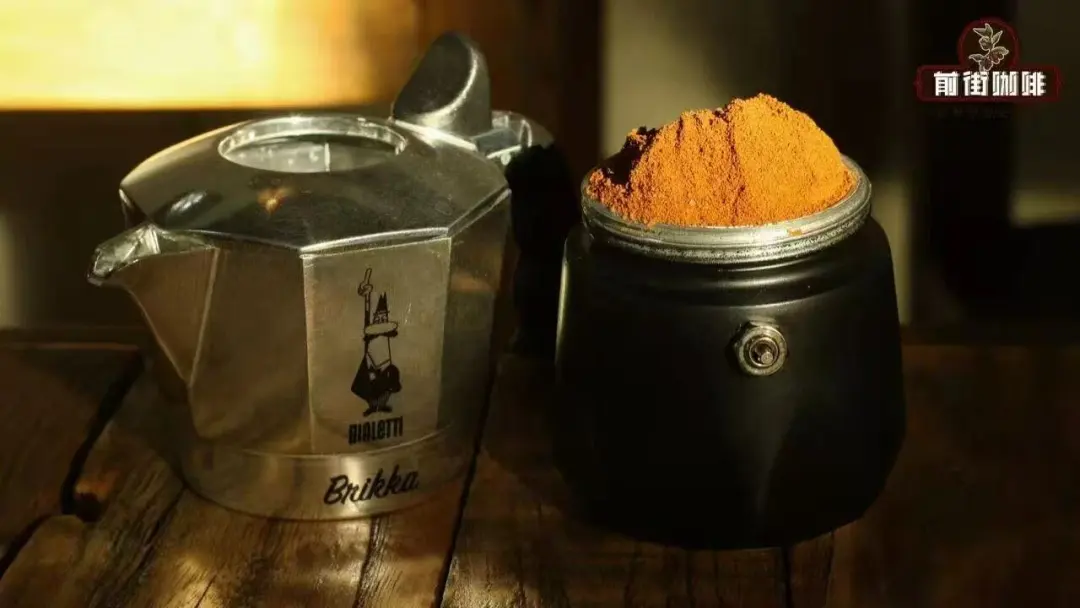
In summary, to brew coffee with balanced flavors, fine crema, and no bitterness using a Moka pot, the key lies in: selecting fresh coffee beans with a medium to dark roast, packing the coffee chamber firmly to ensure even extraction, and adjusting to the just-right grind size. Mastering these three elements means even beginners can brew Moka pot coffee with café-quality richness, enjoying the pleasure of effortless extraction at home.
The above content is compiled by CoffeeHunters, a coffee news website.


