







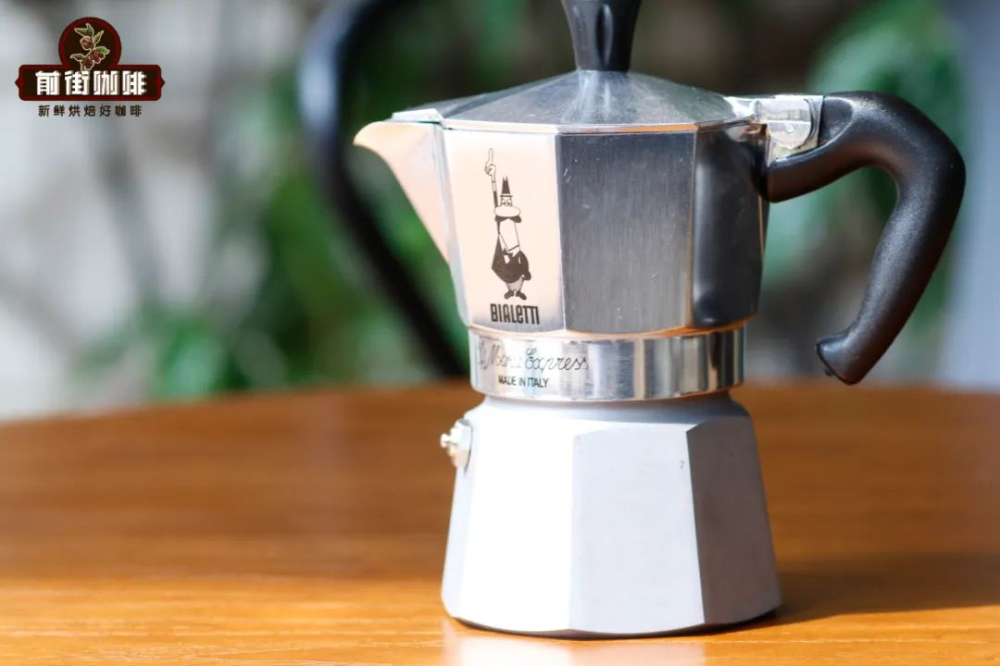
Introduction:Want to easily brew espresso-level black coffee at home? The moka pot is the go-to tool for many households, using pressure to extract richly flavored coffee. This article not only explains the structure, operation steps, and heat control of the moka pot, but also recommends several low-acid, sweet-aftertaste coffee beans suitable for use with it—helping you get everything right from bean selection to brewing, so you can craft your own signature espresso-style flavor.
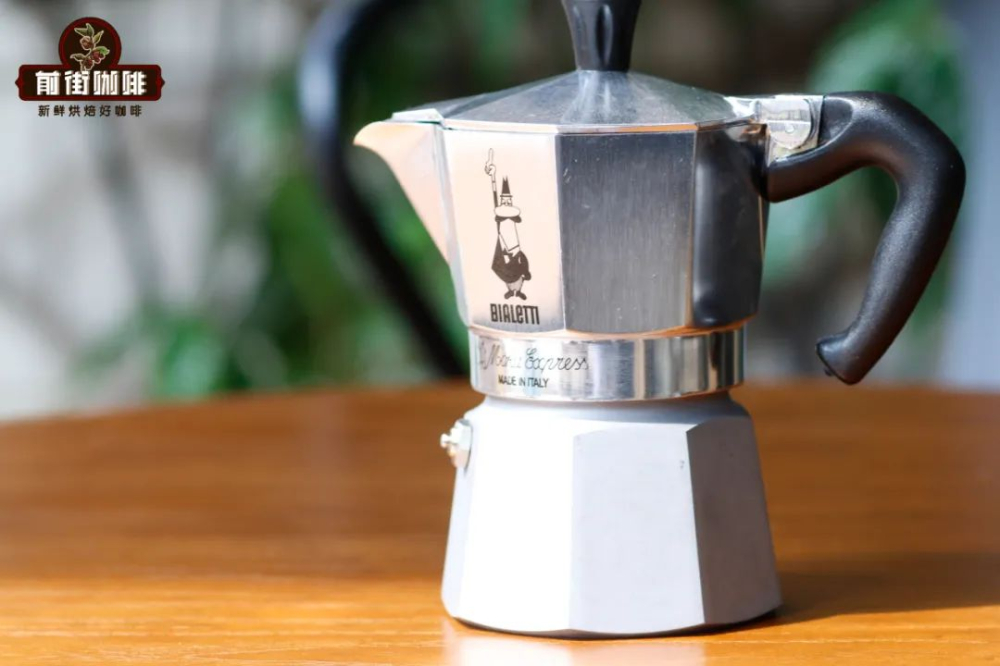
The moka pot is a classic Italian device that uses heat-generated pressure to brew strong coffee. It was first invented in 1933 by Alfonso Bialetti. To this day, it remains a common coffee tool in European homes, especially in Italy, beloved for its simple design and excellent extraction performance.
Modern moka pots on the market are mostly made of stainless steel—not only durable, but also able to be used directly on induction cooktops. Compared to earlier aluminum versions, which could only be heated with an open flame, this offers more convenience and versatility. In terms of size, the most commonly used for home settings are the compact 2–3 cup models, which save coffee grounds while still producing a sufficient amount in one brew.
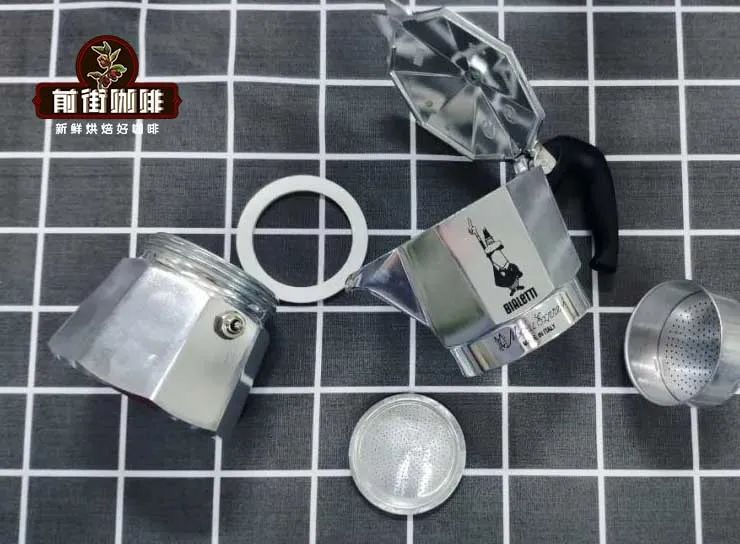
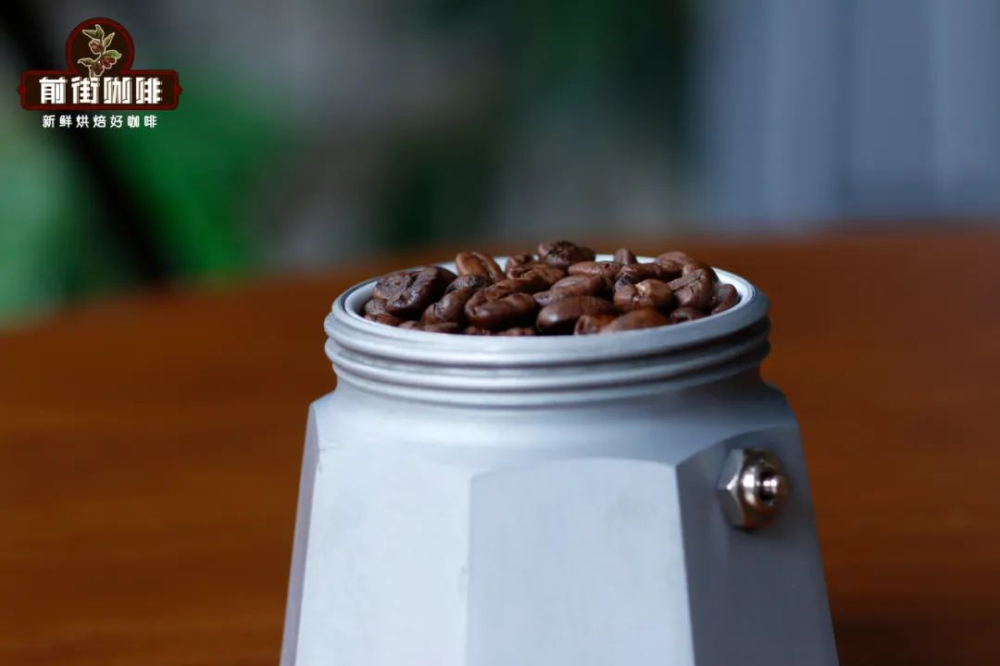
The moka pot mainly consists of three parts: the upper chamber holds the brewed coffee, the middle filter basket holds the coffee grounds, and the lower chamber is for water. When heated, the water in the lower chamber turns into steam, generating pressure that pushes the water upward through the coffee grounds layer, extracting a wealth of aromas and soluble substances, ultimately forming a rich and layered coffee liquid.
To successfully brew delicious moka pot coffee, using freshly roasted coffee beans is key. During the roasting process, coffee beans produce a large amount of aroma and carbon dioxide. These gases can be released under appropriate pressure, adding more flavor and body to the coffee. However, over time, the volatile aromatic compounds in the beans gradually dissipate, resulting in less crema, bland flavors, or even paper-like or astringent notes during extraction.
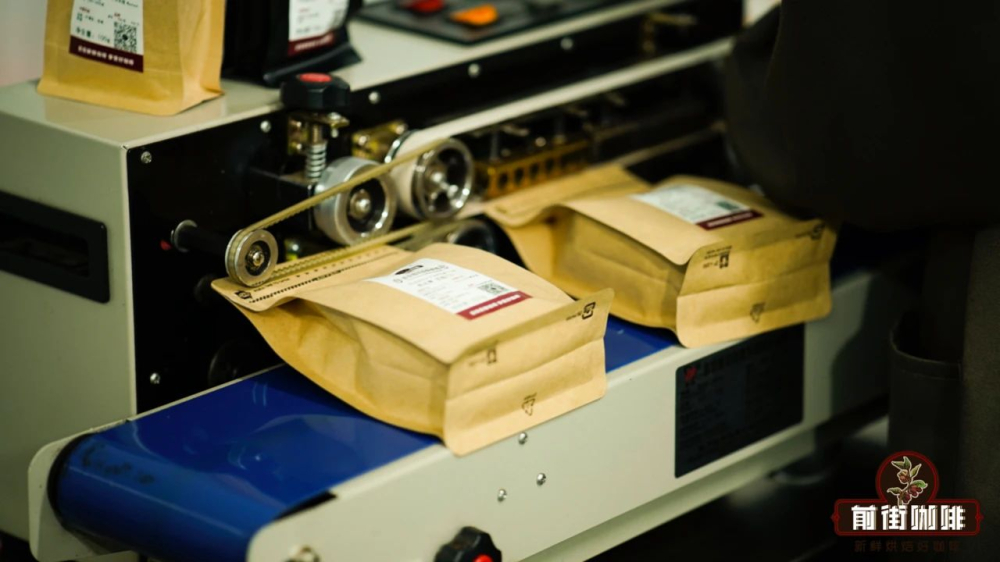
To maintain optimal flavor, it is recommended to choose beans roasted within 5 days and prioritize products from reliable suppliers to ensure they are still within their prime upon arrival. Fresh coffee beans are more likely to release rich crema, making moka pot coffee more layered and sweet on the finish.
For the characteristics of the moka pot, medium-dark roasted beans are the most common and recommended choice. This roast level balances acidity and bitterness while delivering a rich mouthfeel and abundant crema, reducing the failure rate for first-time users. If you prefer a simpler option, you can directly choose beans labeled as “espresso beans”—these are specifically designed for use in espresso machines or moka pots, suitable for both professional and home use.
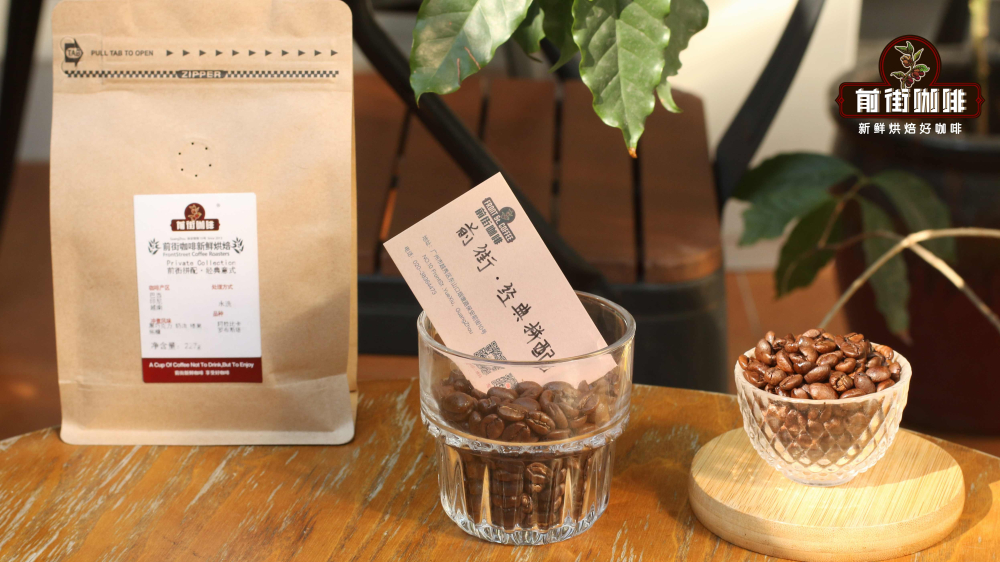
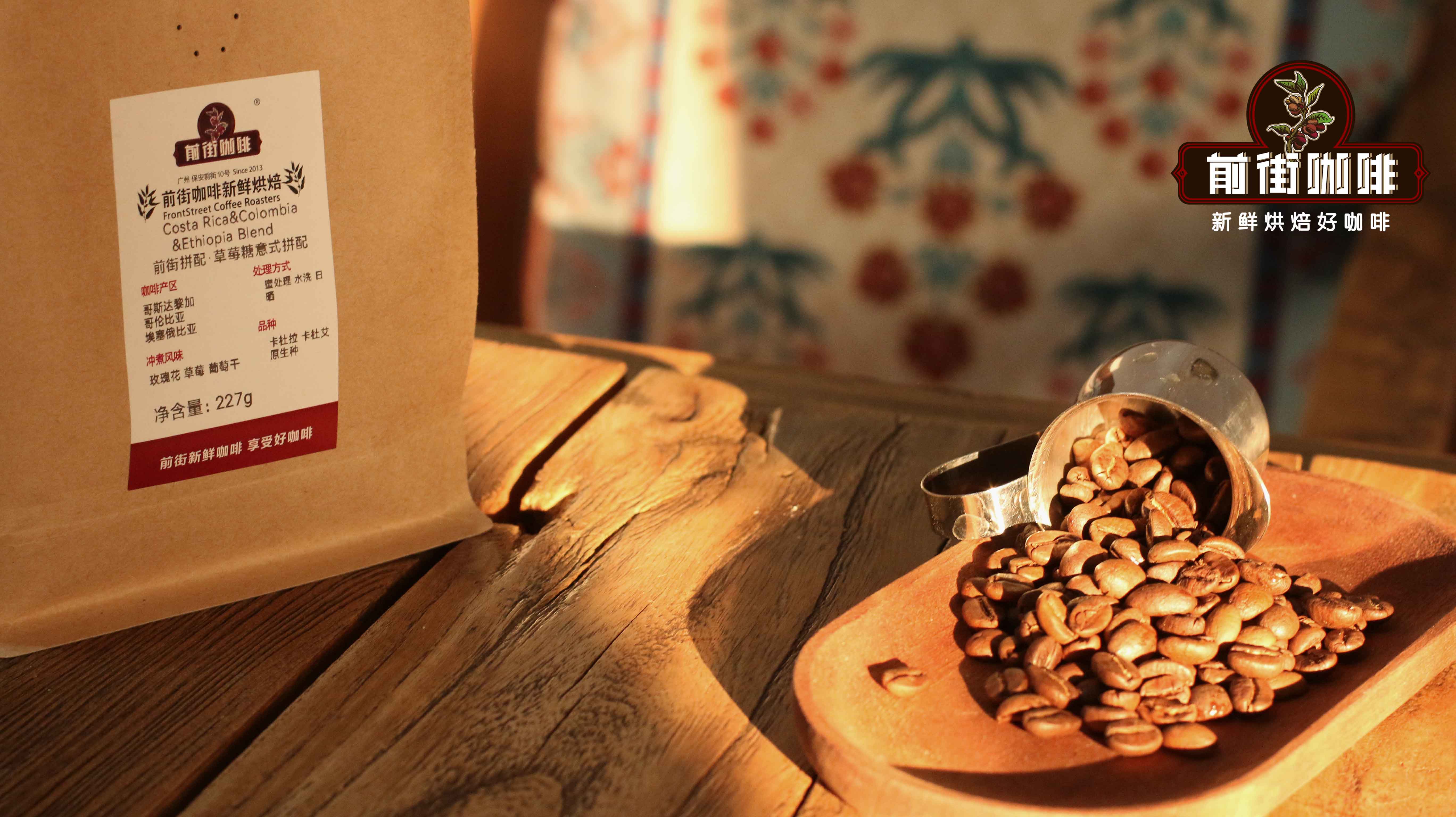
If you want a coffee with a rich crema, consider classic Italian blends. These formulas are typically composed of beans from multiple regions, offering balance and complexity. For those who prefer spicy and sweetly mellow flavors, medium-dark roasted single-origin Mandheling beans are also a great choice, providing a smooth and comforting experience. For those on a budget but still seeking quality, basic espresso blends offer a cost-effective option. If you don’t like overly heavy bitterness but want to enjoy floral and fruity notes, strawberry-sugar-flavored blends are worth trying.


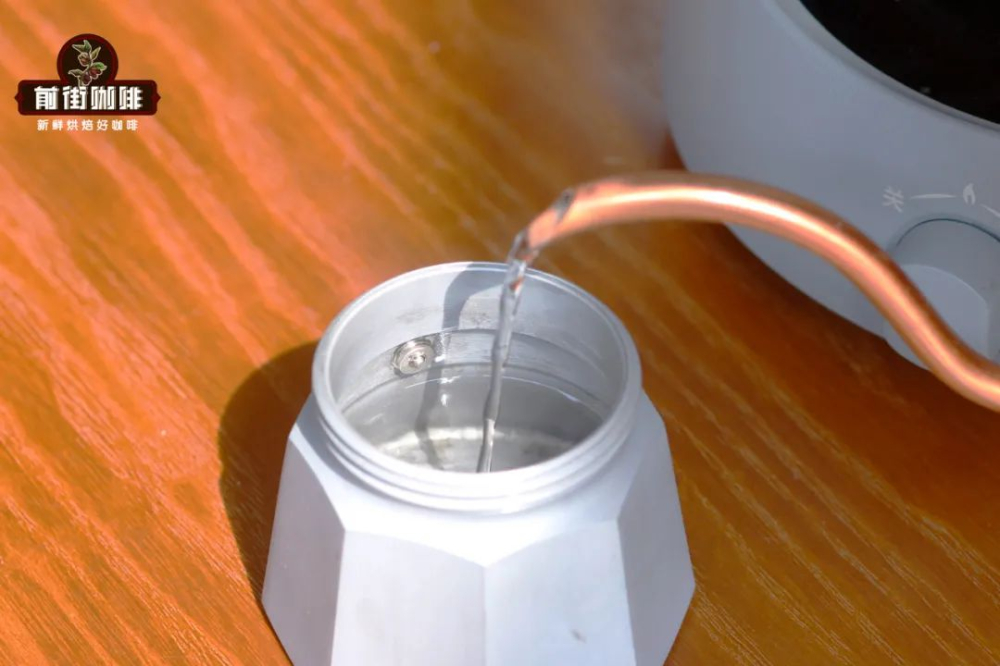
Next, let’s go over the actual steps for using a moka pot. First, add cold water to the lower chamber—the water level should be about 0.5 cm below the safety valve to avoid submerging it, which could cause abnormal pressure or even risk of explosion. Using cold water may lengthen the extraction time, leading to over-extraction and bitterness, so it's better to use water that’s at room temperature or warmer. This helps speed up heating and shortens the overall brewing time.
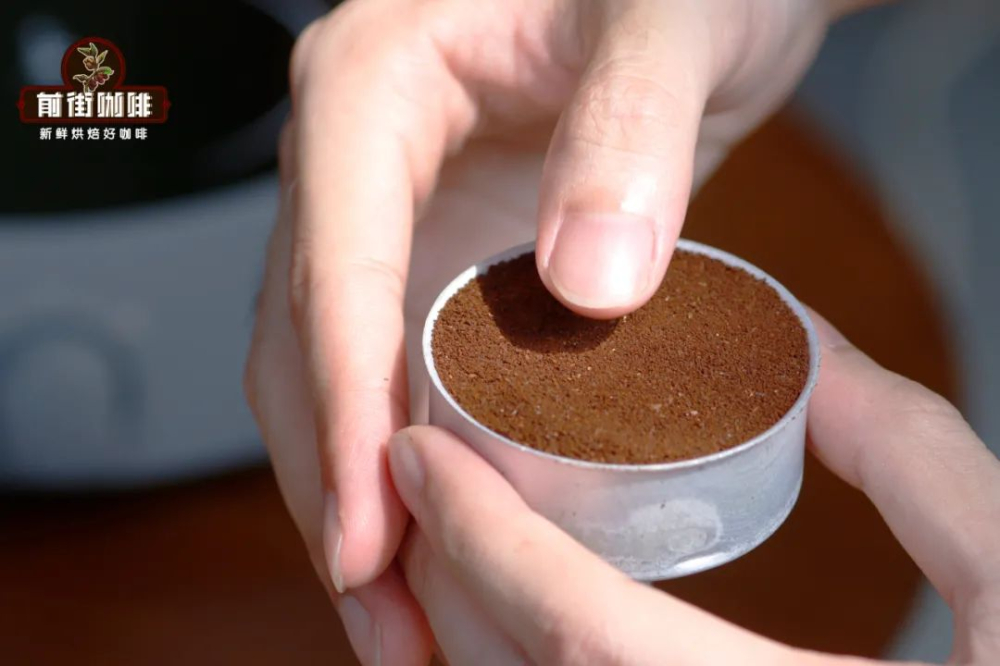
Then, grind the coffee beans to a slightly finer consistency than pour over, but a bit coarser than commercial espresso machine grind—roughly matching the gap of the filter basket screen is ideal, to prevent too much fine powder from leaking during extraction. Put the coffee grounds into the filter basket, gently level them, and lightly tamp with your fingers—but avoid pressing too hard, which could impede water flow. Reinsert the filter basket into the lower chamber, make sure it’s tightly sealed, then attach the upper chamber. Once fully assembled, place it on a stove or other heat source to begin heating.
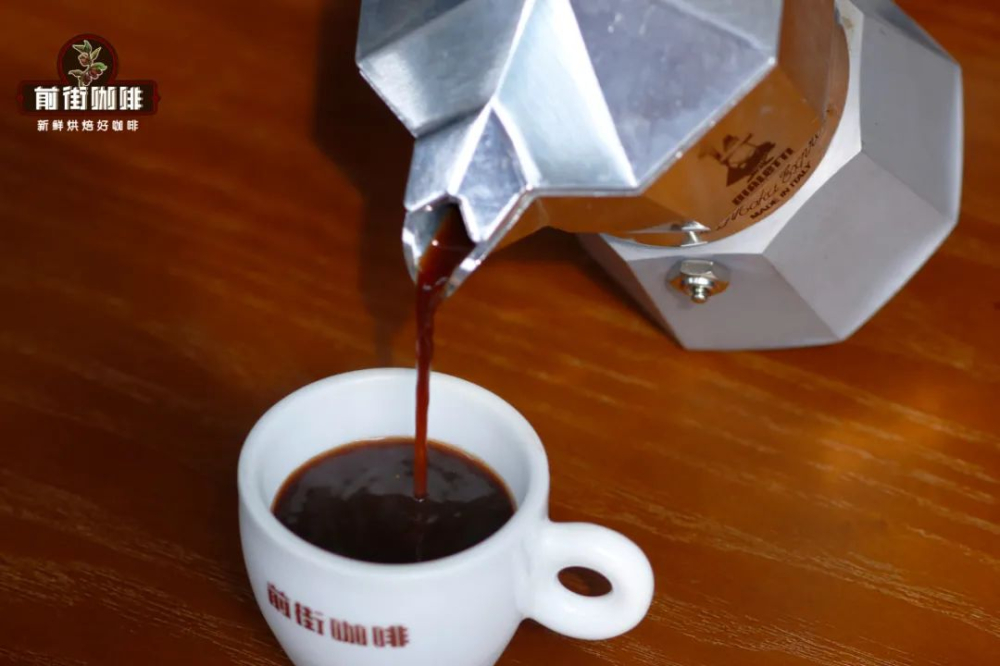
When you hear a hissing sound from inside the pot, it means pressure is gradually building up. At this point, reduce the heat and open the upper chamber lid to observe the flow of coffee. Once you see the coffee beginning to slowly drip out along with crema, extraction is underway. When the upper chamber has accumulated about half a cup of coffee, it’s recommended to turn off the heat and let the remaining heat finish the extraction process to avoid over-extraction. Throughout the operation, be very careful of the hot pot body to avoid burns.
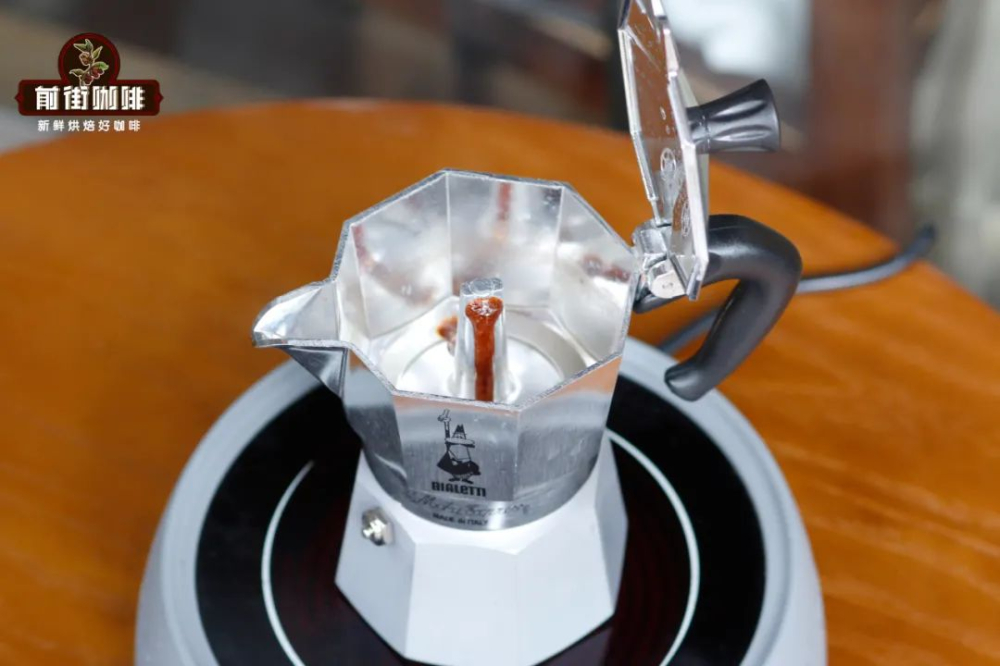
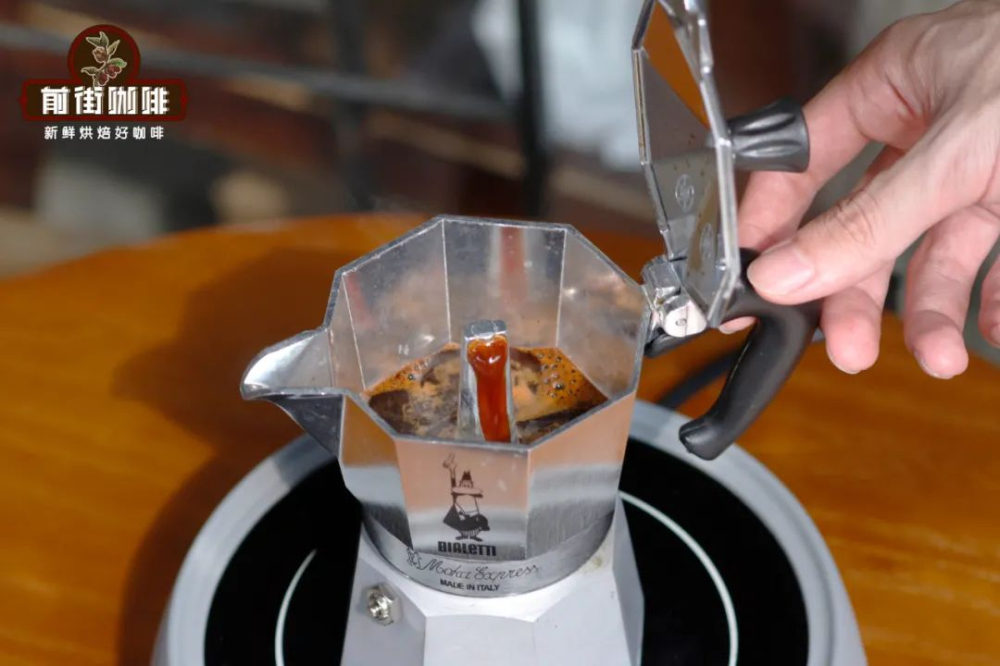
The finished coffee is rich in flavor and has a thick mouthfeel, often carrying aromas of dark chocolate and caramel. It’s great for drinking straight, or you can add hot milk to taste and make a latte or cappuccino, enjoying that café-style creamy foam texture.
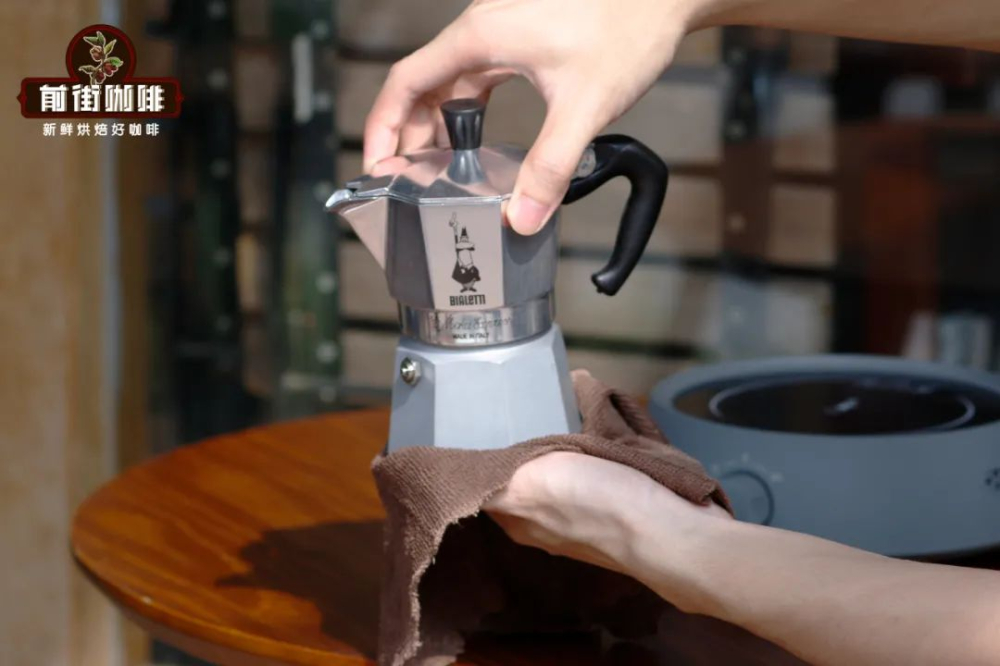
There are also some important notes to keep in mind when using a moka pot. Aside from keeping the water level below the safety valve, you should also observe the flow rate of the coffee. If the liquid sprays out, the water may be too hot; if the flow is too slow or stops altogether, the heat may be too low or the grind too fine—both cases require timely adjustment. In addition, the metal material of the moka pot conducts heat quickly, so always use heat-resistant gloves or a towel for safety during handling.
The above content is compiled by CoffeeHunters, a coffee news website.


